Q4 sales climbed 21%, but Wall Street more interested in $70B buildout bill
Oracle has lifted capital spending plans above analyst estimates and expanded borrowing to chase the opportunity it says exists in building datacenters for AI workloads.Despite revenue for Q4 (ended May 31) rising 21 percent year-on-year to $19.2 billion, Oracle's share price fell as markets reacted to its increasing capex, as analysts raised concerns about how Big Red would fund the investments in datacenters. Capex for fiscal 2026 reached $55.7 billion, up from $21.2 billion a year earlier.Speaking to investors, CFO Hilary Maxson said Oracle planned to support its capital investments program by raising around $40 billion in debt and equity in fiscal 2027, including a $20 billion equity issuance already announced.
"We don't anticipate raising additional debt funding in calendar year 2026," she said.
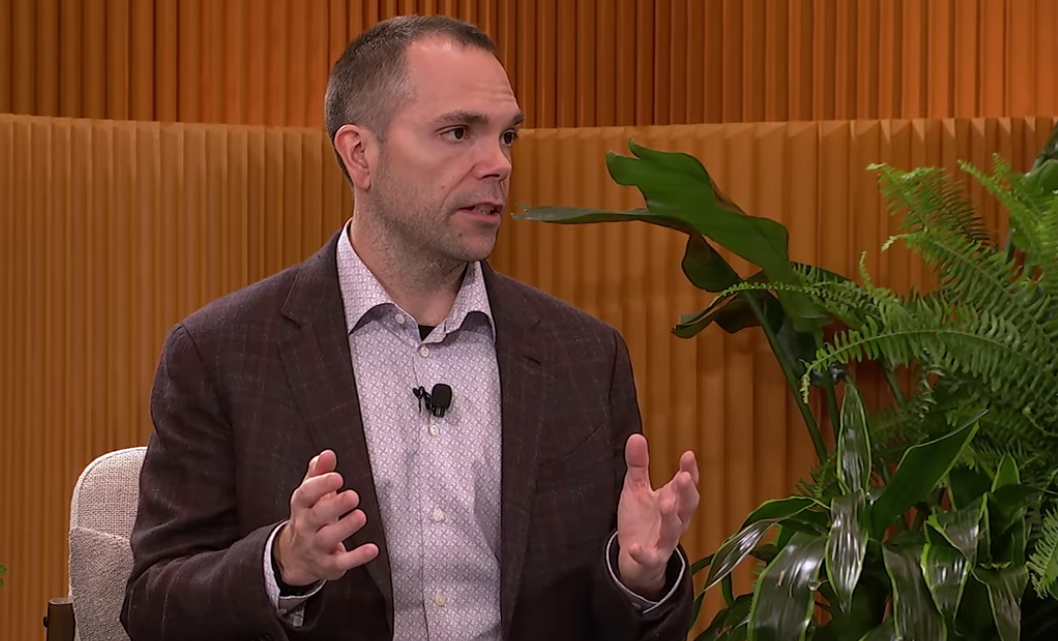
Last year, Oracle raised $18 billion in debt to help fund its massive datacenter investments. Big Red's market value jumped after it declared $455 billion remaining performance obligations (RPOs) – contracted revenue not yet recognized – more than 300 percent higher than a year earlier. That figure reportedly includes $300 billion for OpenAI alone, as the LLM slinger tries to support its expansion with compute capacity.Maxson said on an earnings call this week: "In order to unlock this unique growth opportunity, we started a program of capital investments. We'll continue those investments in our fiscal year 2027, with an expected net cash outlay for capital expenditures of around $70 billion. This includes customer prepayments and timing impacts expected at around $20 billion-$25 billion, so our reported capex will be higher by this amount."CEO Clay Magouyrk said any increase in capex was not due to component prices but largely due to timing. "Part of my job is to figure out ways to actually accelerate capex. My job is to try to spend the money a little bit faster so I can get ramped revenue sometimes. Component prices in general… I think everyone knows that memory prices have definitely gone up, SSD prices, hard drive prices, etc."However, Magouyrk said Oracle had also been able to lock prices "across the spectrum, whether it be space and power costs, energy costs, people costs, component costs."