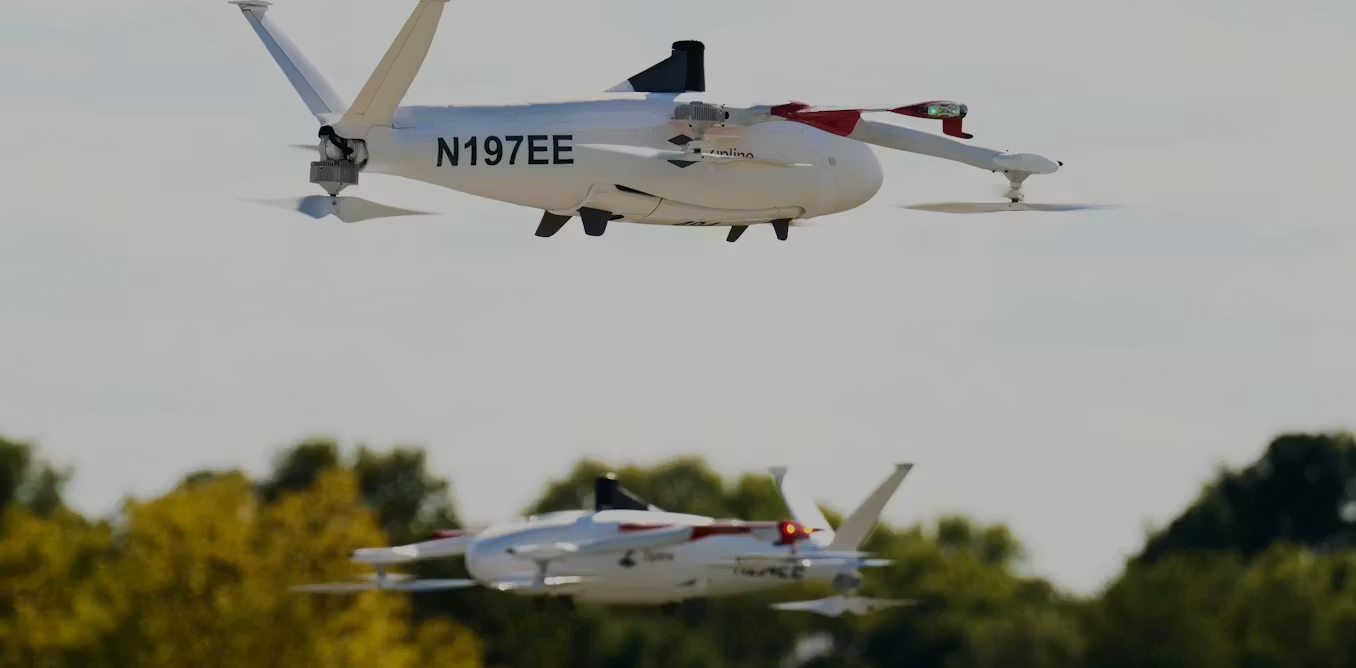
Today, almost anyone who flies a drone must maintain visual contact with it at all times, a practice known as visual line of sight. This requirement severely restricts how far craft can fly. When the Federal Aviation Administration rule changes allowing people to fly their drones beyond visual line of sight are finalized, commercial use is likely to soar.
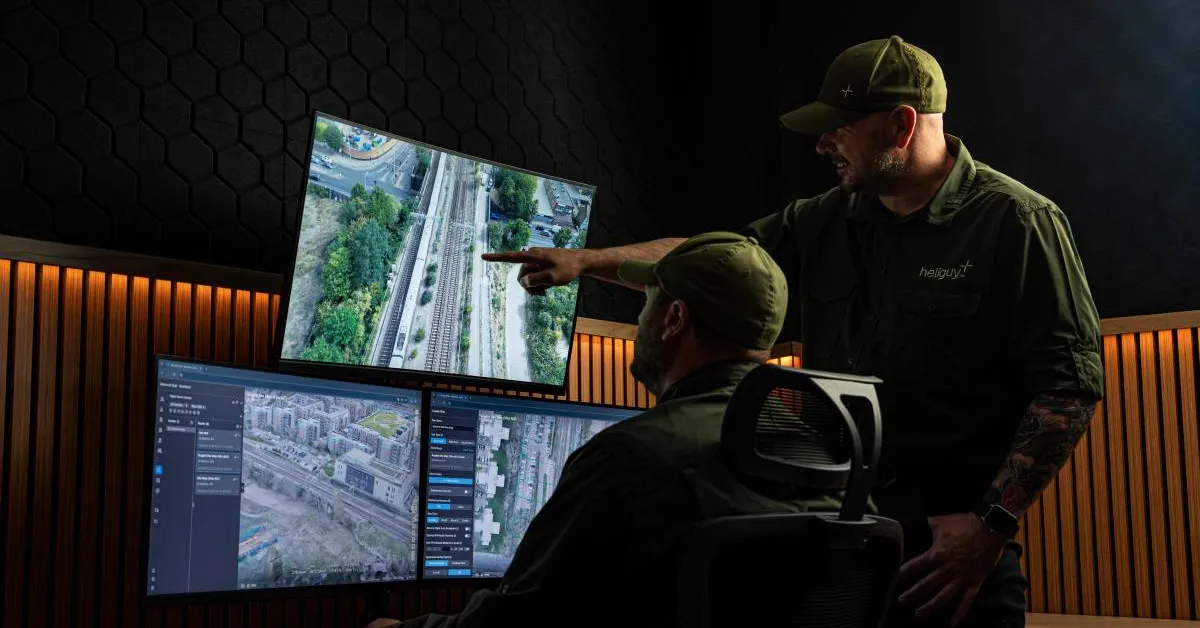
Flight beyond visual line of sight will fundamentally change drone operations, allowing for a wide range of applications. Imagine a drone flying well ahead of a train to ensure the tracks are safe, or large drones monitoring and spraying vast farm fields, improving farm efficiency and reducing labor costs.
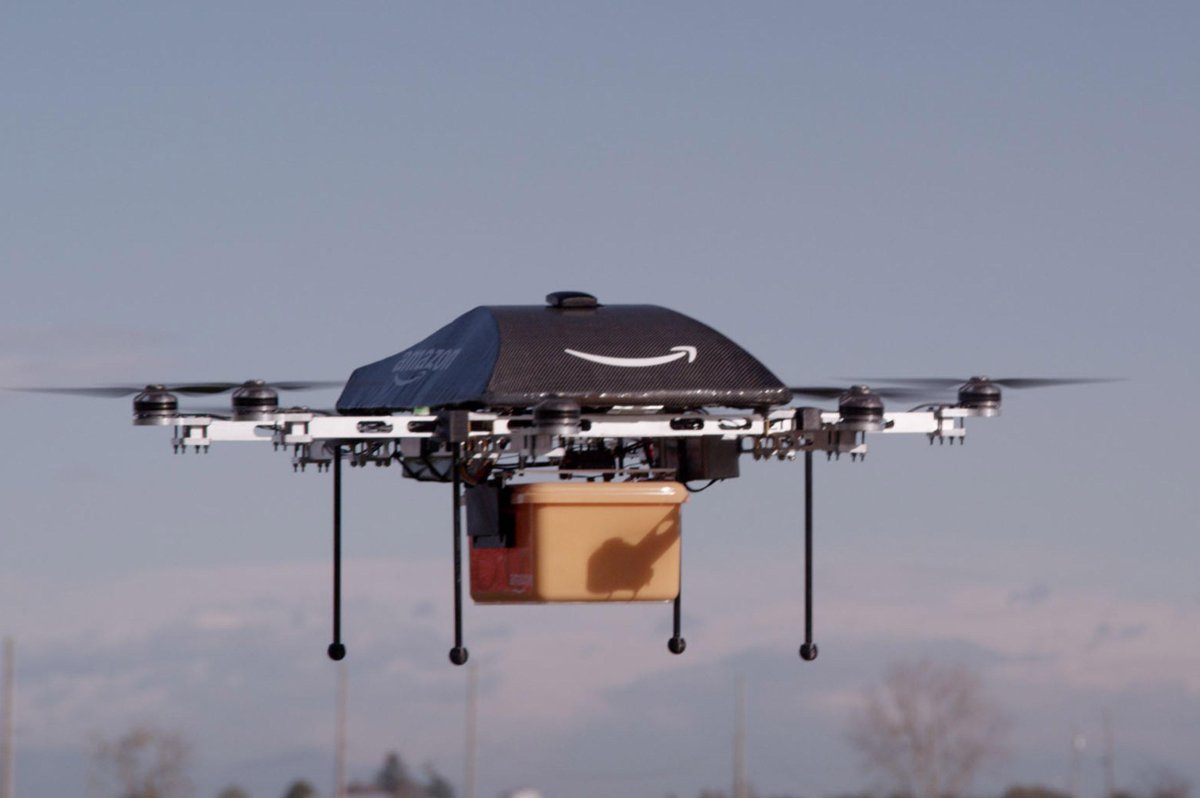
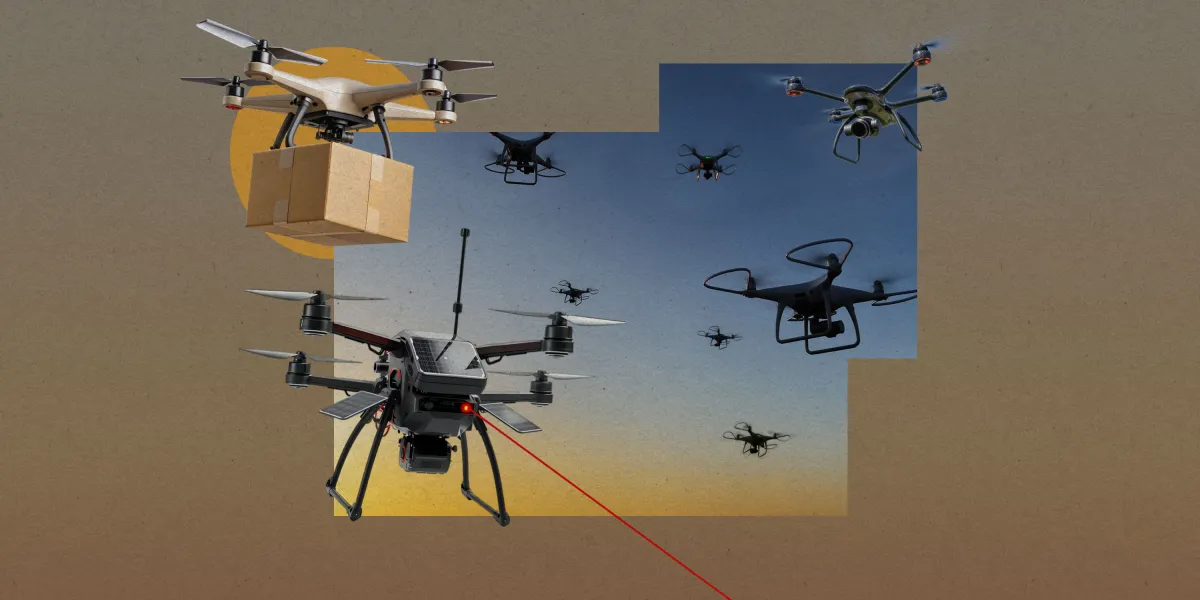
Drones, formally called unmanned aircraft systems, or UAS, are being used or developed for a wide variety of applications, such as inspecting pipelines, assessing forests for potential wildfire, finding people needing rescue, assessing disaster damage, monitoring borders and ports, and surveying wildlife and the environment. There is also an emerging industry for using drones to deliver packages – everything from transplant organs to fast food meals.
A drone company worker loads a package for delivery into a drone’s cargo bay.
AP Photo/Charlie Riedel