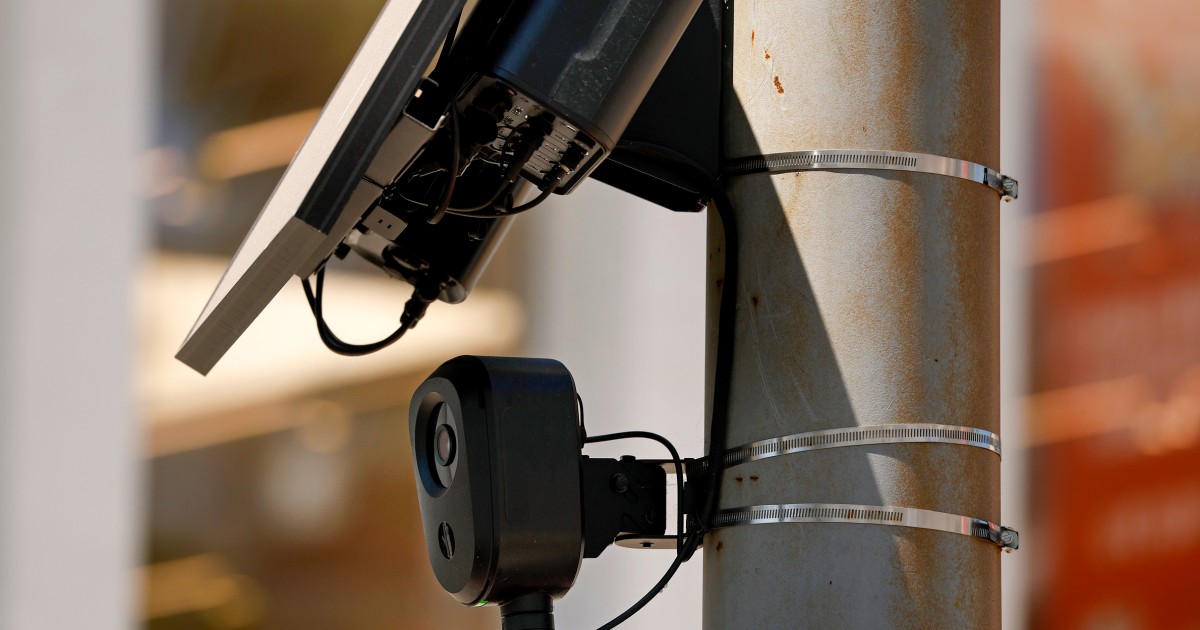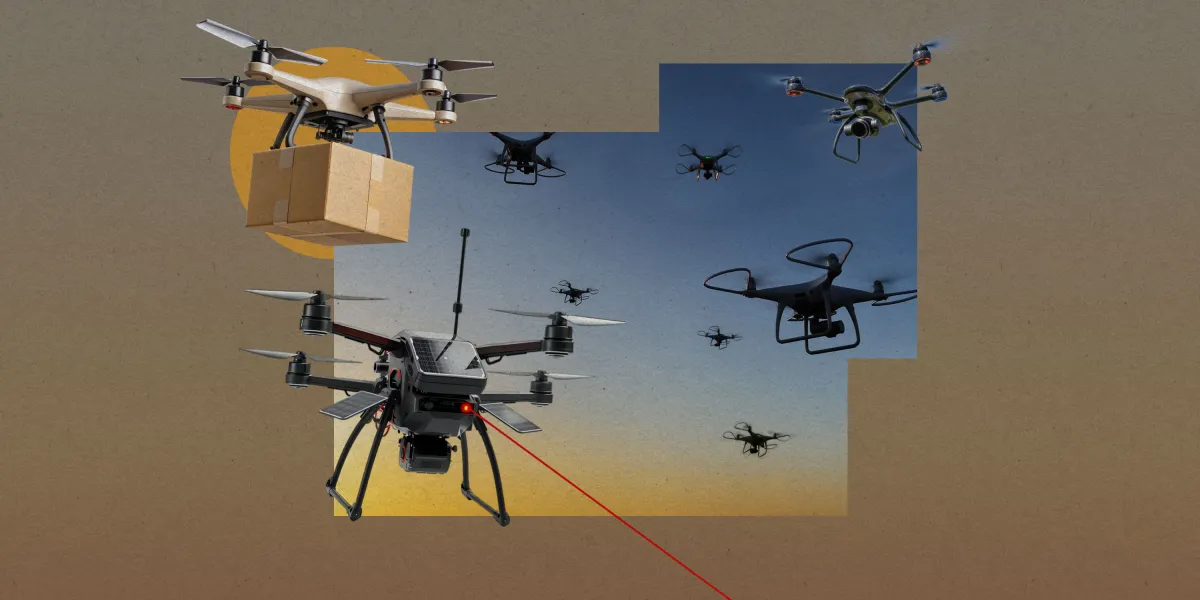
On Thursday, I published a story about the police-tech giant Flock Safety selling its drones to the private sector to track shoplifters. Keith Kauffman, a former police chief who now leads Flock’s drone efforts, described the ideal scenario: A security team at a Home Depot, say, launches a drone from the roof that follows shoplifting suspects to their car. The drone tracks their car through the streets, transmitting its live video feed directly to the police. It’s a vision that, unsurprisingly, alarms civil liberties advocates. They say it will expand the surveillance state created by police drones, license-plate readers, and other crime tech, which has allowed law enforcement to collect massive amounts of private data without warrants. Flock is in the middle of a federal lawsuit in Norfolk, Virginia, that alleges just that. Read the full story to learn more. But the peculiar thing about the world of drones is that its fate in the US—whether the skies above your home in the coming years will be quiet, or abuzz with drones dropping off pizzas, inspecting potholes, or chasing shoplifting suspects—pretty much comes down to one rule. It’s a Federal Aviation Administration (FAA) regulation that stipulates where and how drones can be flown, and it is about to change.Currently, you need a waiver from the FAA to fly a drone farther than you can see it. This is meant to protect the public and property from in-air collisions and accidents. In 2018, the FAA began granting these waivers for various scenarios, like search and rescues, insurance inspections, or police investigations. With Flock’s help, police departments can get waivers approved in just two weeks. The company’s private-sector customers generally have to wait 60 to 90 days.
The US may be heading toward a drone-filled future
The FAA is set to loosen rules to let people fly drones beyond their “line of sight."
567 words~3 min read