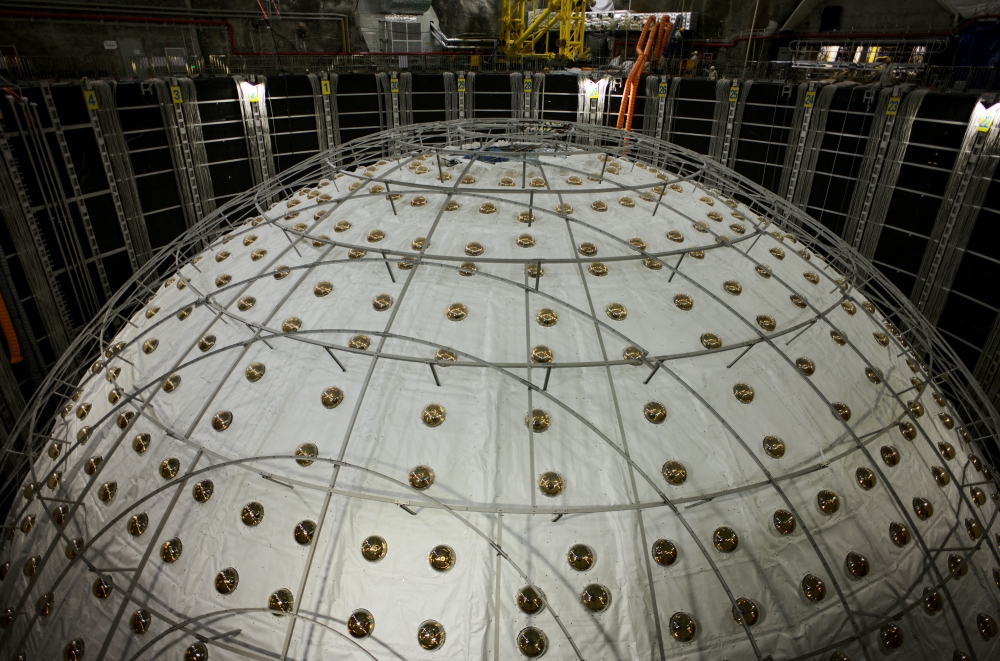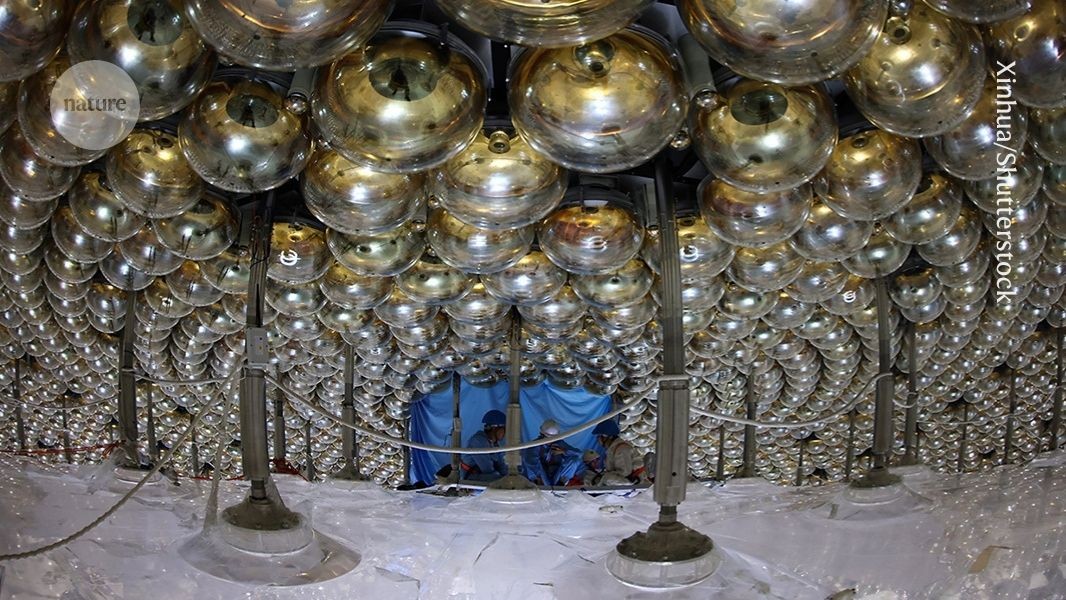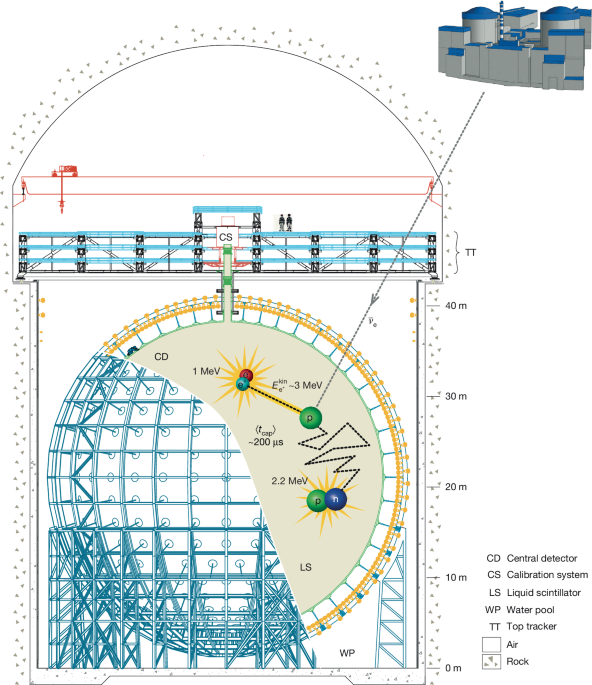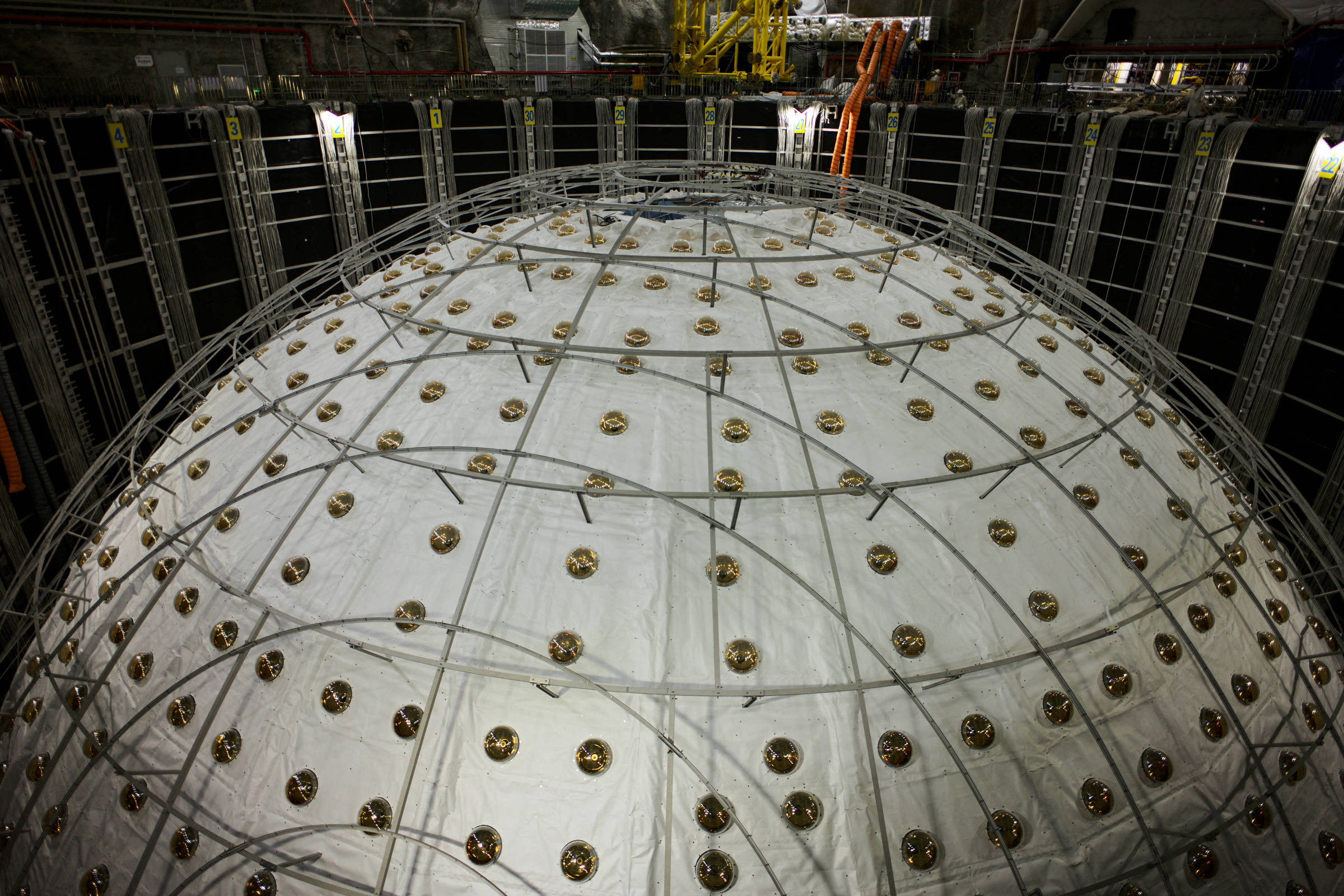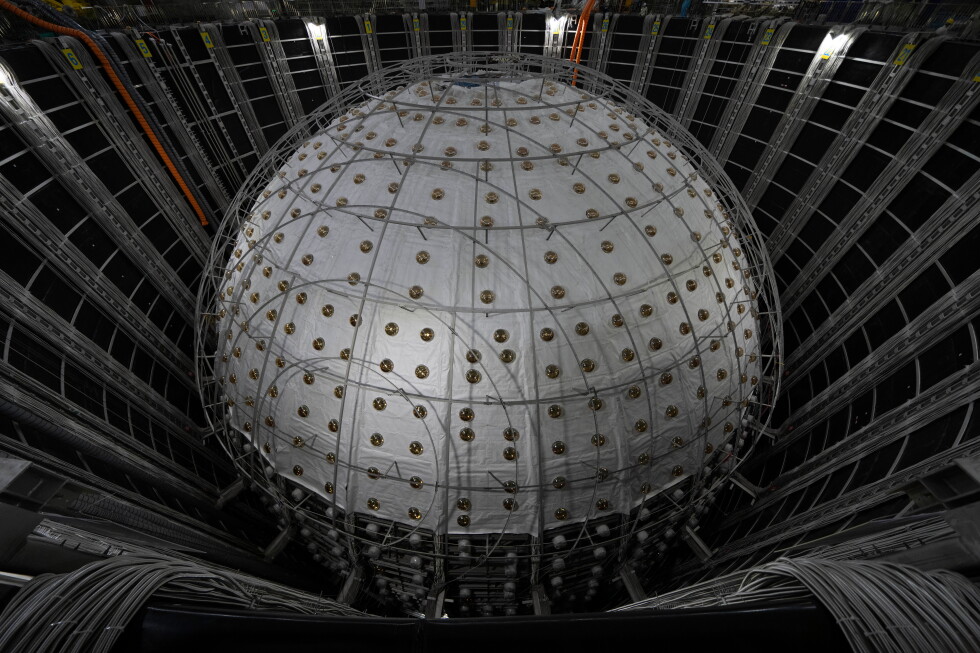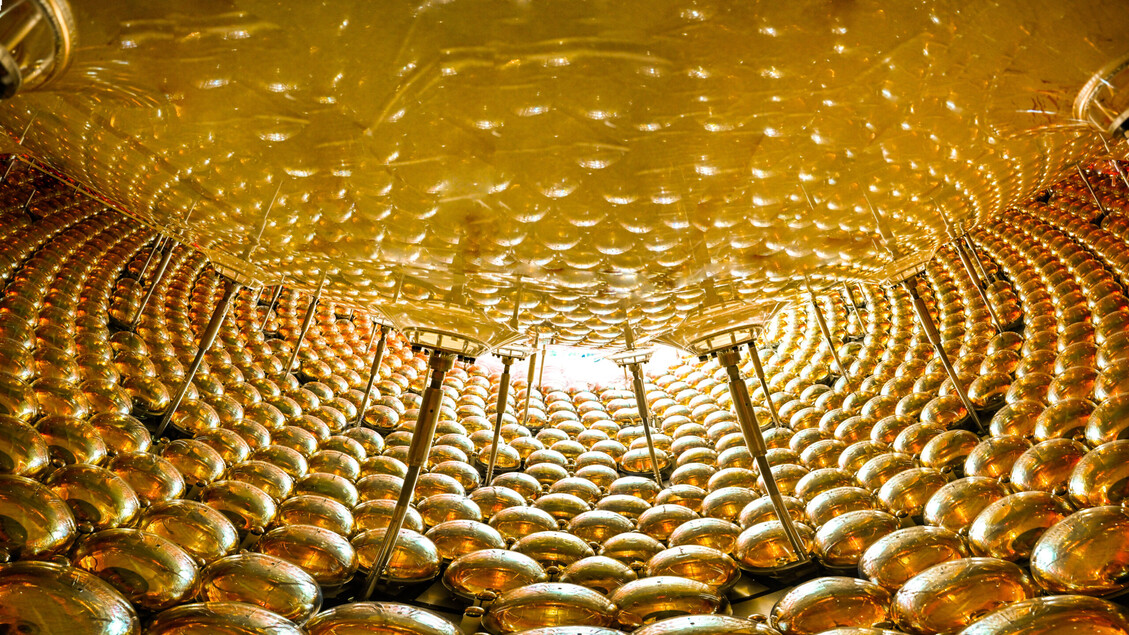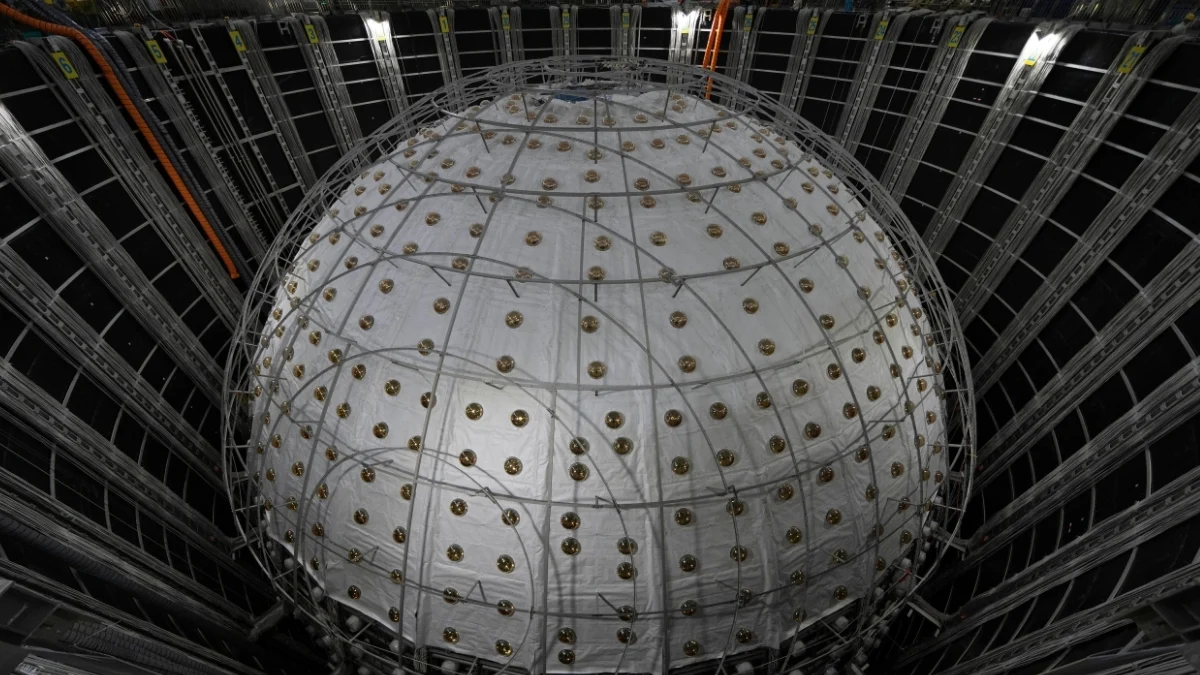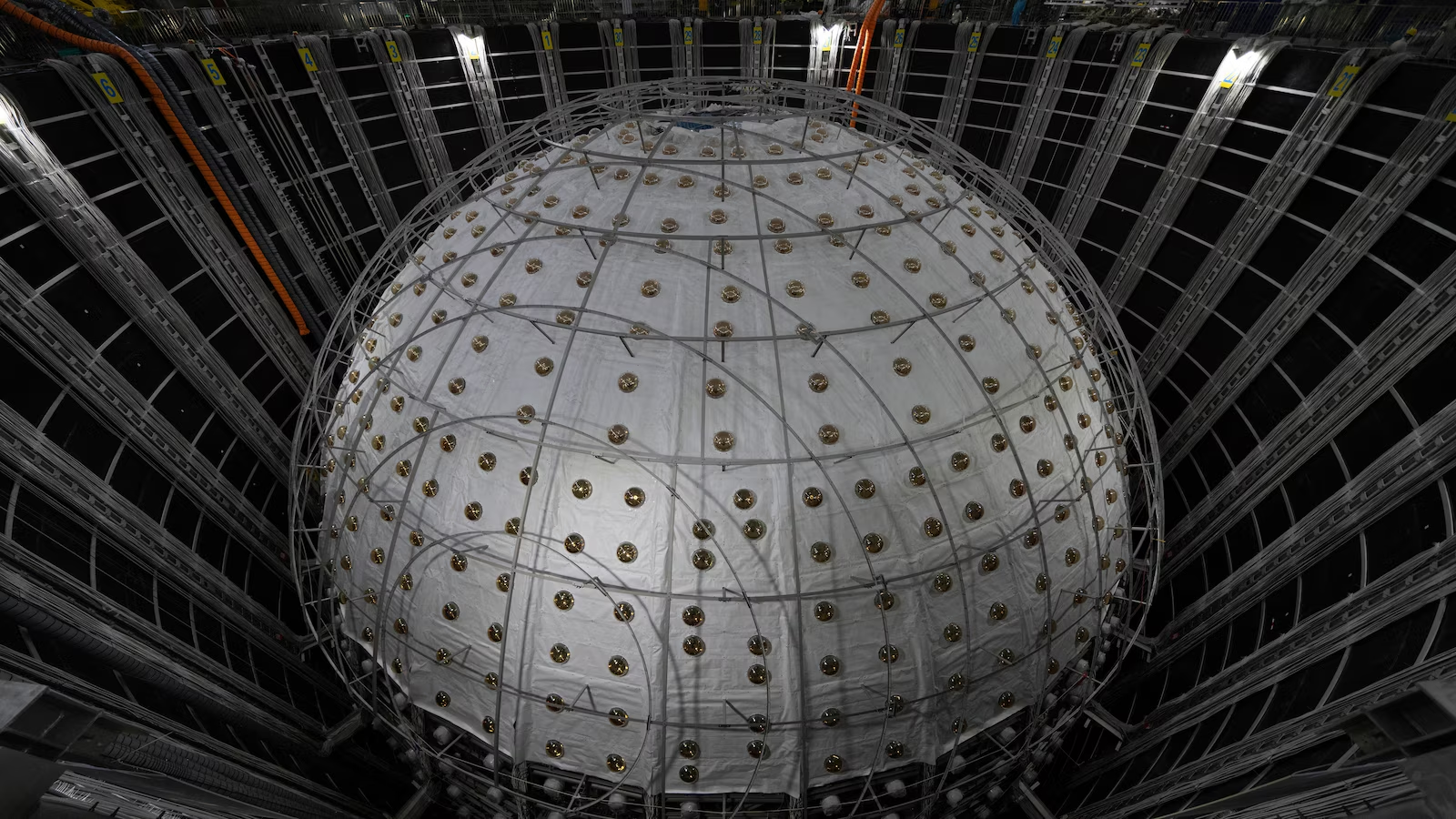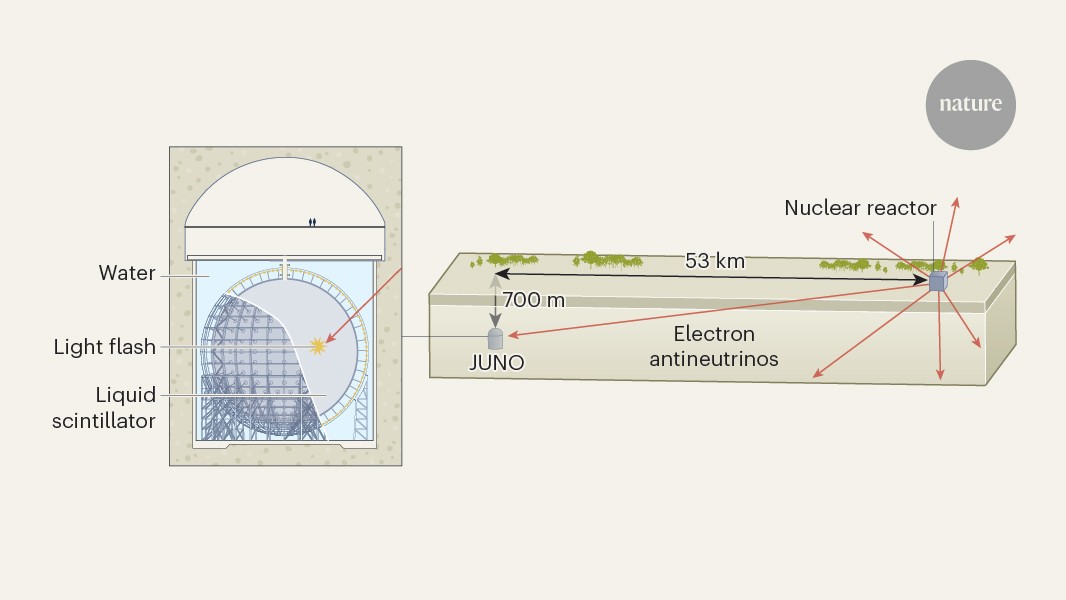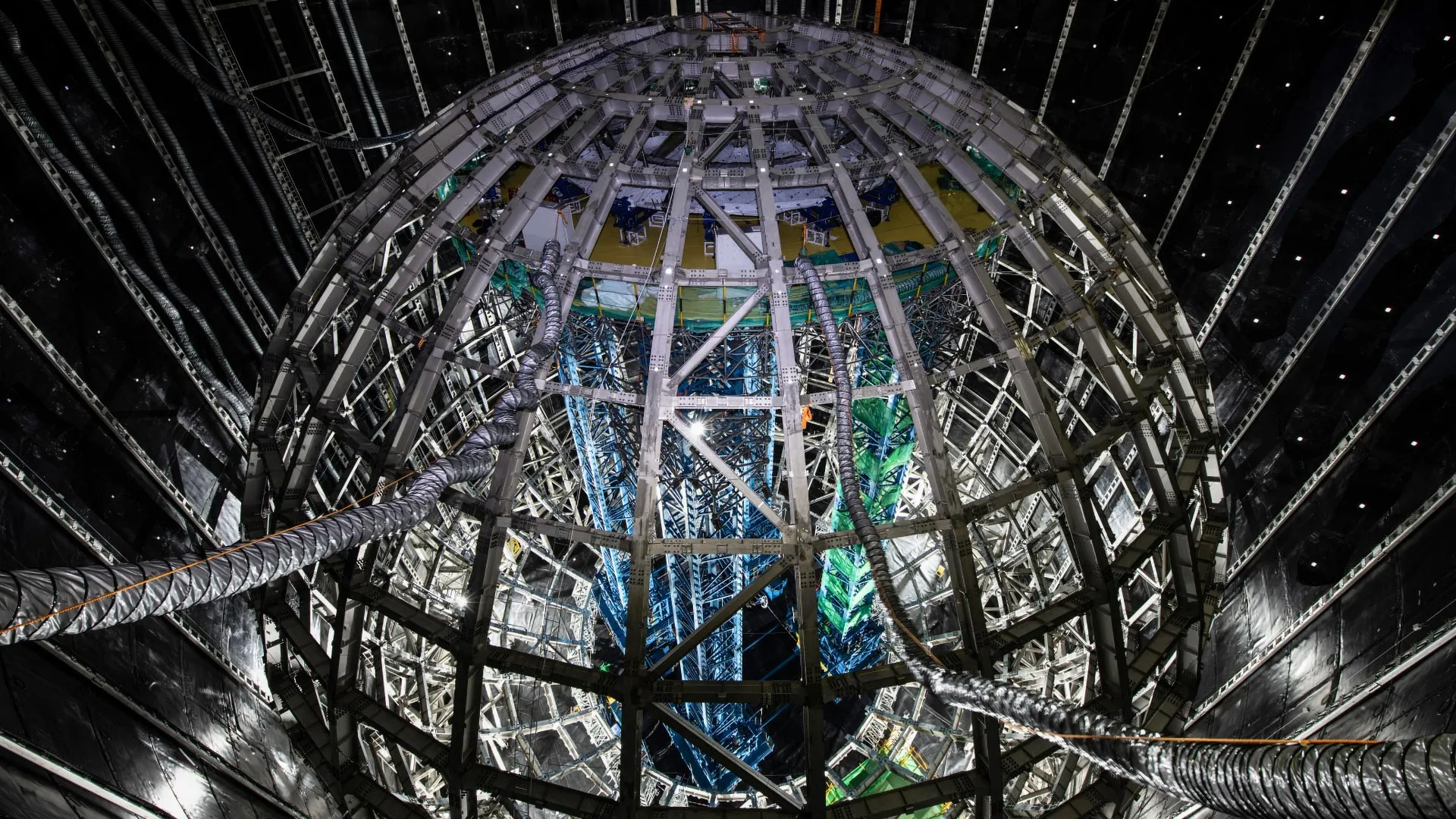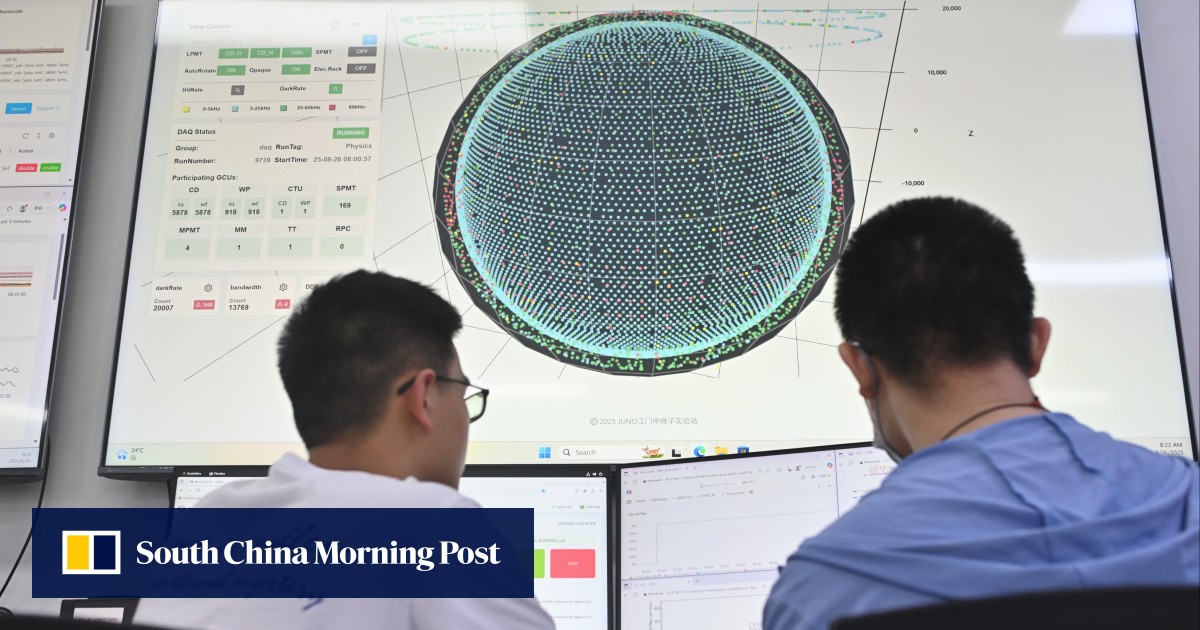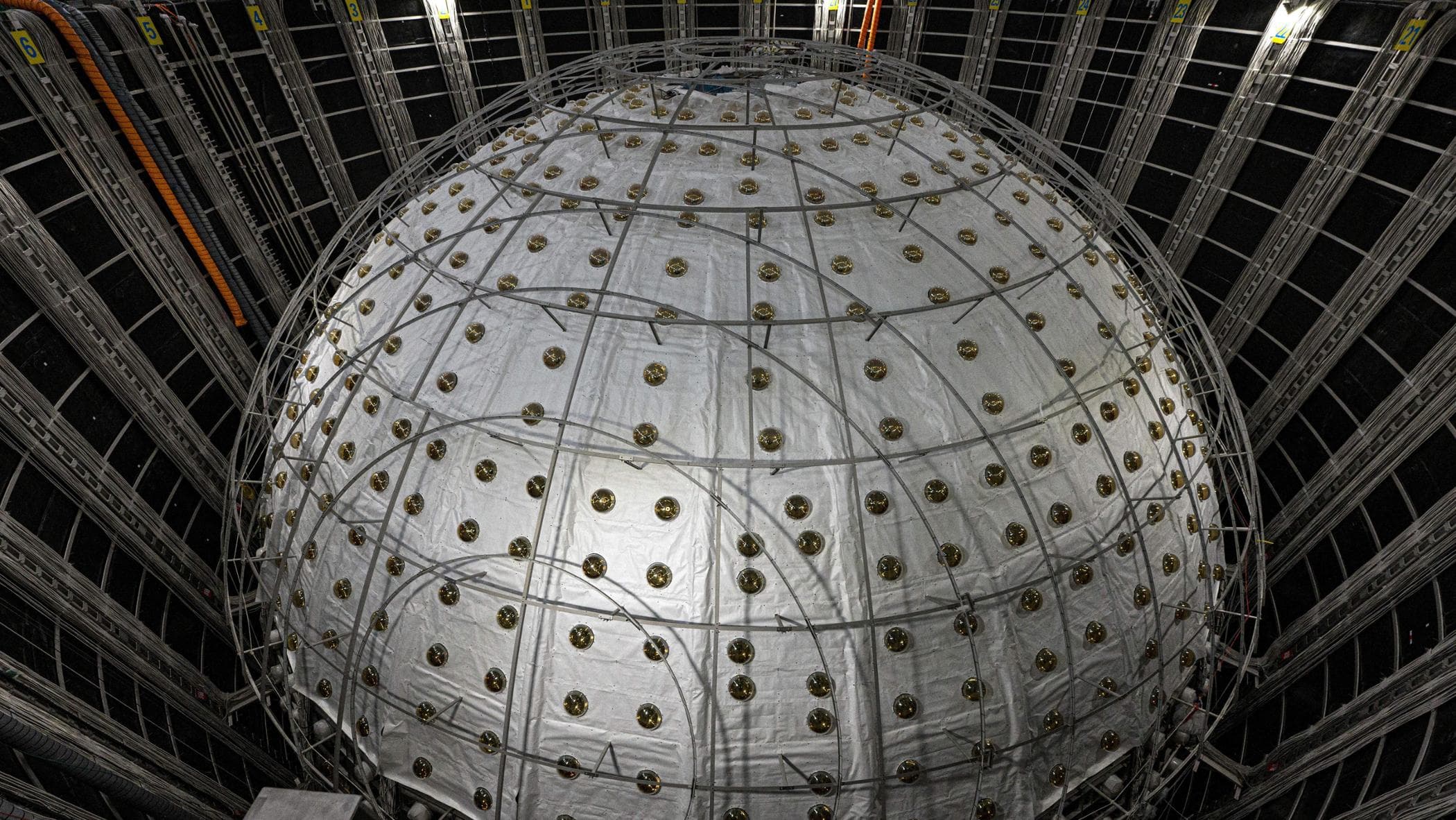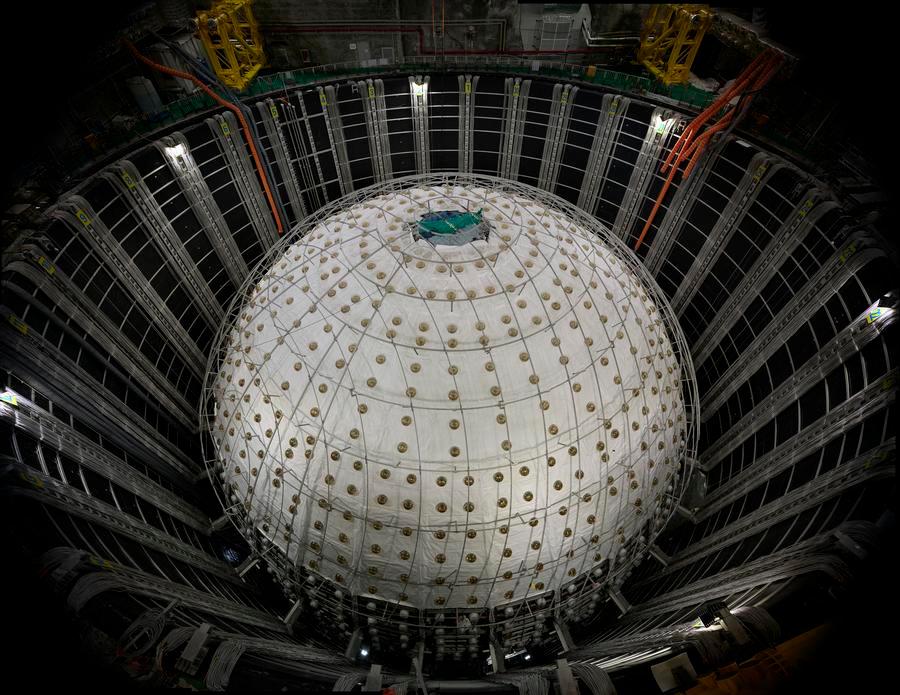
This stitched photo taken on Oct. 9, 2024 shows the central detector of the Jiangmen Underground Neutrino Observatory (JUNO) in Jiangmen, south China's Guangdong Province. (Xinhua/Jin Liwang)GUANGZHOU, June 11 (Xinhua) -- The world's largest transparent spherical neutrino detector located in south China's Guangdong Province released its first findings in the journal Nature Wednesday.The Jiangmen Underground Neutrino Observatory (JUNO) began data taking in August 2025, with the primary physics goal of determining the mass ordering of neutrinos.Neutrinos have no electrical charge and very little mass, with very little interaction with matter. A typical neutrino can pass through normal matter unimpeded, making the detection of neutrinos very difficult. Among all elementary particles, neutrinos are the least known.JUNO completed the high-precision measurement of two key oscillation parameters based on the analysis of valid data collected over 59 days from Aug. 26 to Nov. 2, 2025. The measurement accuracy reduced the associated uncertainties by a factor of 1.6 compared to the combined experimental results in the past decades.The reviewer of Nature commented that these results not only validate the detector performance and analysis methodology, but also establish JUNO as a key player in the emerging precision era of neutrino oscillation physics, with direct implications for tests of the three-flavor paradigm, global oscillation fits, and future determinations of the neutrino mass ordering.JUNO can also measure three out of six neutrino mixing parameters to a precision better than 1 percent, and conduct studies on supernova neutrinos, geo-neutrinos, solar neutrinos, and atmospheric neutrinos.According to the JUNO team, more results will be released as data continues to be gathered at the observatory, gradually unlocking new mysteries of neutrinos. ■
China's JUNO team releases first physics result about neutrino in Nature
China's JUNO team releases first physics result about neutrino in Nature-
271 words~1 min read