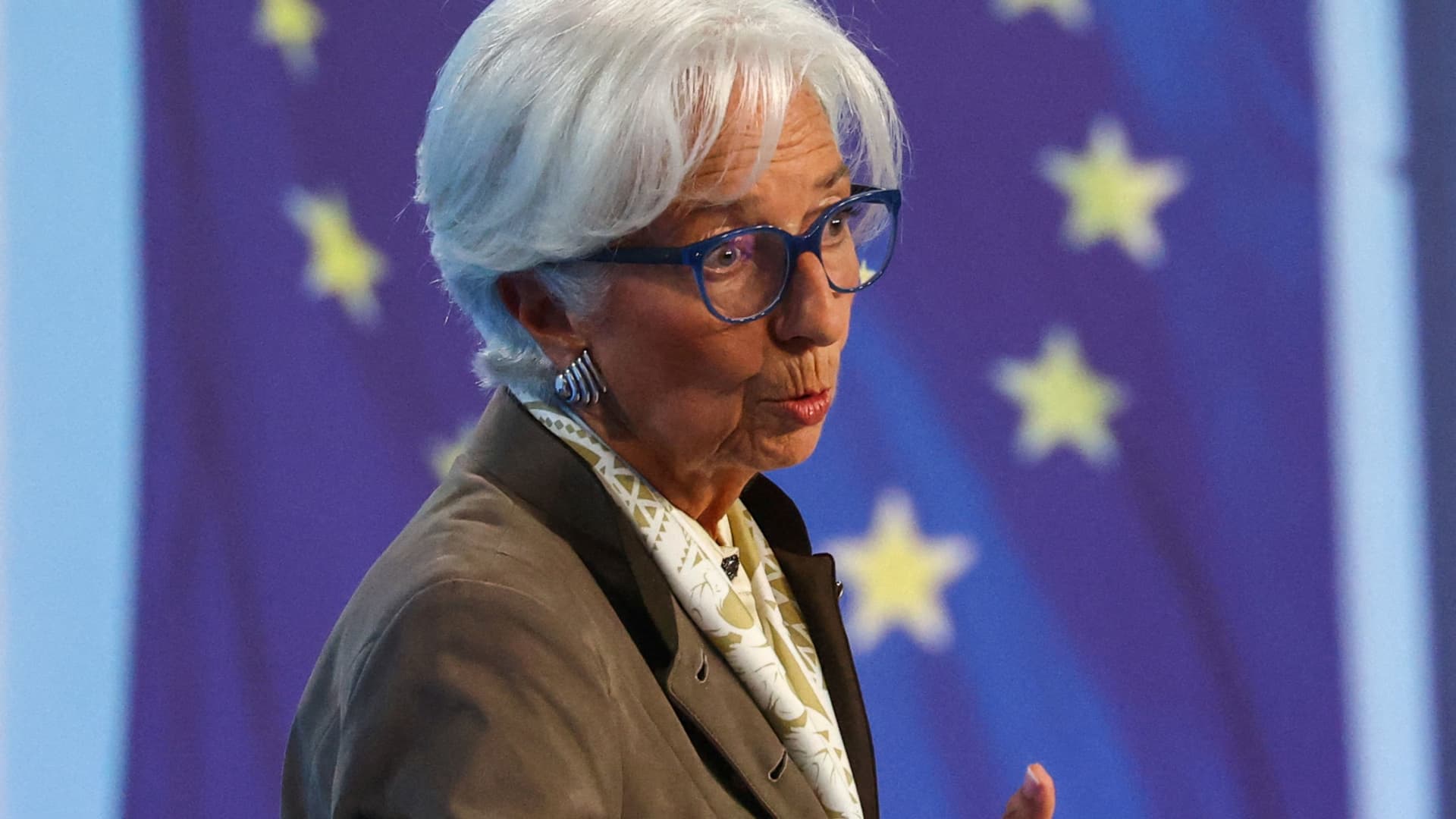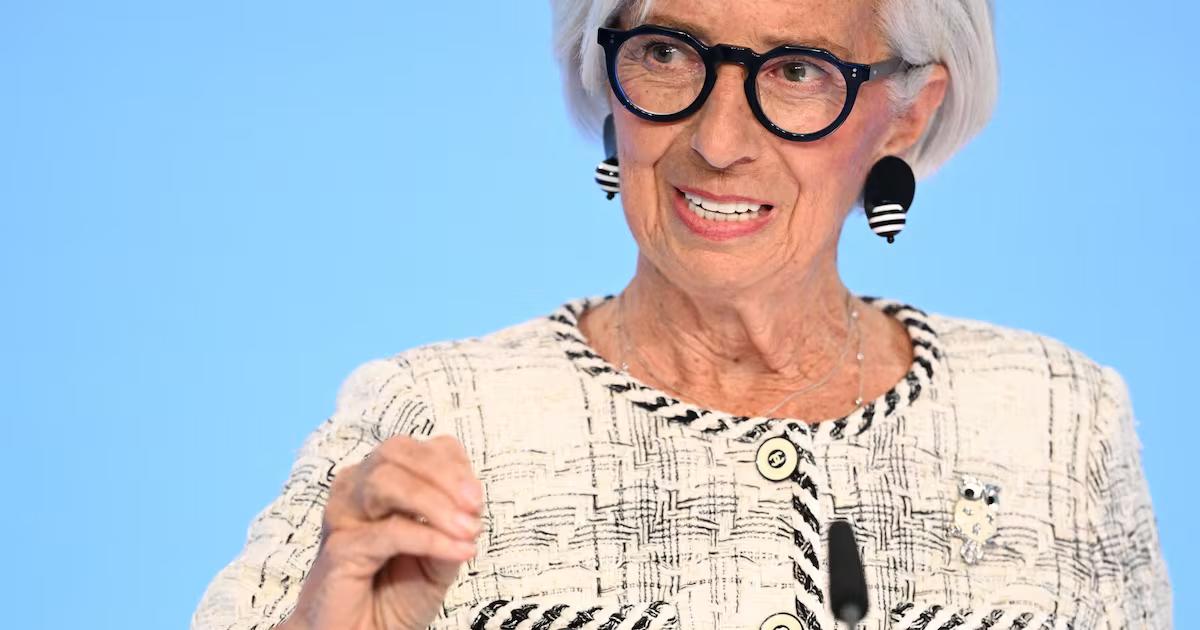
The European Central Bank (ECB) raised its key deposit rate by a quarter of a percentage point to 2.25 per cent on Thursday, marking the first increase in almost three years, amid signs that the Iran war is having a broader impact on inflation than the spike this year in energy prices. The bank also increased its main lending rate, to which ECB tracker mortgage costs are linked, to 2.4 per cent. “The war in the Middle East is generating inflation pressures, and the decision to raise rates is robust across a range of scenarios mapping out how the shock might evolve and affect the medium-term outlook for the euro area,” said the ECB, which is led by president Christine Lagarde, in a statement. [ ECB rates announcement live: Hike expected as Irish households to face higher costsOpens in new window ]“With today’s decision, the [ECB] governing council remains well positioned to navigate the uncertainty caused by the war. It will closely monitor the situation and follow a data-dependent and meeting-by-meeting approach to determining the appropriate monetary policy stance.ECB is the world’s first major central bank to increase rates as a result of the Middle East conflict. Euro-zone inflation rose to an annual rate of 3.2 per cent in May, well above the ECB’s 2 per cent target, as energy prices soared 10.9 per cent, according to Eurostat, the European Union’s statistics agency. Within that, core inflation – which excludes energy and food – rose by 2.5 per cent, indicating that the energy shock is having a broader influence on consumer prices across the single-currency region.The ECB moved its key deposit rate from minus 0.5 per cent to 4 per cent between June 2022 and September 2023 as euro-zone inflation soared to as high as 10.6 per cent, driven by the effects of the Covid-19 pandemic and Russia’s invasion of Ukraine. It subsequently lowered the rate to 2 per cent through a series of cuts over 13 months to September last year.
ECB raises rates for first time since 2023 as Iran war stokes inflation
ECB is first big central bank to hike rates since Iran war
332 words~2 min read