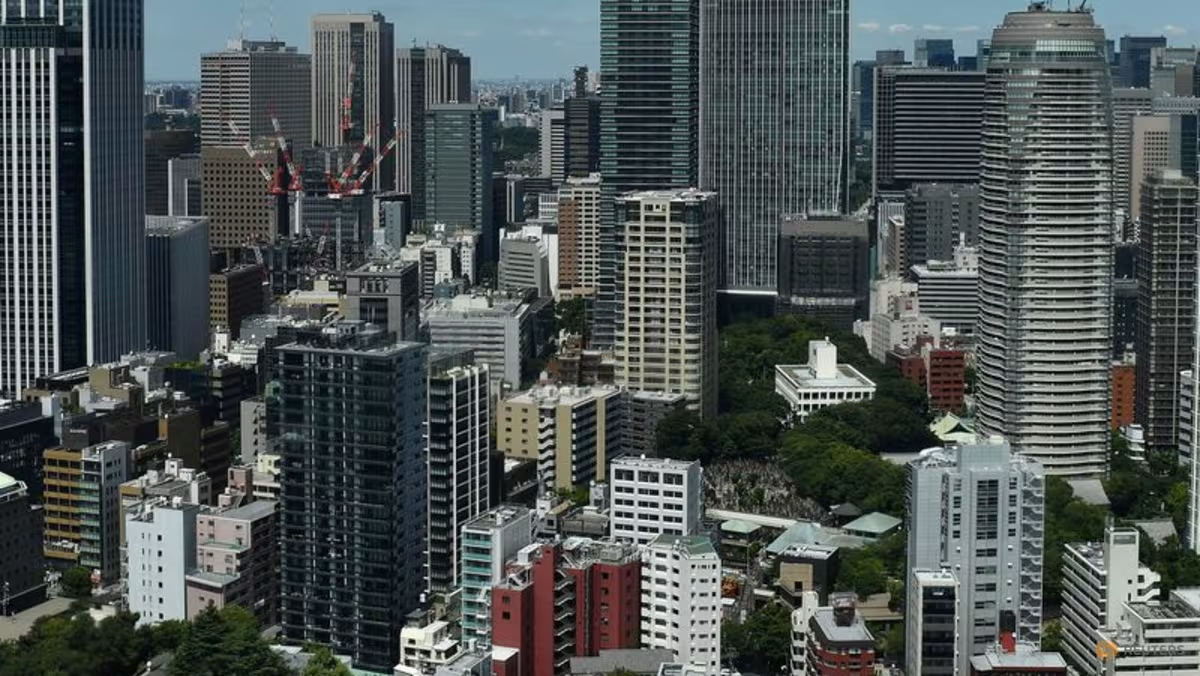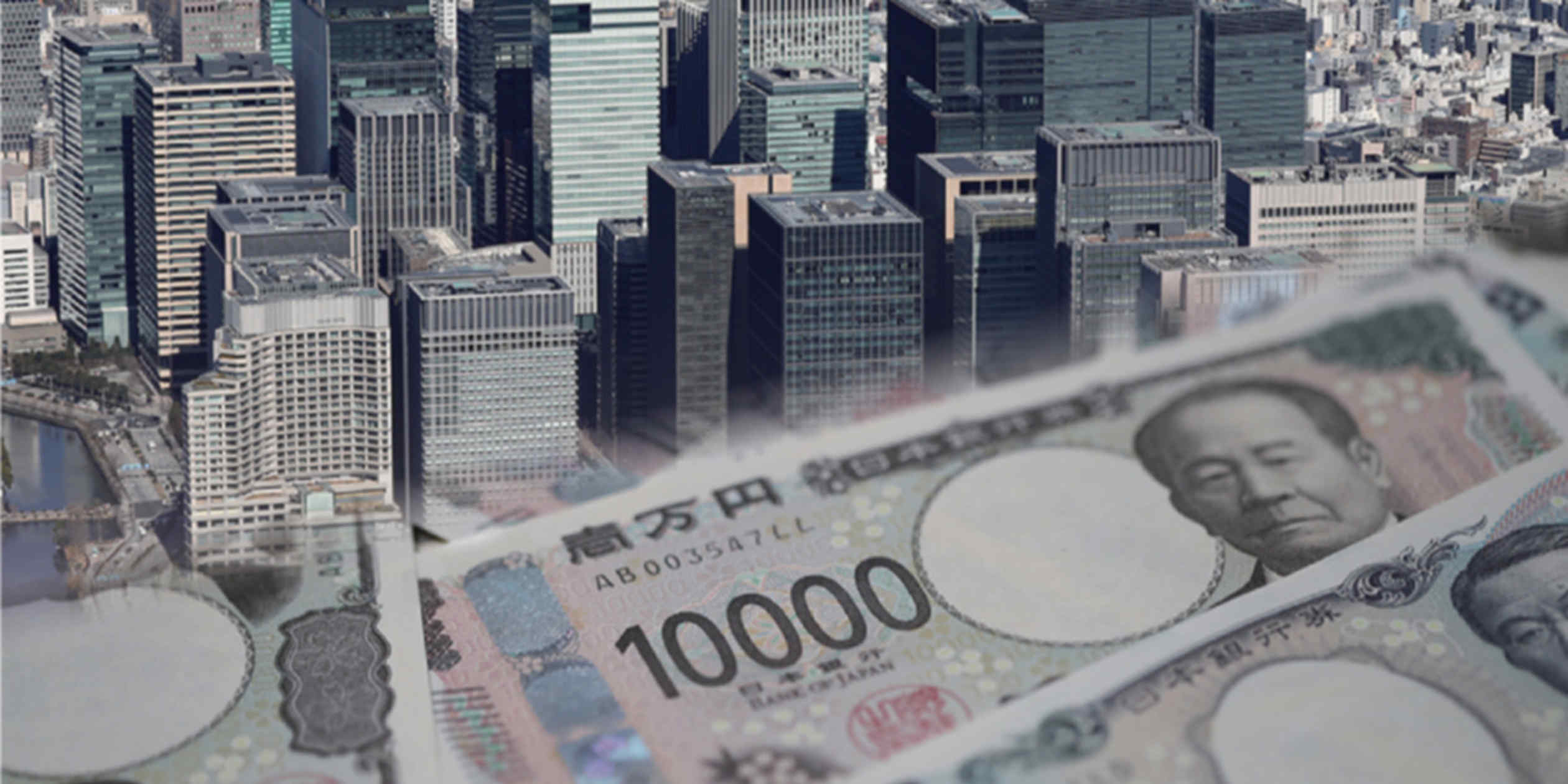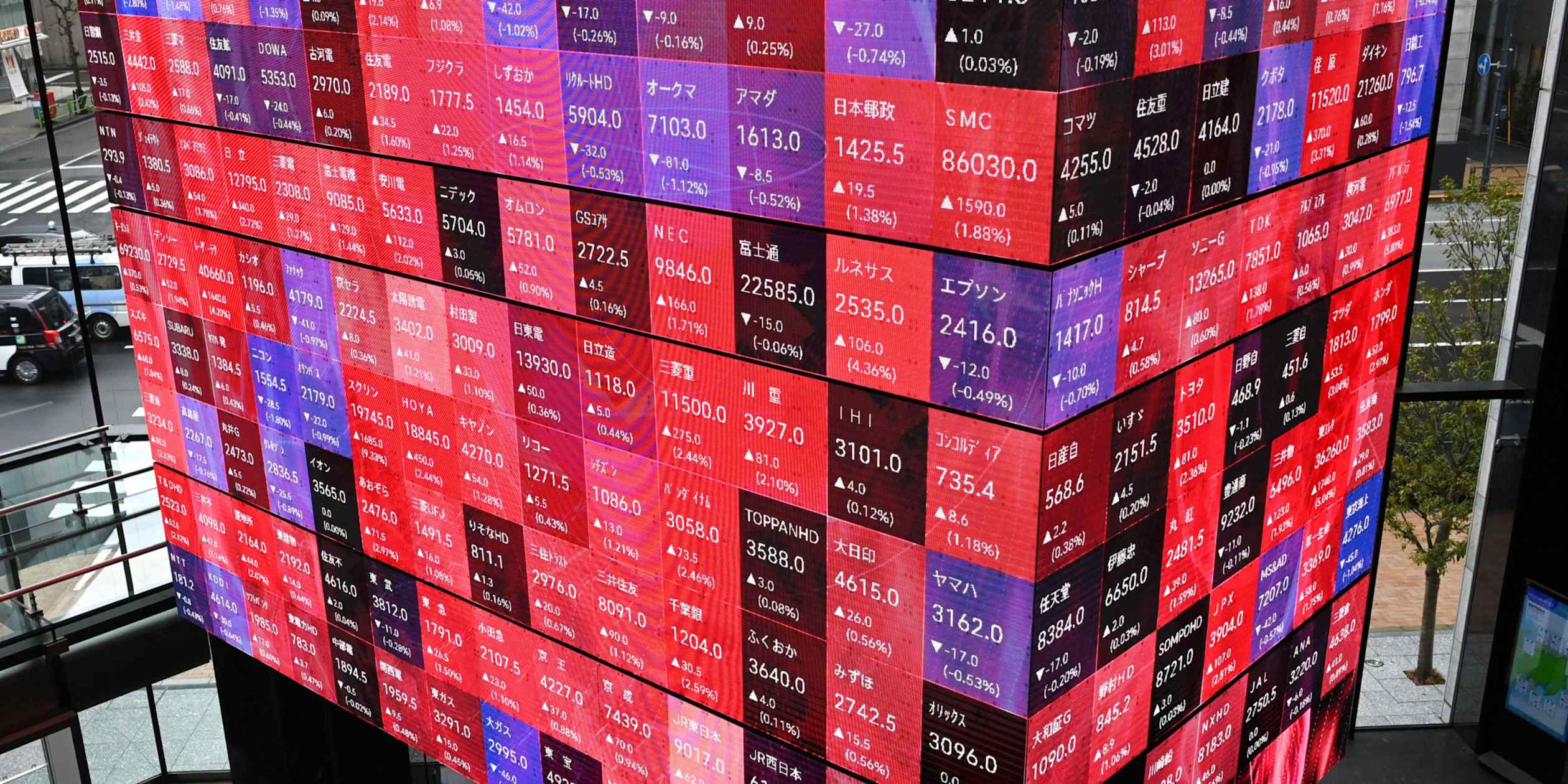
Japanese corporations are sitting on roughly $1.8 trillion in cash. To put that in perspective, that’s more than the entire GDP of Canada. And Japan’s regulators have finally decided it’s time for companies to actually do something with it.
The Financial Services Agency and the Tokyo Stock Exchange announced proposed revisions to Japan’s corporate governance code on June 11, with a singular focus: getting companies to stop treating their balance sheets like savings accounts and start deploying capital more productively.
Three decades of financial bubble wrap
To understand why Japanese companies hoard cash like squirrels preparing for an eternal winter, you have to rewind to the early 1990s. Japan’s asset bubble, one of the most spectacular in modern financial history, burst and left the country’s corporate sector deeply traumatized.
What followed was a prolonged era of deflation and economic stagnation. Companies responded by building enormous cash buffers, essentially insuring themselves against a repeat of the financial apocalypse they’d just survived.