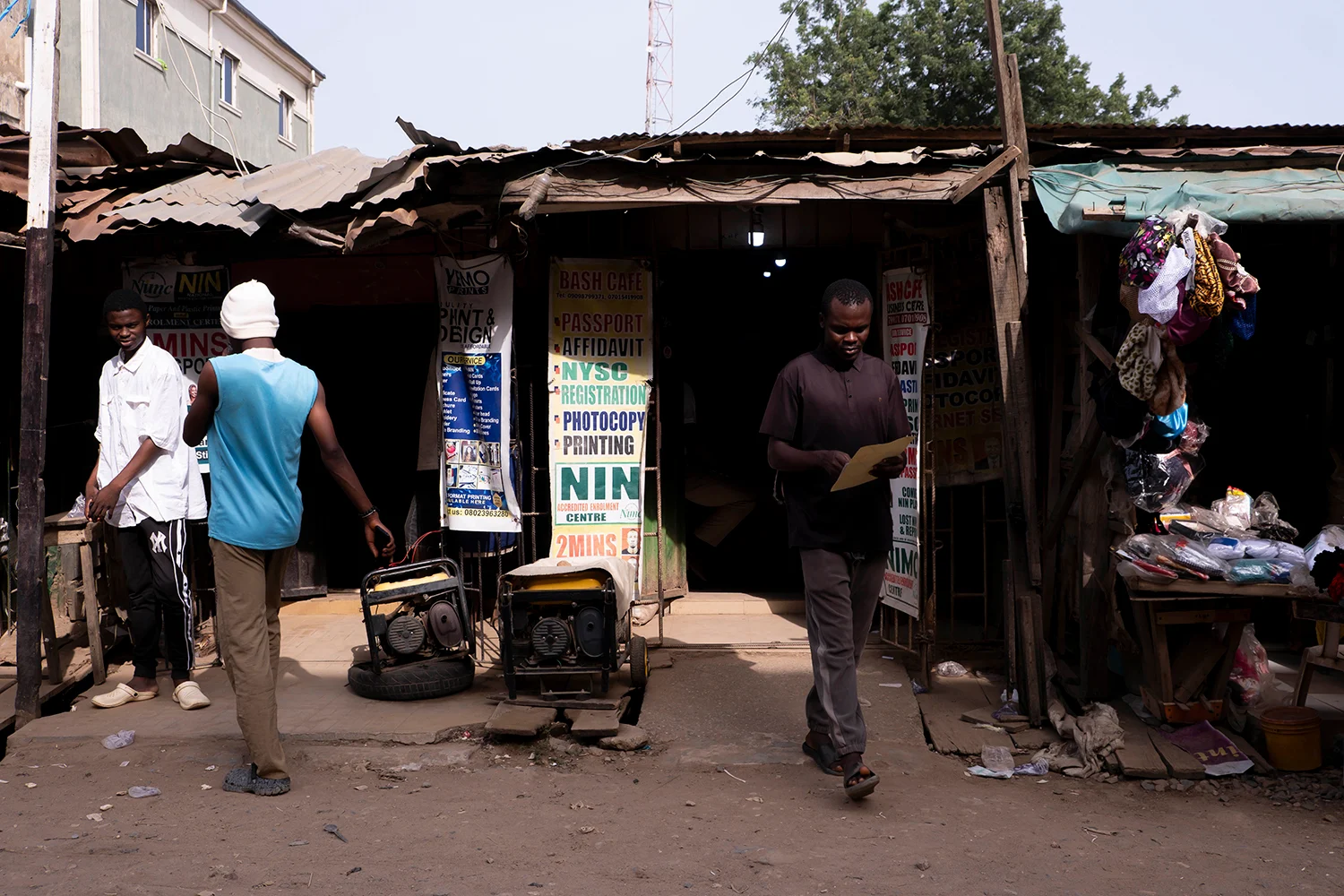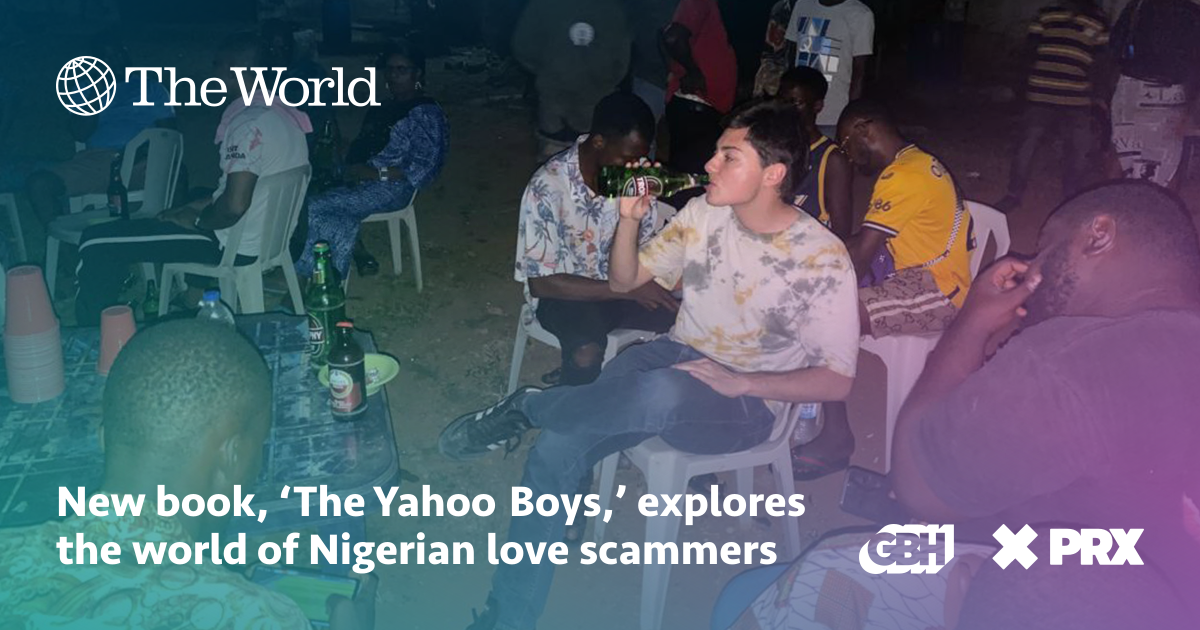
The FBI estimates that nearly $1 billion is lost to romance scams each year. You might remember This Is Uncomfortable’s story from a few years ago about Leigh Hendry, who lost $100,000 to a guy she dated online. We usually hear the victims’ perspective, but this week, host Reema Khrais talks with someone who spent a lot of time hearing from the other side, specifically from scammers living in Nigeria – “Yahoo boys” as they call themselves.Reporter Carlos Barragan spent years getting to know some of these young men, earning their trust and reporting the most intimate details of their lives. And what he found was a much more complicated story about the social and economic forces that push people into these crimes, and how they get at a larger global story about inequality and loneliness. Barragán’s new book is called, “Yahoo Boys: Love, Deception, and the Real Lives of Nigeria's Romance Scammers.”A few takeaways from this episode: Nigerian scamming tends to be decentralized. Barragán went to Nigeria expecting to find a hierarchical industry of scams, like the mafia, but instead, “I found that there were more people doing it than what I was expecting, and it was mostly unemployed young men, who were working by themselves pretending to be white people online.” All they need is a smart phone, and they can create fake profiles online to start scamming foreigners using script templates that are shared among peers. The justifications that scammers tell themselves: Barragán interviewed dozens of young scammers in Nigeria, asking why they’re drawn to this crime, and he found that the most common reasons were poverty and hunger: “The economic situation in Nigeria is so difficult that … there's no job for them that would provide as much as these scams provide.” The World Bank estimates that more than half of all Nigerians live in poverty.Peer pressure: Aside from financial circumstances, many Nigerian scammers fall into crime through peer pressure. “In my opinion, it's a very relatable story about young people feeling the pressure of doing something that the people around them are doing,” says Barragán. One young boy he talked to was celebrated by older teens when he earned his first $10 from a scam. “And suddenly this little boy discovered the power of money in a community ravaged by scarcity.”Scammers prey on victims’ loneliness, but it’s a factor on both sides of the equation. “At the beginning I was not expecting that loneliness was going to be so prominent in Nigeria as well,” Barragán told Khrais. “I think there is another sort of loneliness in not being seen, when every day just becomes a struggle to just put food on the table, to make money, it's quite hard to be seen by other people, even in your family.” Inevitably, some of them develop fondness for their victims, even as they continue to exploit them. He describes loneliness as “the problem of our times in our societies.”For your listening pleasure, we have compiled a Spotify playlist of our stories about scams and scammers. Check it out!And if you liked this episode, share it with a friend. And we want to hear from you! Let us know what you thought of the episode by calling 347-RING-TIU and leaving a message, emailing uncomfortable@marketplace.org or filling out the form below.
The secret lives of romance scammers
Journalist Carlos Barragán tells Reema Khrais what drives Nigeria’s “Yahoo Boys” to crime and how they profit from loneliness.
552 words~3 min read