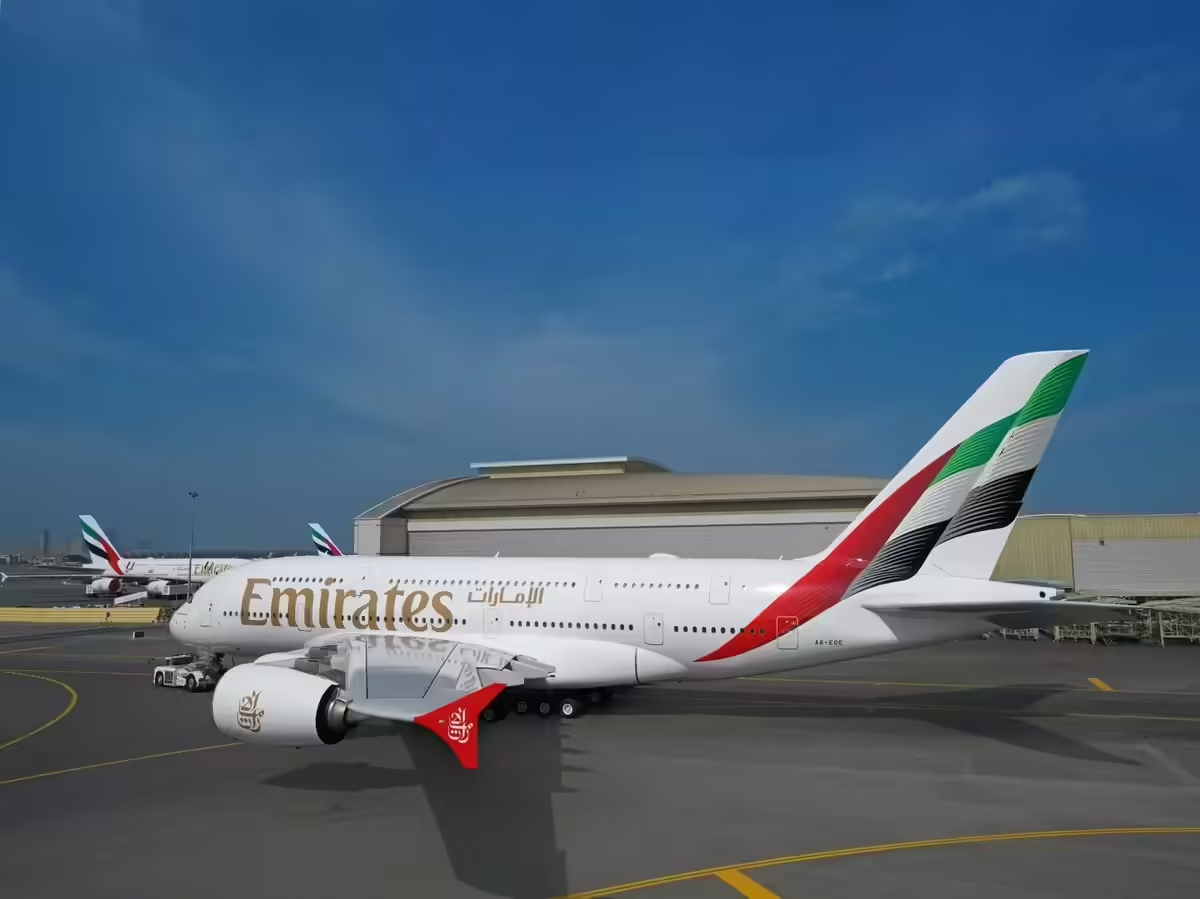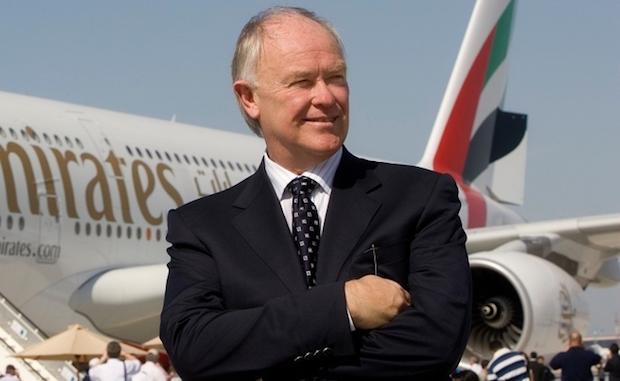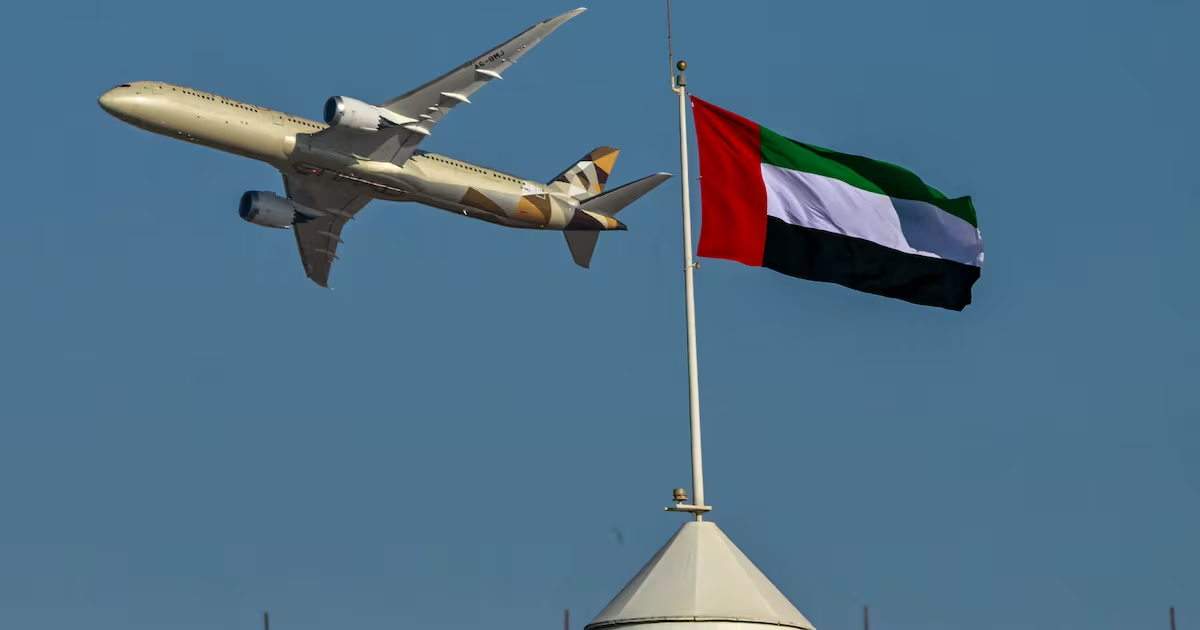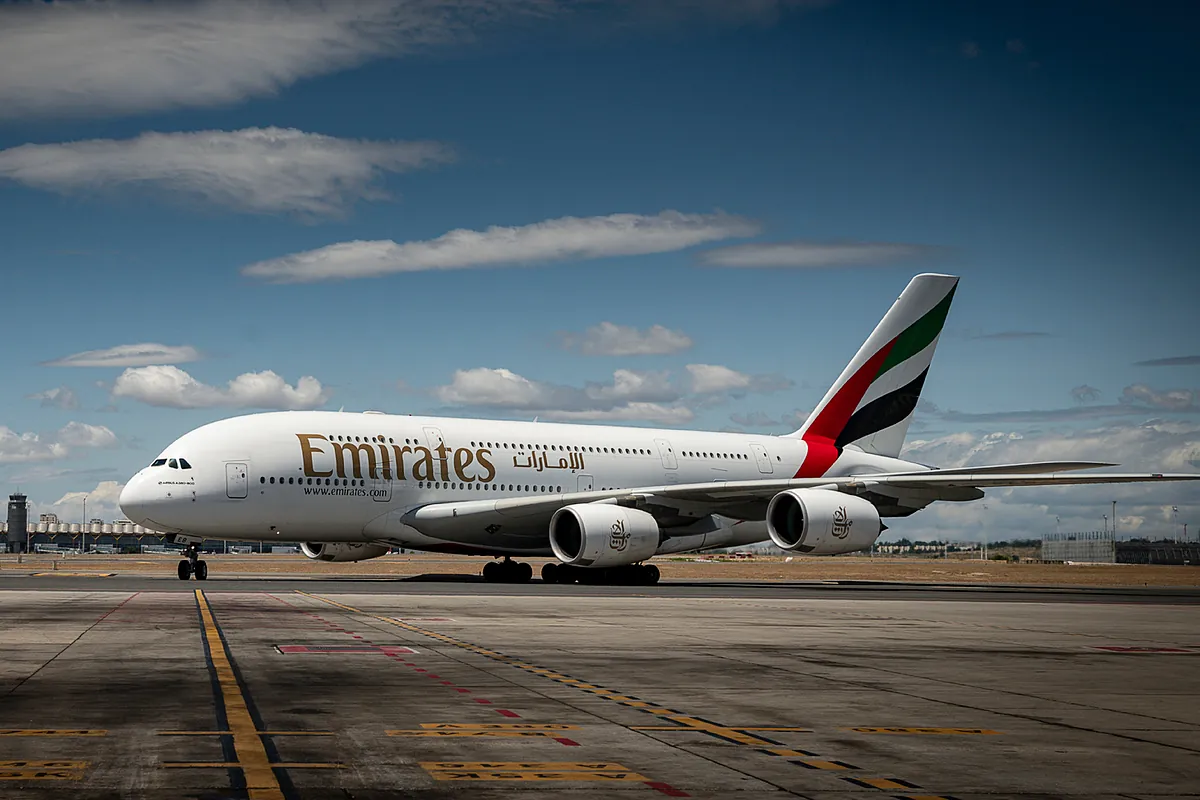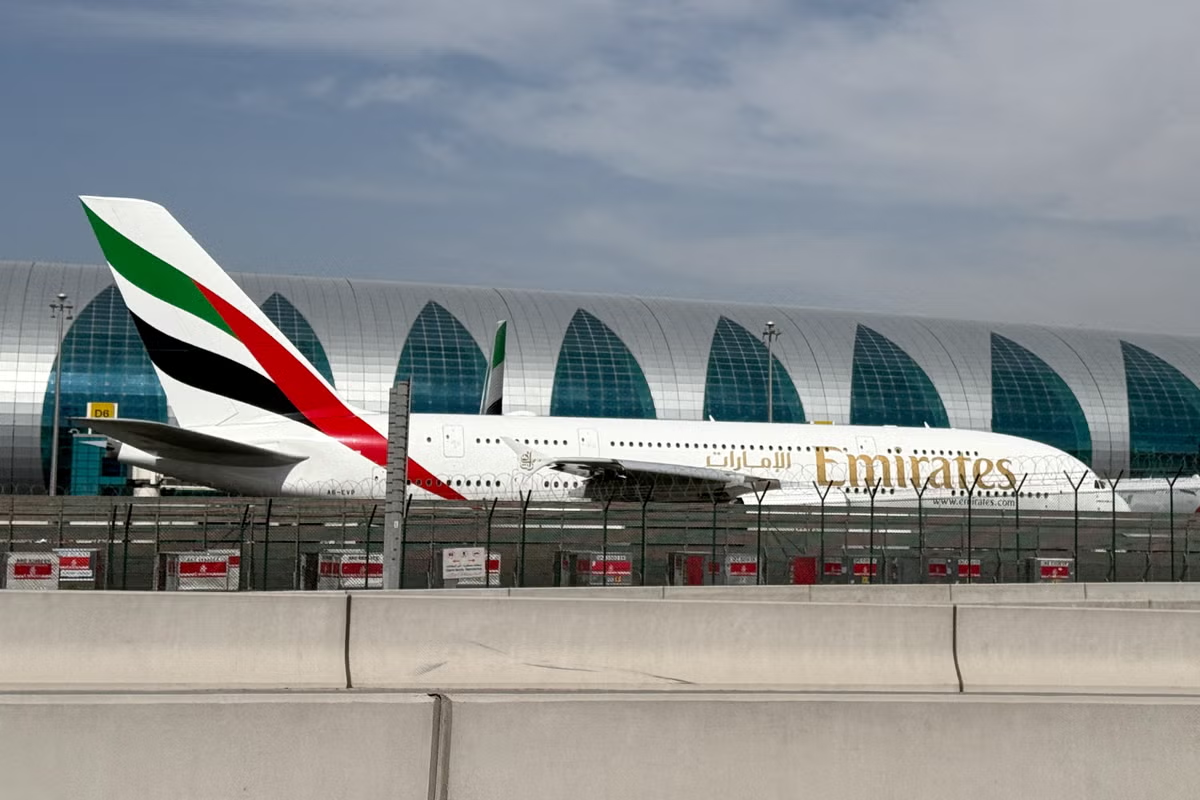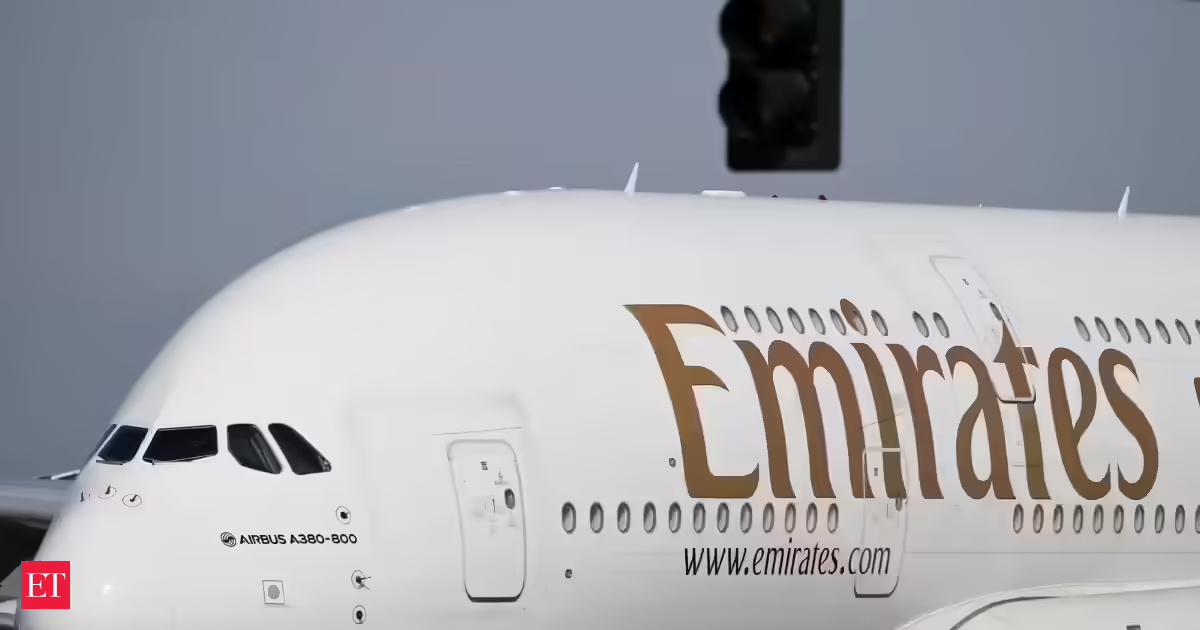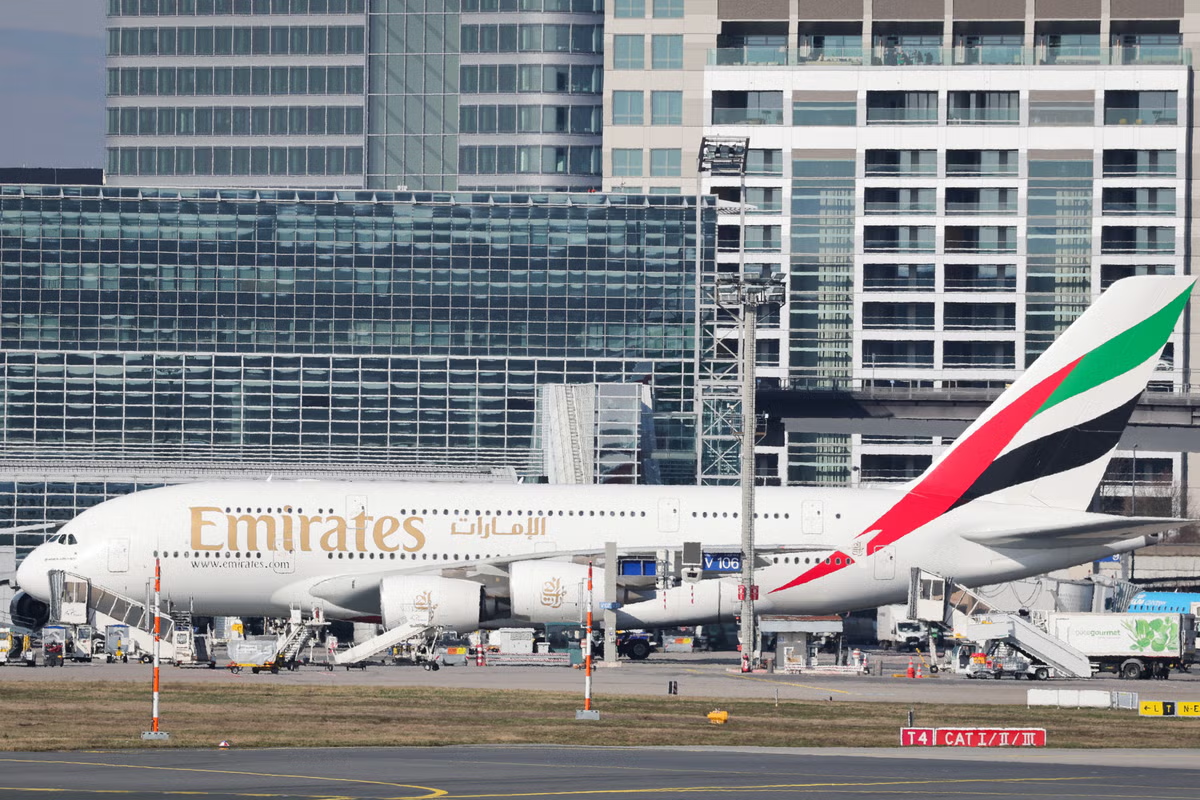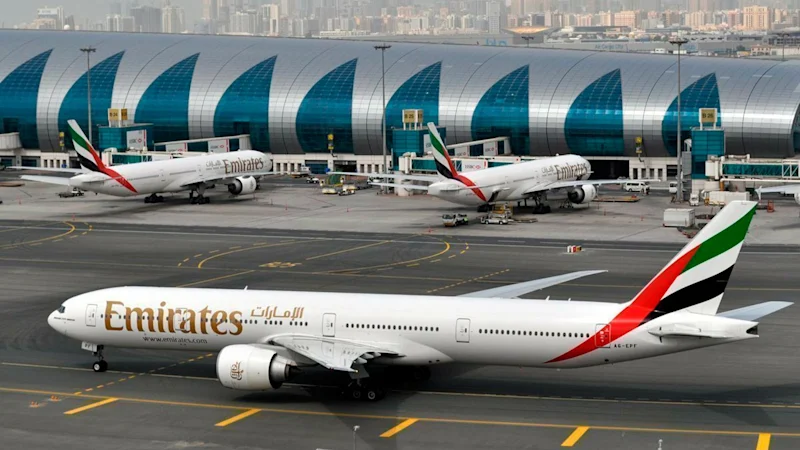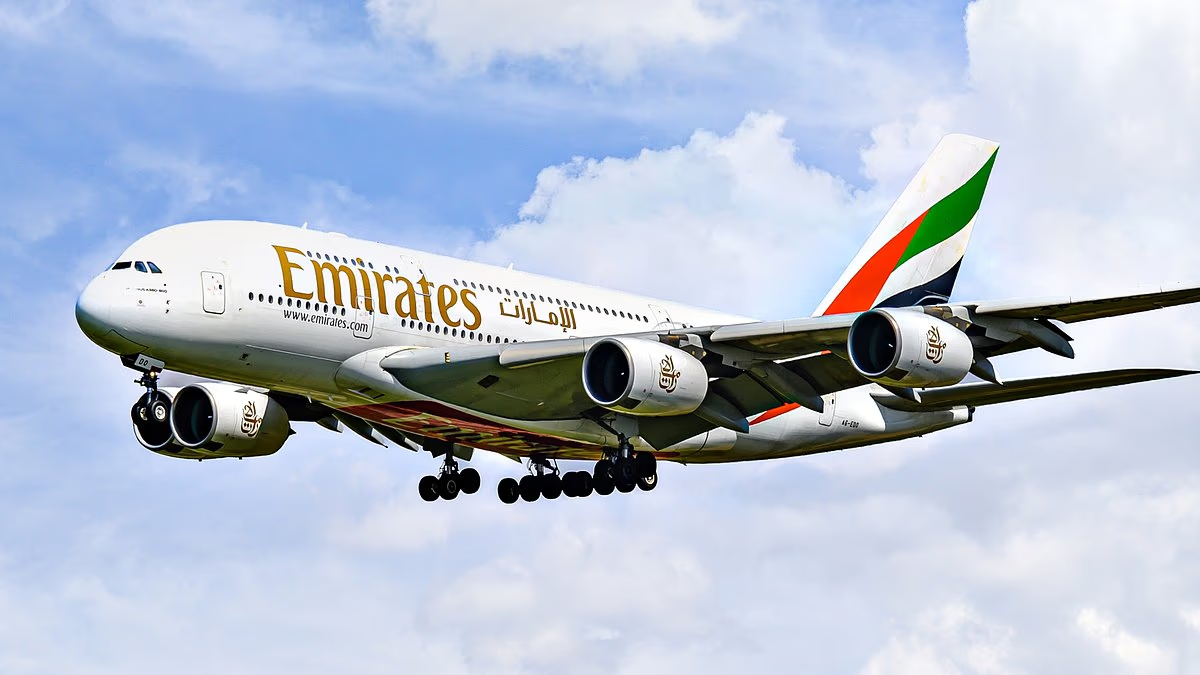
While governments worldwide warn against travel to the Middle East, Emirates is pulling out all the stops to bring passengers back to Dubai. For a city that had been hoping to welcome a record 20 million visitors this year - surpassing last year's 19.59 million tourists - Dubai is said to be losing as much as £450 million a day due to hotel closures and lost business. And now Emirates is offering insurance to convince tourists to fly into or through the glitzy UAE hotspot, which has been heavily impacted by the Iran-US-Israel war. The carrier's president Tim Clark announced that the airline will guarantee passengers get home - even booking them on rival carriers if necessary - to alleviate fears of travellers being stranded by escalating conflict.Emirates is currently negotiating with insurance companies to make this a 'reasonably priced' add-on for ticket holders. Clark said: 'I think one of the big concerns is that if they get caught overseas and they can’t get back. 'I think people can see what we’re doing, can see that it's OK to transit Dubai and go on to all the other places.' It comes as Emirates, which has formally dropped its original high-profit targets, recorded a small profit last week after restoring approximately 80 per cent of its pre-war network. While international carriers continue to suspend flights to Dubai, Emirates is pulling out all the stops to bring flyers to the UAE hotspot - by offering insurance and guaranteed journeys homeAs geopolitical unrest continues and peace talks break down, several countries across the world - including the UK - are upholding no-fly advisories that prevent travellers from securing insurance for trips through or to the Gulf. Even with these restrictions, Dubai International Airport has seen around 40,000 passengers pass through each day for transfers. The state-backed carrier reported a profit of $6.3bn (£4.71bn) in the 12 months leading to the end of March - though the figure would have been $7bn (£5.23bn) if not for the disruption caused by the war. Flights are 75 per cent full on average, and some London routes are completely sold out. While this traffic is down from the pre-conflict volume of roughly 100,000 daily passengers, Clark noted that the numbers are now growing rapidly. He further predicts that the crisis, which has doubled jet fuel prices, will lead to a 'complete overhaul' of global oil distribution. He confirmed the airline's continued dedication to its four-engine Airbus A380 fleet, calling it 'an enormous cash generator and profit generator'. As reported by the Financial Times, he said: 'The most important thing for the carrier is that it serves the needs of the emirate and two, that we can keep ourselves cash positive.' Despite ongoing disruption in the Middle East, Dubai International Airport (pictured) still sees around 40,000 passengers pass through each day for transfersClark noted that passenger numbers have rebounded faster than expected, and described last week's profit as an unexpected bonus.He added that the airline is 'well ahead' of its initial 'dreadful' loss estimates for the first quarter, which runs until the end of June. While Emirates promises passengers a speedy return to Dubai, British Airways has suspended most of its Middle East flights through to late October, as US peace negotiations with Iran stall. The airline announced earlier this month it is halting flights to four Persian Gulf destinations until its official summer schedule ends.British Airways will hold off on restarting flights to Amman, Bahrain, Dubai, and Tel Aviv until 25 October, though it hopes to resume flights to Doha and Riyadh in August. Part of the reason British Airways is resuming flights to Doha and not Dubai is because of its joint venture with Qatar Airways, which relies on connecting passengers through Doha. Dubai is also typically a quieter route during the hot summer months, when travel demand tends to fall.In recent weeks, a number of airlines that operate from the UK have extended flight suspensions to destinations in the Persian Gulf throughout much of the summer season, while some have recommenced routes to Israel.Low-cost carrier Wizz Air resumed flights to Tel Aviv on 28 May, while flights to Abu Dhabi, Amman and Dubai from destinations across Europe remain halted until mid-September.
Emirates offering insurance to tempt passengers back to Dubai
Emirates President Tim Clark confirmed the carrier will guarantee passengers a flight home, even booking them on rival carriers if necessary, to prevent anyone from being stranded.
706 words~3 min read