Story audio is generated using AI
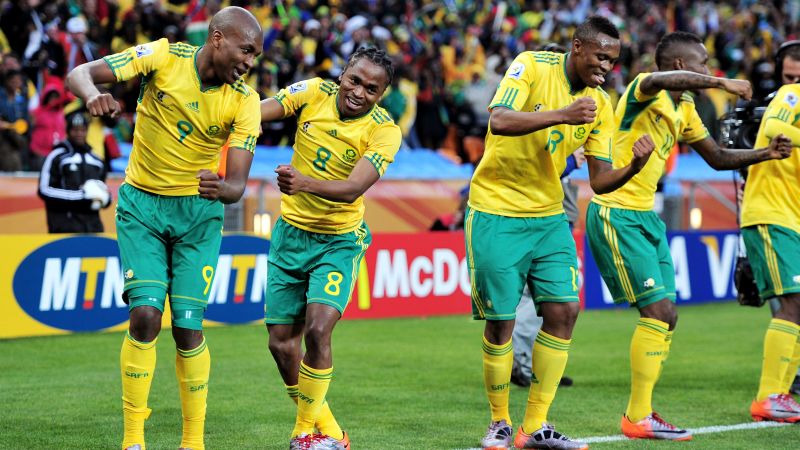
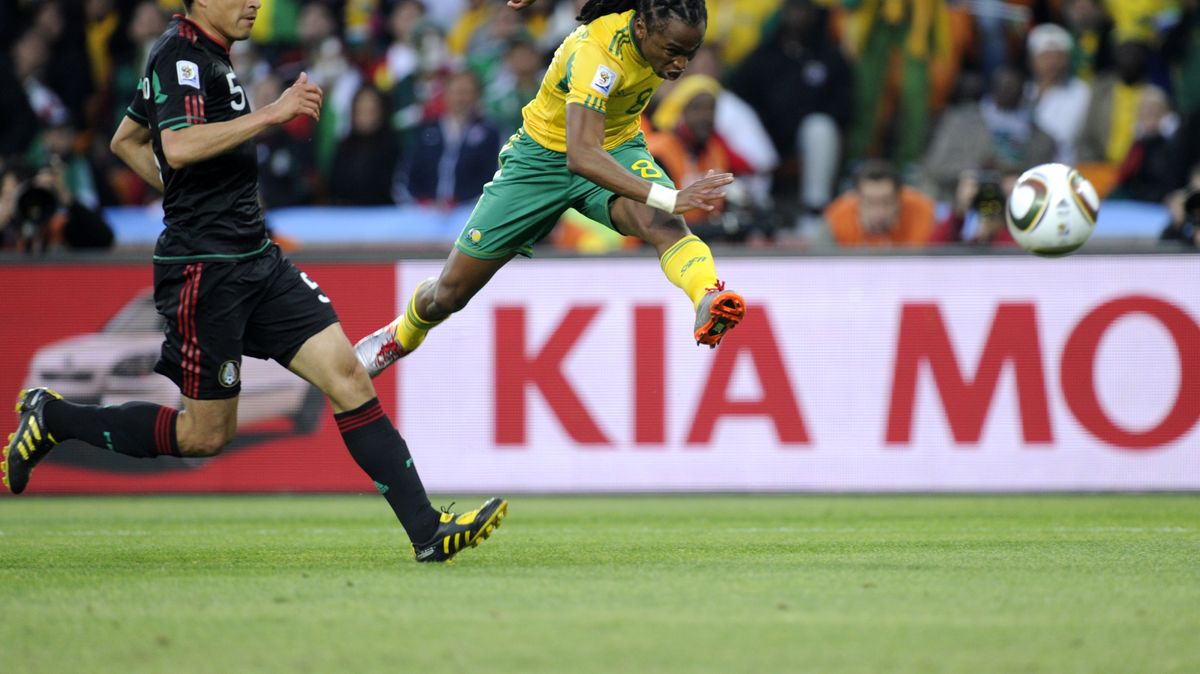
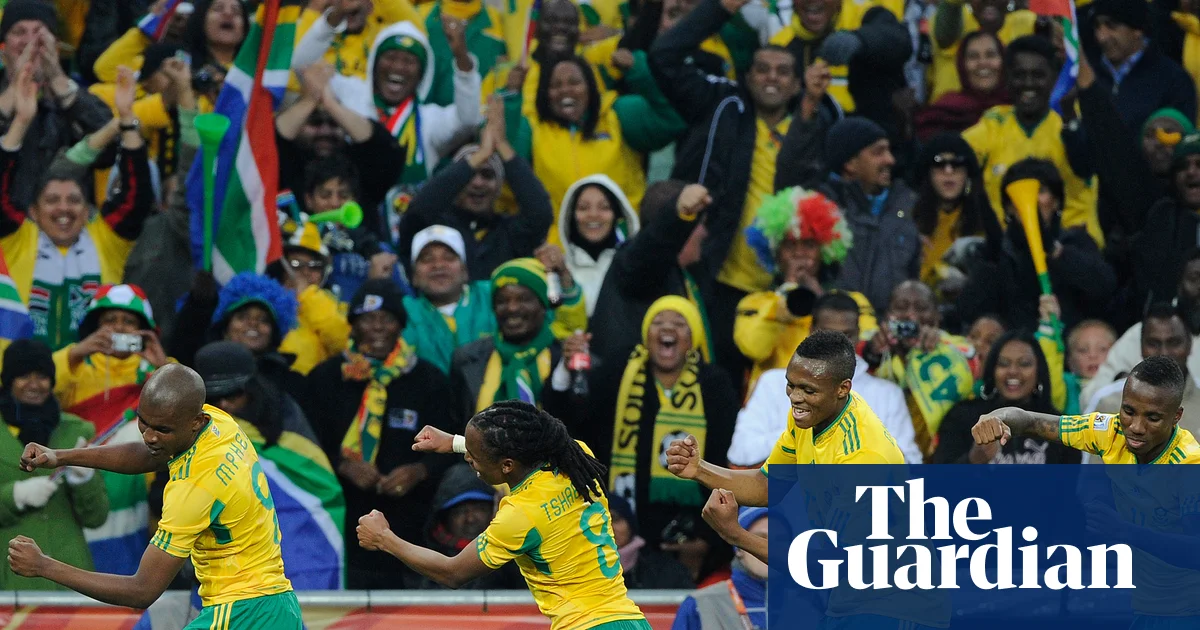
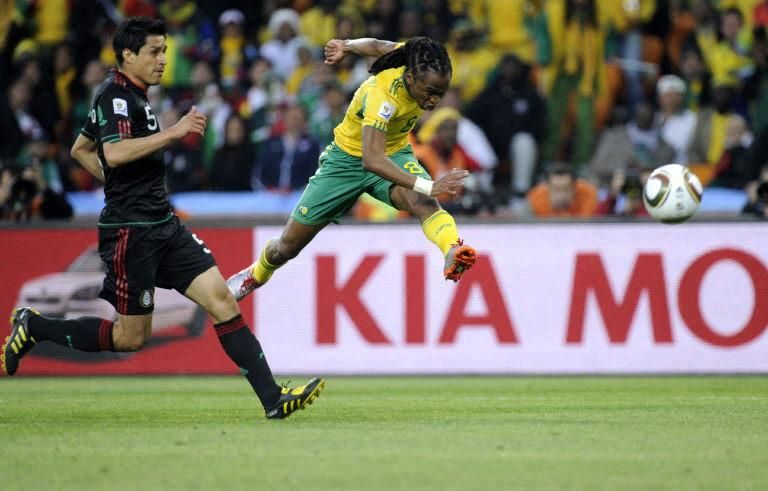
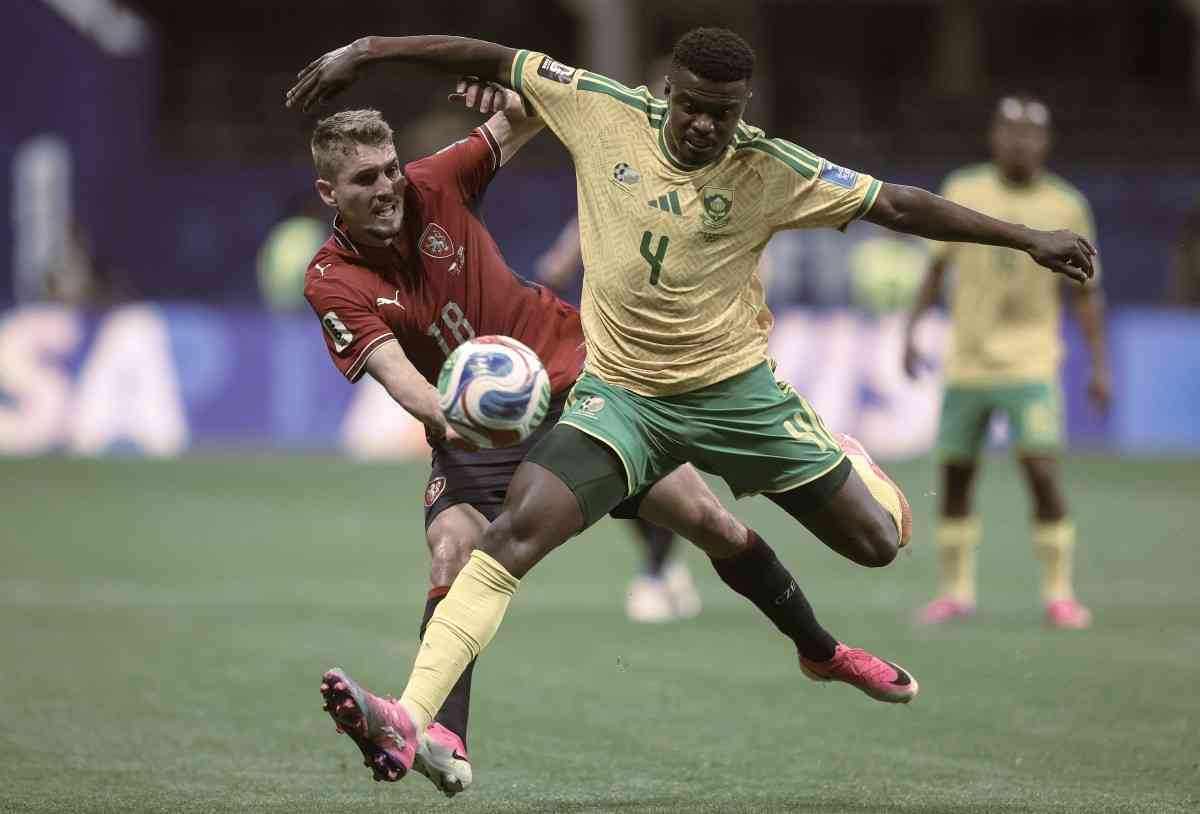
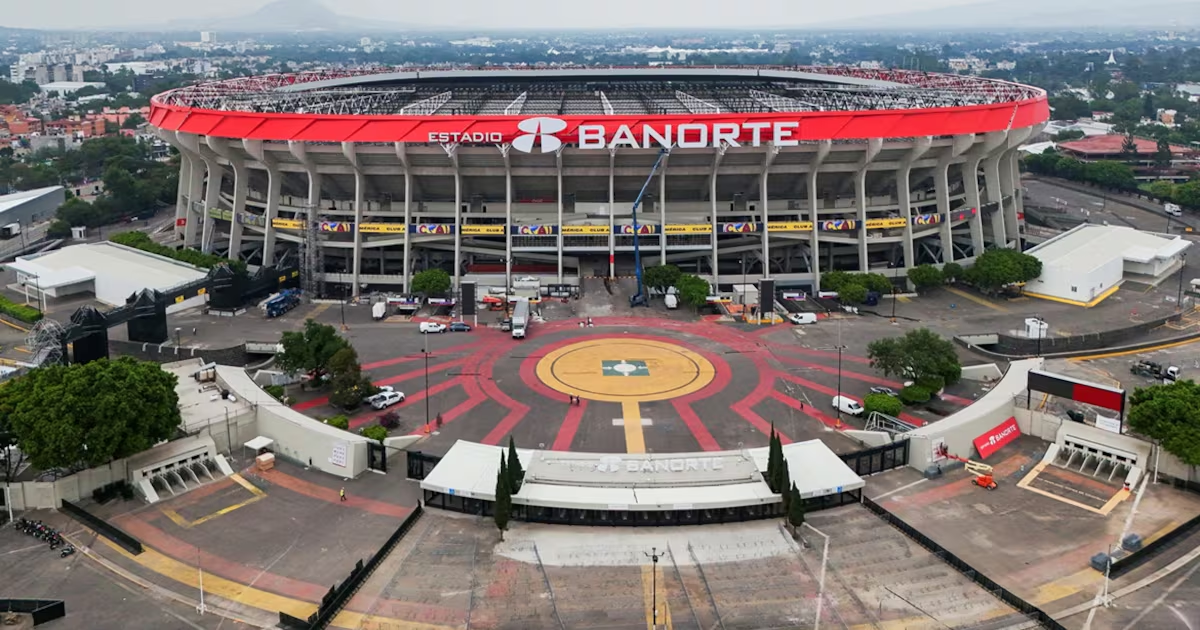
In 2010, at Africa’s first Fifa World Cup, Siphiwe Tshabalala scored the opening goal of the tournament against Mexico. I was in the stadium, and that moment was unforgettable for all South Africans. The celebration became iconic and set the scene for what was to be an incredible Fifa World Cup. As a proud South African I remember the sense of pride that moment created, not only on the pitch but across the country. It was about far more than football. It reflected the optimism, confidence and ambition of a nation welcoming the world onto African soil.Today, 16 years after opening a home World Cup against Mexico, South Africa again finds itself facing the same opponent in the tournament’s opening match, this time on their home turf.Having worked on every Fifa men’s and Fifa women’s World Cup since 2010, what strikes me most is not the familiarity of the fixture. It is how much the tournament itself has evolved. The Fifa World Cup remains the biggest event in sport. It has also become one of the world’s largest cultural movements, providing a significant platform for economic activity, community engagement and opportunity.Nothing illustrates that better than the scale of the 2026 tournament. For the first time 48 nations will compete across three countries and 16 host cities. There will be 104 matches played over six weeks. When people ask me how big that is, I often use a simple comparison. Imagine organising 104 Super Bowls in six weeks. Each match requires transport and medical networks, digital infrastructure, payment systems, hospitality operations, food and beverage, media distribution, security planning and community engagement.There is little doubt the Fifa World Cup accelerated infrastructure investment, boosted tourism and showcased South Africa to a global audience on an unprecedented scaleMultiply that by 104 and you begin to appreciate why the tournament has evolved into far more than a sporting event. With more than 6.6-million fans expected in stadiums and a cumulative broadcast audience of 6-billion, the numbers begin to tell the story.BofA Global Research recently estimated the 2026 Fifa World Cup could contribute about $41bn to global GDP and support more than 800,000 jobs worldwide. Those figures highlight how the tournament extends well beyond the pitch. At Bank of America, our decision to become the first-ever official global banking partner of the Fifa World Cup reflects that evolution. The tournament is at the intersection of many of the forces that drive economic growth and business activity. It brings together communities, businesses and institutions on a truly global scale. Yet perhaps the most interesting aspect of the World Cup is not its size. It is what that scale makes possible. The most successful sporting events create opportunities that extend well beyond the competition itself, but doing so requires investment, commitment and collaboration over many years. Their legacy is rarely defined by the event alone, but by what remains afterwards. That is certainly how I think about our partnerships, from the Fifa World Cup to the Great Ethiopian Run in Addis Ababa later this year.When South Africa won the right to host the 2010 Fifa World Cup, many questioned whether the country could successfully deliver an event of such magnitude. The answer was emphatic. South Africa hosted one of the most memorable World Cups in modern history in true African style. The economic legacy of the tournament will continue to be debated, as it should. The long-term impact of major sporting events is rarely straightforward. However, there is little doubt the Fifa World Cup accelerated infrastructure investment, boosted tourism and showcased South Africa to a global audience on an unprecedented scale. They create connections, build confidence and strengthen communities in ways that can endure for generations. That is part of what makes the Fifa World Cup such a powerful platformMore than 300,000 international visitors travelled to the country specifically for the tournament, while billions around the world experienced the country through a different lens. More importantly, it demonstrated capability. For a month, South Africa became the story rather than the stereotype. It showed the world what the country could achieve when ambition was matched by execution. The tournament showcased South African innovation, resilience, hospitality and ambition to a global audience. It demonstrated the country could successfully deliver one of the most complex events on earth.The impact of a World Cup is often discussed in economic terms. And rightly so. Major tournaments drive investment, support jobs, boost tourism and create opportunities for businesses and communities. But their influence rarely ends there. They create connections, build confidence and strengthen communities in ways that can endure for generations. That is part of what makes the Fifa World Cup such a powerful platform.It is 16 years since Tshabalala’s strike lit up Soccer City, South Africans are still talking about that moment. Few global platforms have the ability to create measurable impact and memories that endure for decades. That may be what the Fifa World Cup teaches us about ambition and opportunity. The greatest opportunities are not always defined by what happens during the event itself. They are defined by what remains long after the final whistle. Like so many others, the Fifa World Cup in South Africa gave me a wonderful platform to build an incredible career, and in so doing export African talent onto the world stage and give us a seat at the table.• Ross is head of global partnerships and social media marketing at Bank of America.