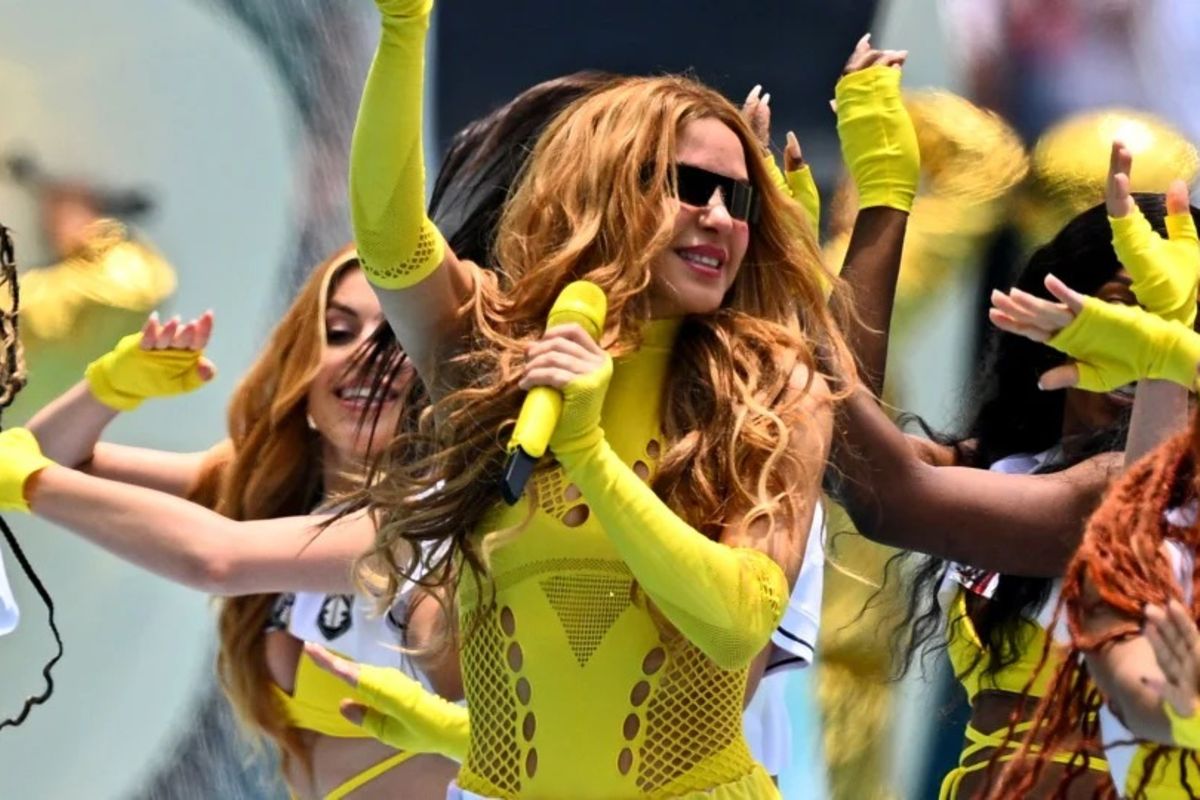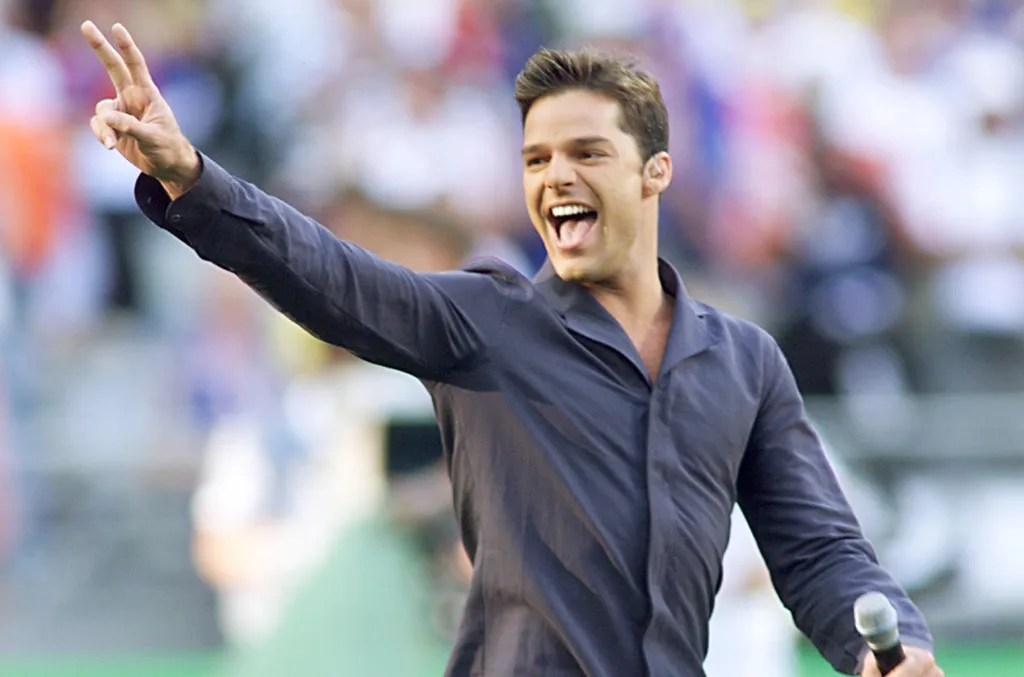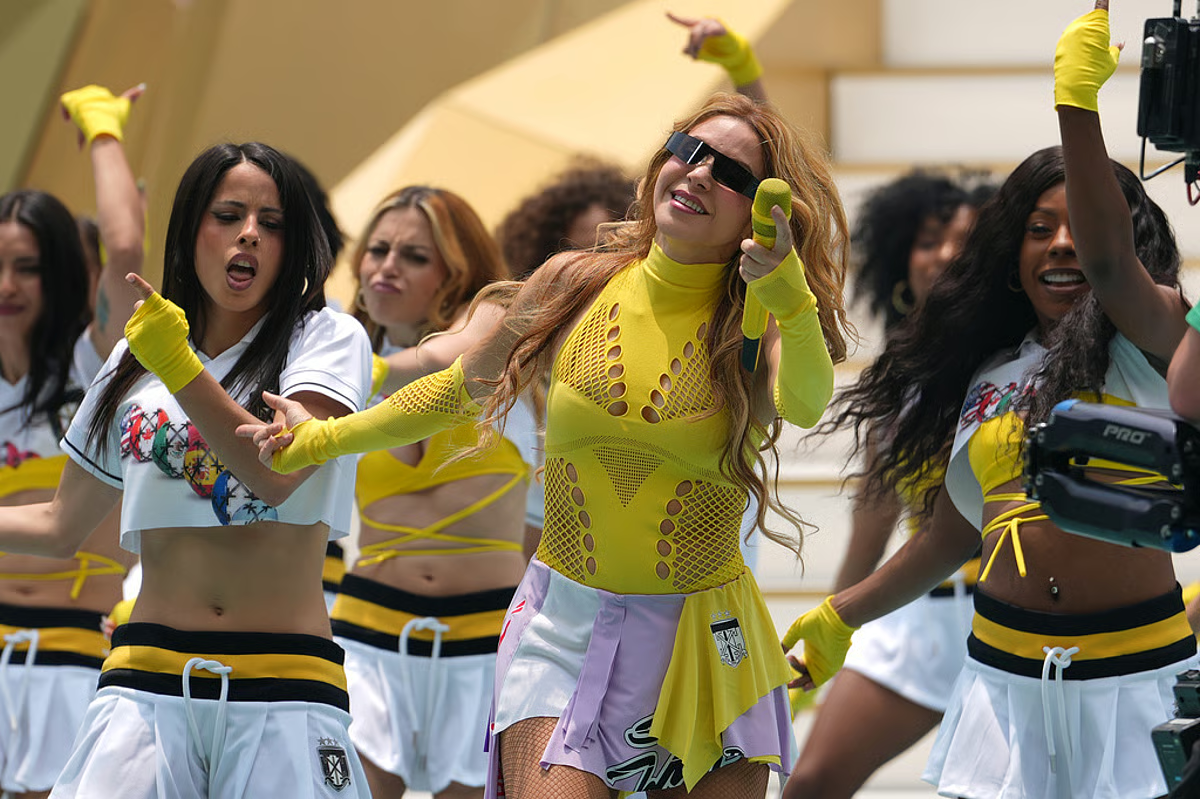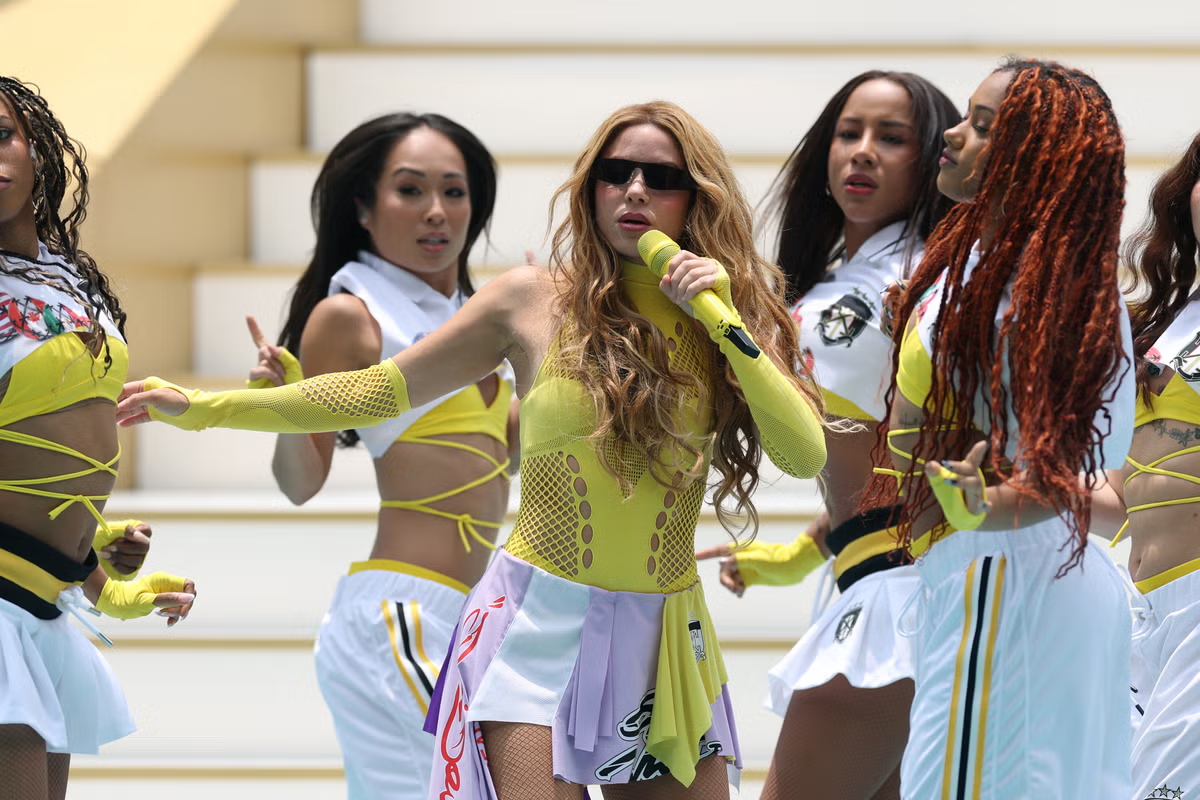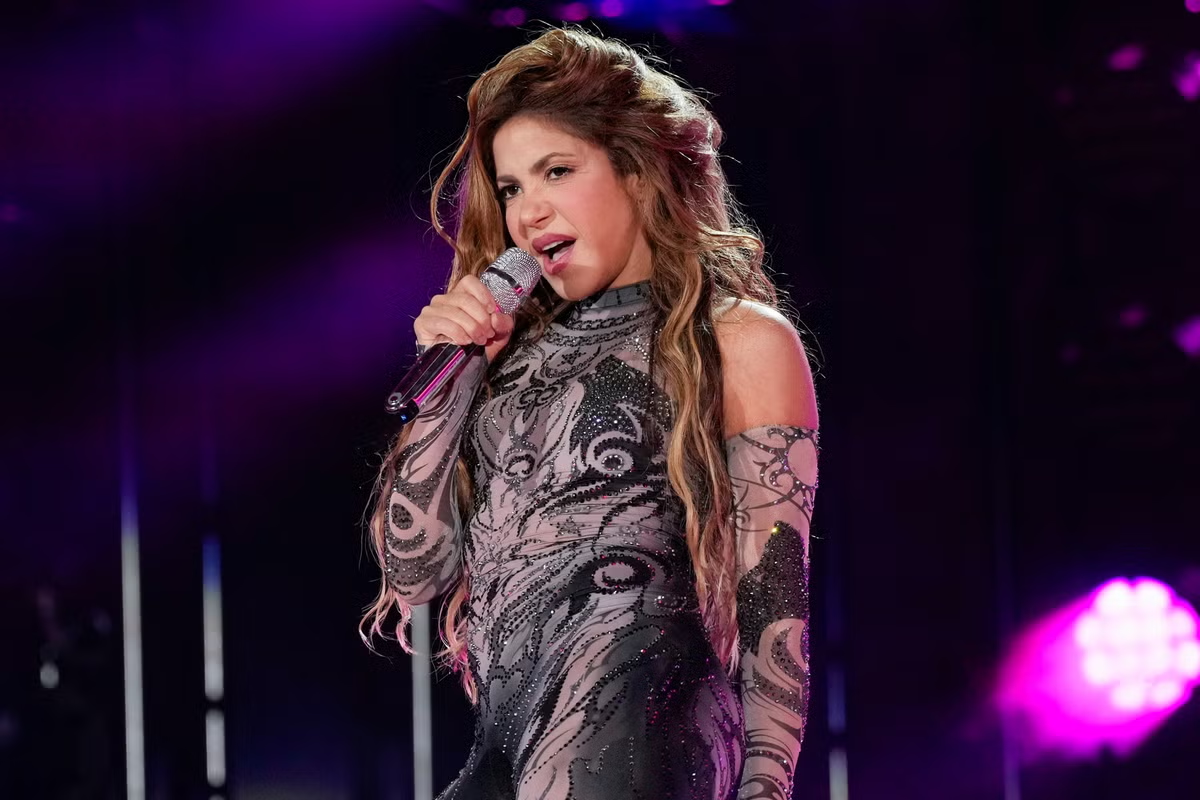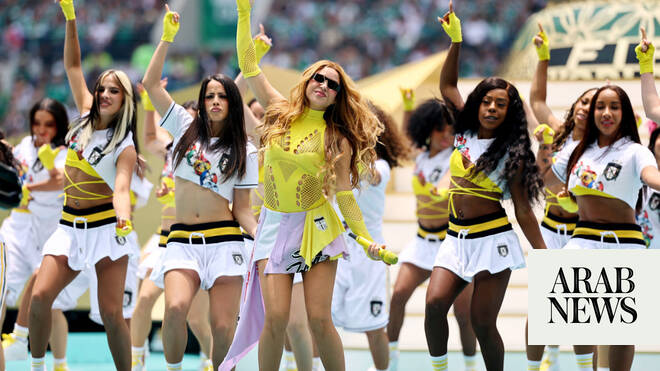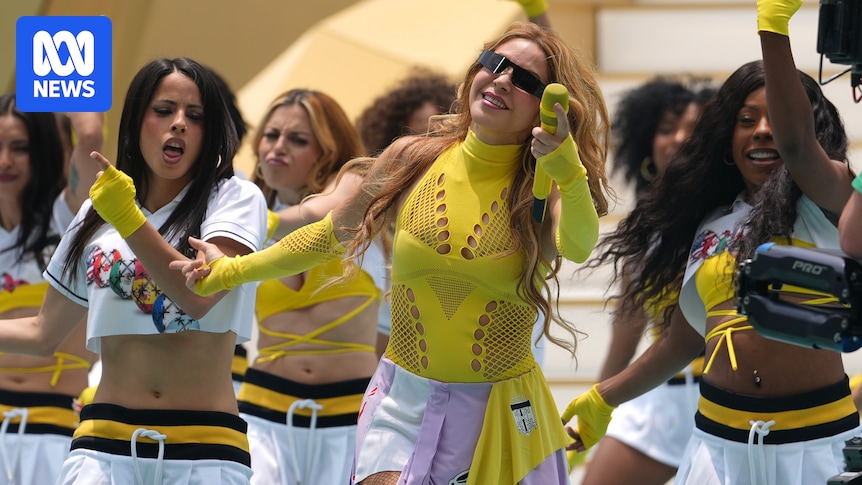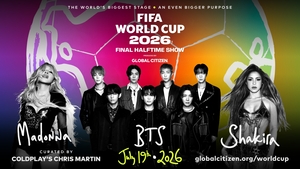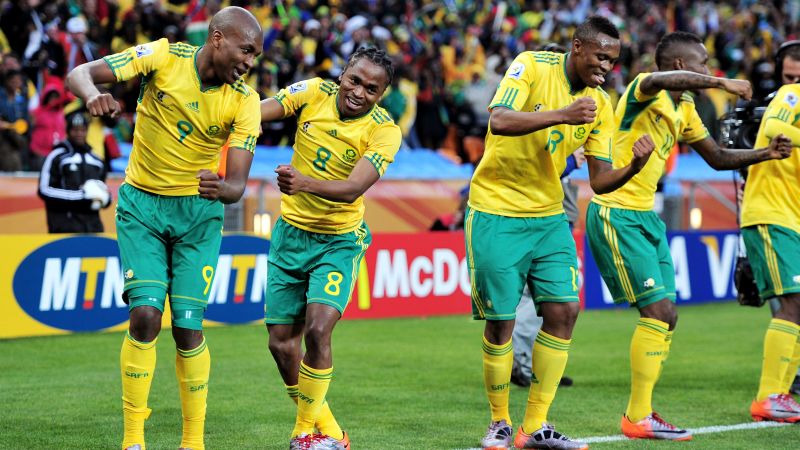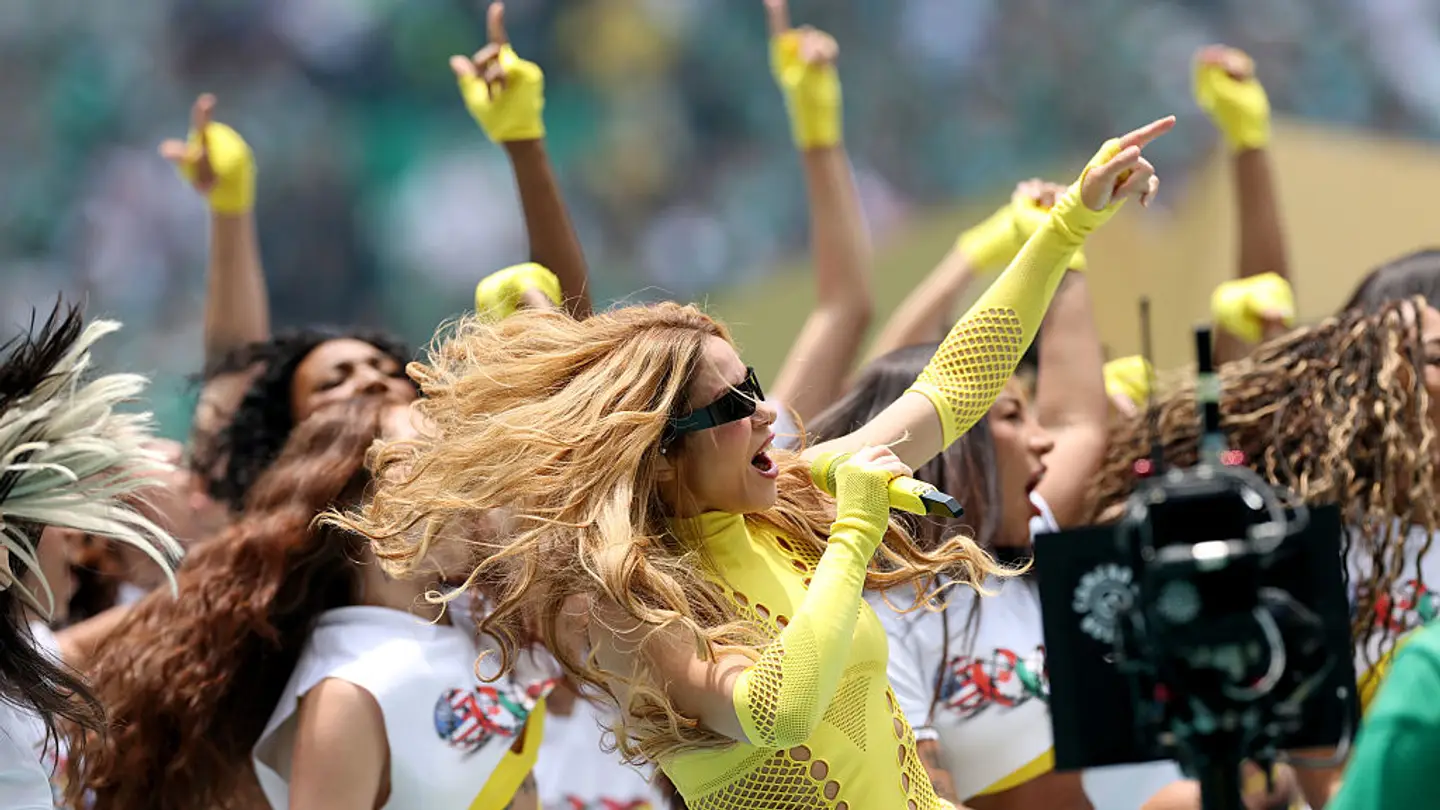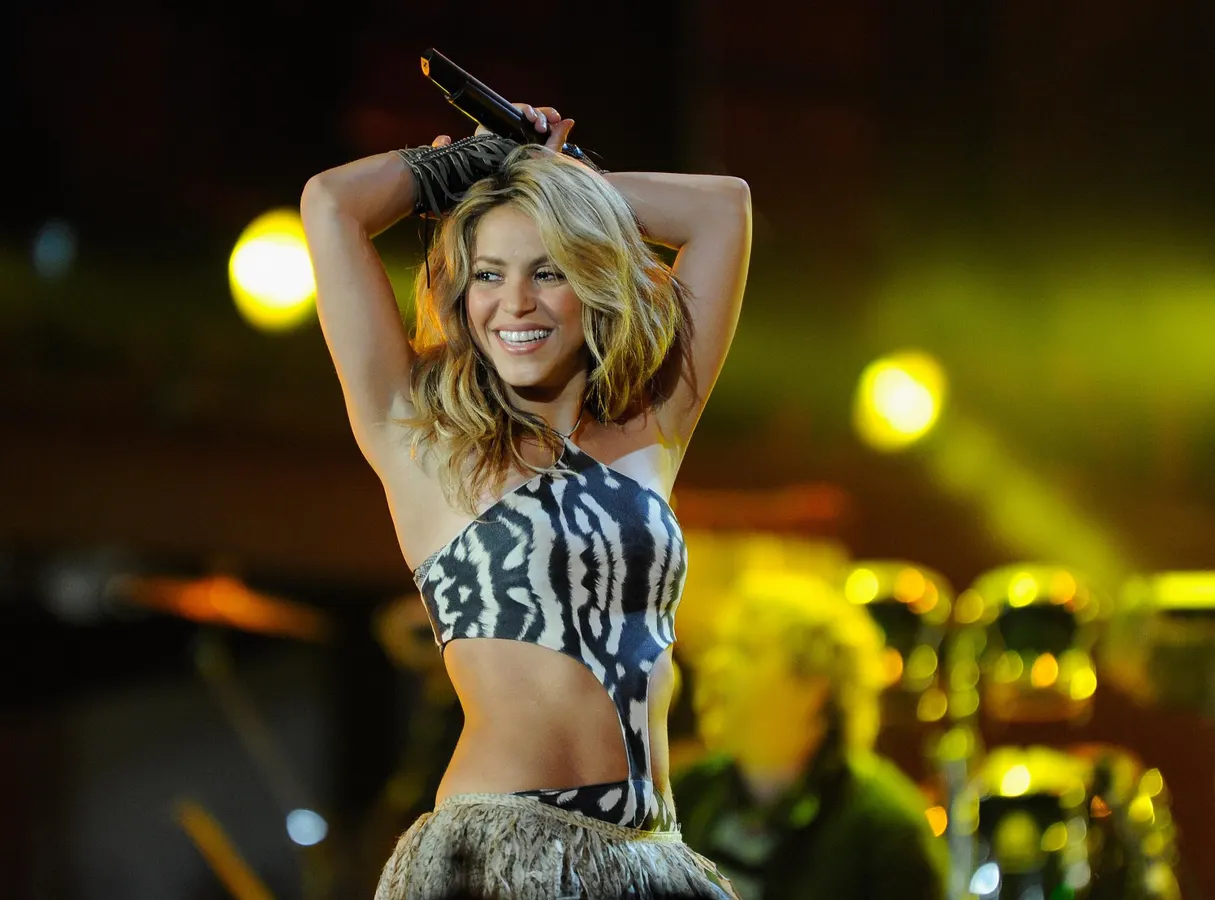
JOHANNESBURG, SOUTH AFRICA - JUNE 10: Shakira performs a song during the kick-off celebration concert for the 2010 FIFA World Cup at the Orlando Stadium on June 10, 2010 in Soweto, South Africa. (Photo by Stuart Franklin/Getty Images)Getty ImagesThere’s a strange thing that happens every four years. Long before the first whistle, before the first slide tackle or last-minute penalty heartbreak, the emotion of the tournament is already known. Not through tactics or squads—but through a song.Each FIFA World Cup doesn’t just arrive with teams. It arrives with a soundtrack that becomes memory, mood, and movement all at once. These tracks don’t just play in stadiums—they linger in kitchens, taxis, street parties, and late-night scrolls. And if you listen closely, they don’t just tell you what football sounded like that year… they tell you what the world felt like at that moment.This isn’t a playlist. It’s a time machine disguised as pop music. A collection of moments, memories, and melodies that somehow found a way to outlive the trophy lift.1990 — Italy: When Football Learned To Sing In Widescreen Emotion“Un’estate italiana” — Gianna Nannini & Edoardo BennatoBefore global marketing had a blueprint, this was pure feeling. “Un’estate italiana” (also known as “To Be Number One”) wasn’t just a theme—it was a slow-burning anthem of hope wrapped in Mediterranean warmth.It set the tone for what followed: the World Cup wasn’t just sport anymore. It was cinema.MORE FOR YOU1994 — USA: Stadium Optimism Goes Global“Gloryland” — Daryl Hall & Sounds of BlacknessThis was the era where the tournament stepped into American scale—big vocals, bigger production, pure uplift.“Gloryland” felt like a halftime show and a prayer at the same time. It turned football into something broadcast-ready for a global audience just beginning to grasp how massive the game could become.1998 — France: The Moment Football Went Full Pop Culture“La Copa de la Vida” — Ricky MartinThis was the turning point. Suddenly, the World Cup didn’t just have a song—it had a global hit.“La Copa de la Vida” wasn’t background music. It was the event. Stadiums became dance floors, and football highlights started feeling like music videos. The sport officially entered its pop era—and never looked back.2002 — Korea/Japan: Futurism Meets Bounce“Boom” — AnastaciaThis was early-2000s energy in audio form: metallic confidence, pop-rock punch, and the sense that the tournament had entered a truly global, tech-age stage.It hit like a pre-match adrenaline shot—less romance, more ignition. Built for an era obsessed with speed, spectacle, and possibility, the song captured a World Cup looking firmly toward the future rather than reflecting on the past. It wasn't trying to be timeless; it was trying to feel immediate—and in that moment, it did.2006 — Germany: Opera Meets Stadium Lights“The Time of Our Lives” — Il Divo & Toni BraxtonThis one didn’t rush. It soared.A duet that felt equally at home in a stadium and a cathedral, it reflected a World Cup obsessed with legacy—where every match felt historic before it even began. The production carried a sense of scale, swelling with orchestral weight and emotional lift, framing the tournament as something larger than sport. It wasn’t just about winning or losing anymore—it was about permanence, moments designed to be remembered the second they happened.2010 — South Africa: The Moment Football Got Its Heartbeat“Waka Waka (This Time for Africa)” — ShakiraIf World Cup songs had a crown jewel, this might be it.“Waka Waka” wasn’t just a song—it was movement, identity, and global unity compressed into rhythm. It made football feel like a shared pulse across continents, and it still echoes in stadium chants today. What set it apart wasn’t just reach, but permanence—it didn’t fade after the tournament, it embedded itself into football culture. It didn’t just capture a moment in time, it defined what a global sporting anthem could be.2014 — Brazil: Joy, Chaos, And Neon Sunlight“We Are One (Ole Ola)” — Pitbull ft. Jennifer Lopez & Claudia LeitteThis was pure festival energy—tropical, loud, and rooted in Brazilian spirit.It leaned fully into celebration mode: football as carnival, where the vibe mattered as much as the result. Set against a backdrop of social protests around infrastructure and public spending, the tournament still projected unity through spectacle. The song didn’t contain the energy—it amplified it, turning every match into a moving street celebration spilling beyond the stadium.2018 — Russia: Global Remix Era Unlocked“Live It Up” — Nicky Jam ft. Will Smith & Era IstrefiAt this point, World Cup songs became fully algorithmic in the best way: global stars, cross-genre fusion, streaming-era polish. “Live It Up” felt like a playlist shuffle that somehow made sense—reggaeton rhythm, Hollywood charisma, and European pop energy colliding for maximum reach.It wasn’t about a single emotional core anymore, but engineered universality: louder, faster, more interconnected. Even if it didn’t aim for permanence like earlier anthems, it captured its era—a soundtrack designed not just to be remembered, but to circulate.2022 — Qatar: The Sound Of Connection In Fragments“Hayya Hayya (Better Together)” — Trinidad Cardona, Davido & AishaThis was the World Cup of layered soundtracks, but “Hayya Hayya” stood as the emotional spine: soft, hopeful, and built around the idea that distance disappears when the game begins.It felt less like a global anthem and more like a group chat turned into music.2026 — North America: The Sound Of A Global Tournament“DNA” — Andrea Bocelli, David Guetta, Megan Thee Stallion & EJAEBy 2026, the FIFA World Cup soundtrack had become a reflection of the tournament itself—global, multilingual, and increasingly collaborative. “DNA” brings together artists from different genres and generations, blending operatic vocals, electronic production, hip-hop, and pop into a single anthem.More than any individual sound, the track emphasizes scale. Its mix of influences mirrors a World Cup hosted across North America and watched by billions around the world.In 2026, the anthem doesn’t just introduce the tournament. It reflects how global the game has become.What If The Songs Are The Real Tournament?Here’s the part nobody says out loud: the winners change every four years, but the songs don’t retire. They accumulate. Line them up and you don’t get a playlist—you get a parallel history of global emotion: the optimism of the ’90s, the expansion of the 2000s, the viral joy of the 2010s, the fragmented togetherness of the 2020s.Football is the sport. But these songs? They’re the memory system.And maybe the real tournament isn’t on the pitch—it’s in the songs already playing in your head since kickoff.
When The Globe Sang Football: The Soundtrack Of FIFA World Cup History
A global journey through every FIFA World Cup anthem, exploring how each official song shaped the emotion, culture, and memory of football’s biggest stage.
TL;DRAI
World Cup anthems evolved from ballads to cross-genre fusions: "Waka Waka" (2010) became template, "DNA" (2026) unites disparate genres. Global reach now requires algorithmic multi-artist collaboration—essential pattern for executives scaling messages in fragmented audiences.
1,068 words~5 min read