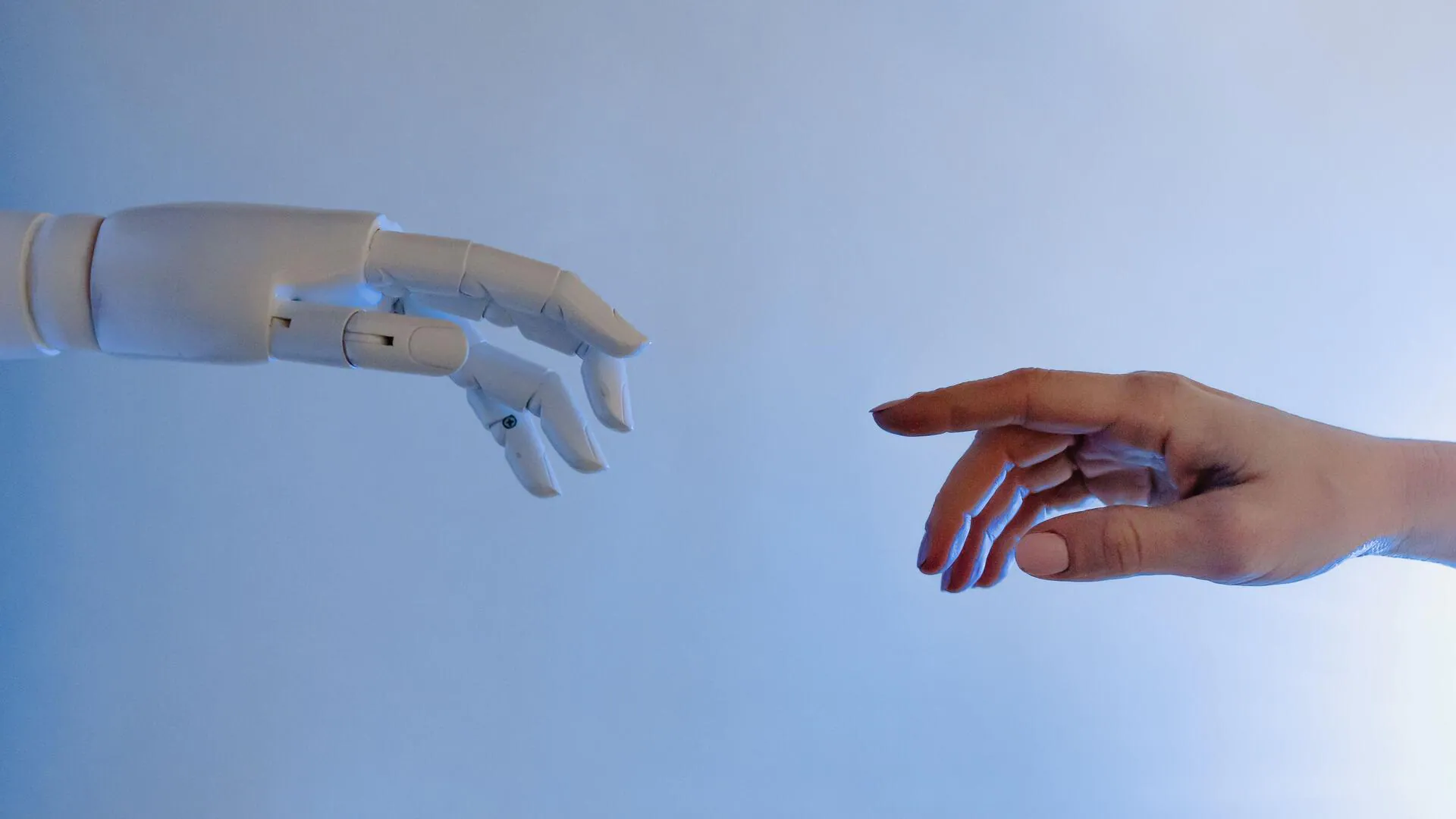
There is a seductive fantasy being floated by AI executives that all the efficiency their products will bring us will lead to humans finally returning to their essential, best selves. Picture it: when this day arrives, we’ll spring from our chairs, push aside our keyboards and, supposedly, do all things we’ve been meaning to do: hike, cook and finally take a pilates class.It’s true – AI has already taken some workday drudgery, such as reading and writing contracts, presentations and quarterly reports, off some people’s plates. Within a few years, we’re told, a team of invisible digital assistants will take over mundane domestic chores too: making medical appointments, renewing our car insurance and planning. The vision is enticing: finally, the moment when we can stop switching-switching-switching between screens and devices, put our health first and flourish. Unfortunately, if the history of innovation teaches us anything, it’s that labor-saving technology has rarely, if ever, triggered healthier habits.
Drive-throughs and microwaves did not lead to more time spent walking in nature. When escalators replaced stairs, email took over from walking over to talk to a colleague, and wandering through the video store was swapped out for streaming from the couch, few of us considered how these tiny conveniences would chip away at our physical health, year after more efficient year. A task that took almost no effort used to be described with the saying: “You hardly need to lift a finger.” Now, we literally lift a finger and – tap – the chore is done.Amazon vans and electric bikes glide through neighborhoods, dropping off toilet paper at all hours. And so far, the era of AI has only intensified our impulse to be inert. Today, information workers are pushed to produce more and adapt faster as they manage multiple AI agents working on their behalf. When new efficiencies lead to shorter shifts or downsized departments, hopeful job-seekers flood the zone with hundreds, if not thousands, of AI-crafted resumes. After work, AI intensifies the hold that games, social media and chatbots can have our attention, keeping us seated and glued to screens: Americans spend, on average, 187 full days of the year sitting and 12.5 hours per day interacting with media.