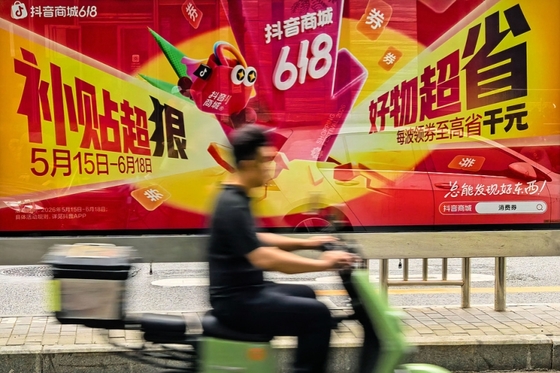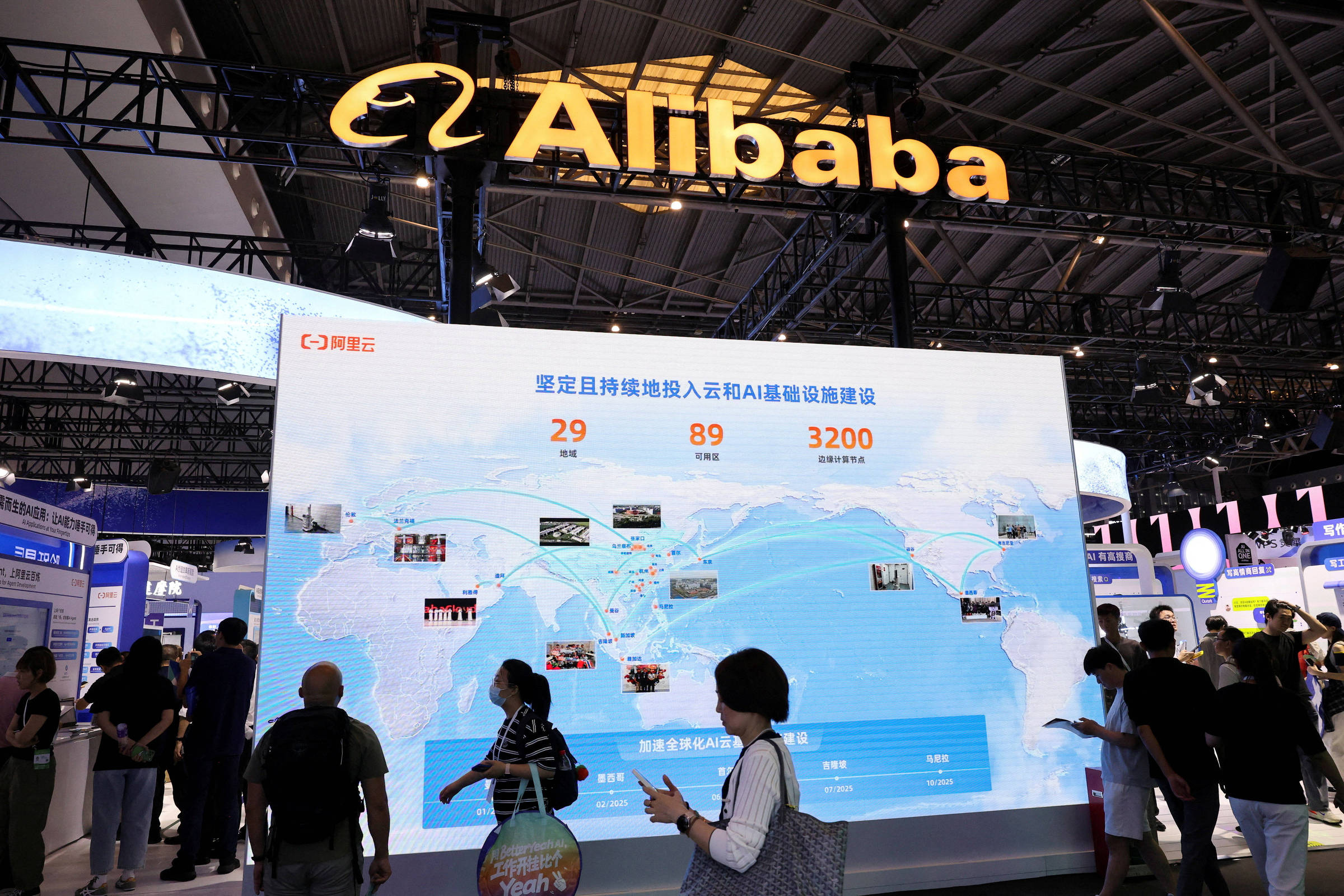
China’s biggest e-commerce companies just got a reminder of who’s really in charge. Alibaba shares fell as much as 6.5% in Hong Kong trading on June 11, marking the stock’s largest intraday decline in three months, after Beijing’s market regulator summoned executives from five major tech platforms to discuss their promotional behavior during the annual 618 shopping festival.
JD.com wasn’t far behind, dropping nearly 6% in what amounted to its steepest slide since November. The selloff rippled across the sector, putting investors on notice that the Chinese government’s appetite for regulating its tech giants hasn’t exactly waned.
What happened
The Beijing branch of the State Administration for Market Regulation, known as SAMR, called in representatives from Alibaba (parent of Taobao and Tmall), JD.com, PDD Holdings (the company behind Pinduoduo), ByteDance (which owns Douyin, China’s version of TikTok), and Xiaohongshu Technology. That’s essentially the starting lineup of Chinese e-commerce, all seated in one room getting a talking-to.
The topic of conversation: misleading promotions, false advertising, and what regulators described as “involution-style” competition. That last phrase is worth unpacking.