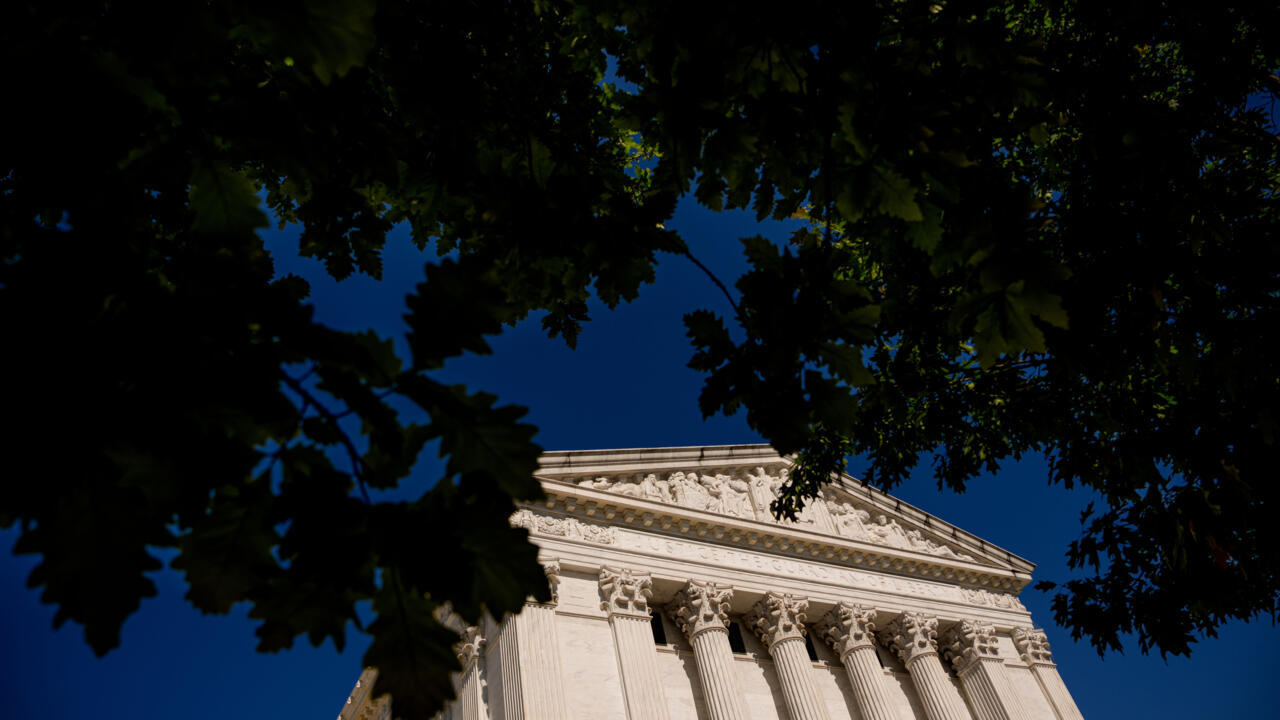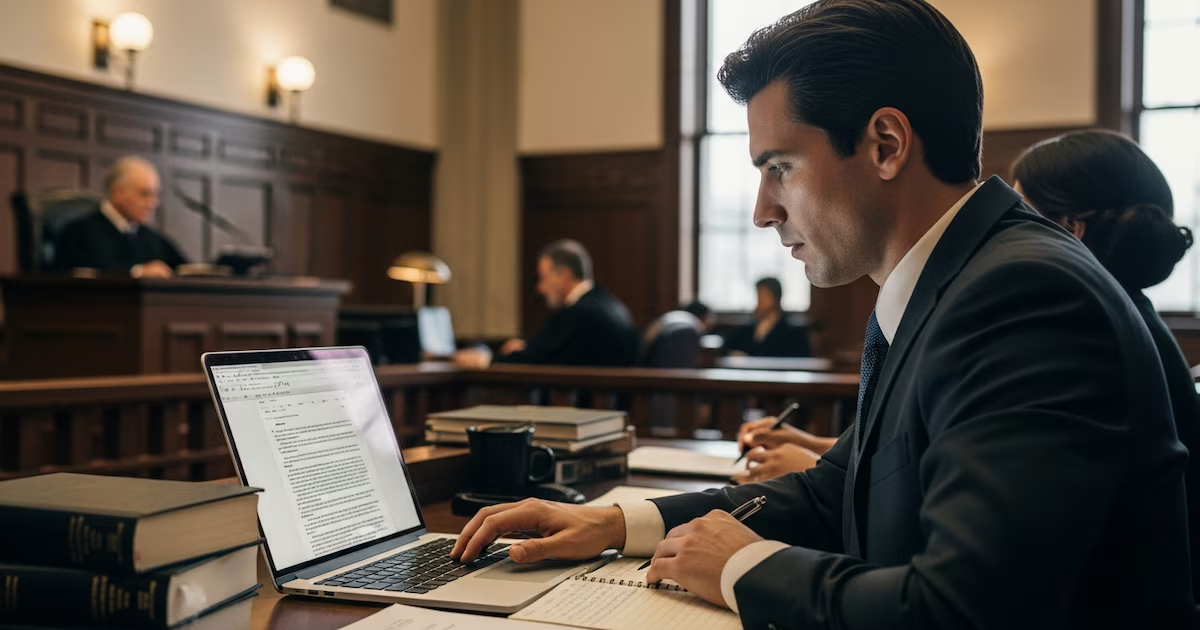
A federal Mississippi judge issued sharply worded sanctions earlier this week after AI mistakes were found in lawyers' court filings.
Atthapon Niyom/Getty Images
Judges are getting tired of cleaning up the AI slop oozing into their courtrooms.The latest example of their patience wearing thin can be found in Mississippi, where a federal judge brought the hammer down earlier this week on attorneys on both sides of a lawsuit after they admitted to submitting court filings containing bogus citations generated by AI.In a sharply worded sanctions order issued Monday, US District Judge Sharion Aycock removed all four lawyers from the case, barred two from practicing before the court for two years, and imposed a combined $8,000 in fines.The US District Court for the Northern District of Mississippi "is yet again 'burdened with addressing AI hallucinations in court filings,'" Aycock wrote in the 23-page order, adding, "This case presents the Court with an unusual scenario—attorneys for both litigants engaged in similar sanctionable conduct."The order reflects a growing frustration among US judges with lawyers who file court briefs with AI-generated errors, a legal expert told Business Insider."In some earlier examples of the same behavior, offending attorneys were let off with a slap on the wrist," said Mark Bartholomew, a University at Buffalo School of Law professor. "Now judges just don't buy it when a lawyer protests they had no idea that AI models can hallucinate, and they are willing to call such behavior out as bad faith."Aycock's sanctions stem from legal briefs filed by lawyers in the case involving a contractual dispute over legal fees between the plaintiff, Louisiana attorney Tom Withers, and the defendant, the Mississippi city of Aberdeen.