Artificial intelligence is already playing a major role in helping cosmologists study the universe. Now, new research suggests a machine learning technique called transfer learning could make the search for new physics much faster and less expensive. However, the study also uncovered a surprising downside: AI can sometimes become so dependent on what it has already learned that it struggles to recognize something truly new.
The study, published in the Journal of Cosmology and Astroparticle Physics (JCAP), examined how transfer learning might help researchers investigate theories that go beyond the standard cosmological model.
AI and the Search for New Physics
The current standard model of cosmology, known as ΛCDM, successfully explains many large-scale features of the universe, including its expansion and the distribution of galaxies. Yet scientists believe the model is not the final answer.
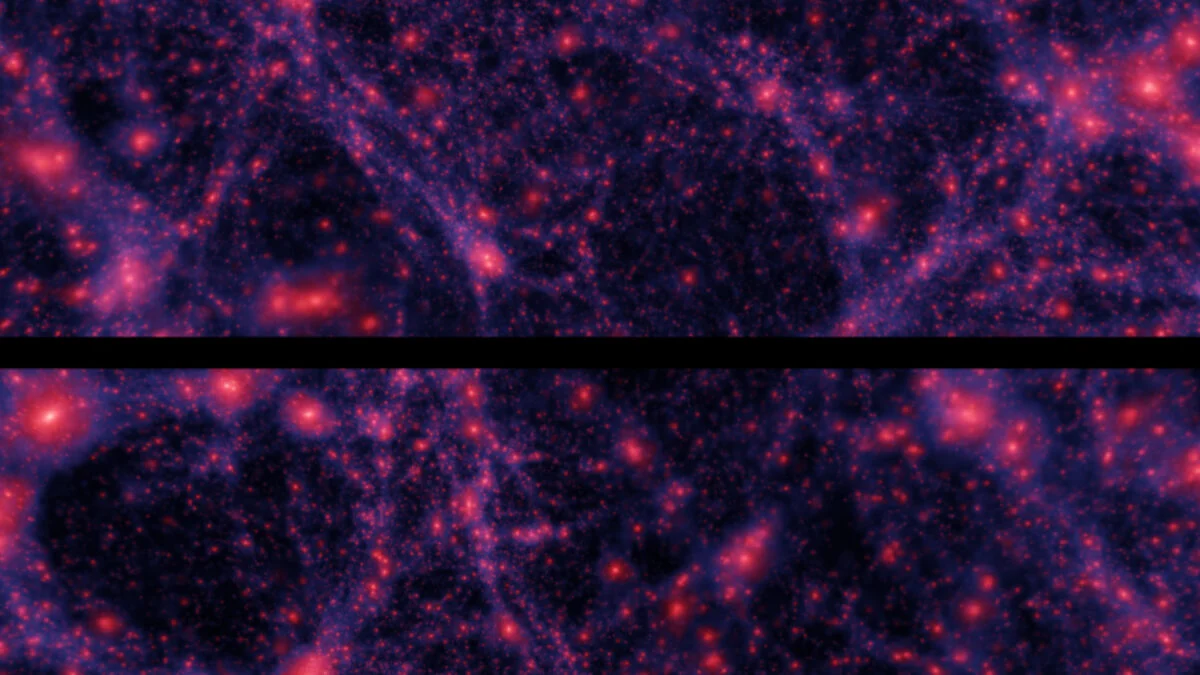
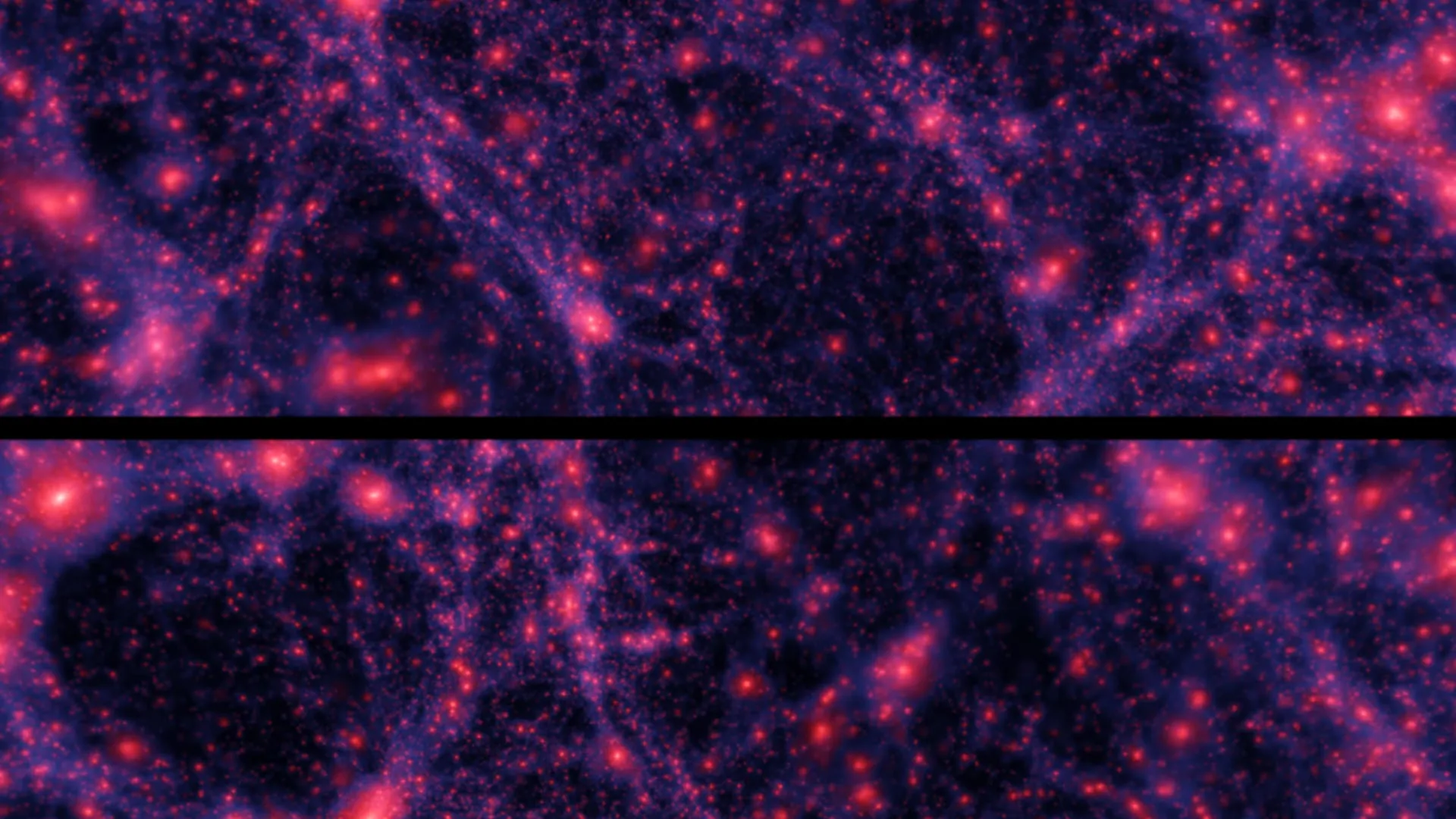
Recent observations have raised questions that could point toward new physics, including the effects of massive neutrinos, modified gravity, and evolving dark energy. Exploring these possibilities requires researchers to generate enormous numbers of detailed computer simulations, each representing a virtual universe built using different physical assumptions.