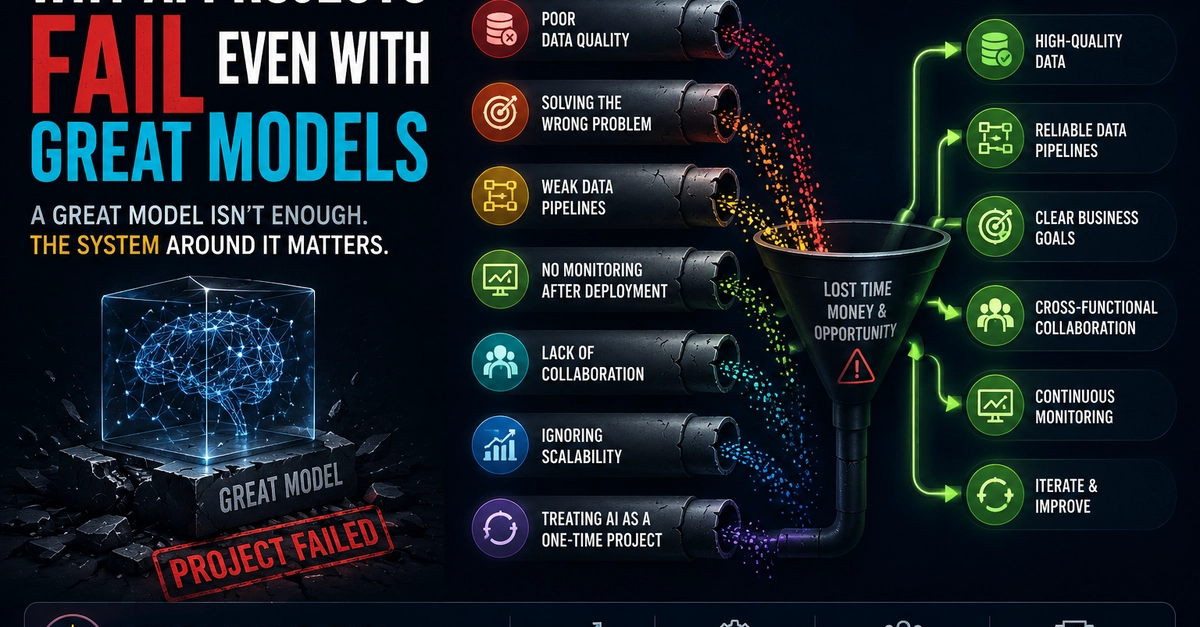
Artificial intelligence does not advance at the same pace across industries. It presses forward in some directions while lagging behind in others.
Spend time with today’s most advanced AI applications, and this contrast becomes obvious. In software development, AI is quickly becoming ubiquitous. It writes production-ready code, explains obscure libraries, and iterates at a pace human teams have difficulty matching.
But place that same AI model inside a complex customer support workflow or ask it to reason through a nuanced clinical scenario, and the cracks begin to show. Multi-step reasoning falters. Context gets lost. Performance drops in ways that can seem inconsistent with the model’s strengths elsewhere.
These AI models are often similar. They run on similar hardware and are often trained in similar ways. So why the mismatch in performance across tasks? The simplest explanation is also the most overlooked: data.
Software engineering benefits from an immense, structured, and highly visible digital record. Code is written in standardized languages, benefits from robust documentation, is reviewed in public forums, and is discussed at scale. That ecosystem has generated a robust and massively useful pool of training material.