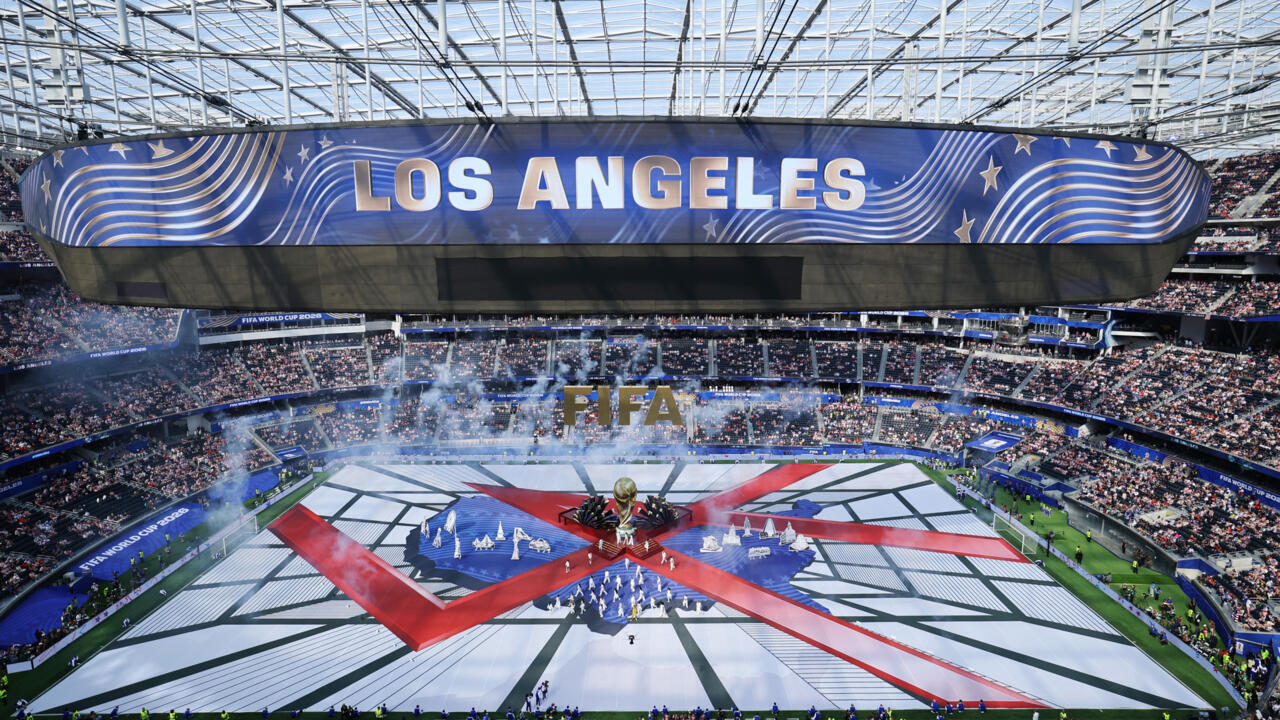
Watch the accompanying episode, produced in collaboration with Pablo Torre Finds Out on The Athletic Podcast Network, here. Subscribe to Torre’s award-winning show on YouTube, The Athletic or wherever you get your podcasts.In the fall of 2021, FIFA executives traveled across the North American cities in contention to host the 2026 men’s World Cup.The joint United States, Mexico and Canada bid secured hosting rights for the World Cup in 2018 but, at that time, 23 cities were in contention, before being whittled down to the eventual 16.During a get-to-know-you meeting held at SoFi Stadium near Los Angeles, a senior FIFA executive set out the core principles of the hosting agreements between soccer’s global governing body and the prospective host cities. The gist of it was this: FIFA takes the vast majority of the revenue from World Cup ticketing, media rights, sponsorship, concessions and parking, while cities are responsible for costs related to transportation, safety and security, extending beyond the stadium to FIFA Fan Fest locations, airports and even vehicles used in the competition.At one point, Kathryn Schloessman, CEO of the Los Angeles Sports & Entertainment Commission, raised her hand and asked a question, according to others who were present. It went something like this: “So, what exactly do we get out of this?”The FIFA executive replied: “Hosting this tournament will put your city on the map.”With that mic drop, a room full of Los Angeles sports leaders stared at one another open-mouthed. “What did he just f***ing say?” recalls one person in the room, speaking on condition of anonymity to protect relationships. “Hollywood, Tinseltown, La-La Land, the Oscars, the Grammys, the Emmys, the Golden Globes, Super Bowls, Olympic Games, NBA All-Star, NHL All-Star, MLB All-Star… but FIFA will put Los Angeles on the map?”This is just one snapshot of what has often been a fraught and challenging relationship between FIFA and its 11 U.S. host city committees ahead of the 2026 men’s World Cup; a story of mounting costs and mounting frustration at just who is footing the bill for the biggest sports event on the planet.Examples of lesser-known costs borne by U.S. host cities — and ultimately U.S. taxpayers — include:
The U.S. signed up for the 2026 FIFA World Cup – and its 11 host cities are paying for it
World Cup organizer FIFA pushes billions of costs onto its host cities, leading to frustration and a refusal to make the same mistakes again
3,092 words~14 min read