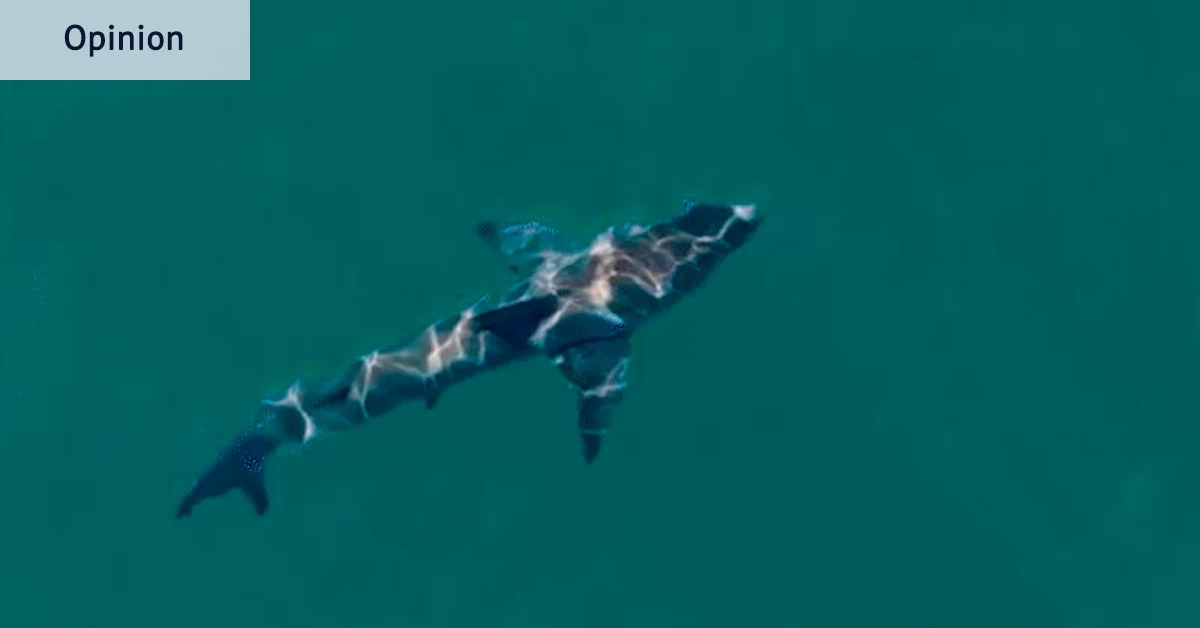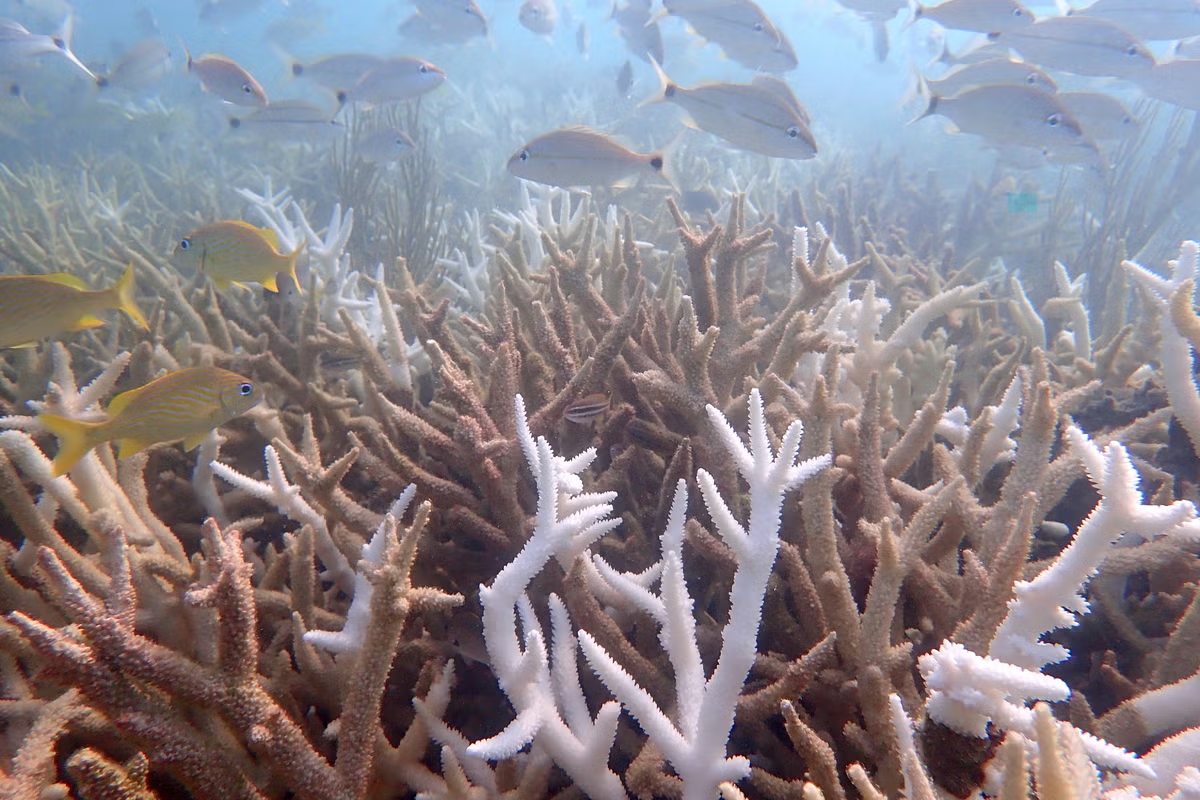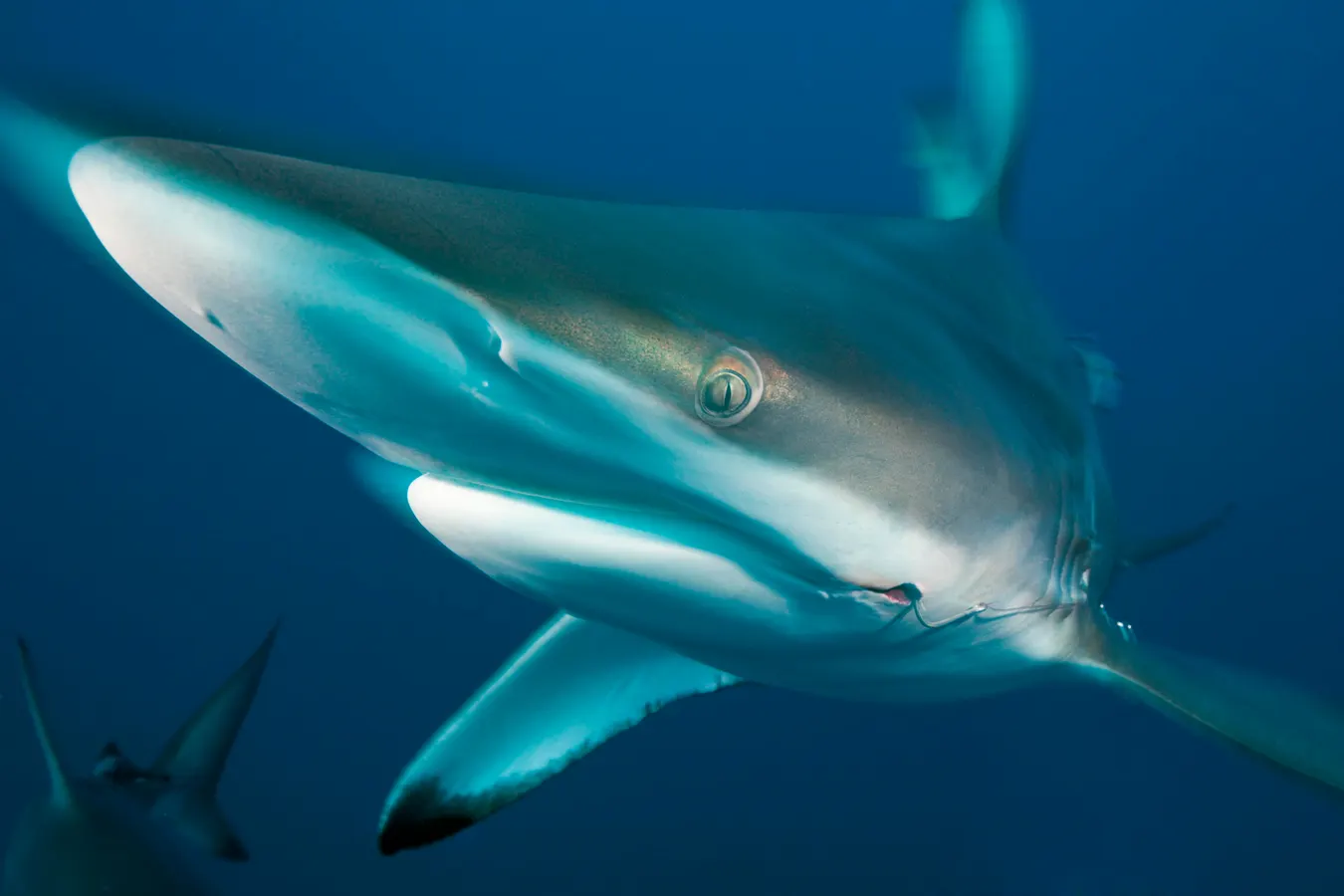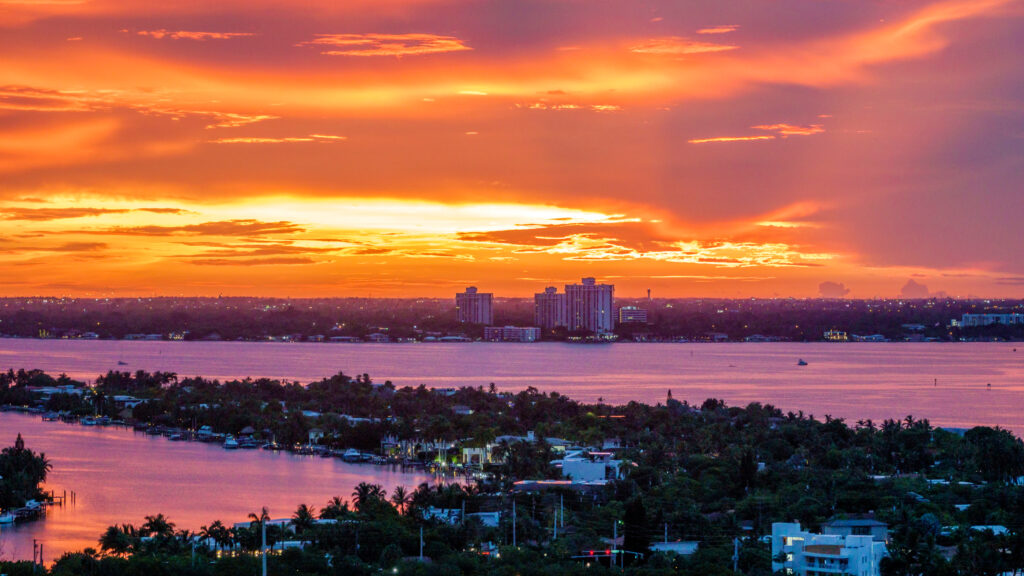
In the shadow of Miami’s skyline, in water churned daily by boats and jet skis, juvenile great hammerhead sharks—a critically endangered species—spend the first two years of their lives. A few miles from downtown, researchers recently pulled a 12-foot critically endangered sawfish from the same shallows. The species has been dying off in alarming numbers across South Florida’s waters since 2024, in an event scientists suspect was set in motion by record ocean heat.
The bay teems with life most of the city never registers: more than 30 endangered or imperiled species and over 100 that matter to commercial and recreational fishing. Yet when researchers surveyed more than 1,000 Miami-Dade residents, most rated the bay as “moderately healthy,” even as its water quality had measurably declined and a government assessment warned the estuary had reached “a tipping point.”
It is also changing in ways almost no one can see.
Over the past two decades, the bay has grown warmer, saltier and more acidic, according to a new University of Miami study that analyzed 20 years of monthly water quality readings. The shifts are real but gradual—too slow for even the divers, anglers and scientists who spend their lives on the water to see directly. “Since I have been here, the bay has been salty,” said Ana Zangroniz, a Florida Sea Grant agent who has worked on the bay since 2017, describing change so incremental it goes unnoticed.