In June 2025, I led a study that was accepted for publication in Nature Medicine. The cost to publish this manuscript, which reported the results of a randomized clinical trial, was zero dollars. The paper underwent rigorous peer view and extensive edits and copy editing by the editorial staff. This study was the result of years of work by a large team of staff and investigators at Johns Hopkins and was funded by a combination of philanthropy and grants from the National Institutes of Health (your and my tax dollars).
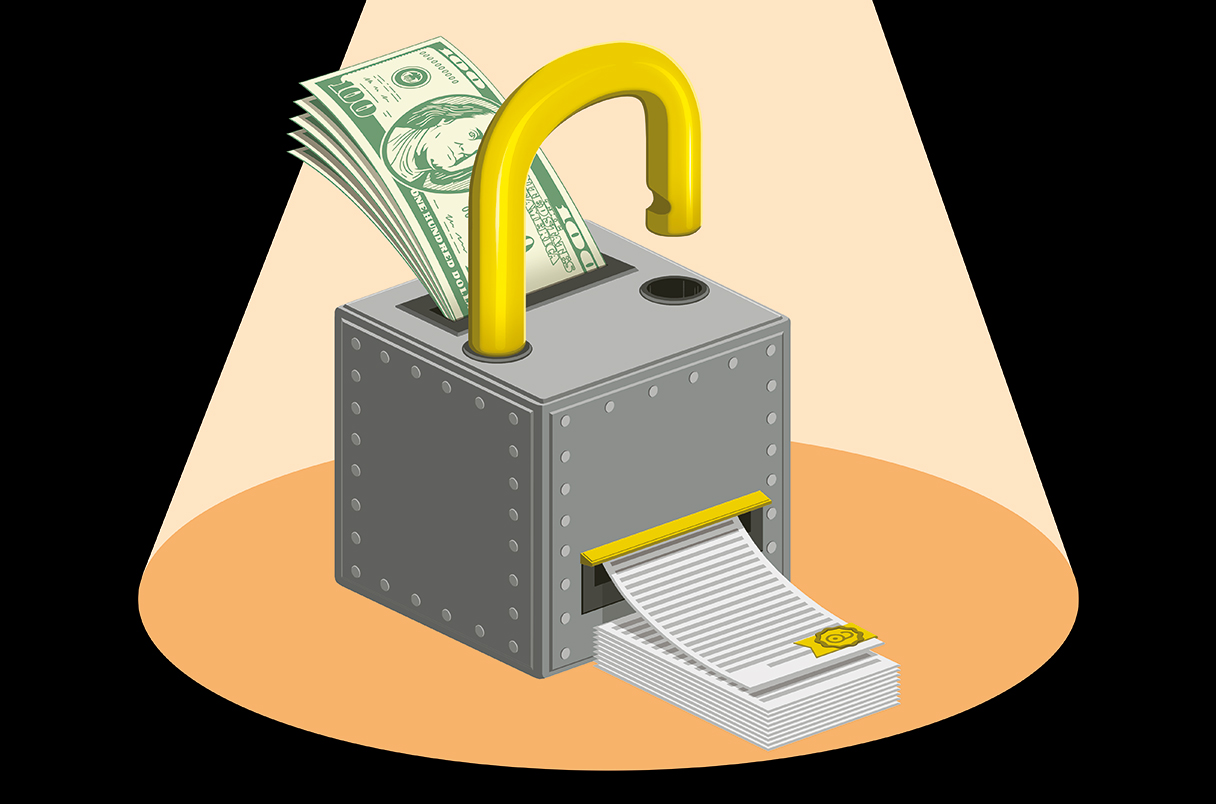
In 2026, I was part of a group that published in Nature Medicine a different NIH-funded study — also the results of years of hard work supported by your and my tax dollars. To comply with the 2024 NIH Public Access Policy that went into effect on July 1, 2025, we paid $12,850 to the publisher. This charge was for open-access fees, now required by the publisher, and was non-negotiable.
Research findings, especially those produced through taxpayer-funded research, should be available without barriers. Expensive open-access fees pose substantial barriers to making research open to the public.
The well-intentioned NIH policy change was intended to provide free, immediate, public access to publications resulting from NIH-funded research. NIH-funded authors must deposit the peer-reviewed (“author-accepted version”) of the manuscript in PubMed Central, a public access repository, to be made available at the time of publication in the journal (i.e., without embargo). Beginning in July 2025, many nonprofit publishers removed their requirement for embargoes on author-accepted manuscripts in PubMed Central, making articles by NIH authors free and immediately available.