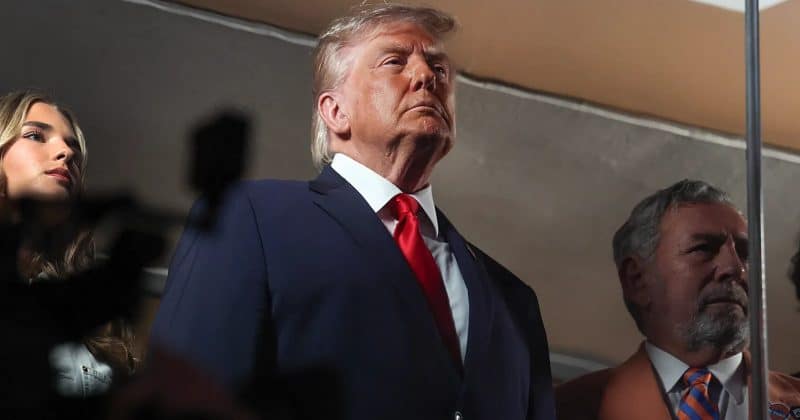
President Donald Trump announced on June 10 that US military strikes against Iran could begin as soon as Thursday night unless Tehran agrees to a new peace accord. The demand centers on two non-negotiable items: reopening the Strait of Hormuz and accepting restrictions on Iran’s nuclear program.
The Strait of Hormuz is the world’s most important oil chokepoint. Roughly a fifth of global petroleum passes through the narrow waterway between Iran and Oman on any given day.
A US Army Apache helicopter was recently downed near the Strait of Hormuz, marking one of the most significant American military losses in the conflict. Since early 2026, the confrontation between the US and Iran has cycled through multiple phases of strikes, retaliatory attacks, and fragile ceasefires.
Bitcoin and Ether have been the primary barometers of crypto-market sentiment throughout this conflict, showing clear correlation with the news cycle since the tensions escalated in early 2026. Positive signals about peace negotiations push prices higher. Military escalations, like the Apache downing and subsequent US retaliatory strikes, drag them lower.
No specific crypto protocols or tokens have emerged as directly connected to the conflict itself. This isn’t a blockchain war story. It’s a macro story that happens to be hitting crypto hard because Bitcoin and Ether increasingly trade like global macro assets.