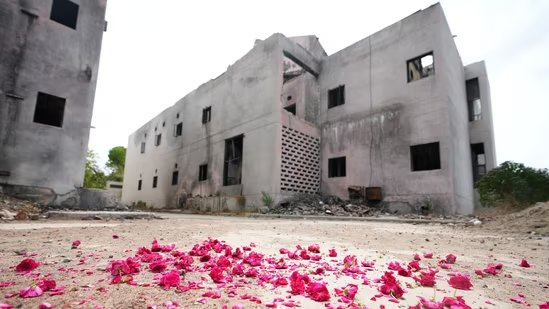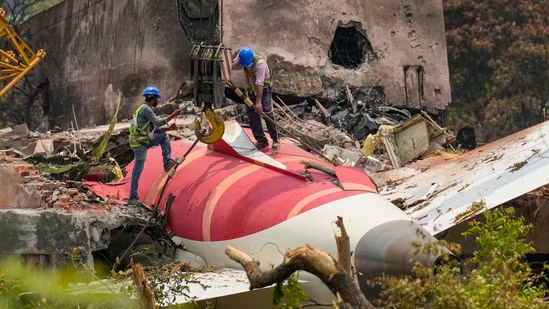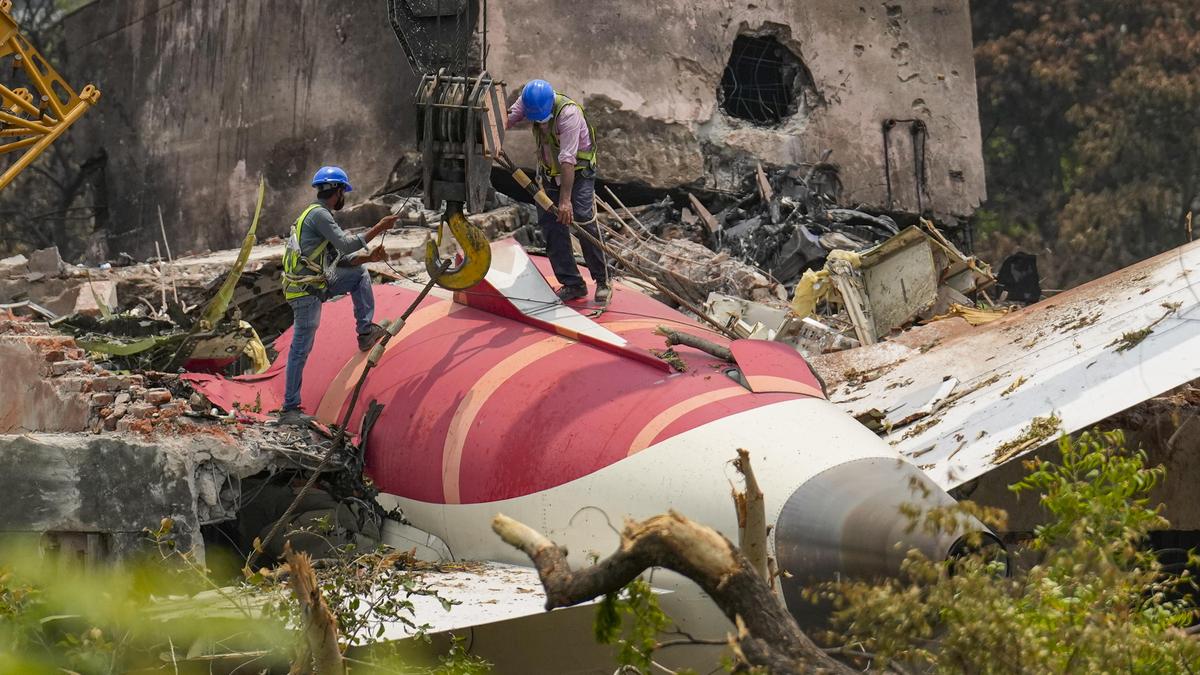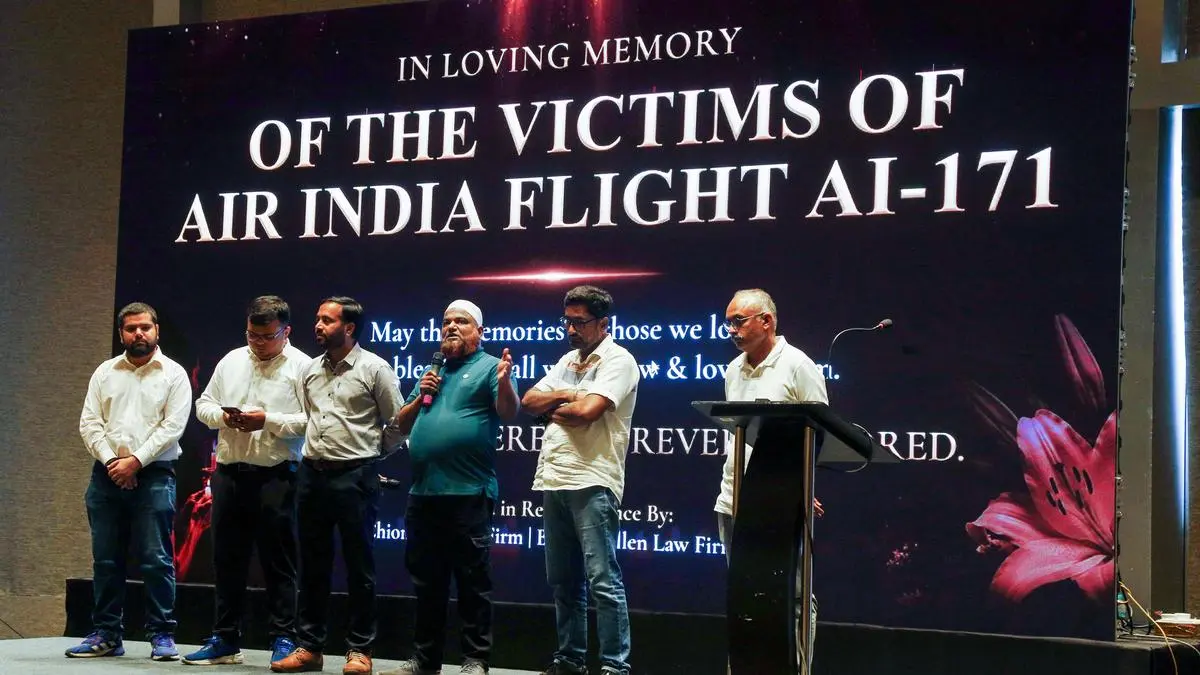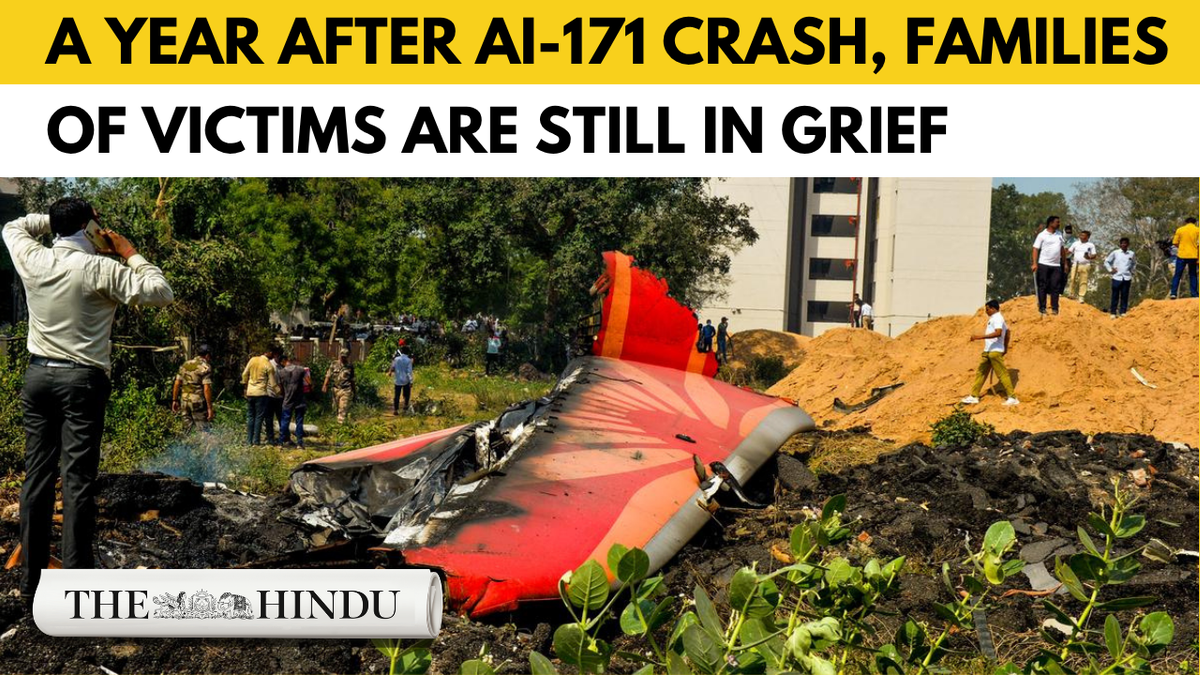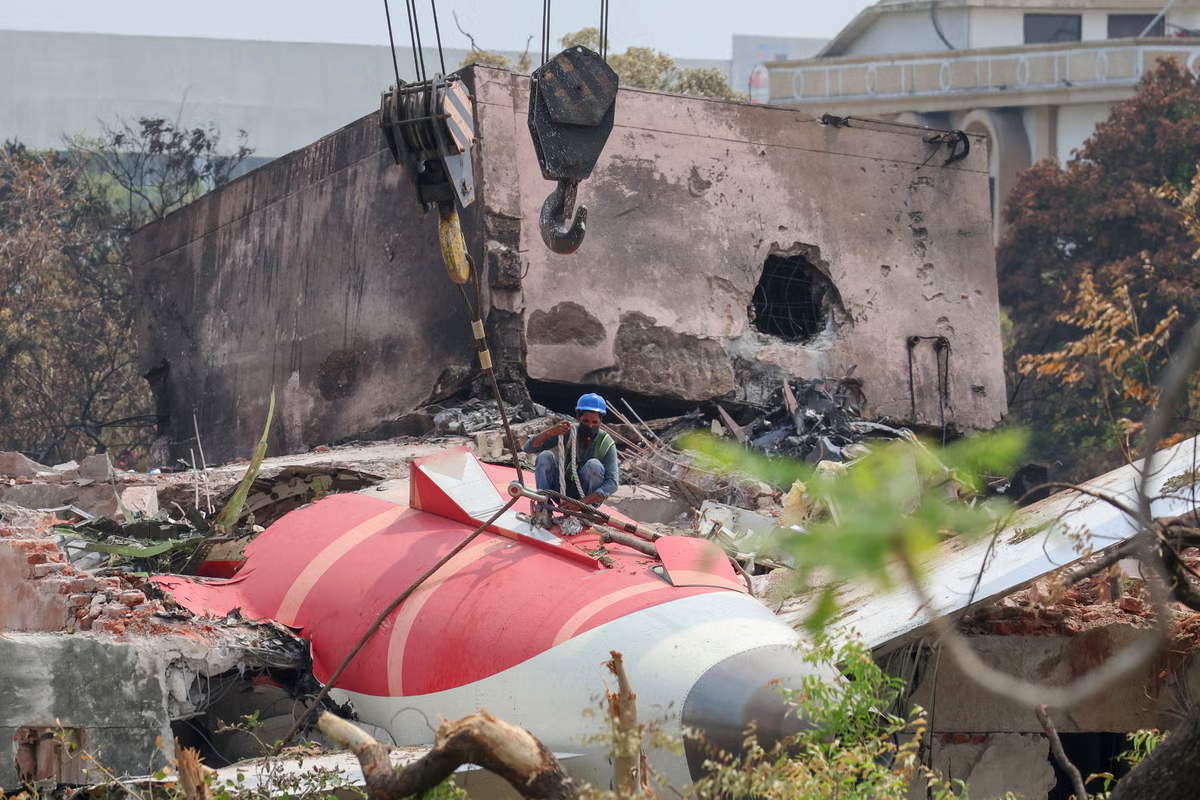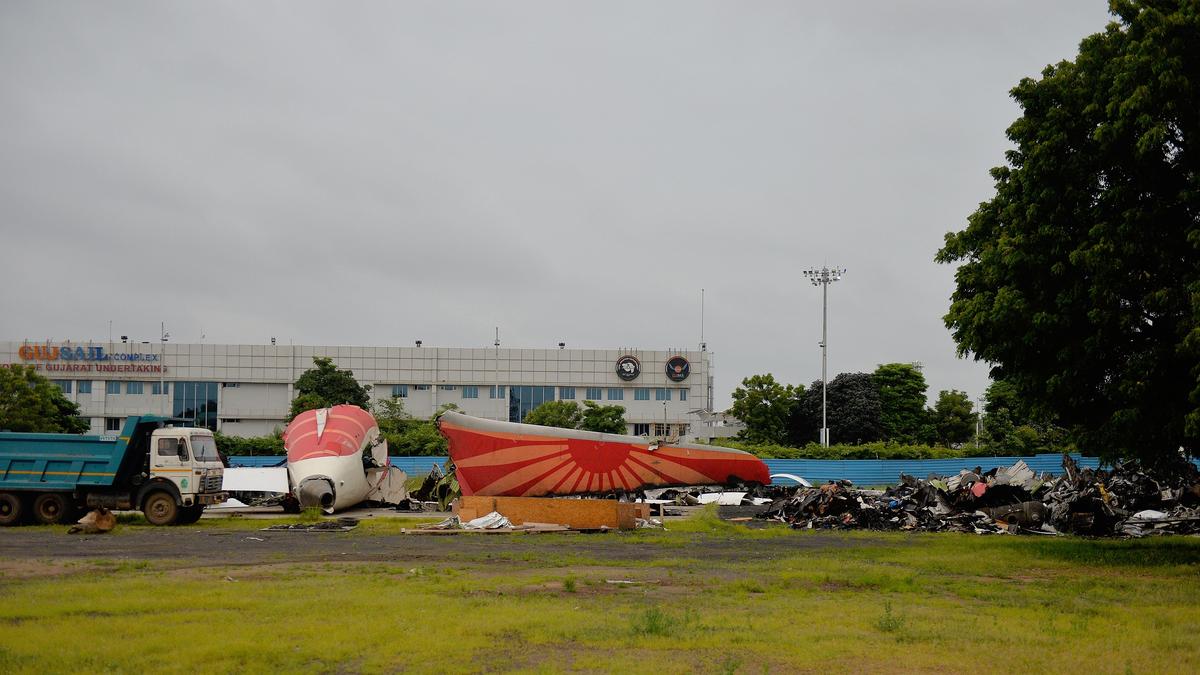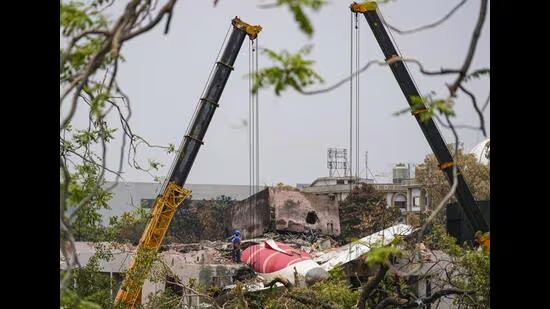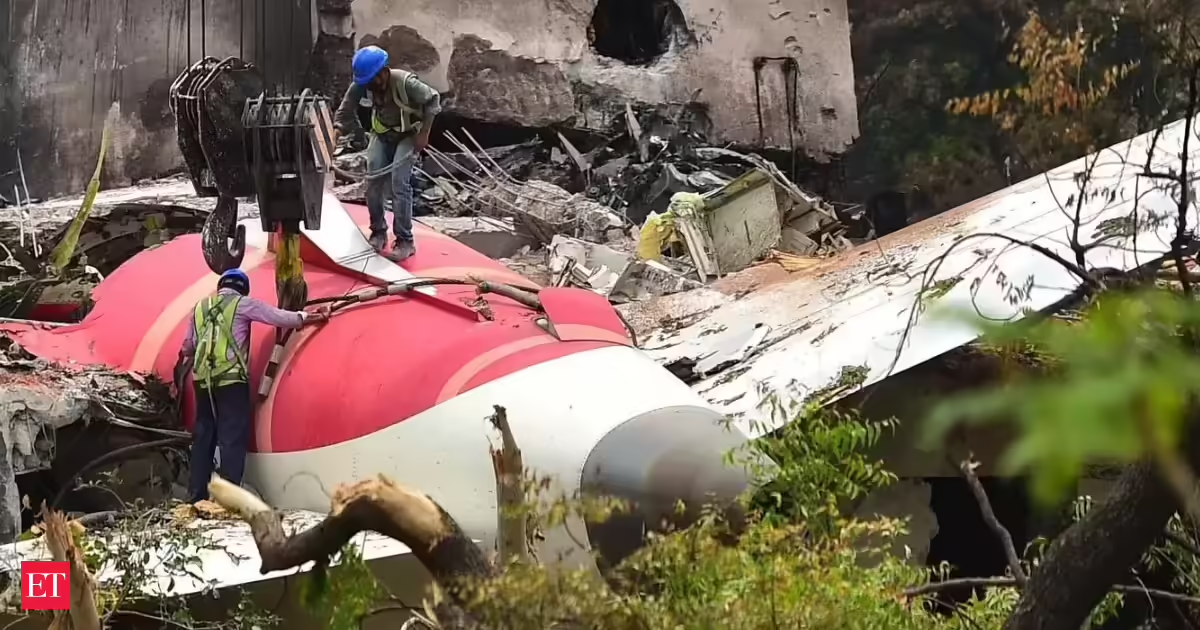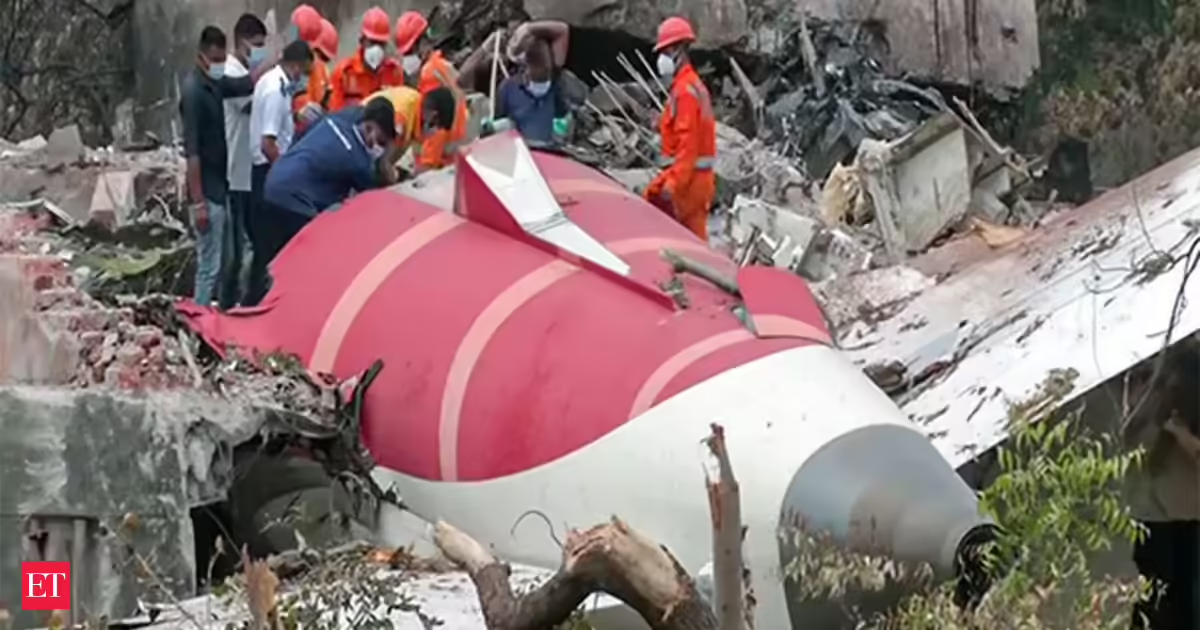
Gandhinagar, A woman's severed hand, fingers locked tight as if pleading for help. One year after the AI-171 crash, it's an image seared into H P Sanghvi's memory, testament to the terror of her last moments and also to the trauma of the forensic scientists tasked with identifying the bodies.The London-bound Dreamliner crashed into a hostel complex seconds after taking off from Ahmedabad on the afternoon of June 12, 2025, killing 241 persons on board and 19 on the ground. Only one passenger survived. Many of the dead were charred beyond recognition.It fell to Sanghvi, director of the Gujarat Directorate of Forensic Sciences, and his 38-member team to painstakingly sift through the biological samples to identify those killed as well as examine the shattered electronic devices pulled out from the ashes to extract whatever information they could.At the end of 15 days, the DFS team successfully identified 142 dead. The days fused into night as the forensic scientists put in their all to fulfil the onerous task in front of them. It was also a personal challenge.For Sanghvi, that image of the severed hand is one he can't shake off."It looked as if she was pleading for help... Even now, a year later, we can only imagine the terror of her final moments," Sanghvi told PTI.Recounting the emotional and intense days, Sanghvi said it was a round-the-clock operation. He said he was informed about the crash through a mobile message during a meeting at the DFS headquarters in Gandhinagar, the twin city of Ahmedabad.He immediately recognised the scale of the tragedy. The directorate quickly mobilised DNA experts from laboratories across the state and rushed to secure additional chemical analysis kits and backup machinery.As families and others grappled with the magnitude of the tragedy, the group of 38 forensic scientists in Gandhinagar got to work.What followed was an extraordinary scientific and human effort as the laboratory was flooded with more than 180 biological samples, many of which were severely compromised due to extreme heat and rapid burning. It made the extraction of viable tissue a monumental challenge."The first samples arrived after midnight, and our teams managed to generate 100 DNA profiles within the first 100 hours," Sanghvi said.The scientists, Sanghvi recalled, isolated usable DNA from severely burned tissue that require a delicate, 30-step technical process. Often, they found that the intense heat had destroyed the cellular structures, forcing scientists to reset and start the process all over again."But our teams stayed here 24X7," he said.The dead were identified through rigorous DNA analysis. To hasten the process for the grieving families waiting for some news of their loved ones, blood samples from victims' relatives were processed using rapid DNA technology that can generate a genetic profile in just 90 minutes.Matching the DNA was complicated by the absence of immediate kin. "Confirming identity requires a 100 per cent match. In many cases, only extended relatives were available for comparison, which made the matching process far more complex," Sanghvi said.As the DNA teams worked on identifying the dead, the lab's cyber forensics unit took on a different job. They were handed over 200 broken, electronic devices covered with ashes pulled from the wreckage, melted smart phones, cracked laptops, smart watches, and shattered memory cards.Using advanced data extraction systems, the technical experts meticulously rebuilt digital files. They knew that they were not looking not just for evidence of the crash but for family photos, last-sent text messages and videos."In the end, they were able to return these digital remnants to the grieving families, handing back the final, living memories of the people they lost," Sanghvi said.Through those 15 traumatic days, personal lives took a complete backseat.One officer, for instance, was a new mother. She would take one hour off, feed her baby and get straight back to the lab. Another officer rescheduled his mother's heart surgery appointment by 10 days to stay at the forefront of the identification process.According to Sanghvi, the disaster also taught some lessons that could be used in future mass casualty cases."One of the key lessons from the experience was the importance of proper coordination between medical personnel and the forensics team in situ to facilitate rapid sampling and reporting," he said.One year on, the scars are still fresh. Not just for the families of those killed but also for Sanghvi and his colleagues who helped them deal with the aftermath. The scientists are back at work, the memories still to fade.
Severed hand, charred bodies: Year after AI crash, forensic scientist recalls horror
A year after the AI-171 crash, forensic scientists worked tirelessly to identify victims. They sifted through biological samples and shattered electronic devices. DNA analysis helped identify 142 deceased. Cyber forensics recovered digital remnants for grieving families. The effort highlighted the immense scientific and human dedication involved in mass casualty events.
741 words~3 min read