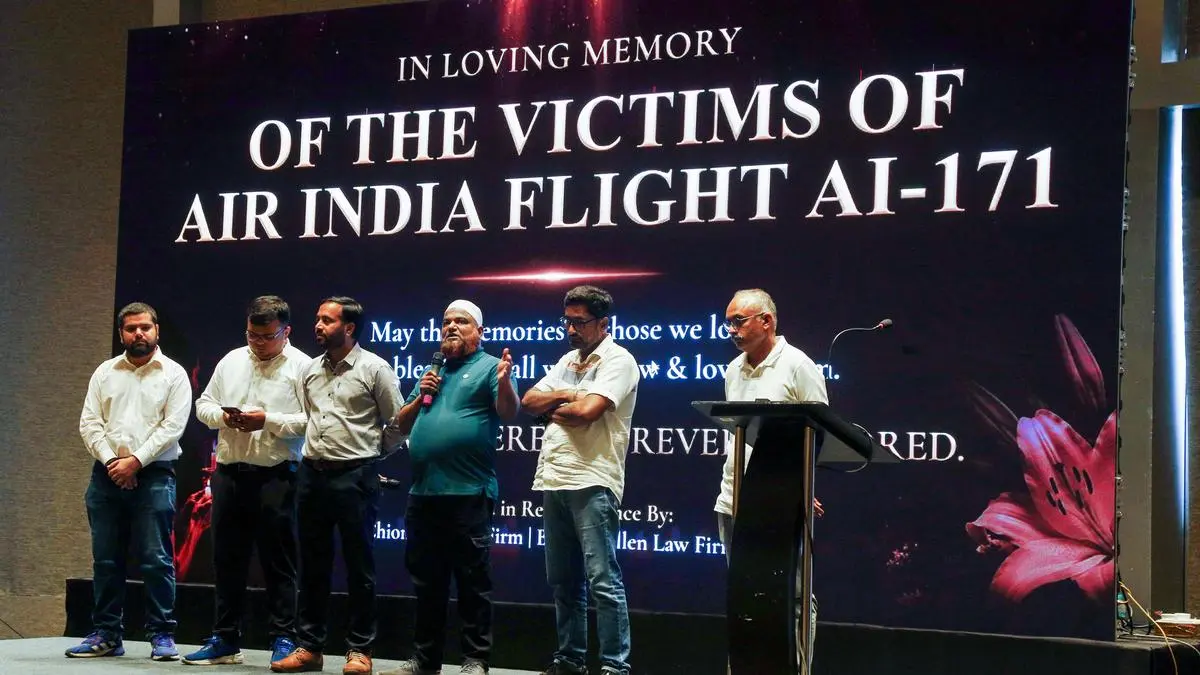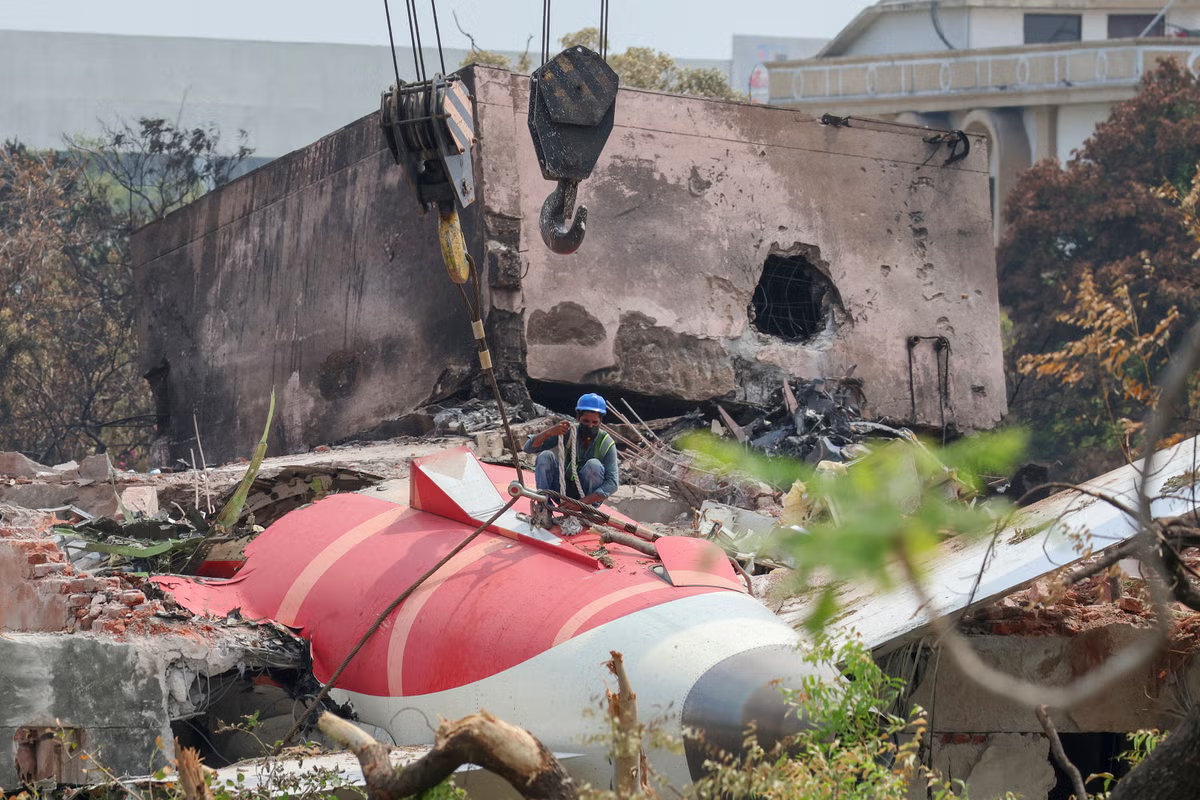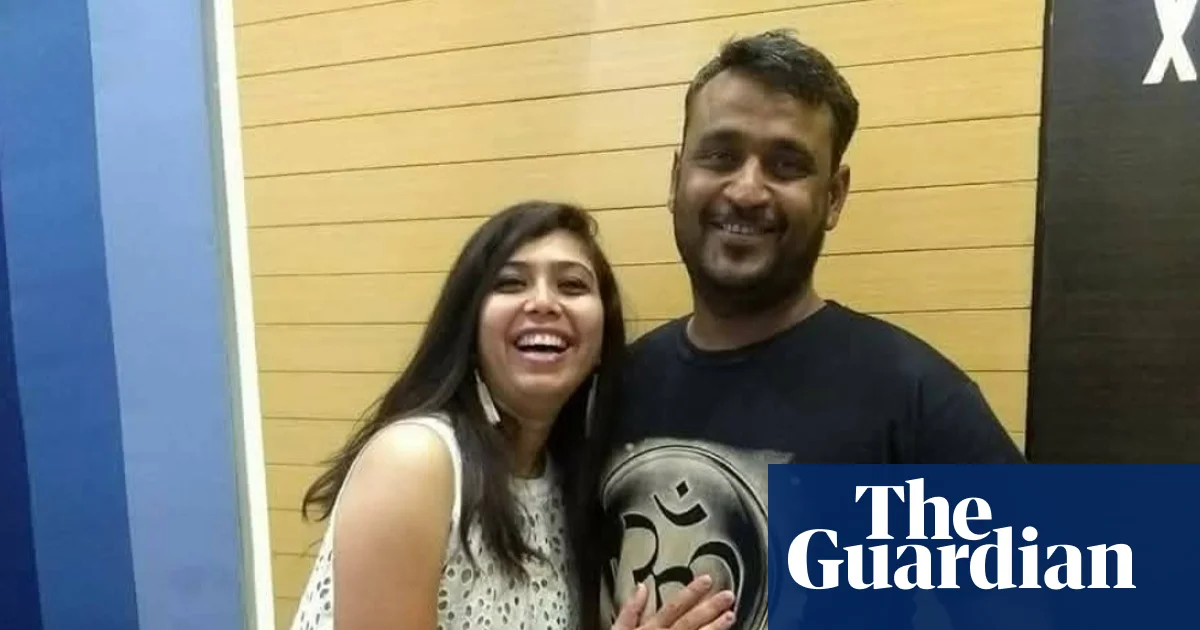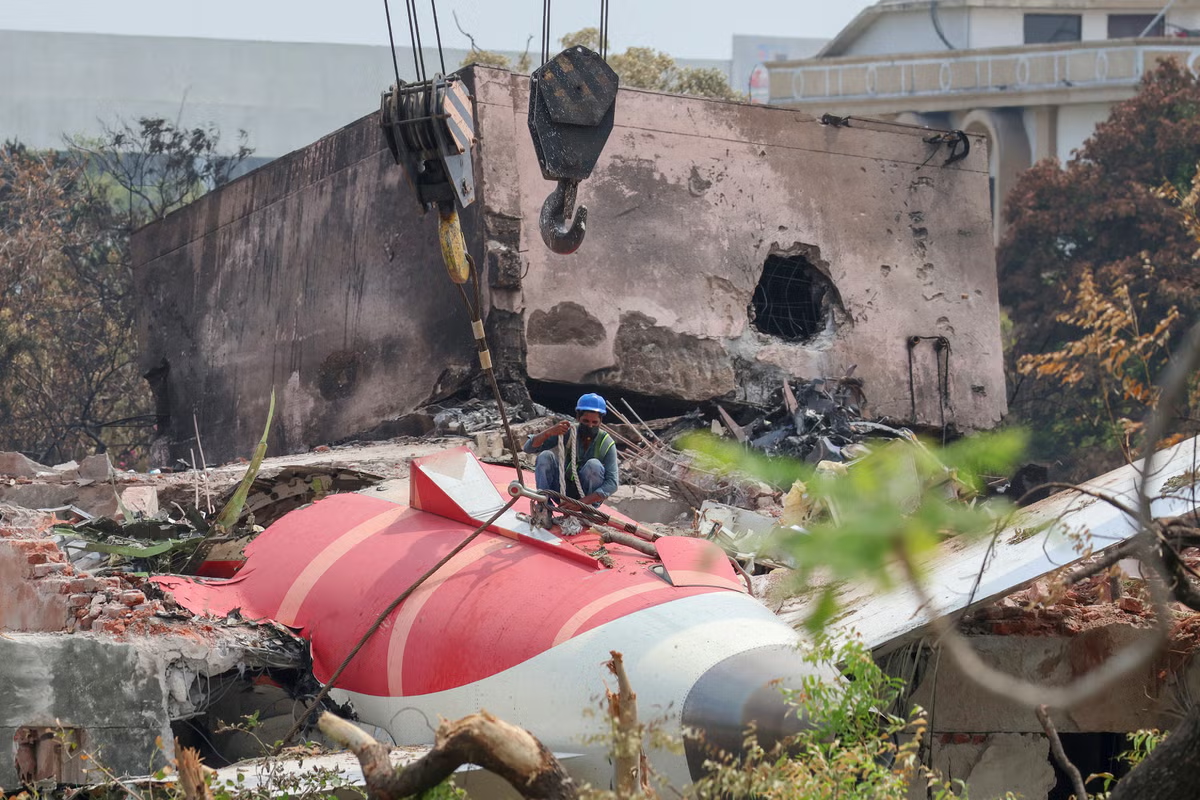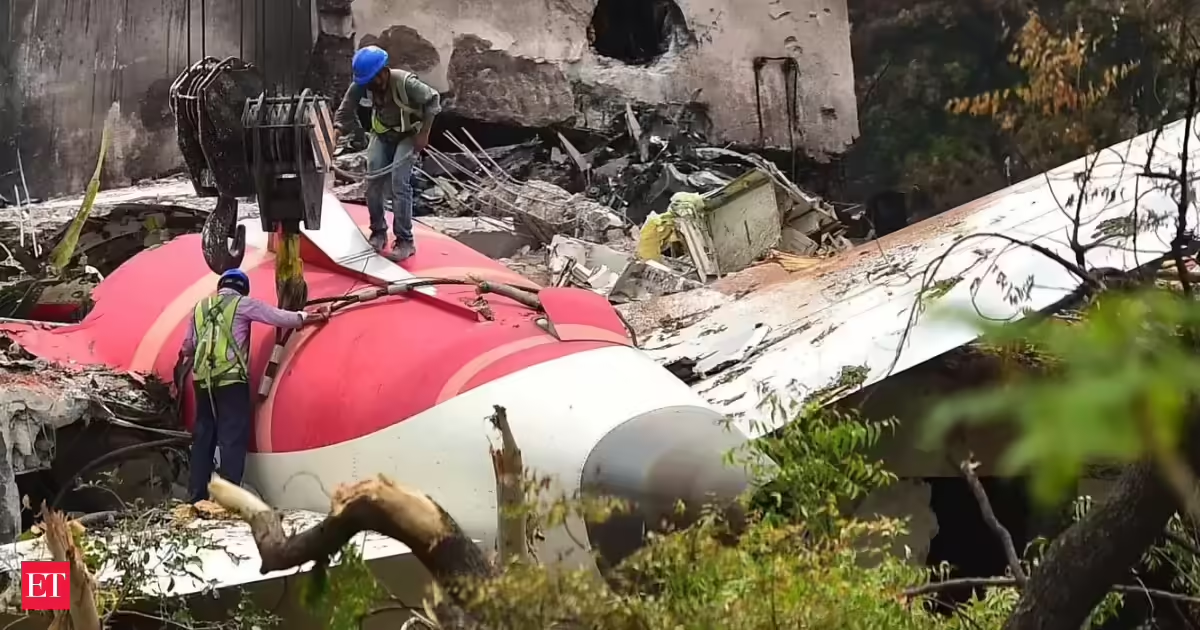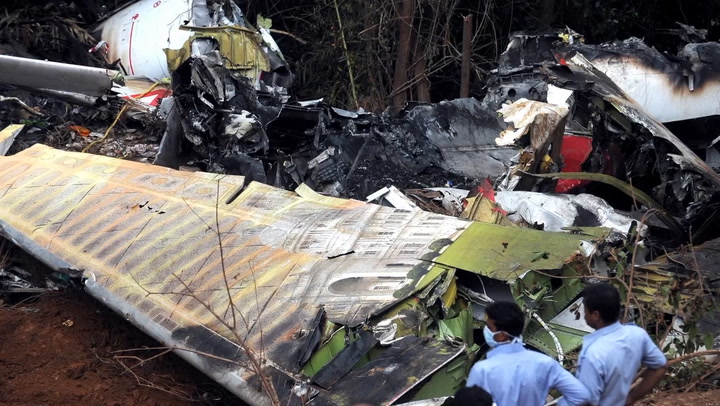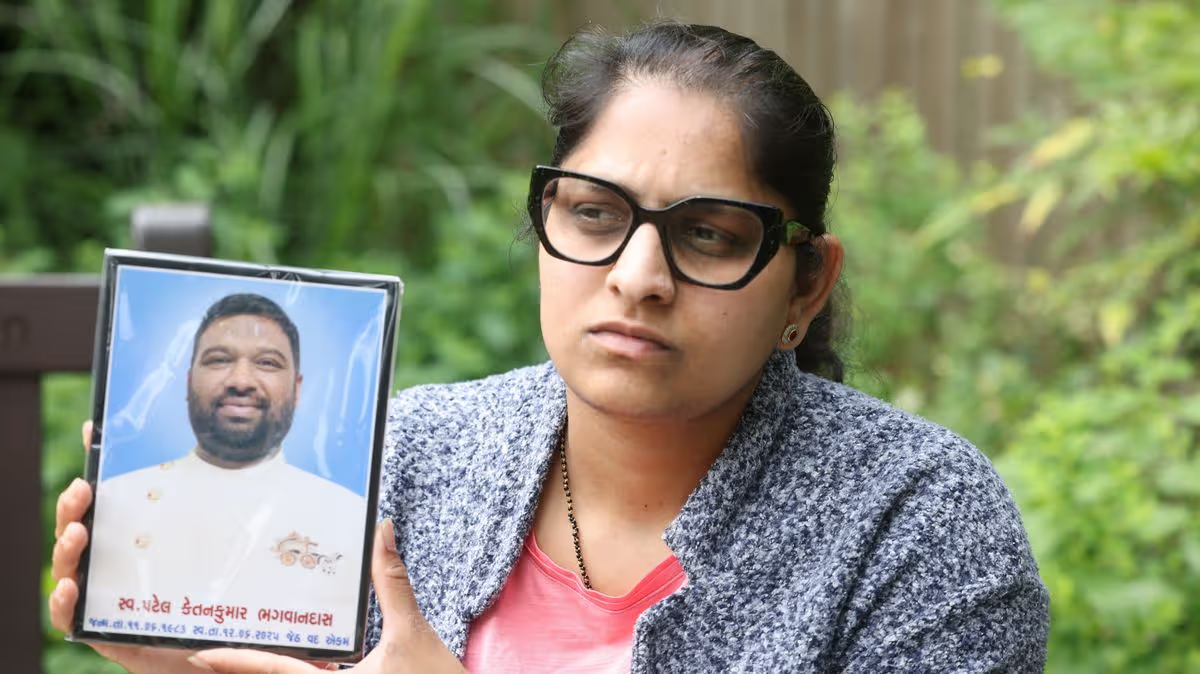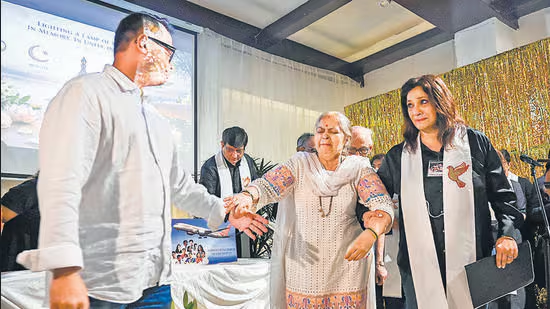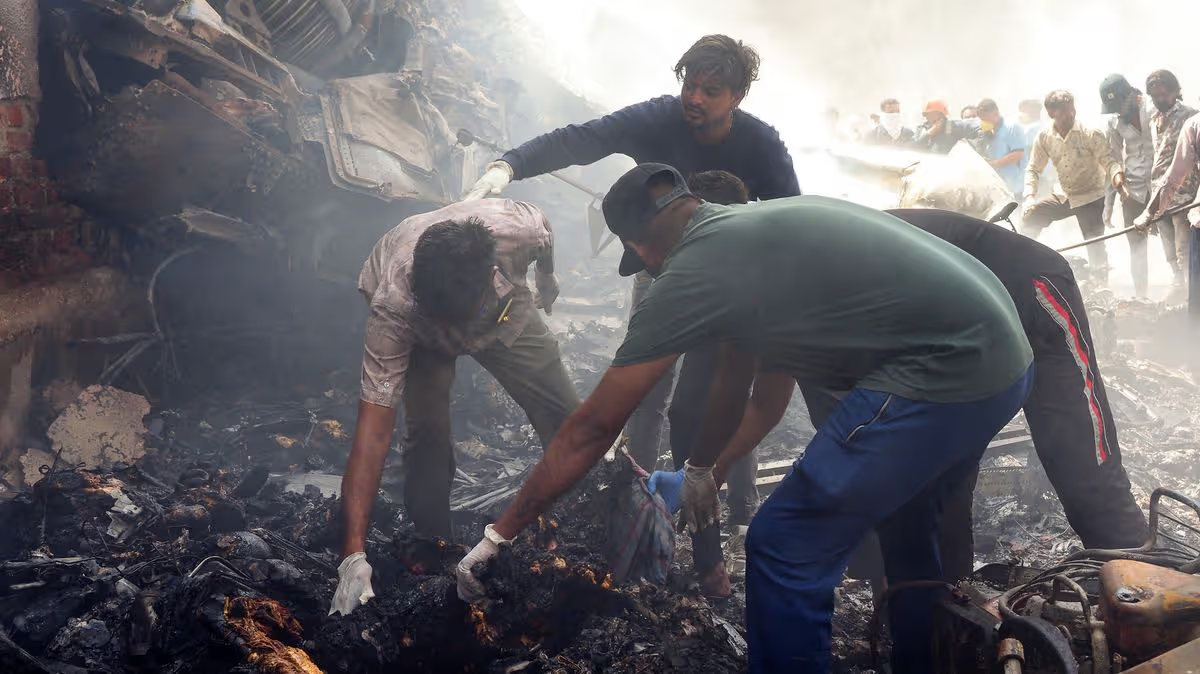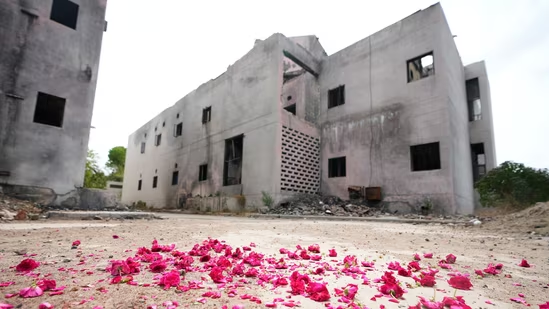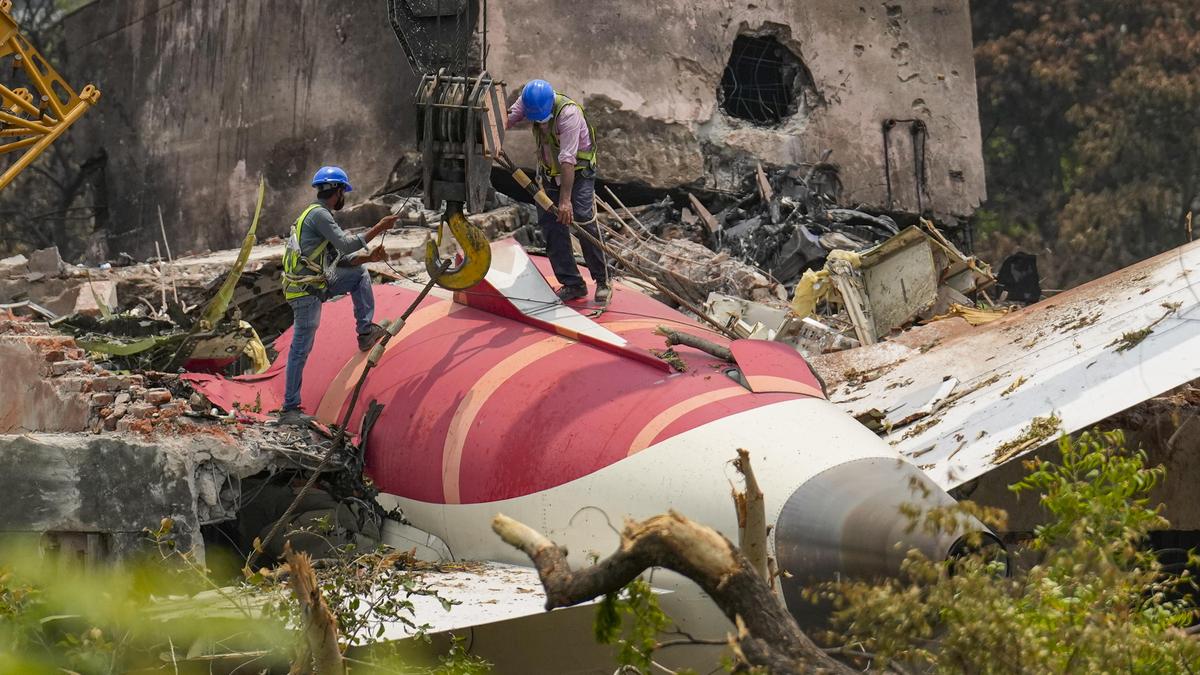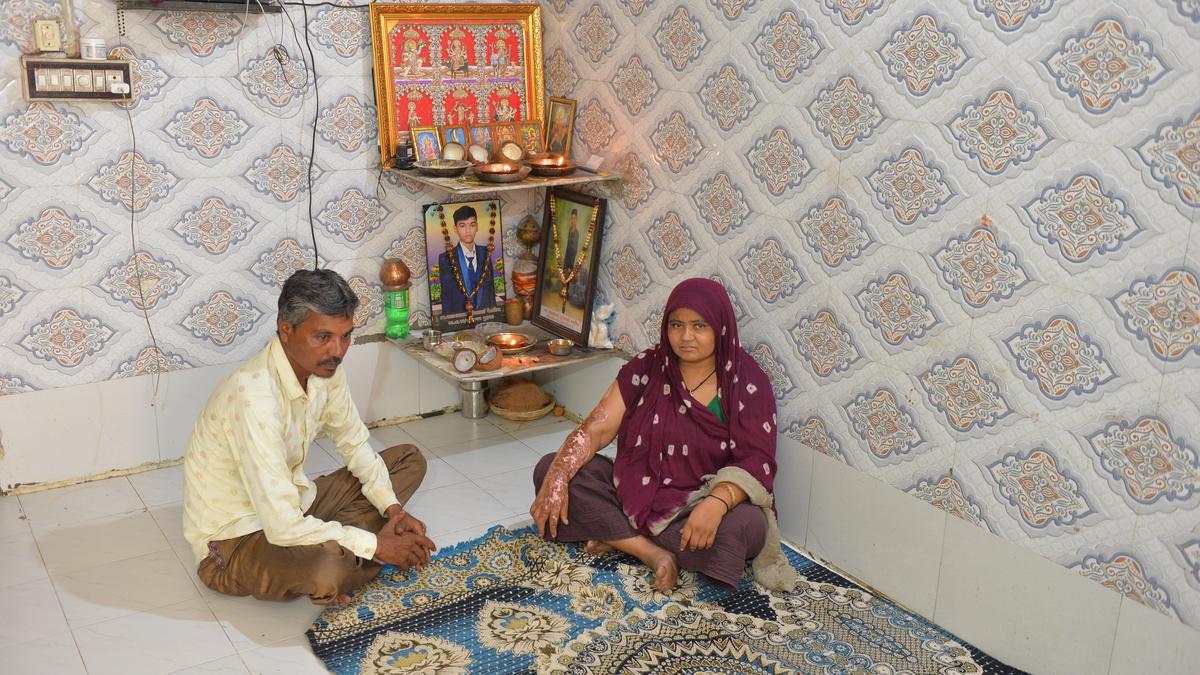
For weeks after surviving the Air India flight AI-171 crash, Sitaben Patani kept asking about her teenage son. The answer was one her family could not muster the courage to reveal: 15-year-old Akash Patani had been killed in the air disaster that left his mother battling severe burns and hundreds of families grieving.On the afternoon of June 12 last year, Akash had delivered lunch to his mother at her pushcart tea stall when the London-bound Boeing 787 Dreamliner crashed moments after taking off from Ahmedabad’s Sardar Vallabhbhai Patel International Airport. The aircraft went down barely minutes after departure, killing 260 people, including 241 passengers and crew members and 19 people on the ground. Akash was among the ground victims. Twenty days later, his grandfather Babubhai Patani also died, family members say, unable to cope with the loss.Sureshbhai Patani, an autorickshaw driver and Sitaben’s husband, said: “She had suffered 35% burns and was in tremendous pain. We felt that telling her about Akash and my father’s death could affect her recovery.” Living in Laxminagar, a neighbourhood adjoining the airport, the family was among those directly caught in the aviation disaster.“We did not tell her about Akash or my father’s death because she was already in immense pain and had suffered third-degree burns. We were worried that the news would affect her chances of recovery,” Mr. Patani added.Mr. Patani, who was inconsolable on recalling the incident, said: “I learnt about their deaths only after I was discharged from Civil Hospital and admitted to a private hospital, nearly a month after the crash.”Wiping away her tears, she said not a single day had passed without her thinking about Akash. “I could not even see him one last time. My memories are frozen on June 12, when Akash was still alive. They have not moved forward since then, and I don’t think they ever will,” she said.Struggling with griefLike the Mr. Patanis, the families of those killed aboard the aircraft and on the ground continue to struggle with grief that has become part of their everyday lives. While compensation from the airline and government has helped address immediate financial concerns, relatives say no amount of money can replace the lives lost in one of India’s worst aviation tragedies.Among them is Anil Ambalal Patel of Ahmedabad, who lost his son Harshit Patel (30) and daughter-in-law Pooja Patel (30) in the crash. The couple, who lived and worked in London, had surprised him with a visit to Ahmedabad — their first since 2022. They had also planned to undergo fertility treatment during their stay and hoped to start a family.A former security guard who lost his wife Umadevi seven years ago, Mr. Patel said his son and daughter-in-law were his only remaining family. “The crash shattered my life in a single moment. Harshit and Pooja had come here with dreams of starting a family. They never got the chance to fulfil them, and I am the one left behind to live with that pain,” he said.Recalling his last conversation with his son, Mr. Patel struggled to hold back tears. “I dropped them at the airport and returned home. Harshit video-called me after checking in and said he would call again after landing in London. Less than an hour later, I heard that the flight had crashed. My life crashed with it,” he said.Raising queriesLegal representatives of several victims’ families have also raised questions about the investigation and the flow of information following the crash. Mike Andrews of the U.S.-based Beasley Allen Law Firm, representing more than 150 victims, said they were increasingly convinced that technical issues on board the aircraft caused the disaster, rather than what he described as an early “suicide narrative” that had circulated initially.“When we look at the video and photographic evidence, even before the aircraft leaves the runway, it appears that the auxiliary power unit, the RAT device, is out and functioning before the aircraft rotates for takeoff,” Mr. Andrews said. He added that flight simulator testing suggested the takeoff may have been longer or slower than expected, raising questions about possible brake drag or reduced thrust, both of which he said could point to an electrical malfunction.He further noted that the RAT system, according to technical literature, typically takes around 14 to 18 seconds to begin supplying hydraulic power, rather than the four seconds mentioned in preliminary assessments. “I have said from the very beginning that when we understand exactly why the RAT was deployed early, we will understand what caused the crash,” Mr. Andrews said, adding that investigators must avoid confirmation bias and keep an open mind given the complexity of modern aircraft systems.Stonewalling informationThe law firm representative also alleged that the victims’ families had faced repeated “roadblocks” in accessing information from Air India and from representatives in the United Kingdom, saying that in several cases they had been stonewalled, leaving relatives frustrated and distressed.In Amreli district, Gitaben Padasala sits with the weight of a loss that has upended her family. Her daughter Riddhi (25) had returned home after a two-month visit and was heading back to London to rejoin her husband when the crash occurred.A graduate in food nutrition, Riddhi had been planning to start a business in the U.K. and eventually take her parents and younger brother there. Her future, her mother says, was built around a single ambition — to settle the entire family abroad.“I lost my parents when I was very young, and now I have lost my daughter,” Ms. Gitaben said, breaking down. “I am half dead with her death and half alive for my son, who is now studying law. Riddhi went to London with so many dreams. She wanted to take us there too,” she said, crying.
‘My memories are frozen on June 12’: A year on, families of AI-171 victims still searching for answers
Families of AI-171 crash victims reflect on grief and ongoing search for answers one year after the tragic disaster.
954 words~4 min read