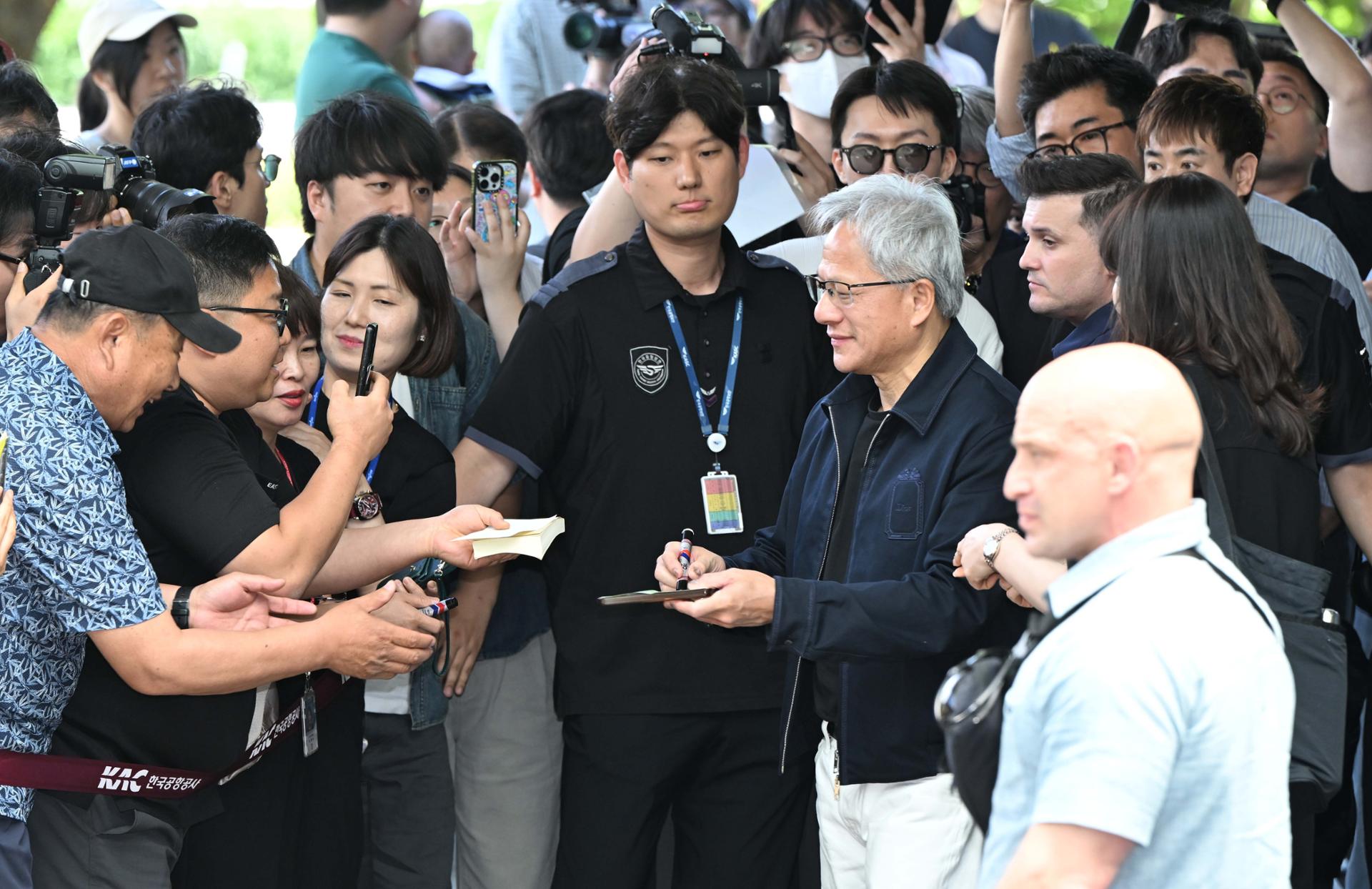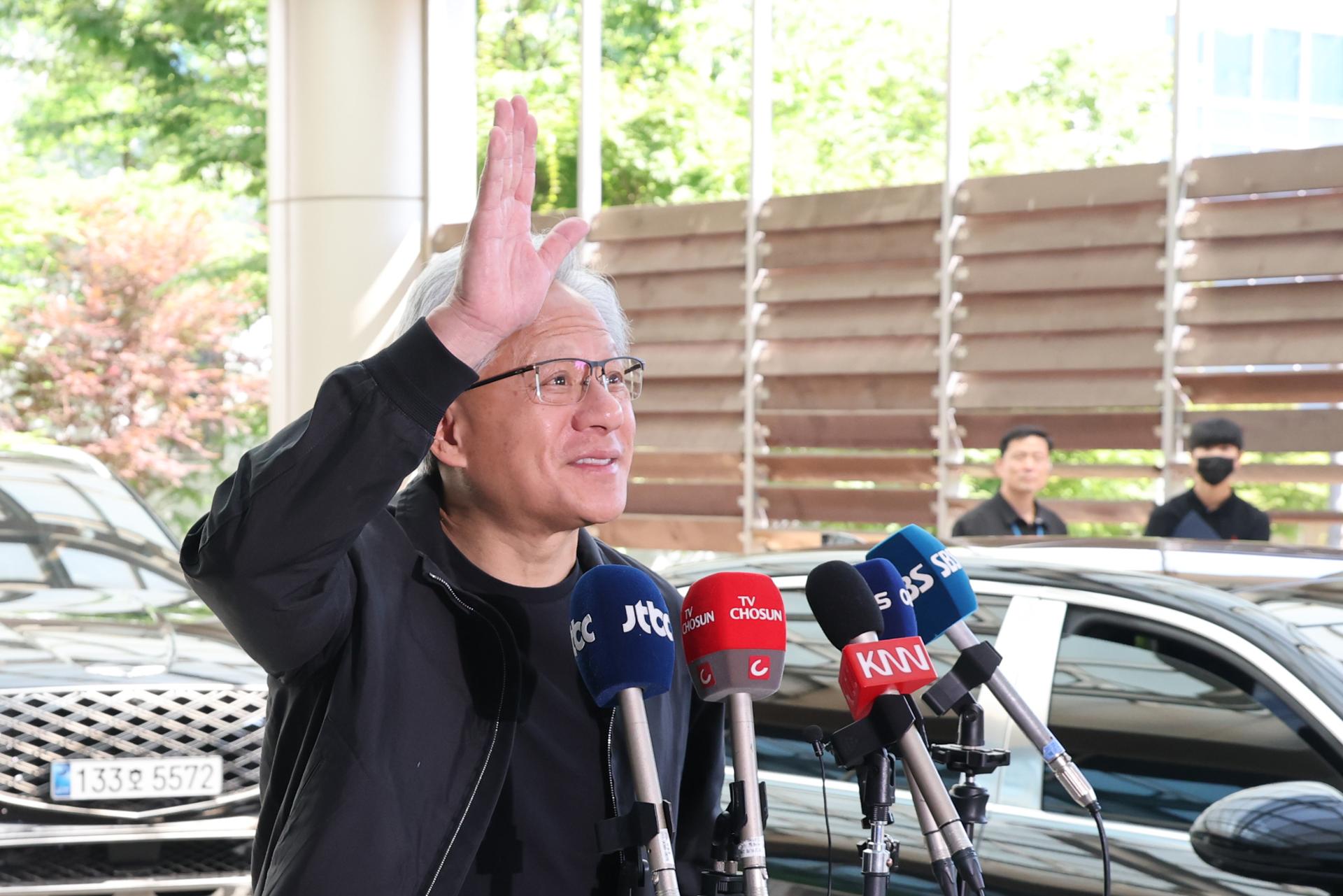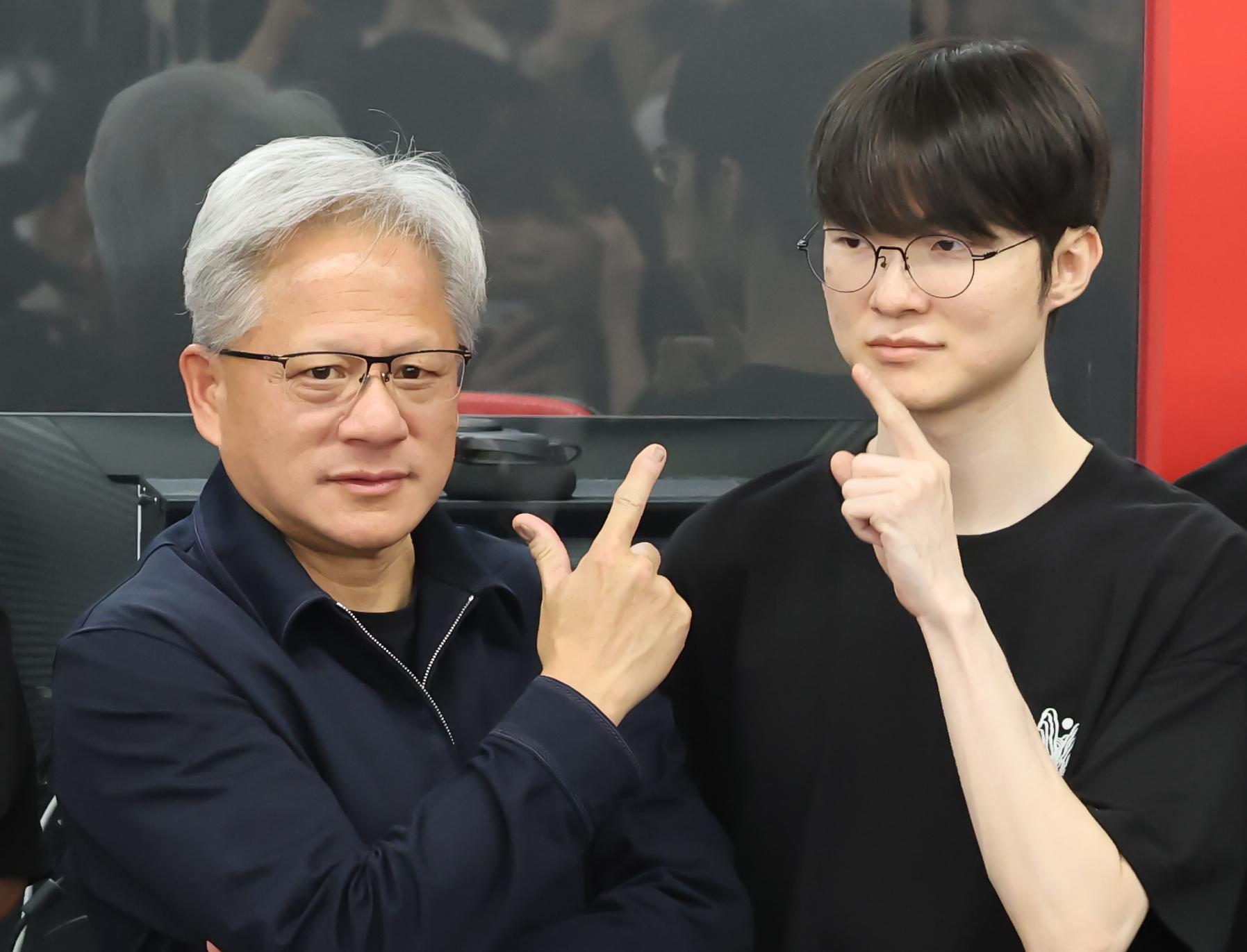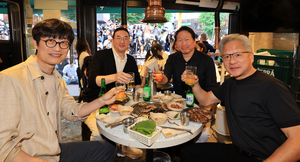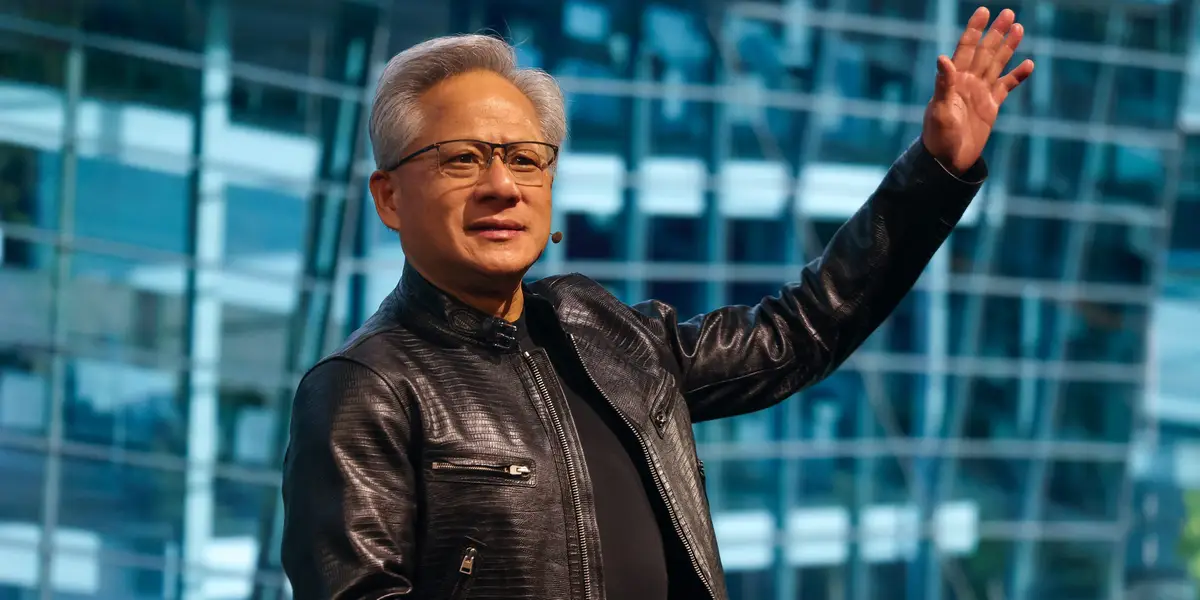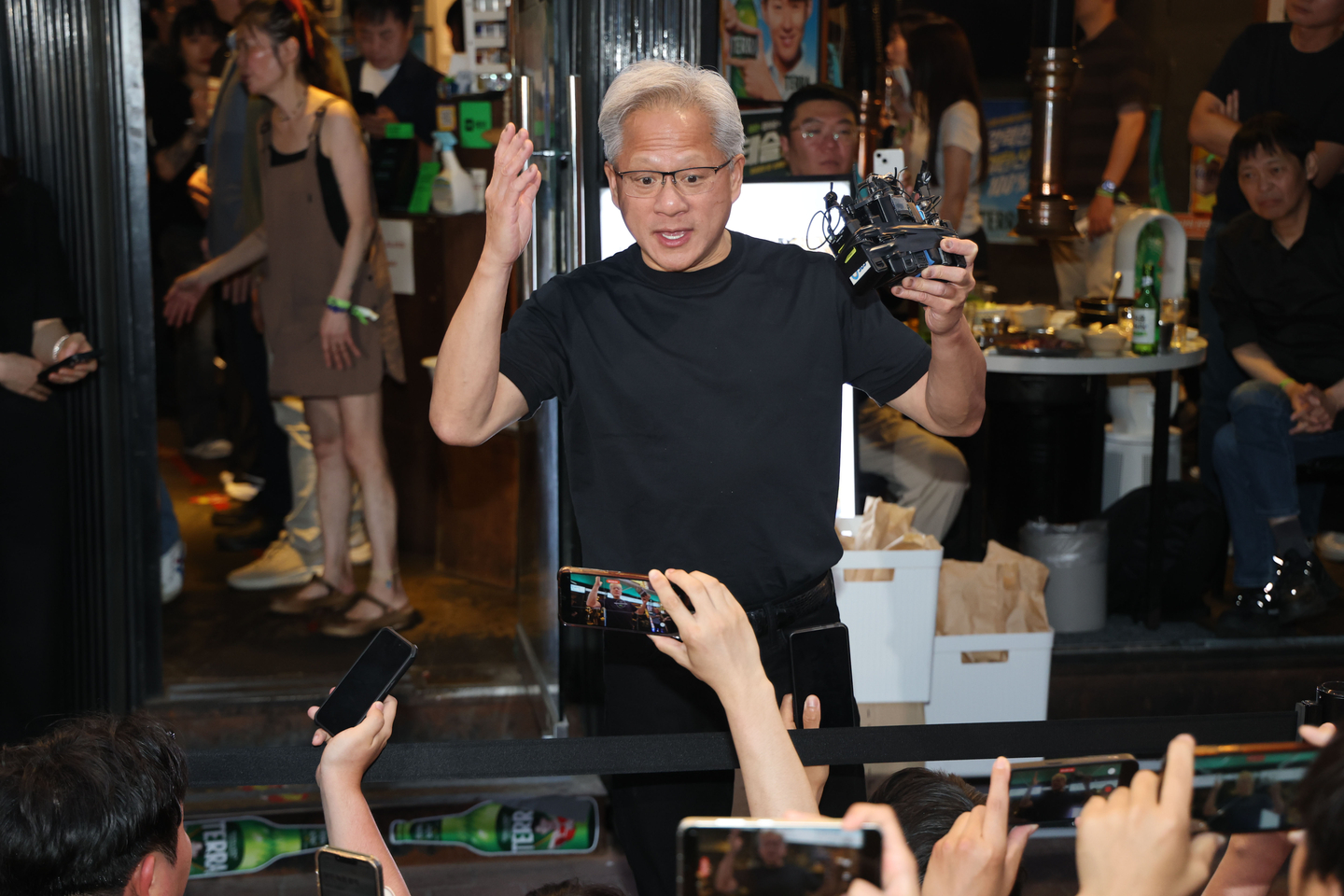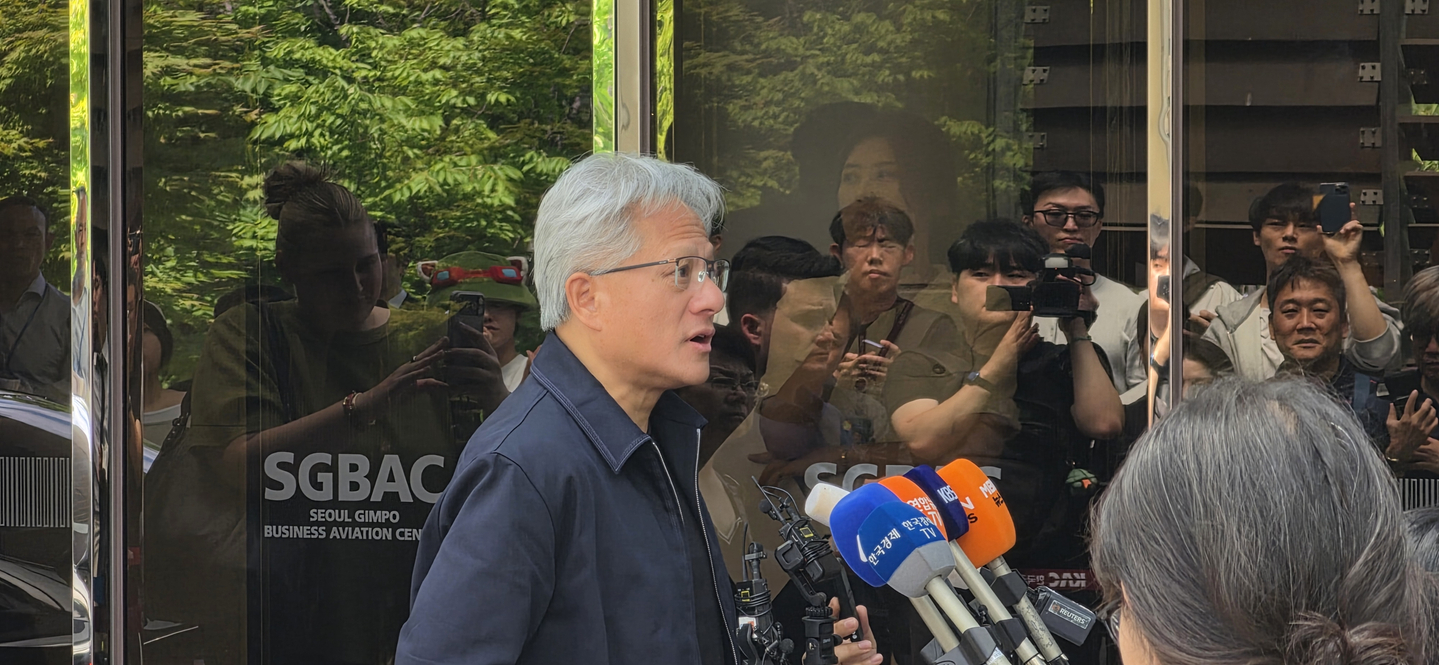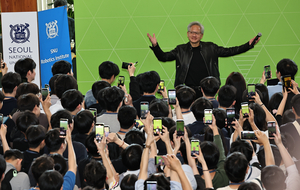
Korea fell for Jensen Huang. The harder question is how much of its AI future it just handed him Nvidia CEO Jensen Huang smiles as Seoul National University students film him during Monday’s Build-a-Claw event at the Haedong Advanced Engineering Building, where his joke that Korea should call him “K-Jensen” drew cheers from the crowd. (Lee Sang-sub/The Korea Herald) "When I left this morning, I was just Jensen. Now I am K-Jensen. Next time I come back, call me K-Jensen."Jensen Huang delivered this line at Seoul National University on Monday, riffing on Korea's export machine. "If you have K-pop, you have K-beauty," he told the students. "Add a K, and it becomes instantly popular."It got the biggest reaction of his visit. But it was a strange thing for the head of the world's most valuable company to say. Nvidia's gaming cards made it a household name, but its fortune and its future now ride on selling AI infrastructure to corporations and governments. These are mostly deals struck in boardrooms, not won with public fame.So why was the CEO of a chip company treated more like a celebrity during his five-day trip? Nvidia CEO Jensen Huang (center) raises a glass with SK Group Chairman Chey Tae-won, Naver founder Lee Hae-jin and LG Group Chairman Koo Kwang-mo during a samgyeopsal dinner near Hongdae in western Seoul on Friday evening. (Yoon Chang-bin/The Korea Herald) Nvidia CEO Jensen Huang hands out chips to a packed crowd outside a samgyeopsal restaurant near Hongdae on Friday evening. (Yoon Chang-bin/The Korea Herald) His second visit in seven months looked nothing like a business trip. After landing at Gimpo last Friday and promising reporters a "surprise gift," Huang spent the next several days winning the country over in the least corporate way imaginable: meeting e-sports star Faker at a PC bang; samgyeopsal and soju with the chairmen of SK, LG and Naver; a wild first pitch and a dance on the stadium jumbotron; a variety-show taping; autographs and banana milk handed to crowds that swelled until police set up barricades. The dealmaking only surfaced in the final two days, in back-to-back signings on memory, robotics and AI data centers.So why does a company whose biggest deals are signed in boardrooms need Koreans chanting its founder's name in the street?A chip giant's need to be loved by Koreans"This wasn't a B2B executive who happened to enjoy the spotlight," said Yoo Hoi-joon, who heads KAIST's AI Semiconductor Graduate School. "Nvidia's customer is no longer just a company's purchasing department. It's whole countries." Nvidia CEO Jensen Huang and SK Group Chairman Chey Tae-won speak to reporters at SK’s headquarters in central Seoul on Monday after announcing broader cooperation on memory and AI infrastructure. (Yoon Chang-bin/The Korea Herald) That shift, Yoo argues, explains everything else. As Saudi Arabia, the UAE, France and Germany race to build their own AI capacity, Nvidia has moved from selling boxes of chips to "entire national systems: the AI factories, the software developers build on, the robotics platforms underneath."Korea's deals fit the pattern exactly, with Naver and SK Telecom committing to gigawatt-scale AI factories, and Samsung and SK hynix, which together make some 70 percent of the memory inside Nvidia's chips, locking in the next generations."When your customer is an entire country," Yoo said, "you cannot win it through the procurement office alone. You have to win the public."What the charm actually buysThat is where the chicken and the baseball come in. Choi Byung-ho of Korea University's Human-Inspired AI Research Institute said this was never only about getting fans to buy graphics cards. Nvidia CEO Jensen Huang meets gamers and signs autographs at T1 Base Camp in Hongdae on Friday, drawing crowds during the first stop of his Korea visit. (Yoon Chang-bin/The Korea Herald) "Think about what that crowd actually was," he said. "Developers, students, the people who'll spend the next ten years building on whatever platform feels normal to them. Huang just made Nvidia feel normal, more of an everyday name." It helped that the ground was already prepared. Korea grew up on GeForce, so a chip founder dropping by a PC bang to meet Faker reads less like a foreign executive's photo op and more like someone coming home.It also softens the "unease of a country wiring its future to a foreign company," and it hands partners like Samsung and Hyundai something money cannot buy. "Stand next to Nvidia in front of the whole country," he said, "and suddenly the world is watching you too."But the same closeness that makes the deals feel easygoing is what worries him. "The danger isn't working with Nvidia, however," Choi added. "It's that Korean AI starts speaking only Nvidia's language," the way its CUDA software already locks in developers and may soon lock in Korea's factories and robots too."You have to hold the hand and let it go at the same time."Rapport is not the same as controlChoi did caution against reading the trip too darkly. Korea's leverage is real and cuts both ways, since Nvidia cannot build its chips without Korean memory. And much of the warmth, he adds, is simply the man. "Behind all the strategy, the biggest thing is that he comes across as a genuinely cool, friendly guy, an engineer who still loves games, not the untouchable boss of the world's most valuable company. That's rare in tech these days, and you can't fake how relaxed everyone looks in those photos with him."Huang's own pitch to the students at SNU, once the jokes stopped, was serious too. "In very few countries in the world do you have, all at once, excellent electronics, excellent cloud, excellent mechanical engineering and manufacturing, and excellent AI," he said."Somehow, in this one country, you've brought all of it together. So this is your time." Nvidia CEO Jensen Huang poses with fans in a Doosan Bears jersey at Jamsil Baseball Stadium in Seoul on Sunday, after throwing the ceremonial first pitch at a KBO game. (Joint Press Corps-Yonhap) The opportunity is genuine. By the time he flew out, Huang had what he came for: a country that no longer saw Nvidia as a foreign vendor at all. But being embraced is not the same as being in charge."Don't read this as a win or a loss," said Kim Hyun-soo, who heads Samsung Electronics' future-technology center. "Korea's standing did go up over the weekend, and that's worth celebrating. But the welcome was ours to give. The decisions are still his."
Why Jensen Huang wanted Korea to call him ‘K-Jensen’
"When I left this morning, I was just Jensen. Now I am K-Jensen. Next time I come back, call me K-Jensen." Jensen Huang delivered this line at Seoul National Un
1,079 words~5 min read