June 11, 2026
By Ehi Braimah
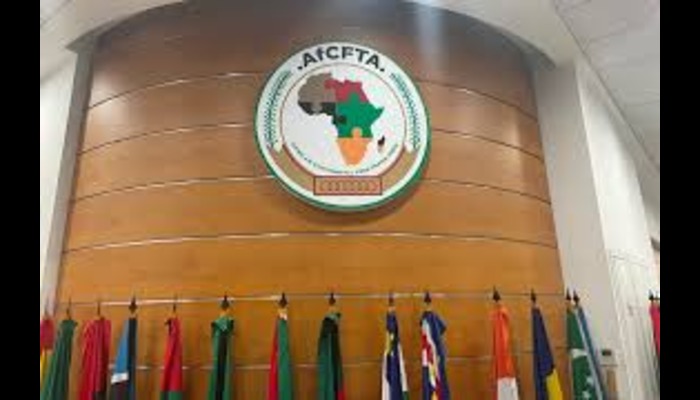
In my last article, I wrote about Biashara Afrika, the premier continental business forum that brings together African heads of state, ministers, policy makers, SMEs, investors, and entrepreneurs to accelerate the African Continental Free Trade Area Agreement (AfCFTA) implementation and explore intra-African trade collaborations. It was the summit’s third edition, which held in Togo from May 18–20.
I explained that AfCFTA is no longer just an idea after the Agreement was signed on March 21, 2018, in Kigali, Rwanda, and commenced commercial trading in January 2021. Since then, the focus of Africa’s most ambitious economic integration project has been on achieving a single market, reshaping trade across the continent, reducing non-tariff trade barriers, and creating opportunities for investors while remembering Kwame Nkrumah’s enduring message: Africa must unite or perish.
As we strive to unite and speak with one voice, African states must align their domestic strategies with the AfCFTA framework. When Nigeria signed the Agreement in July 2019 after months of stakeholder consultations, it wasn’t just joining a treaty – it was betting on a $3.4 trillion continental market to diversify away from oil, create jobs for its over-220-million population, and position itself as West Africa’s trade hub.