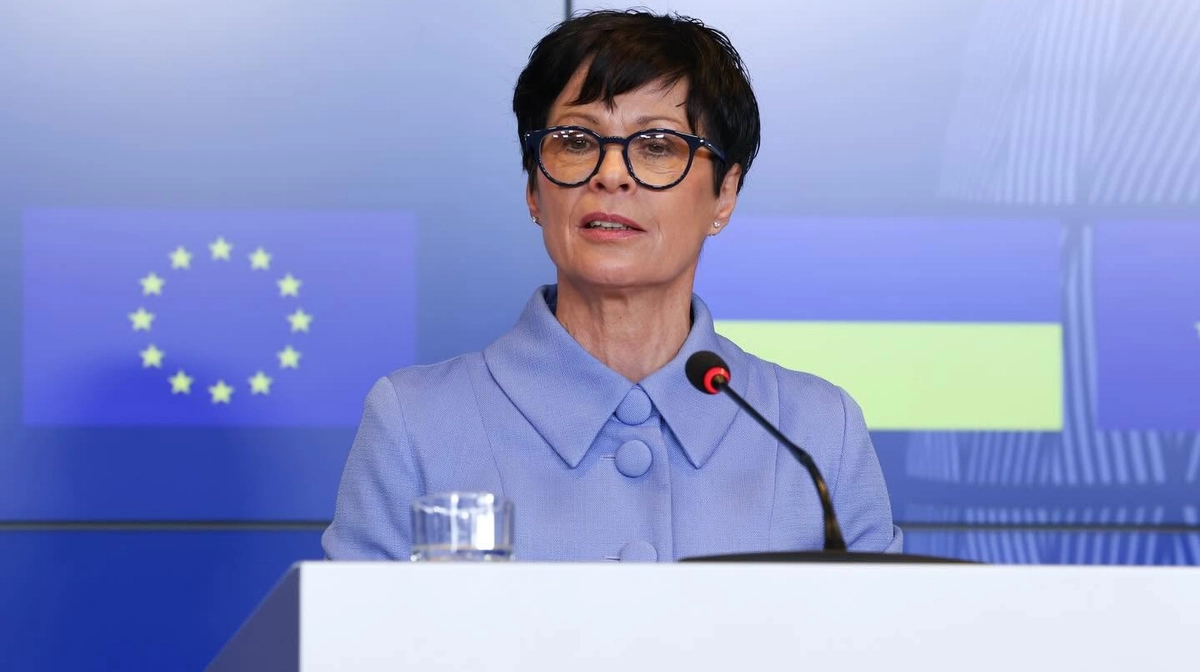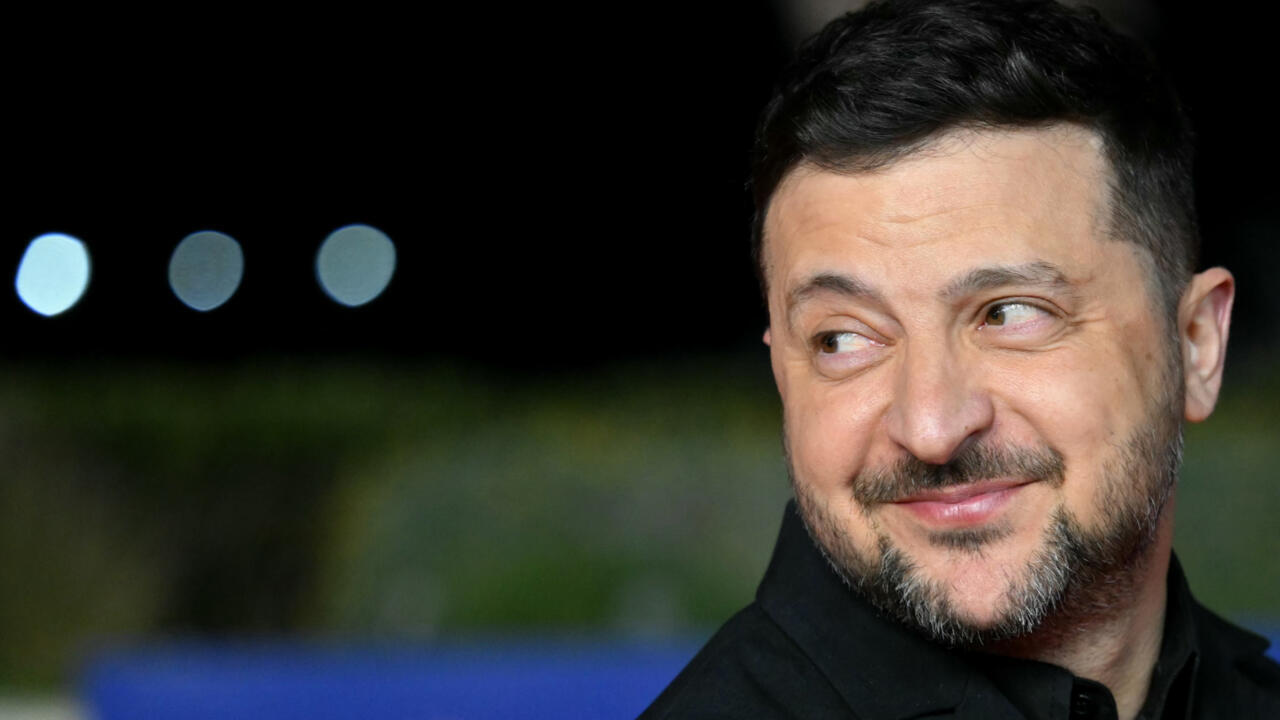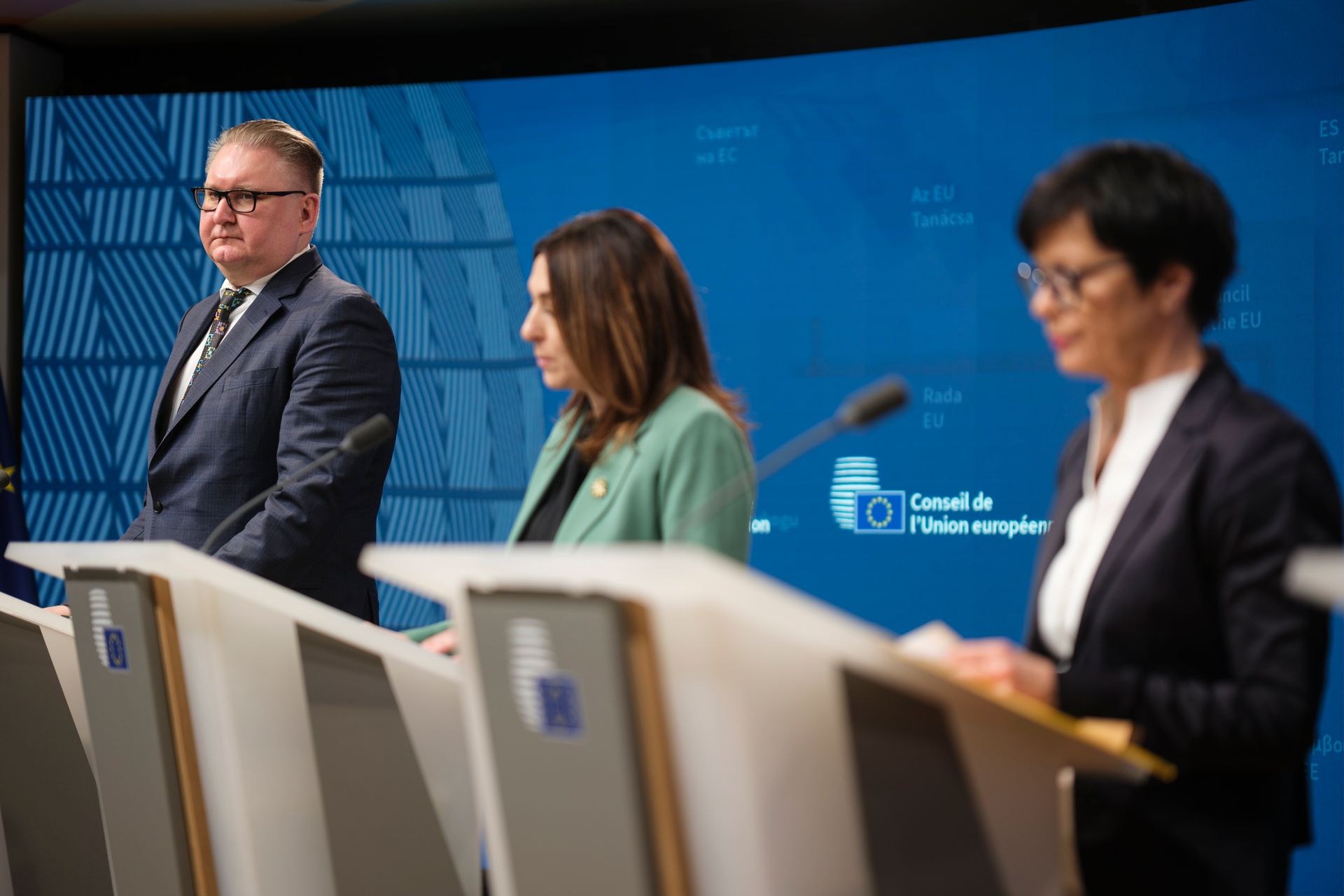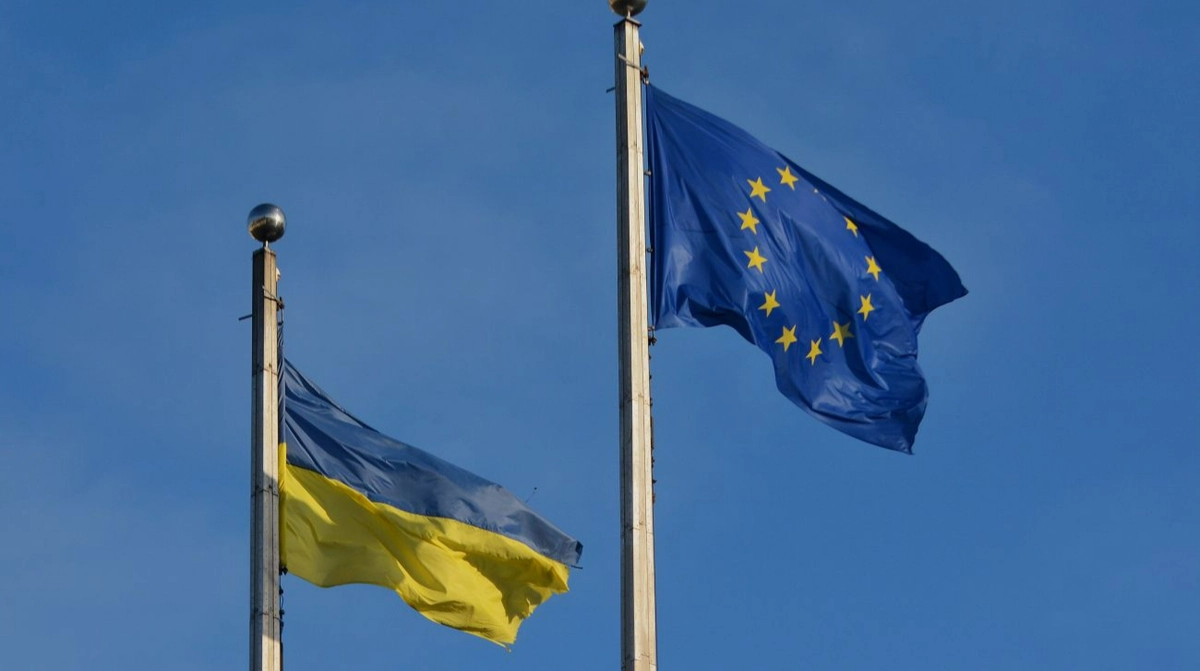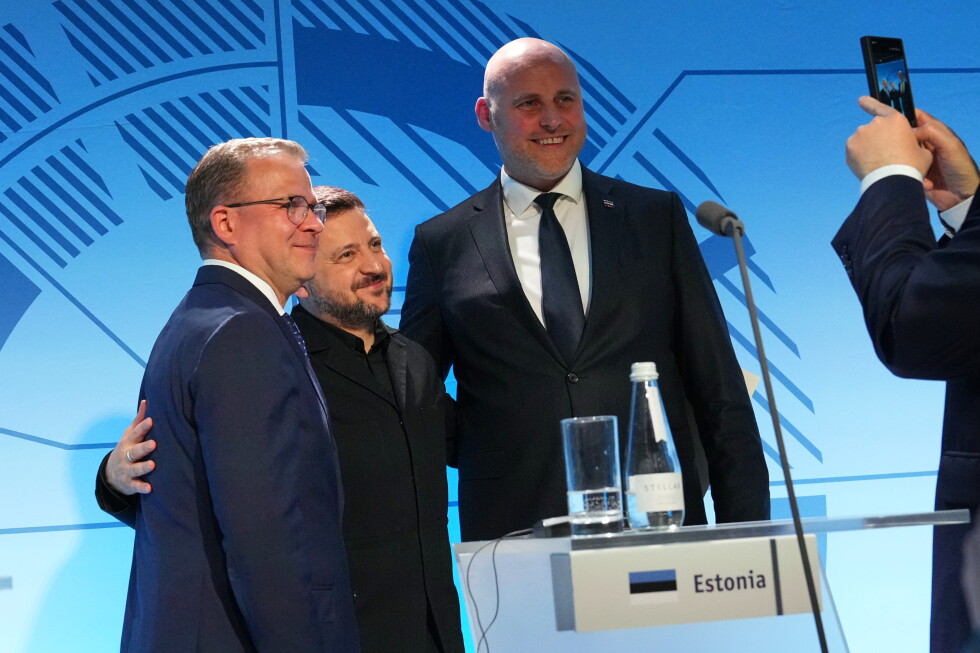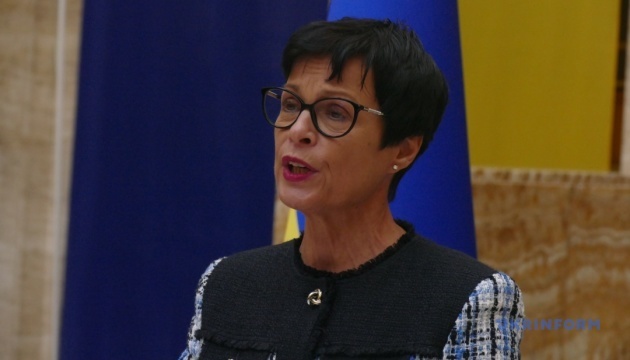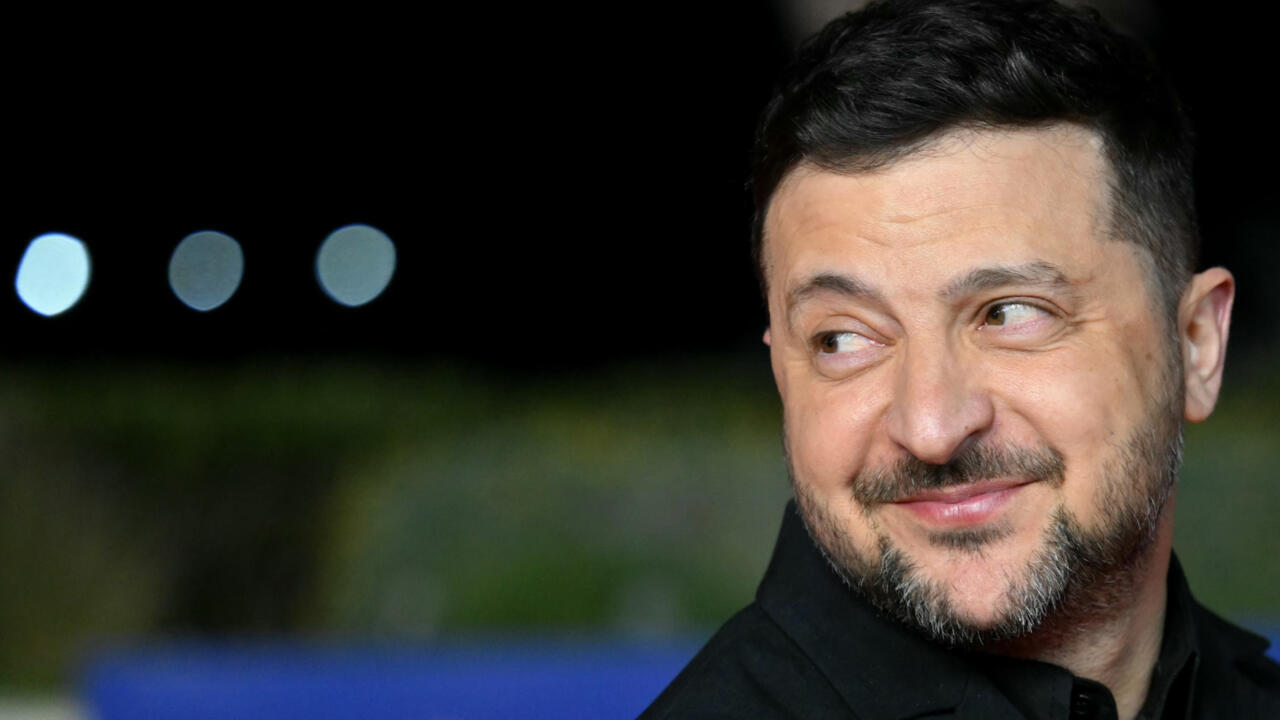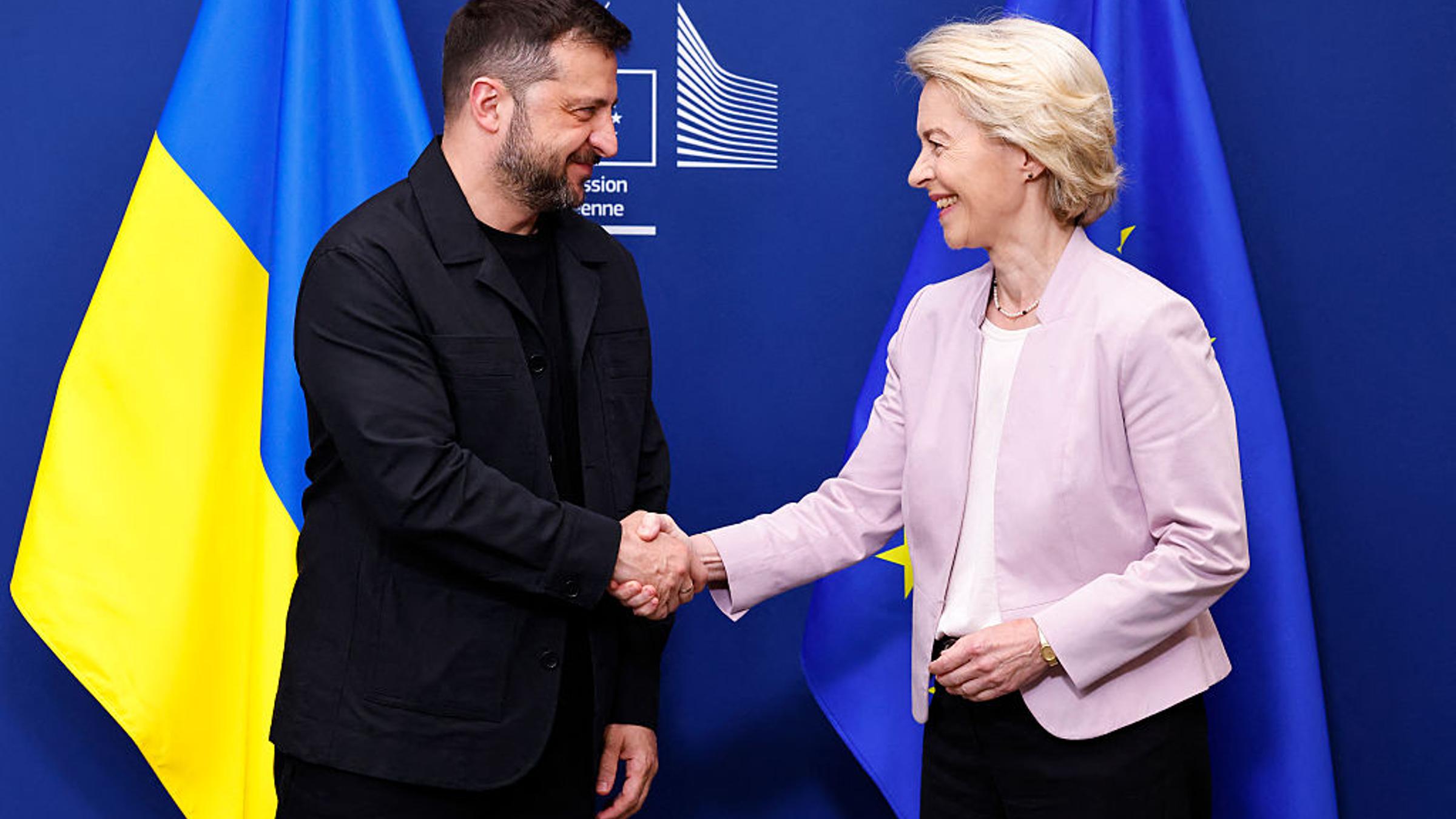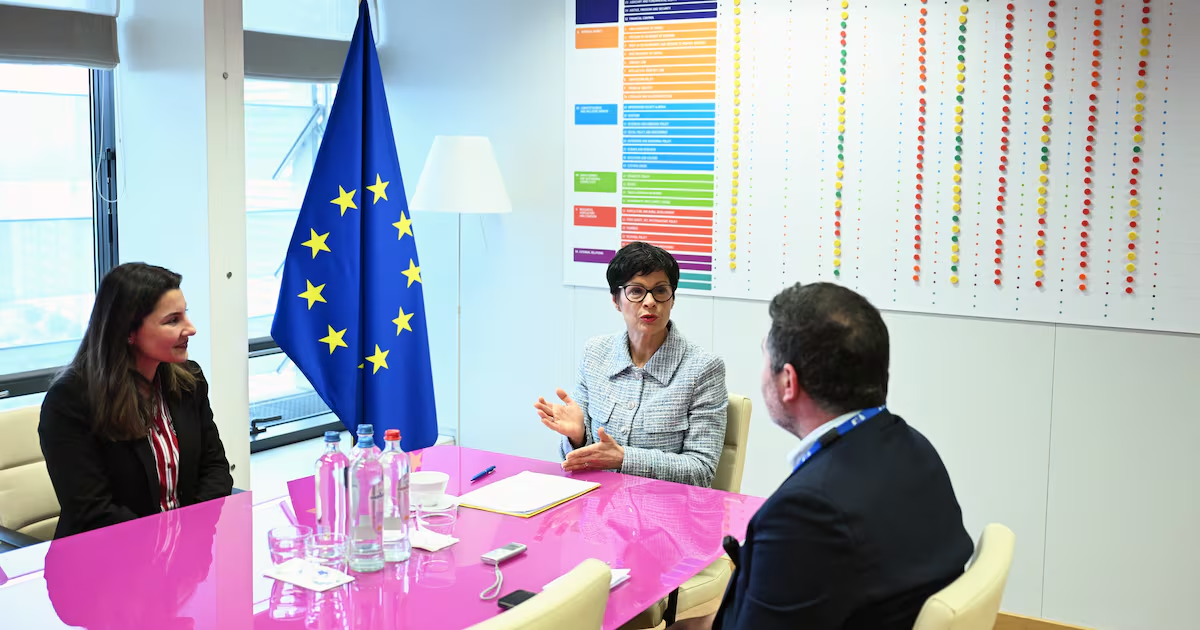
European Commissioner for enlargement Marta Kos has a large whiteboard on one wall of her office covered in different coloured buttons. The board maps out the progress of each candidate country on their journey towards EU membership, across the 33 different “chapters” of internal reforms that have to be completed. Small magnetic yellow buttons mark chapters where negotiations are ongoing, green ones signify when they have been ticked off. Red means formal talks are not taking place. She likes the green buttons best. The commissioner, a former Slovenian diplomat, is in charge of the EU’s winding accession negotiations to bring Montenegro, Albania, Serbia, North Macedonia, Moldova, and the big one, Ukraine, into the bloc. Montenegro has a decent bit of green on the board. The small Balkan country hopes to finish all of the accession homework by the end of this year, clearing the way for it to join the union as early as 2028. “Today we are paying the price for our inaction in the past, where enlargement has not been the priority,” Kos says. Russia’s invasion of Ukraine changed things. Several days after Russian tanks streamed over the border, Kyiv formally applied for EU membership. “We are still using the methodology which was used 40 years back when Spain and Portugal entered the EU, so if there is a time to accelerate the enlargement process it is now,” the commissioner says. Ukrainians attend an open-air exhibition of destroyed Russian military equipment in Kyiv, Ukraine. Photograph: EPA EU member states need to unanimously sign off on every step of candidate countries’ journey. They are set to formally open the first cluster of negotiating chapters on Ukraine’s bid in the coming days. Hungary’s far-right prime minister Viktor Orbán had been blocking Ukraine‘s initial steps towards EU membership, but the election of Péter Magyar in Budapest this April removed that block. “Our goal is that all the clusters will be open for Moldova and Ukraine in July ... I hope that this will be the first big success of the Irish [EU] presidency,” Kos says. A country of 35 million people with a huge agricultural base, which will be recovering from a devastating war, would reshape the EU’s single market, its budget and the Common Agricultural Policy. Kos, speaking to The Irish Times in Brussels before a visit to Ireland, says Kyiv had been carrying out sweeping structural reforms under “almost impossible” conditions. “They’re doing this while the bombs are falling,” she says. France, the Netherlands and Poland are among the EU states who have concerns about rushing Ukraine into the fold too quickly. Ukrainian president Volodymyr Zelenskiy wants a solid commitment to sell to Ukrainians as a big win in any peace agreement that will involve painful concessions elsewhere. Ukraine’s president Volodymyr Zelenskiy. Photograph: Omar Havana/AP A country of 35 million people with a huge agricultural base, which will be recovering from a devastating war, would reshape the EU’s single market, its budget and the Common Agricultural Policy. The commissioner points out that there are often transitional arrangements in place when countries join the bloc. Poland was phased into EU agricultural subsidy schemes over the course of 20 years after it joined. “Only two years back Polish agriculture was 100 per cent integrated ... So we have instruments where we can take care [of] that when we enlarge,” Kos says. “The accession process should remain merit-based, but we could do more, and we can do more in the field of gradual integration,” she says. That could include knitting prospective members into aspects of the union’s common market, she says. Her country, Slovenia, was the first of the former Yugoslav states to join the EU club during the 2004 enlargement eastward. Expanding the EU was the best geopolitical response to counter the Russian threat, she said. Zelenskiy had called for Ukrainian membership as early as 2027 and thrown out 2030 as another date. “There are really no short cuts in the accession process and there are good reasons for this,” Kos says. European governments have rejected the idea of a fast-track path to bring Ukraine into the union next year as a non-starter. However, the 2027 timeline floated by Zelensky was a “wake up call” for Brussels to get its house in order, Kos says. “Once we will have peace, we have to be ready,” she says. European commissioner for enlargement Marta Kos. Photograph: Dursun Aydemir/Anadolu via Getty Images European leaders agree Ukraine can’t be left in the waiting room for years and years. “If Ukraine would have to wait for starting the negotiations as long as North Macedonia is waiting, we would start at the earliest point in 2045,” the commissioner says. The political will to kick off negotiations is one thing. Concluding them could be contentious for national governments. France has a requirement that any further EU expansion is put to a referendum. “I’m happy that in Ireland close to 60 per cent of the people are supporting the enlargement. We have some countries where the support is below 50 per cent,” Kos says.European politicians had to do a better job explaining the upsides of welcoming Ukraine and other new members, the commissioner says. Enlargement was about more than making the union “bigger in square kilometres”, she says. “It is the biggest contributor to security in Europe ... Enlargement will happen. The question is with how many countries.”Kos is hoping to put a lot more green buttons on her board over the coming years.
The EU plan to add seven new member countries, including Ukraine
EU enlargement commissioner Marta Kos says Ukraine making good progress on structural reforms under ‘almost impossible’ conditions
915 words~4 min read