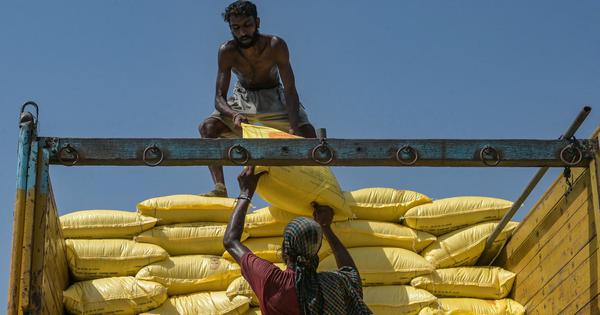
File picture: A farmer sprinkles urea on his paddy crop on the outskirts of Hyderabad
| Photo Credit:
India, the world’s largest urea importer, drew prices that were less than half of an April tender, a sign that the global fertilizer supply strain from the war in Iran is starting to ease.National Fertilizers Ltd., a state-run producer that also imports the nitrogen-based crop nutrient for the government, has been seeking to buy 1.7 million tonnes of the fertilizer variety in a tender that closed Monday. The company received offers between $444.90 and $617 a tonne, according to people familiar with the matter.Offers for the west coast totaled about 3.1 million tonnes above a target for 900,000 tonnes, and a similar quantity for the east coast versus a target of 800,000 tonnes, said the people, asking not to be identified due to the commercial sensitivity of the information.A Fertilizer Ministry spokesperson didn’t immediately reply to an email seeking comment outside of business hours. The Strait of Hormuz is a major conduit for fertilizer trade and its near-closure since the outbreak of the war has sent global costs soaring. India paid $935 to $959 per tonne to procure supply in April, close to double pre-war levels. However, costs in some markets have now begun to ease. That’s partly driven by weakening demand as farmers grapple with lacklustre grain prices. India’s purchases are closely watched as a price benchmark for other importers. The decline in this week’s tender could help the country control its fertilizer subsidy bill. Still, the country is ramping up purchases of liquefied natural gas from the spot market in tandem, partly to meet demand for domestic urea production. That’s coming at a cost, with spot LNG prices at about $18 to $19 per million British thermal units, compared with roughly $13 per million Btu under long-term supply contracts — which fertilizer plants previously largely relied on. The gas is a key feedstock to make urea. India regularly turns to global tenders to bridge its urea deficit. The latest procurement is the second since the start of the US-Israeli conflict with Iran and comes during the monsoon sowing season for crops including rice, corn and soyabeans — a major planting period. The country’s domestic urea production was also disrupted earlier this year as the process relies heavily on natural gas, much of it sourced from West Asia. India requires about 38.4 million tonnes of fertilizer for crops grown during the June-September rainy season, according to the Fertilizer Ministry. Current inventories stand at about 19.8 million tonnes, the ministry said.More stories like this are available on bloomberg.com©2026 Bloomberg L.P.Published on June 11, 2026