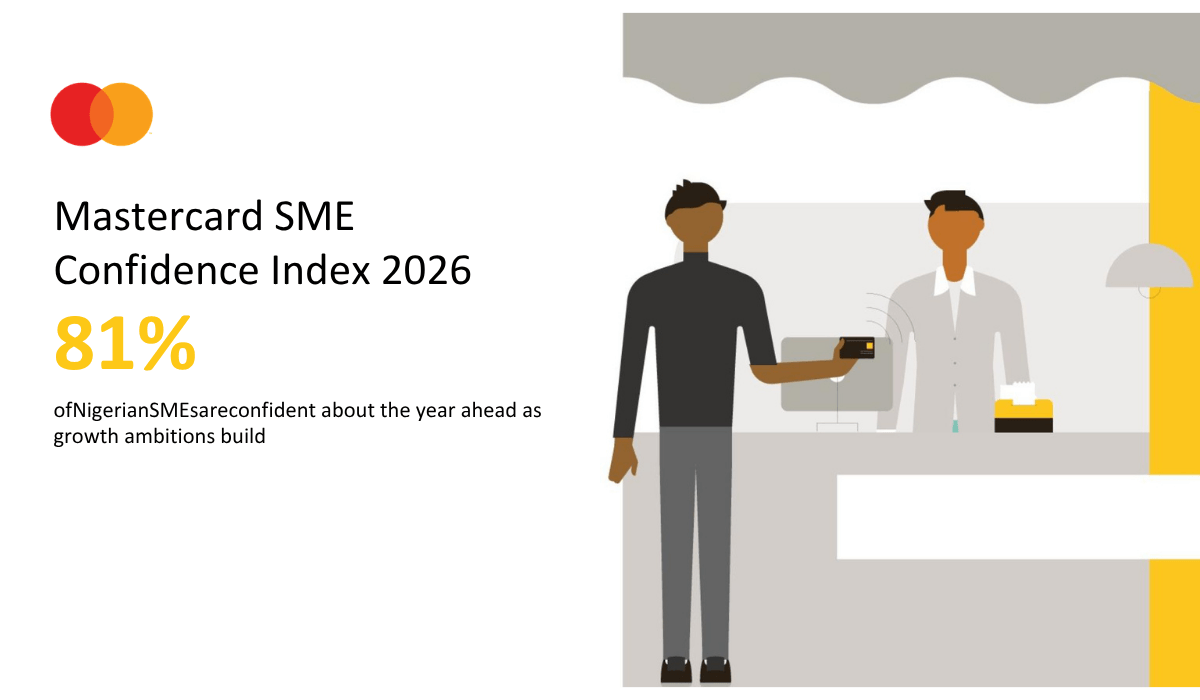
Improved electricity supply has emerged as a bigger driver of small business recovery than Black Friday and festive season trading, according to the latest SME confidence index by SME financier Business Partners.The quarterly index is a sentiment survey tracking business outlook and operating conditions among South African small and medium enterprises (SMEs) across a range of areas including demand, access to finance, labour and broader economic confidence. The latest release covers the fourth quarter of 2025.It finds that 73.4% of SMEs surveyed said a period of improved electricity stability after the extended suspension of load-shedding improved their operations. In contrast, 46.5% reported that seasonal trading had no significant impact on their business performance, while a further 8.1% reported a negative effect.The findings contrast with official retail data showing stronger consumer spending over the period. Stats SA reported that retail sales reached R117.9bn in November 2025, a 3.6% increase from a year earlier.Business Partners MD Jeremy Lang said the results point to uneven benefits from peak shopping periods across the SME sector.“While seasonal trading periods such as Black Friday and the festive season provide a boost for some South African small businesses, their impact is more modest and uneven than one might think,” Lang said.“The findings of our quarter four index suggest that seasonal demand alone is not a guaranteed driver of meaningful performance and financial gain for SMEs, particularly in the context of constrained consumer spending and rising operating costs.”By comparison, improved electricity reliability provided more consistent operational relief. According to the survey, reduced power interruptions allowed SMEs to operate more predictably, limit reliance on costly backup power and improve productivity.“The significant reduction in load-shedding during 2025 enabled more predictable operating hours, reduced reliance on costly backup power, and supported improved productivity,” Lang said.The survey shows greater operational improvements from electricity stability than from short-term shifts in consumer demand.“While festive demand remains relevant, businesses need a stable operating environment to unlock growth and manage costs effectively,” he said.The fourth-quarter 2025 index also shows a gradual improvement in business confidence, pointing to a slightly firmer outlook as SMEs moved into 2026.Confidence that businesses would grow over the next year rose to 81%, from 79% in the previous quarter, though still down from 84% in the fourth quarter of 2024.Additionally, confidence that the South African economy would be conducive to business growth increased to 69% from 64% in the previous quarter and remained unchanged from a year earlier.Other indicators also improved. Confidence in access to finance rose to 65%, while confidence in finding suitably skilled staff increased to 73%. Confidence that customers would pay within agreed timeframes rose five percentage points to 73%, reversing some of the pressure seen in the previous quarter.However, SMEs continue to face a difficult operating environment. The survey identified cash flow pressures, economic conditions and crime as persistent constraints, while confidence in government support for SMEs remained relatively low at 47%.Overall, the data presented a mixed picture of the sector.“SMEs are still under pressure, particularly as seasonal trading did not deliver the uplift many would have been hoping for,” Lang said. “However, there are clear signs that greater stability in electricity supply is helping to unlock renewed optimism and lay the groundwork for more sustainable growth.”
Electricity reliability proves key to SME growth, survey shows
Improvement had a greater impact than seasonal trading periods like Black Friday
539 words~2 min read