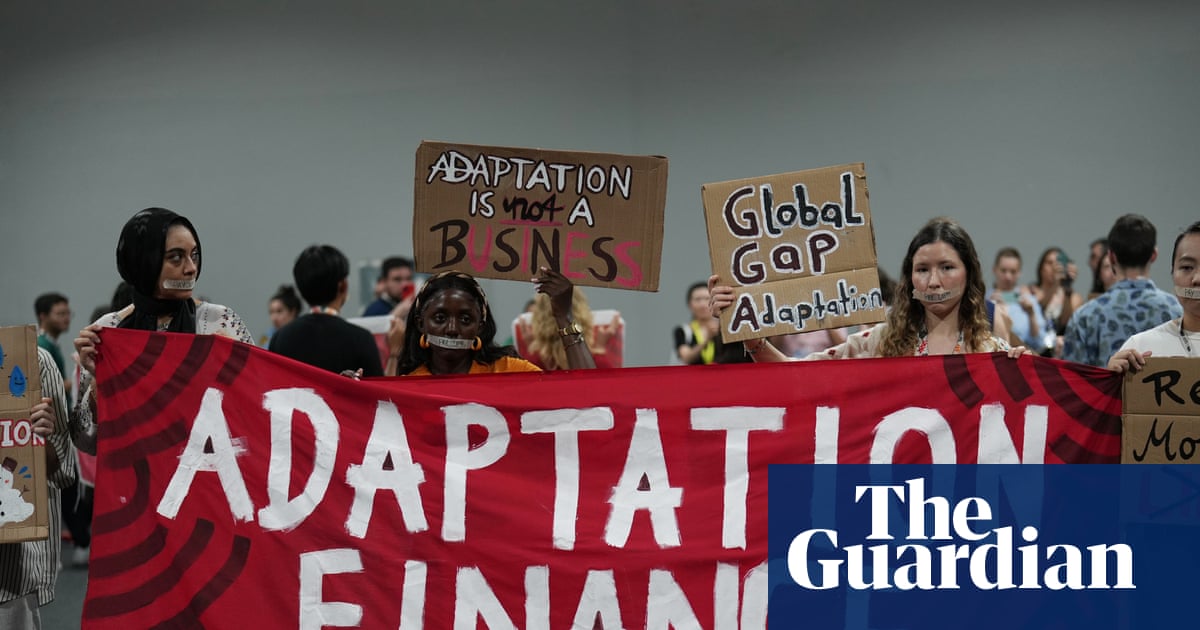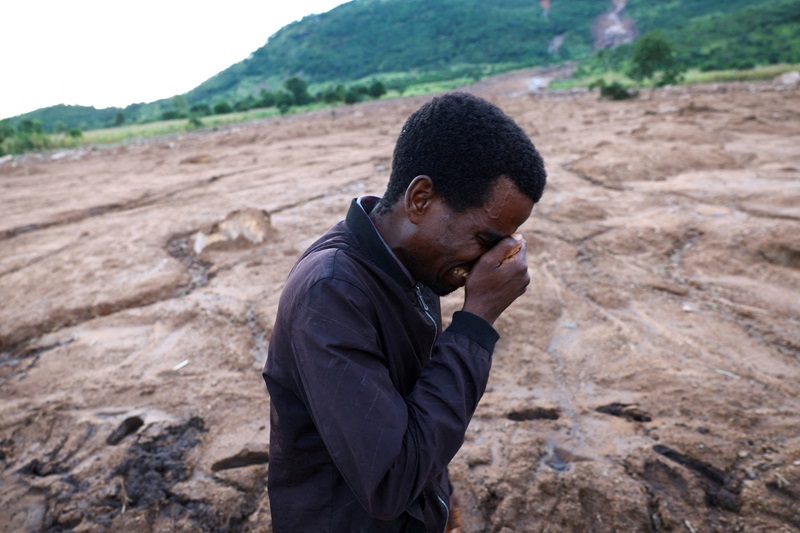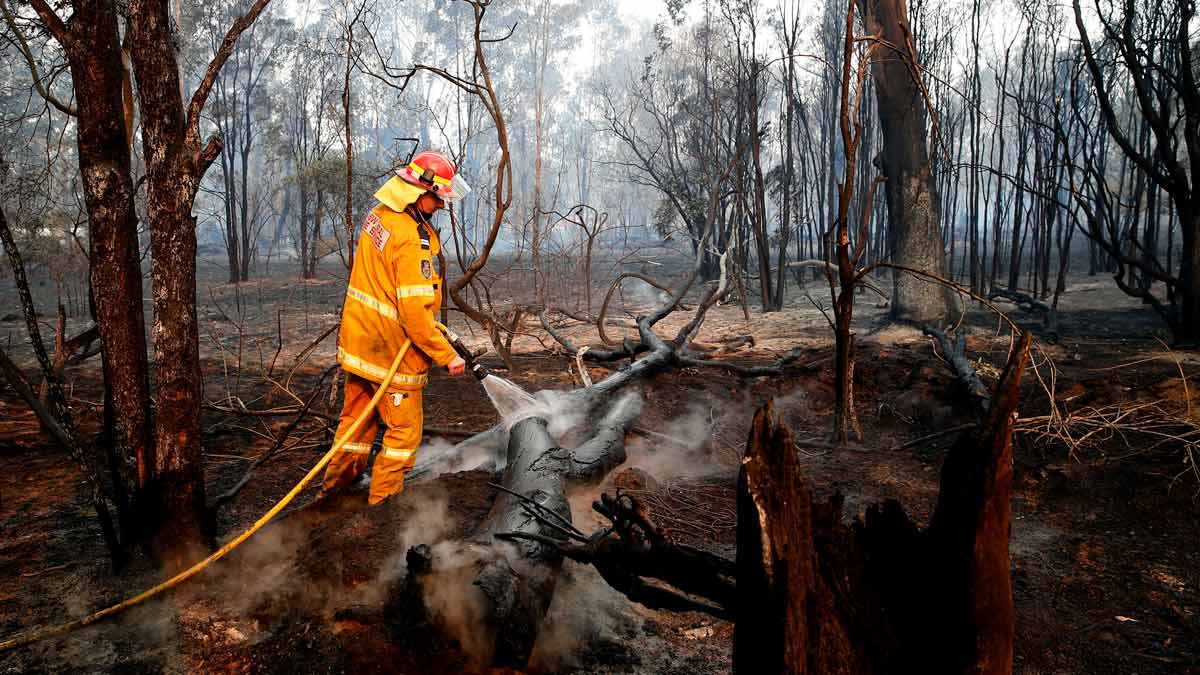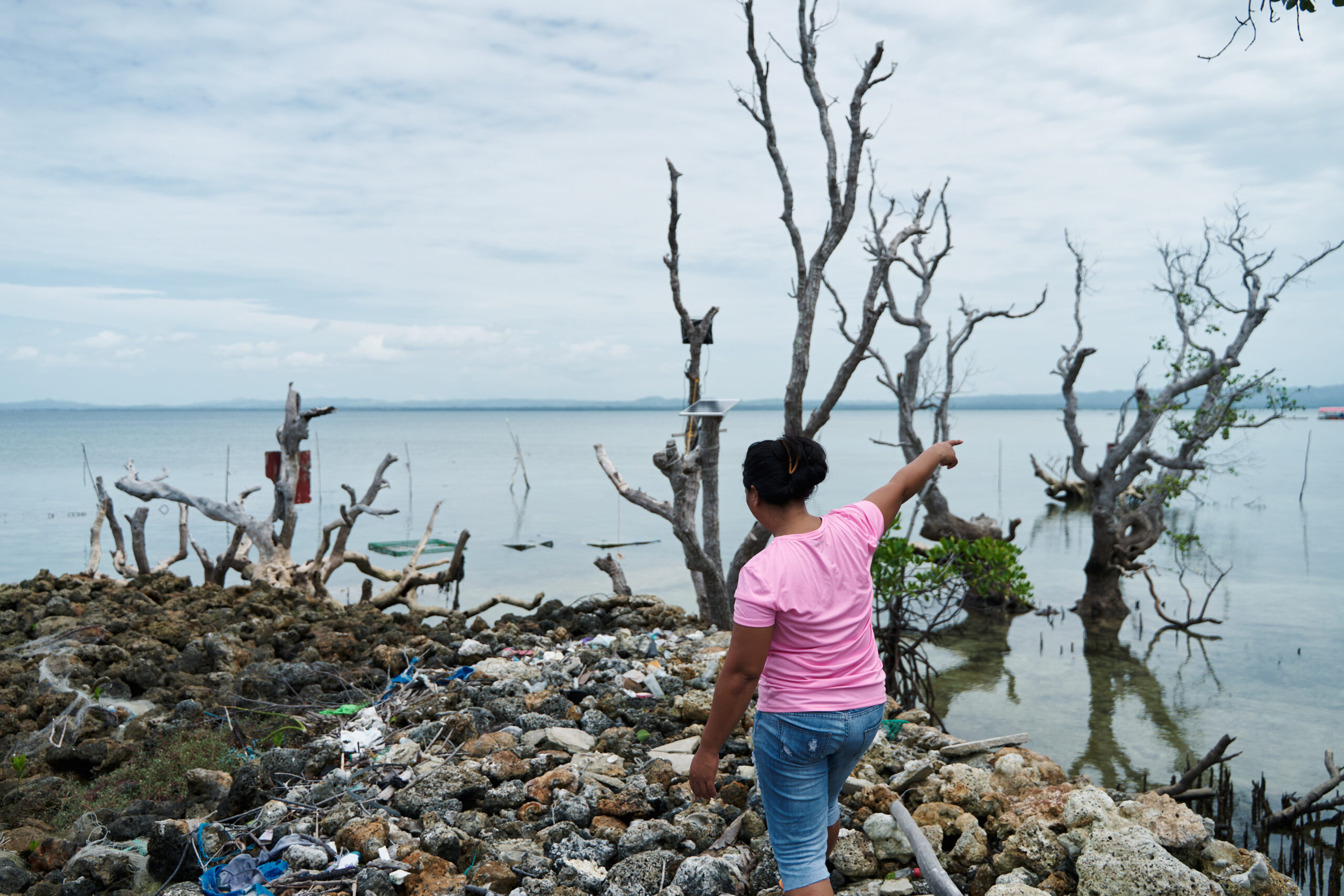
The Loss and Damage Fund, established at the climate conference in 2022, is still finding its feet and struggling to raise money.A new proposal seeks to combine taxation, direct benefit transfers and insurance to raise and disburse climate finance more effectively and equitably.The plan would require low- and middle-income countries to adopt a progressive carbon price or tax, while high income countries would create regular sources of funding.
After years of debate, countries agreed to establish a fund for losses and damages from climate change at the 27th Climate Conference of Parties (COP27), under the UNFCCC that took place in 2022. At the time, its establishment was hailed as a recognition of the unequal impacts of global warming on poorer countries. Three years later, however, the Fund for Responding to Losses and Damages (FLRD) is still finding its feet and struggling to raise money.
Currently, the FLRD has accepted voluntary pledges amounting to $768 million from 28 countries. Of these, 22 countries have signed contribution agreements, and 19 have released initial funding commitments. But these pledges are woefully inadequate: The actual cost of disasters is estimated to be over $2.3 trillion annually when cascading and ecosystem costs are taken into account. A fresh round of funding requests for FLRD will open in mid-December, with disbursals expected to start by June 2026.