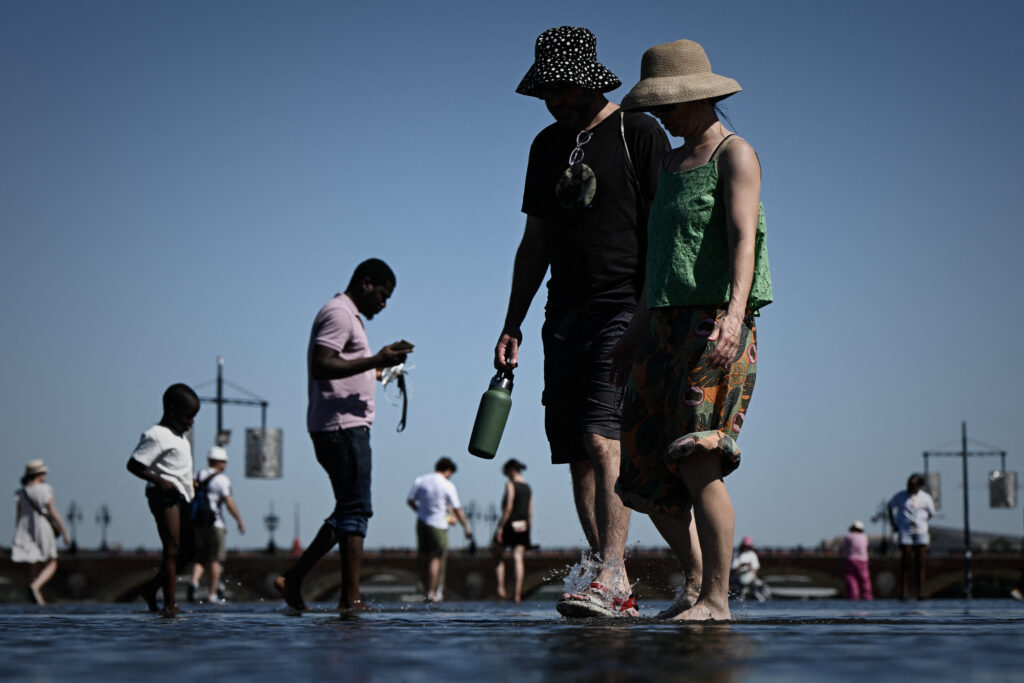
BELEM, Brazil: With more than a half-million people worldwide dying from heat-related causes every year, a group of philanthropies is putting $300 million into developing life-saving solutions as global temperatures continue to rise.
The money, announced this week at the COP30 climate negotiations in Brazil, is aimed at developing data and figuring out the best investments for tackling rising risks from extreme heat, air pollution and infectious disease.
“We are a philanthropy. We can’t just keep plugging holes and resuscitating a dying model of development,” said Estelle Willie, the director of health policy and communications at The Rockefeller Foundation, one of the funders.
“So what we are trying to do is through our philanthropy capital, we can start testing and validating new solutions through this work and coming together,” she said. Separately, COP30 host Brazil launched an initiative called the Belem Health Action Plan to encourage countries to monitor and coordinate climate-related health policy across their various ministries and departments.
That effort is part of Brazil’s broader focus at the UN climate talks on bolstering countries’ ability to prepare for – and adapt to – worsening climate impacts including floods, fires, drought, storms and hurricanes.