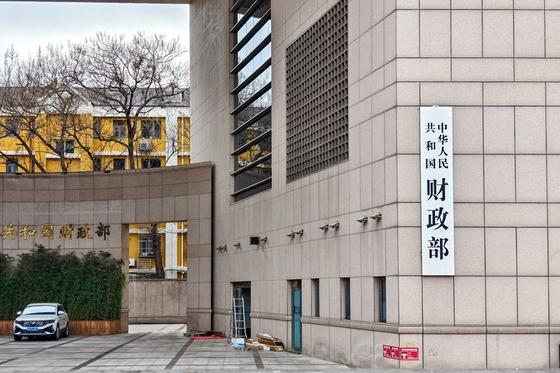
After China's central government raised the proportion of after-tax profits that State-owned enterprises must remit to the State, a growing number of provinces are following suit, aiming to ease widening fiscal revenue-expenditure gaps and free up more funds for social welfare and livelihood programs.
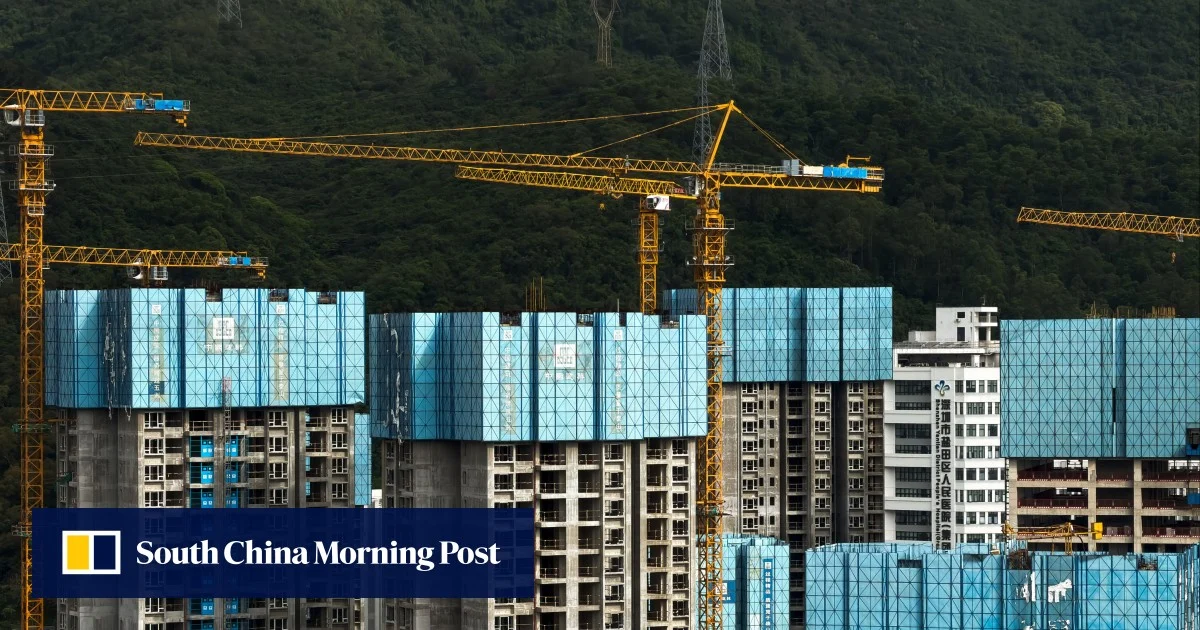
The moves come as local governments face mounting fiscal pressures from a protracted property downturn, weak land sales and rising mandatory spending on pensions, healthcare and debt servicing, and tapping SOE profits has become an increasingly important lever, experts said.
The provinces of Guangdong, Jiangxi, Jiangsu and Hainan have all signaled in their recently released 15th Five-Year Plan (2026-30) outlines that they will "reasonably raise" profit remittance ratios of local SOEs, and/or dynamically optimize collection rates.
Localities such as the provinces of Guizhou and Hunan, as well as the Guangxi Zhuang autonomous region, have already steadily increased their own ratios.
China launched its State capital operations budget in 2008, requiring wholly State-owned enterprises to hand over a portion of their after-tax profits. The rates have been raised several times since.