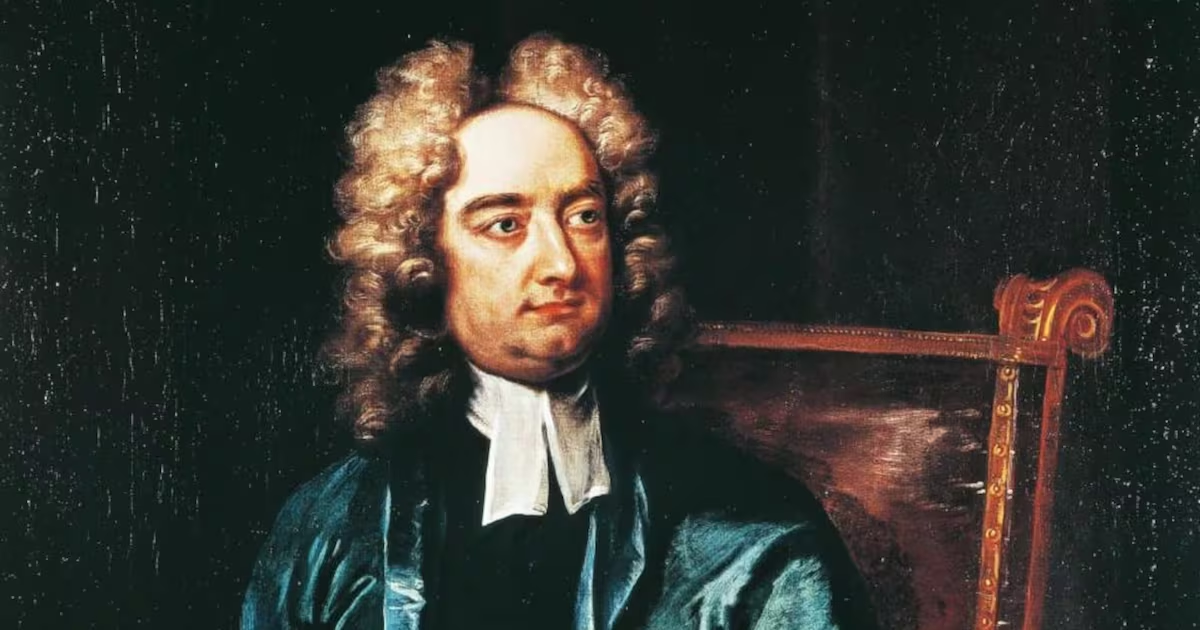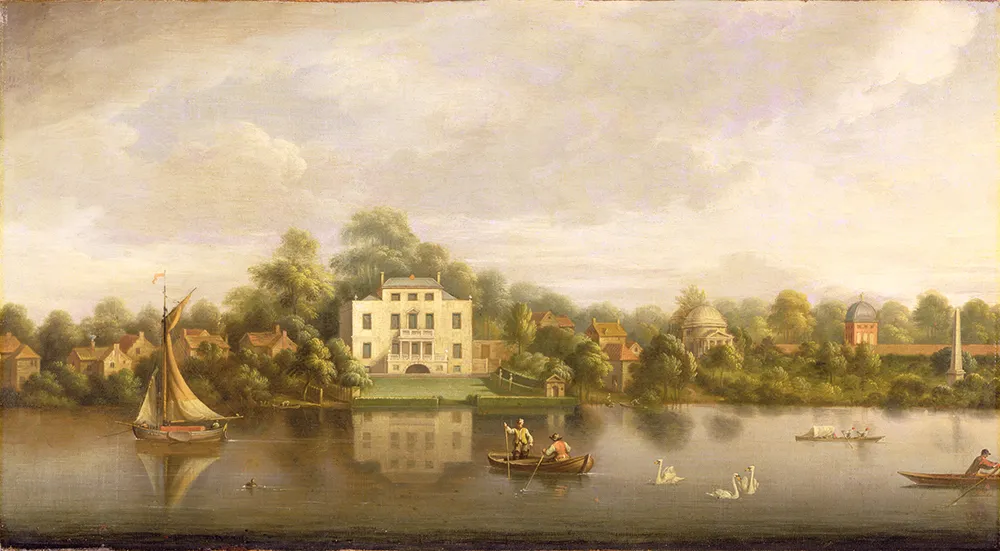
In the summer of 1726, the writers Jonathan Swift and John Gay spent several weeks at the home of their friend Alexander Pope on the banks of the Thames at Twickenham (then known as ‘Twitnam’), not resting but toiling away at their various literary activities and mutually inspiring each other.
On the surface they were an unlikely trio: Swift was almost 20 years older than either Pope or Gay; Pope was Catholic (at a time when Catholicism was still treated with suspicion) and financially independent, while Swift was an Anglican cleric, the Dean of St Patrick’s Cathedral in Dublin. Gay, in contrast, was a jobbing writer, dependent for financial security on his amiable sociability and maintenance of good relations with a long list of wealthy patrons. Swift, who was fastidious (ordering and roasting his own coffee beans) and stern, thought Gay lazy and irresponsible, telling Pope: ‘He hath as little foresight of age, sickness, poverty or loss of admirers as a girl of 15.’ Yet he was deeply affected by Gay’s early death in 1732, at the age of 47, writing to Pope that he was not yet ‘hardened’ by life to such a loss.
Most popular
Belfast and the truth about ‘alien cultures’
What all three shared was their wit, which at that time meant not just humour but the ability to make connections between ideas and to dazzle with their use of language and clever verse. In different ways (Pope with poetry, Swift in essays and Gay in his dramas and opera) they each had a keen eye for the absurd, cutting through hyperbole and the disguises we adopt to hide our true nature.