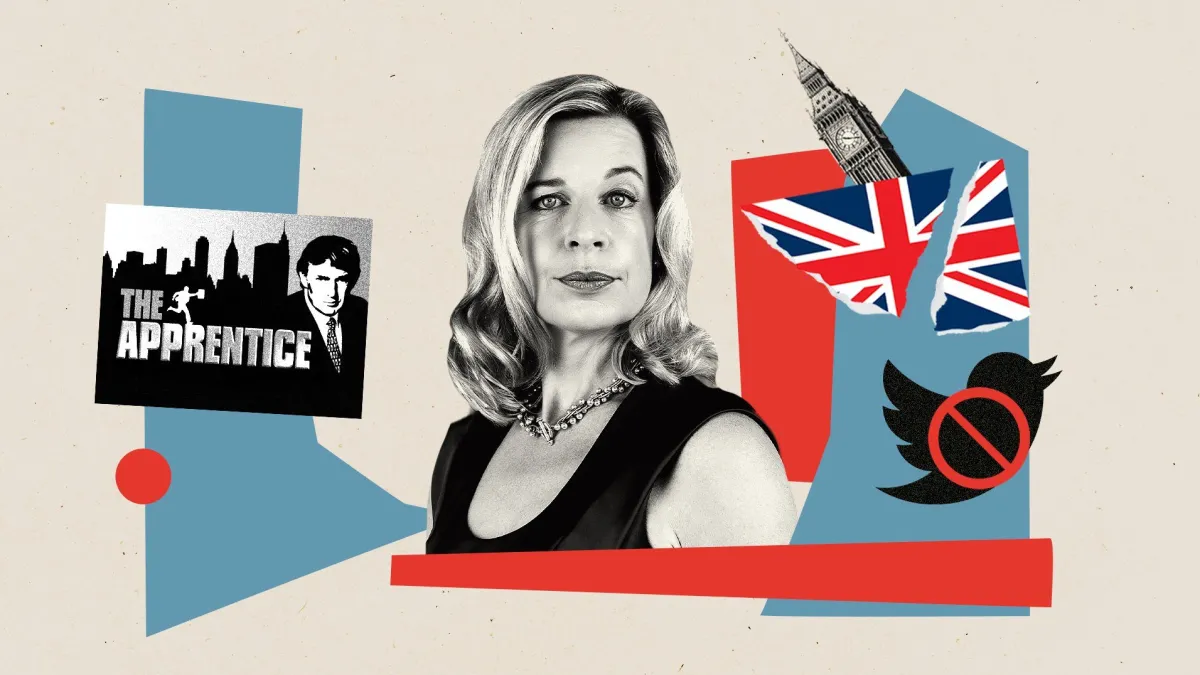
I get the sense that the political and media class badly miss Katie Hopkins. Back when the reality TV star was still a regular on our screens and in our newspapers, she could be relied upon to be the focus of attention whenever the people in charge didn’t want the public’s attention to be focused where it ought to be.
So when a British soldier was decapitated on the streets of London, or a suicide bomber went off at a pop concert packed with teenage girls, Ms Hopkins could be found saying something that a lot of people were thinking – only in a more colourful or unwise way. A pattern emerged whereby, within 24 hours of any atrocity on the streets of Britain, the political and media class would be talking about how inappropriate Hopkins’s comments were and how forcefully we must all condemn them. Her comments were generally said to be ‘divisive’, ‘hateful’ and ‘have no place in public life’. It was a comfortable place to be, because everyone could then avoid talking about the atrocity itself.
Generations of politicians and pundits have given us a problem that they don’t know how to solve
To some extent, Nigel Farage appears to have filled the deep need for such a figure. After Vickrum Digwa’s conviction for the murder of Henry Nowak – and the release of police bodycam footage showing officers handcuffing the victim as he lay dying – the leader of Reform said we should feel ‘pure, cold rage’. Keir Starmer described Farage’s words as ‘unforgivable’ and declared that this is ‘a time for serious work, not rage’, while the BBC and other media focused their discussion on the question of whether Farage should have spoken at all – and promptly also misrepresented his words.