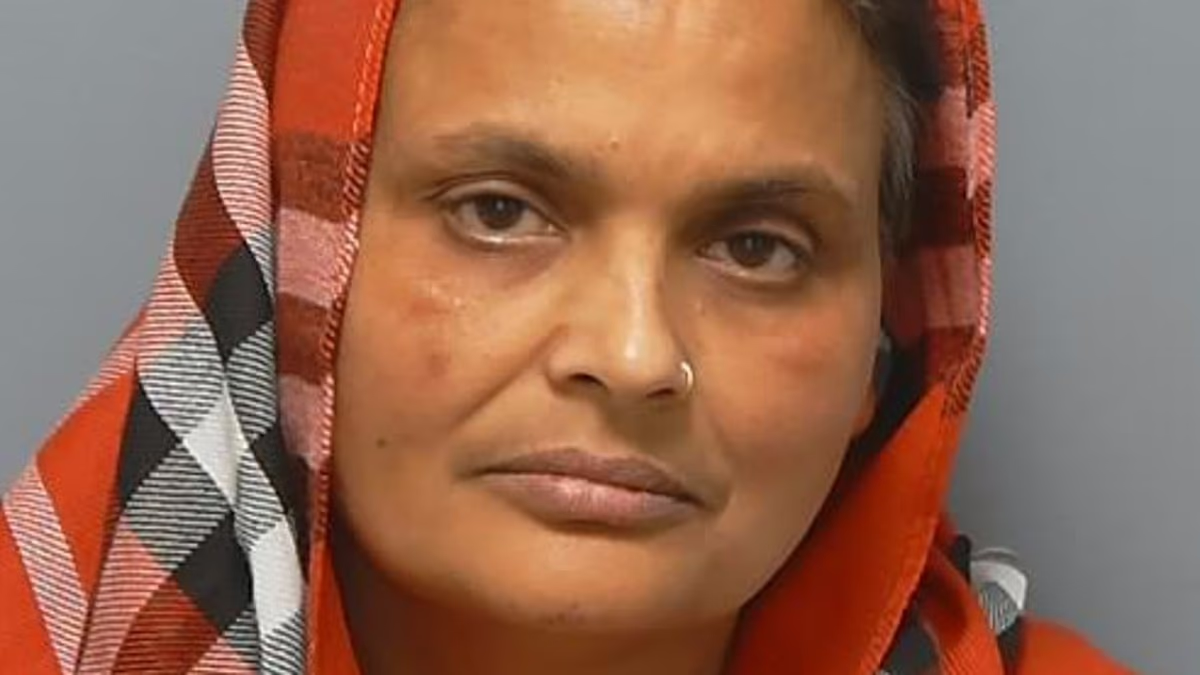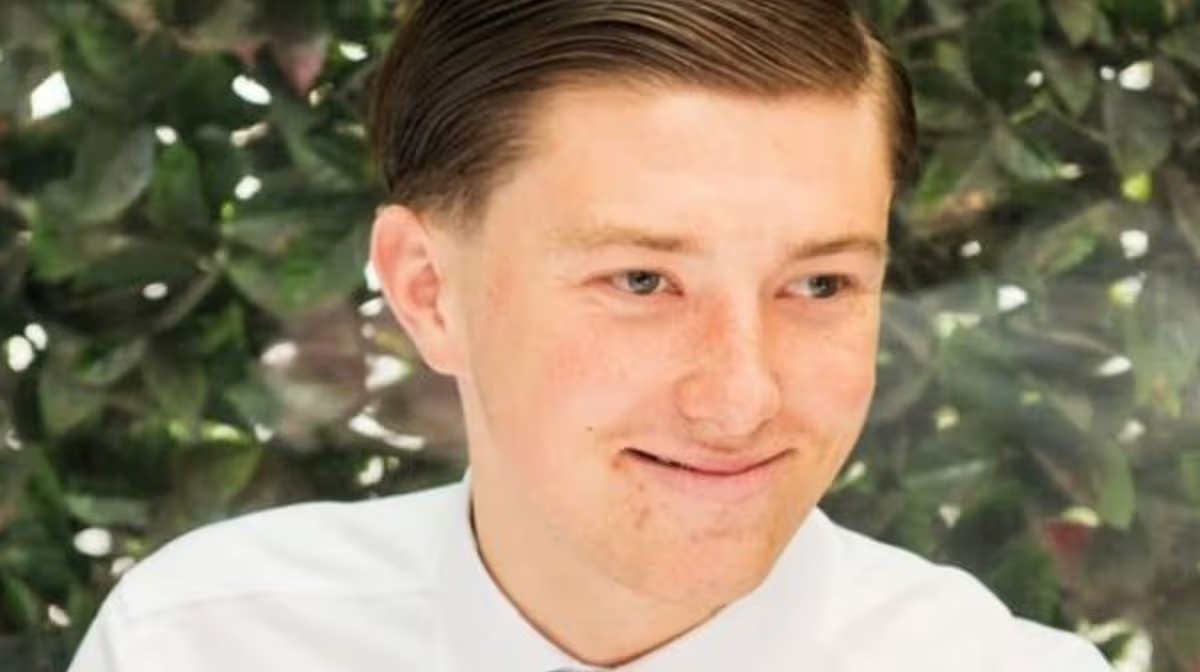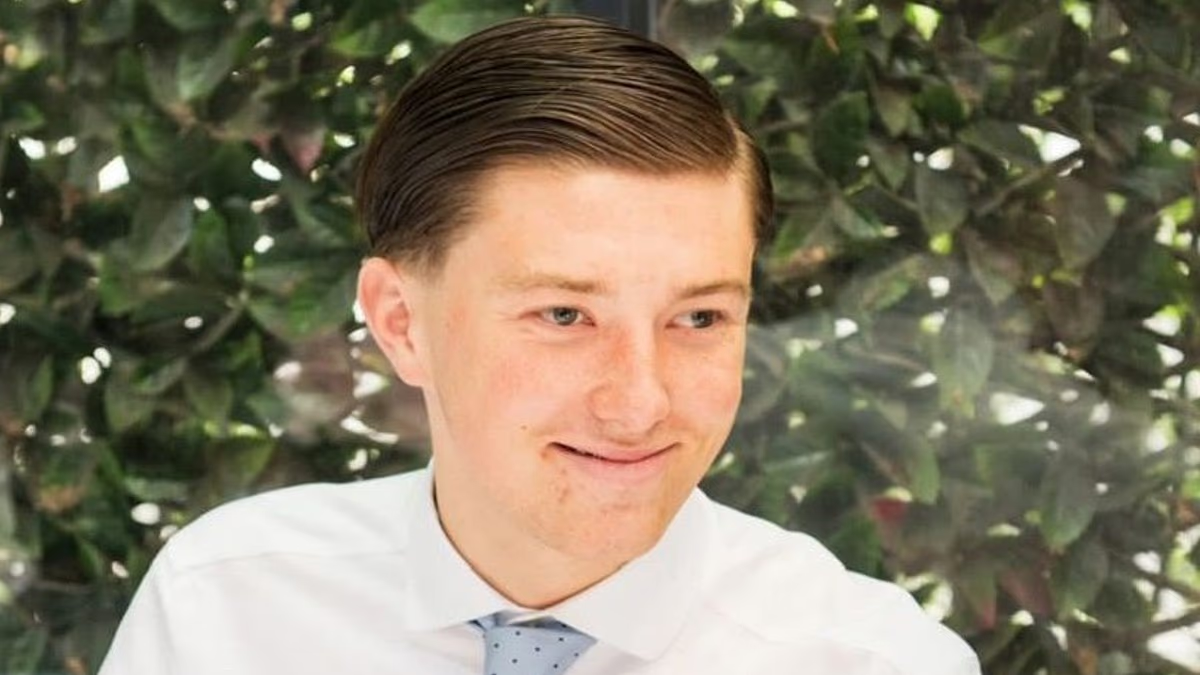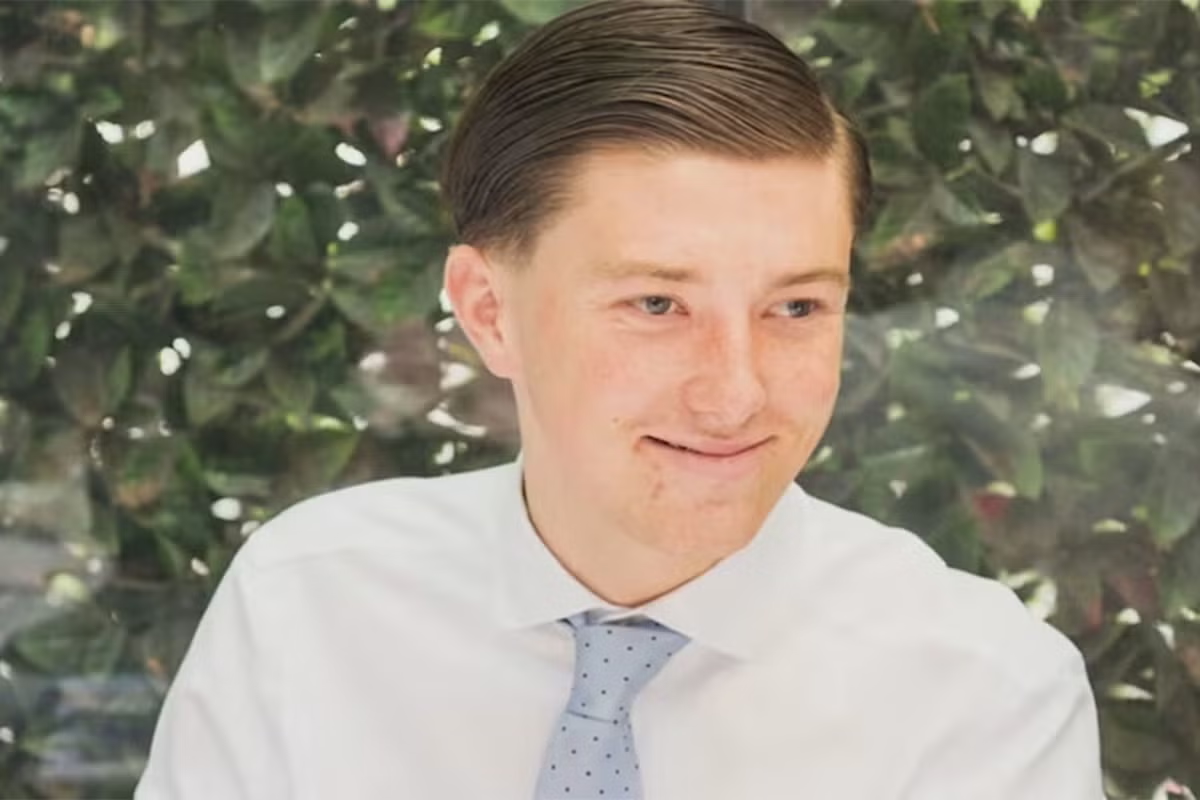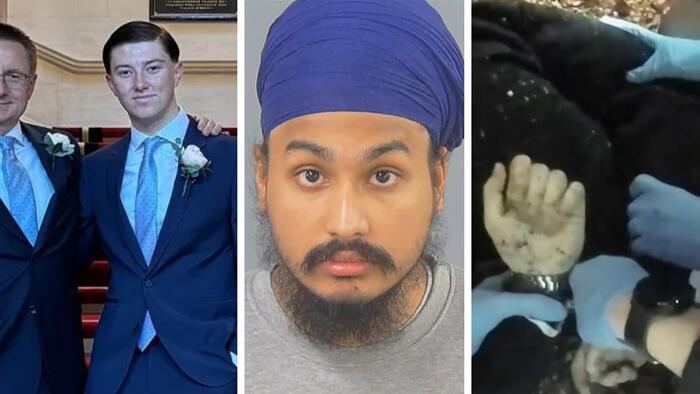
Mark Nowak, father of the murdered Henry Nowak, spoke powerfully in public after Vickrum Digwa was convicted of the crime. He said there was ‘no moment when the pain stops’ and he thought there never would be. This prompted a comparison in my mind. Last month, Daphne Hamilton-Fairley died, aged 95. Our families were neighbours and friends in Bayswater in the late 1950s, and kept in touch after we moved to the country. Daphne’s husband, Gordon, was a most distinguished oncologist at Bart’s. One morning in 1975, he was walking in Campden Hill Square. His dogs sniffed under a car. A bomb planted there exploded, killing Gordon (and the dogs). The IRA had intended to blow up the MP Sir Hugh Fraser, husband of the famous Lady Antonia, who lived next door. Widowed, Daphne was the picture of strength and calm dignity. Those qualities never left her. At the time, she publicly resisted anger and bitterness, and afterwards she led a fulfilled life. Her vocation was in helping the dyslexic and those with other learning difficulties. She set up and ran Fairley House as a school for them. Seeing her in old age, I felt it would be hard to think of someone who had survived such a horror so admirably. But Mr Nowak’s point about the pain every day stands; it has applied to Daphne and her four children for half a century. Sarah, her second daughter, tells me how surprisingly hard they all found her funeral, because it provoked ‘a double mourning’ – for her and, which they had felt unable to express at the time, for their father. Gordon’s plaque in the crypt of St Paul’s says: ‘It matters not how a man dies, but how he lives.’ Sarah repeated this in tribute to both her parents at Fairley House this week. It is true, but the rest of us should not forget the lifelong cost when innocence is murdered.
The posh are persecuted for their accents
Mark Nowak, father of the murdered Henry Nowak, spoke powerfully in public after Vickrum Digwa was convicted of the crime. He said there was ‘no moment when the pain stops’ and he thought there never would be. This prompted a comparison in my mind. Last month, Daphne Hamilton-Fairley died, aged 95. Our families were neighbours
1,020 words~5 min read