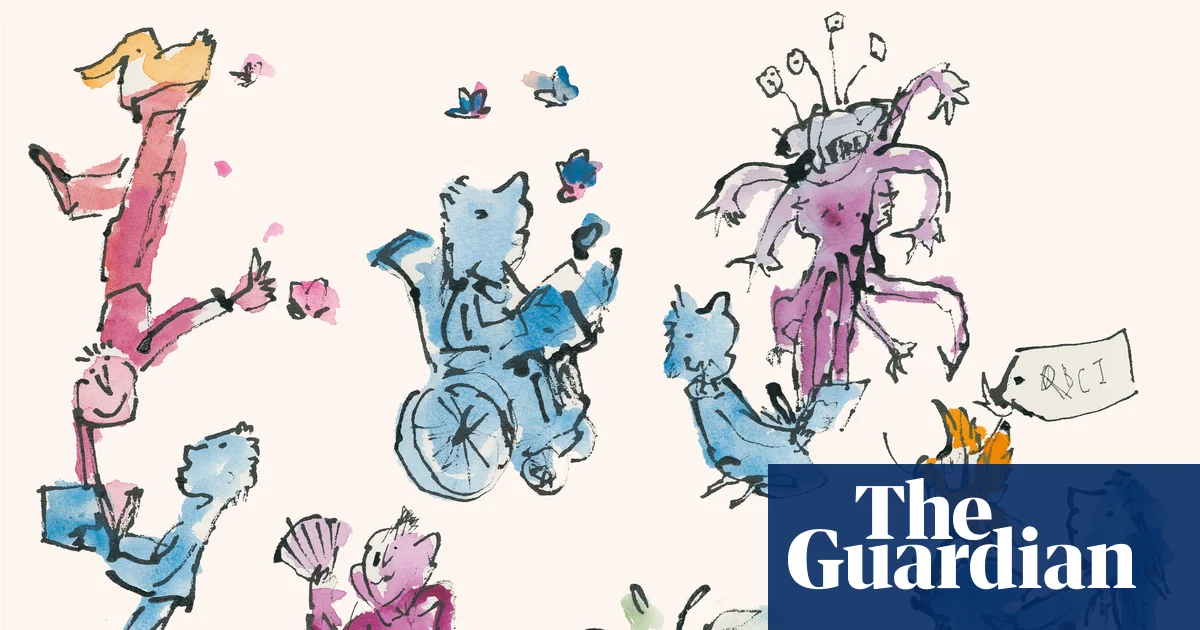
In the artistic pecking order, illustration long languished behind what were seen as the fine arts, even though it was the one art form that most of us would come across every single day. Not unrelated to the status issue, illustration came to be regarded as art for children, young children at that.
In the 19th century adult books would be routinely illustrated (Dickens’s illustrators such as Phiz were as much a part of the deal as the novels themselves), but in the 20th the field gradually narrowed. Still, up to the 1970s, even books for teenagers as a rule had pictures. Now, apart from graphic novels, they’re mostly confined to cartoons for the tiny tots.
Most popular
Belfast and the truth about ‘alien cultures’
Yet illustration remains a form that we encounter as soon as we see a book, which means that the artists have a hold on our emotions in a way that many others don’t. Off the top of our heads, most of us can reel off our favourites: Ronald Searle, Ernest Shepard, Edward Ardizzone, Arthur Rackham, Edmund Dulac, Aubrey Beardsley, Tove Jansson, Daumier… How long have you got?