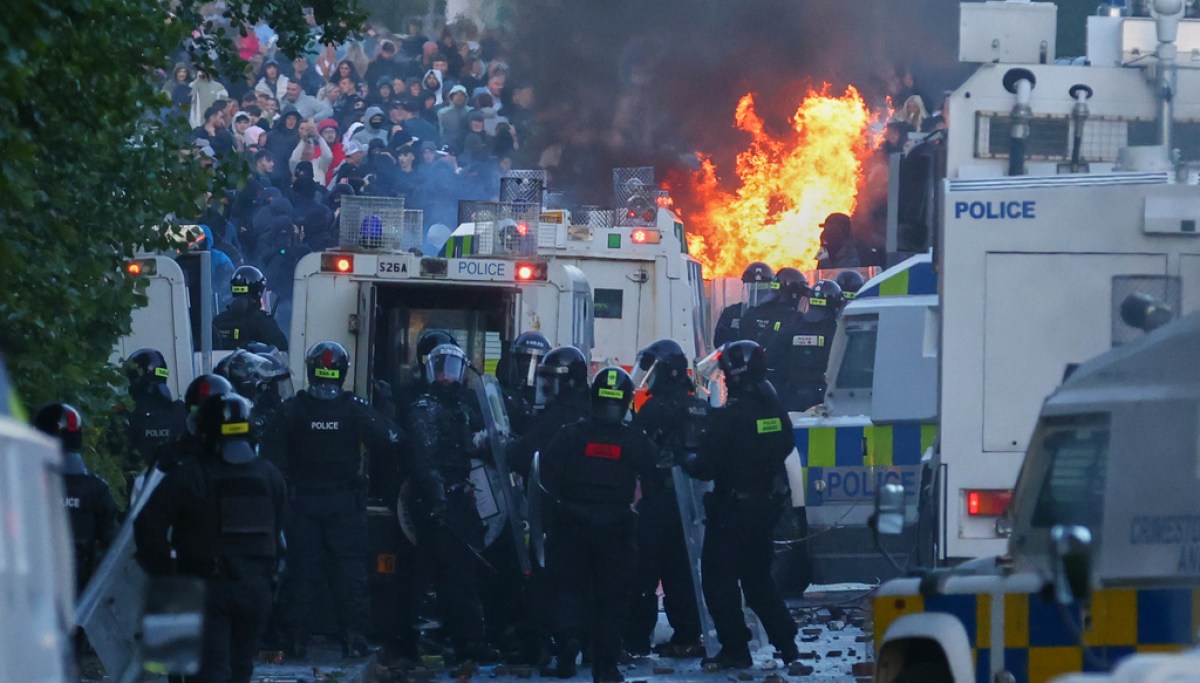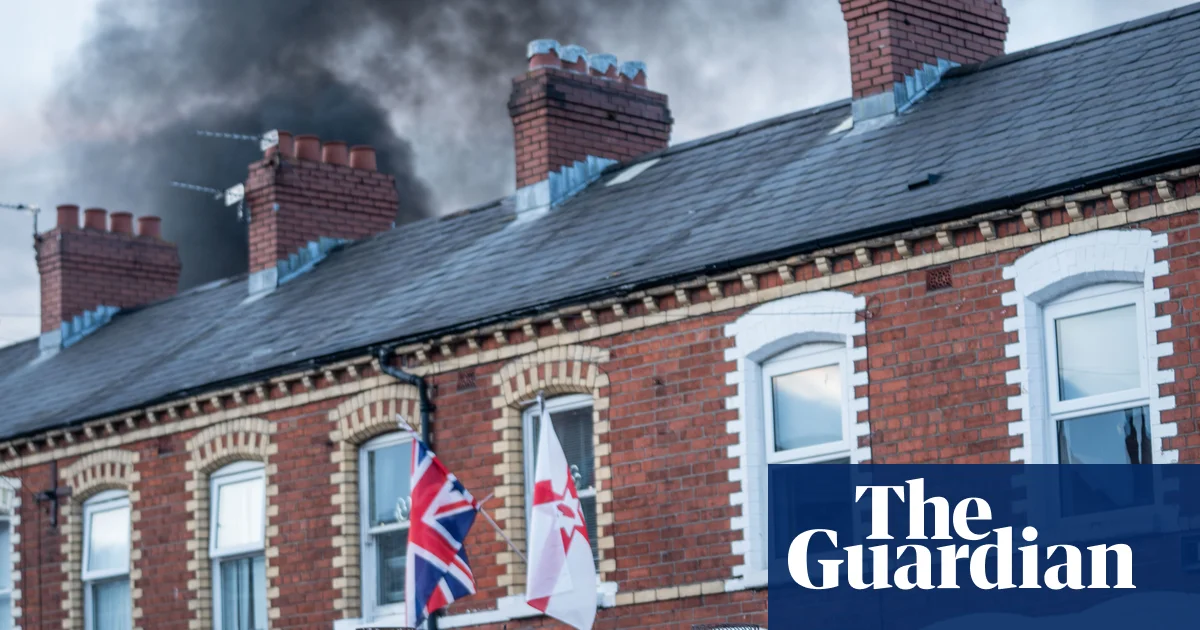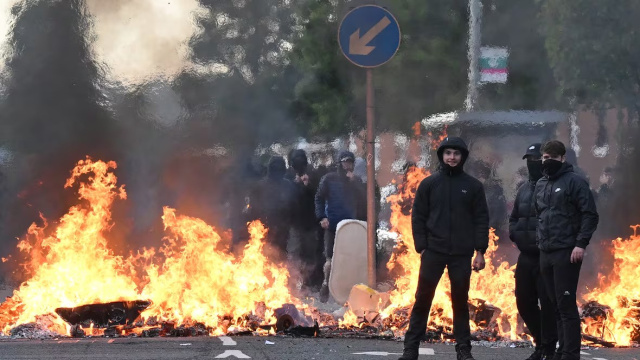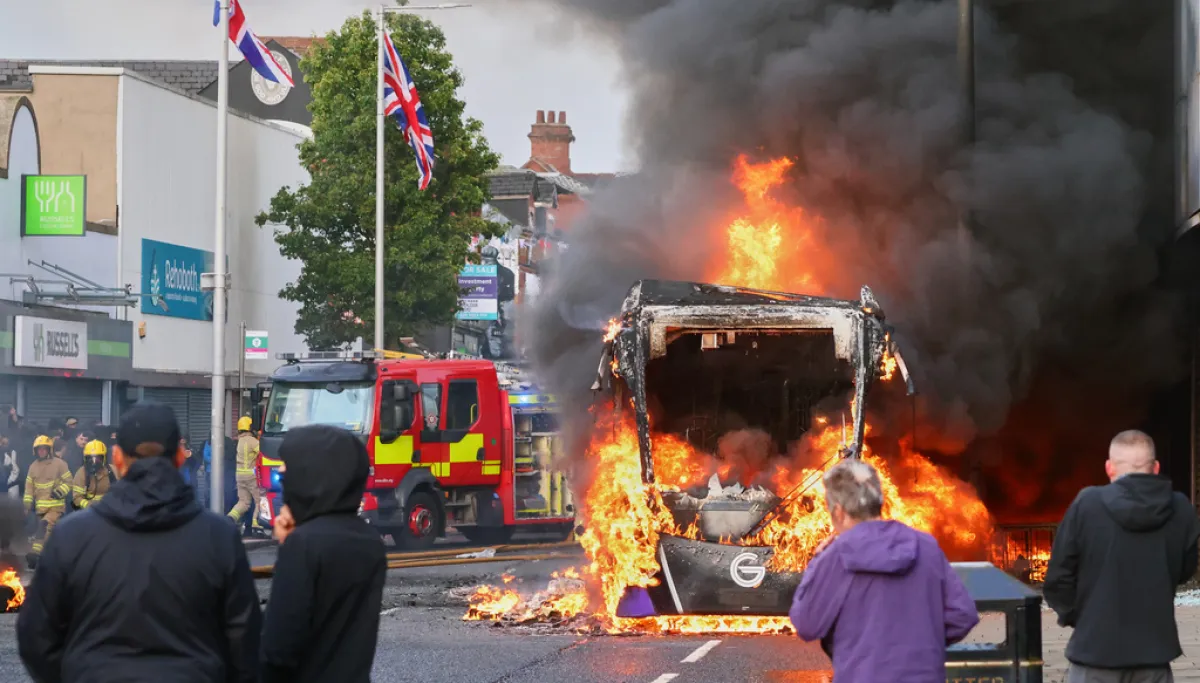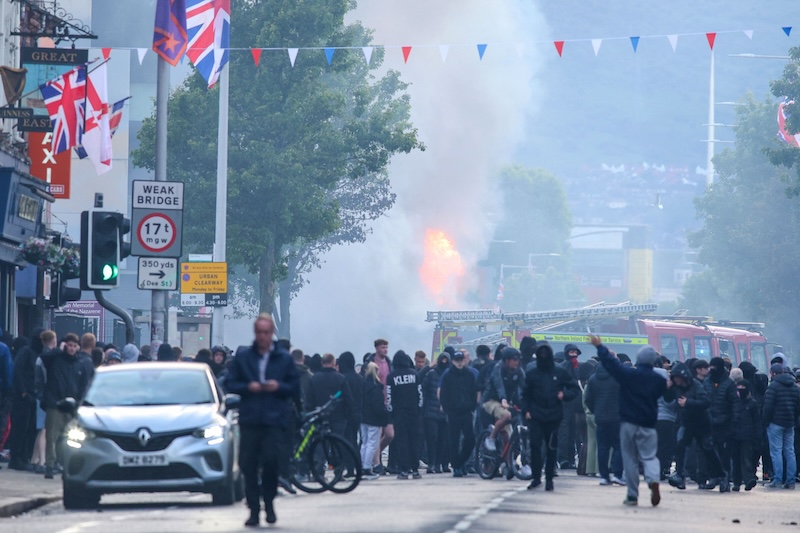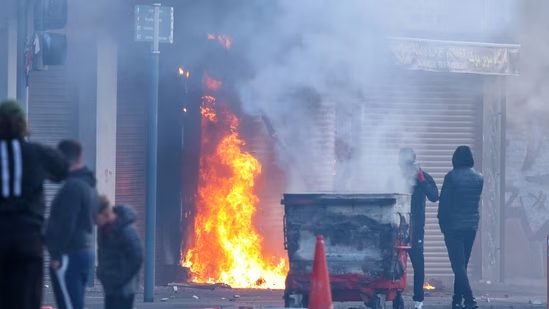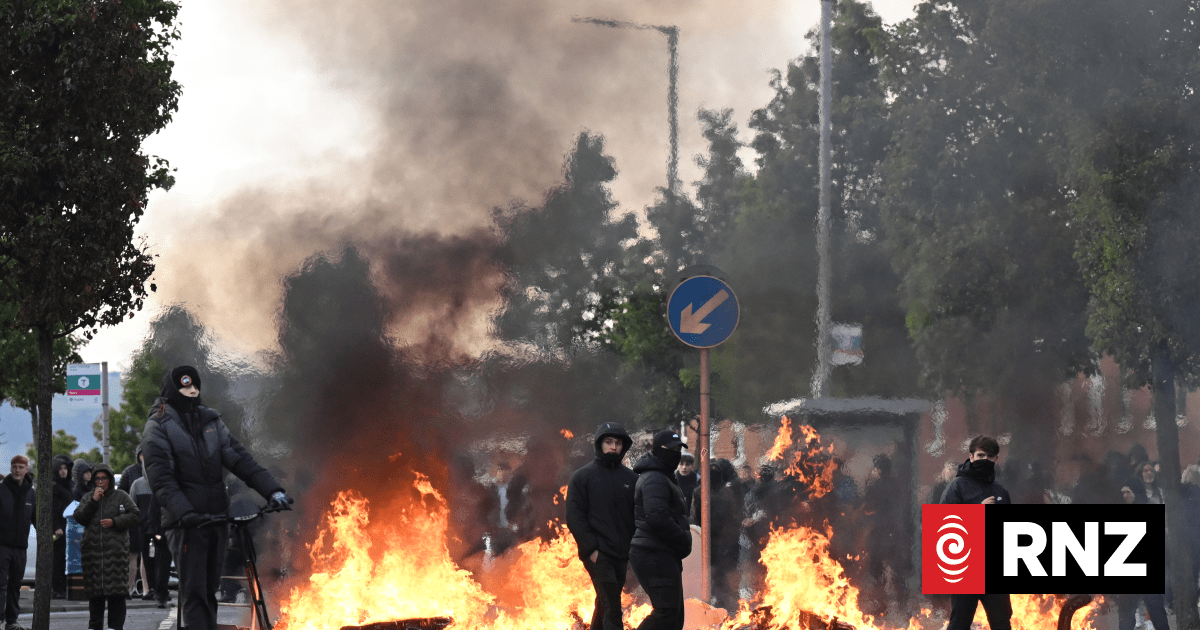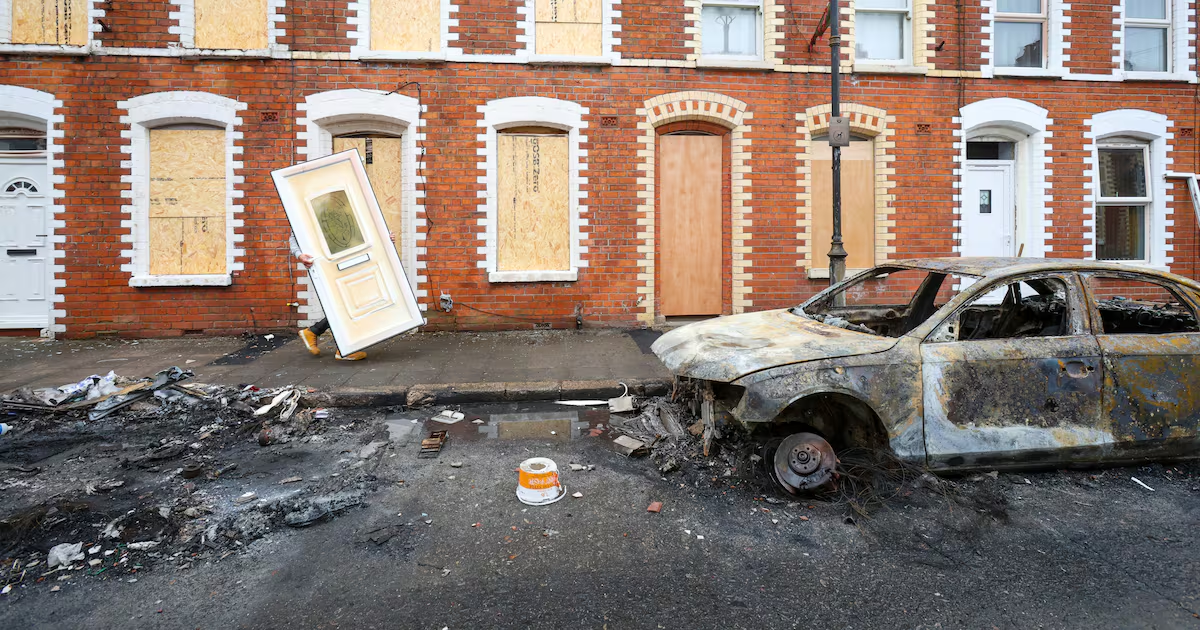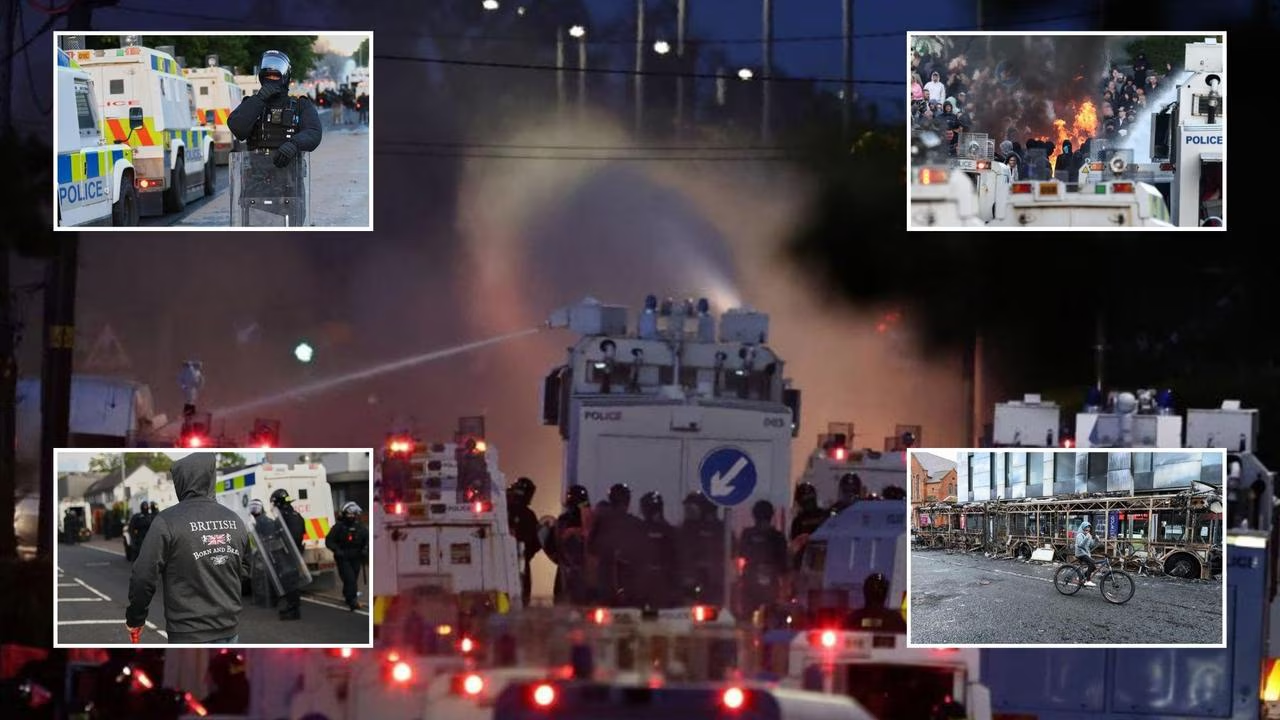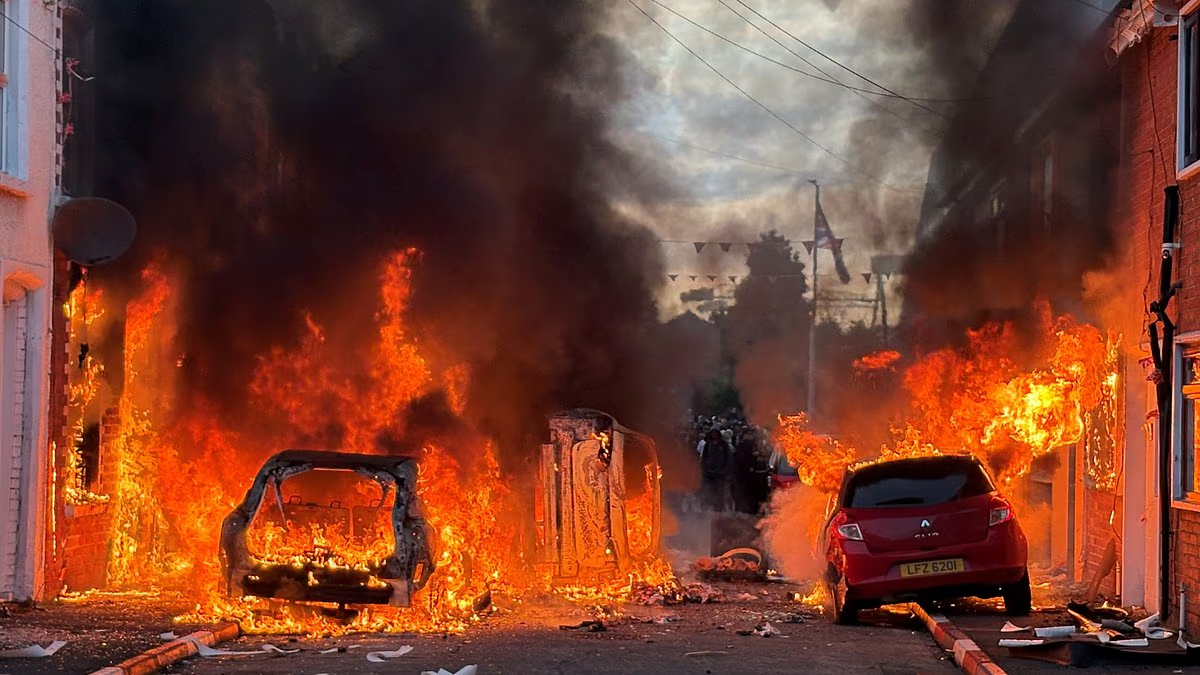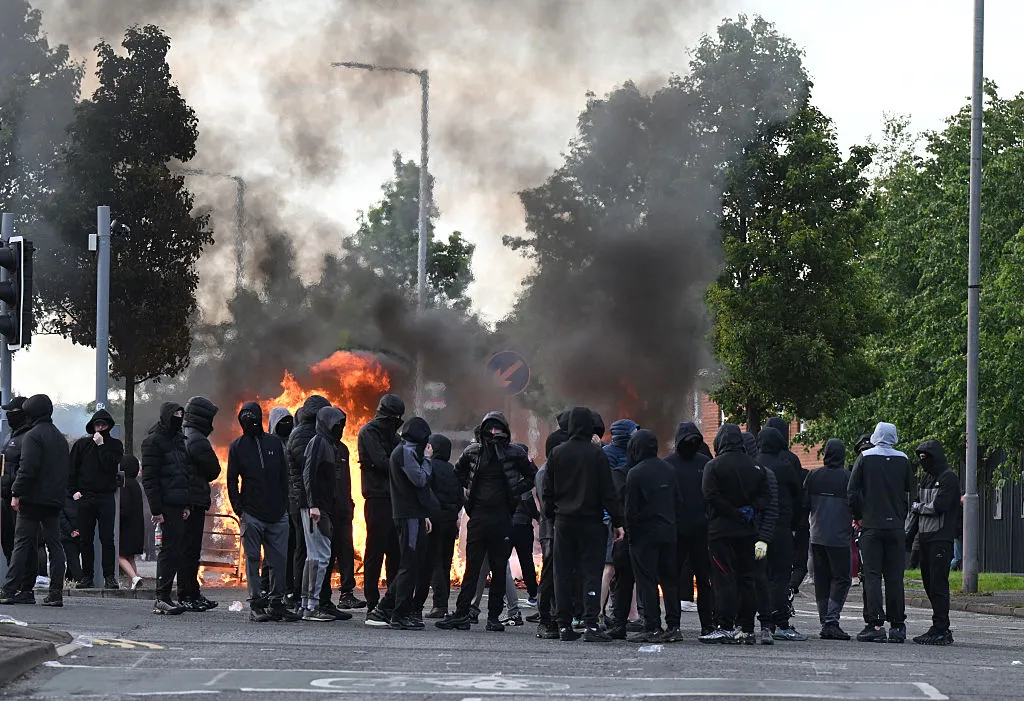
Monday’s alleged attempted beheading in North Belfast was not the first time an act of brutality has taken place in the area. During the Troubles, it was one of the most violent and dangerous parts of Northern Ireland. Robert Curtis, the first British soldier to be killed in the Troubles, was shot by the IRA in New Lodge. North Belfast was also the grim stage for many of the brutal sectarian killings carried out by the Shankill Butchers.
In North Belfast, the loyalist ceding of ground to nationalists has been compounded by the impact of immigration
It is a deeply deprived part of the city and the population shifts and turmoil of the late 1960s and early 70s turned it into an ethnic and confessional maze. Terraced houses in Catholic and Protestant areas wearily rub up against each other, giving this part of the city the quality of a Coronation Street with peace walls.
It has also had its own Ulster version of demographic change, with the area’s Catholic population now larger than its Protestant one. Thirty years ago, North Belfast returned an Ulster Unionist MP with a comfortable five figure majority; since 2019, it has been represented by Sinn Fein’s John Finucane.
On reading that the alleged attacker had been beaten away from his victim by a man with a hurling stick, it was immediately clear the incident had taken place in a republican and nationalist part of North Belfast.