Up to 30% of patients receiving invasive mechanical ventilation are given mucoactive agents despite a lack of strong supporting evidence.This open-label trial tested the efficacy of two mucoactive agents in the setting of acute respiratory failure and difficult-to-clear secretions.Carbocisteine and hypertonic saline both failed to reduce the median duration of mechanical ventilation in these patients, and were in fact associated with harm.
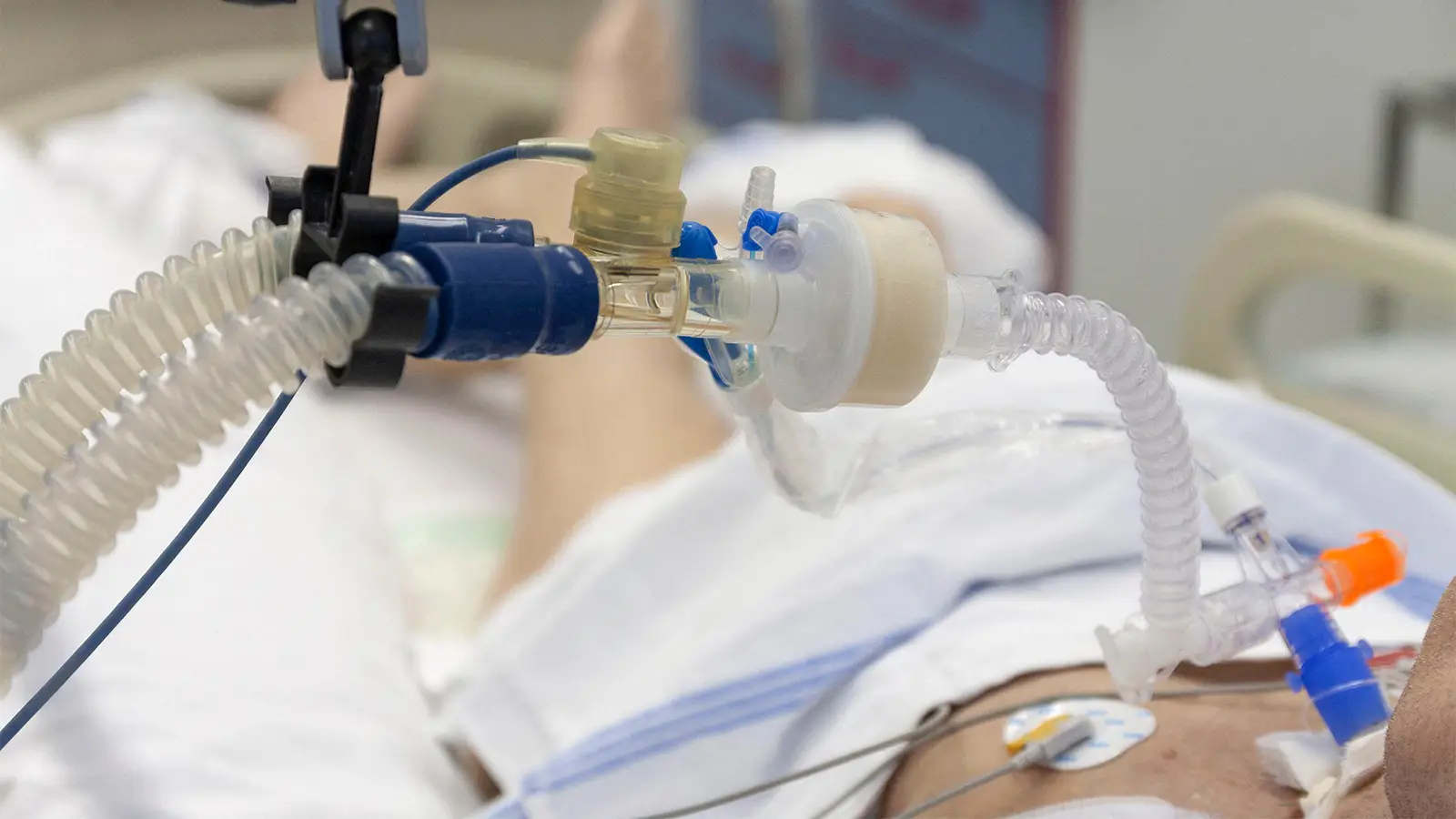
Two commonly used mucoactive agents leaned toward more harm than benefit for critically ill patients with acute respiratory failure, according to the open-label randomized MARCH trial.
In people with acute respiratory failure and difficult-to-clear secretions receiving usual care, no reduction in duration of mechanical ventilation was observed with the addition of either carbocisteine (median 186.1 vs 172.7 hours with no carbocisteine, P=0.34) or nebulized hypertonic saline (HTS; 184.5 vs 174.3 hours with no HTS; P=0.98).
Meanwhile, each was associated with harm, reported researchers led by Bronwen Connolly, PhD, of Queen's University Belfast in Northern Ireland, in the New England Journal of Medicine.
Carbocisteine recipients had an excess risk of clinically important upper gastrointestinal (GI) bleeding and HTS was linked to bronchoconstriction leading to nebulized bronchodilator use and hypoxemia during nebulization:Upper GI bleeds: 1.4% vs 0.2% (RR 6.51, 95% CI 1.47-28.76)Bronchodilator use: 2.4% vs 0.4% (RR 5.73, 95% CI 1.99-16.52)Hypoxemia: 4.1% vs 0.3% (RR 13.29, 95% CI 4.12-42.83)