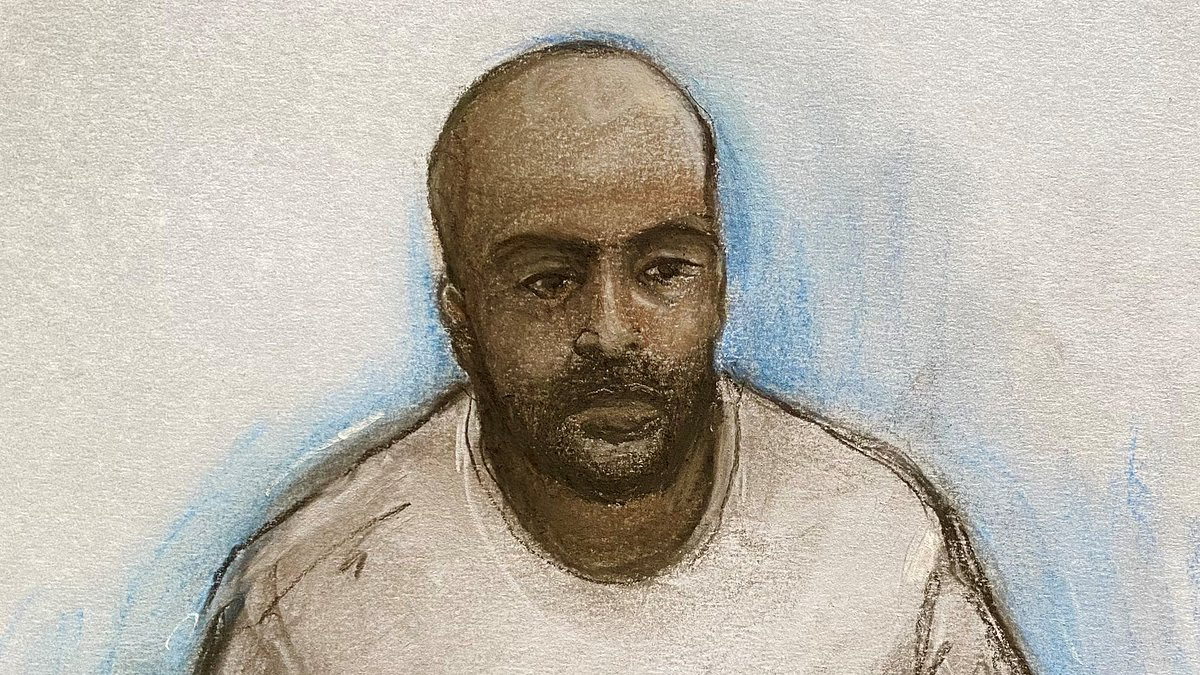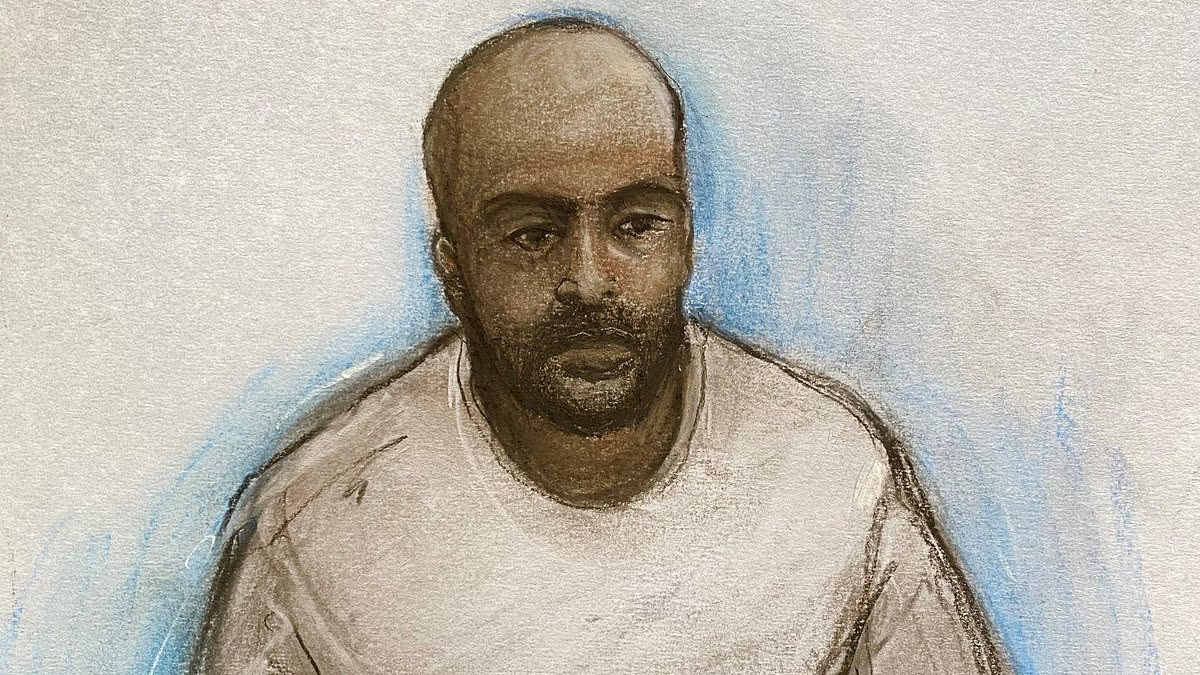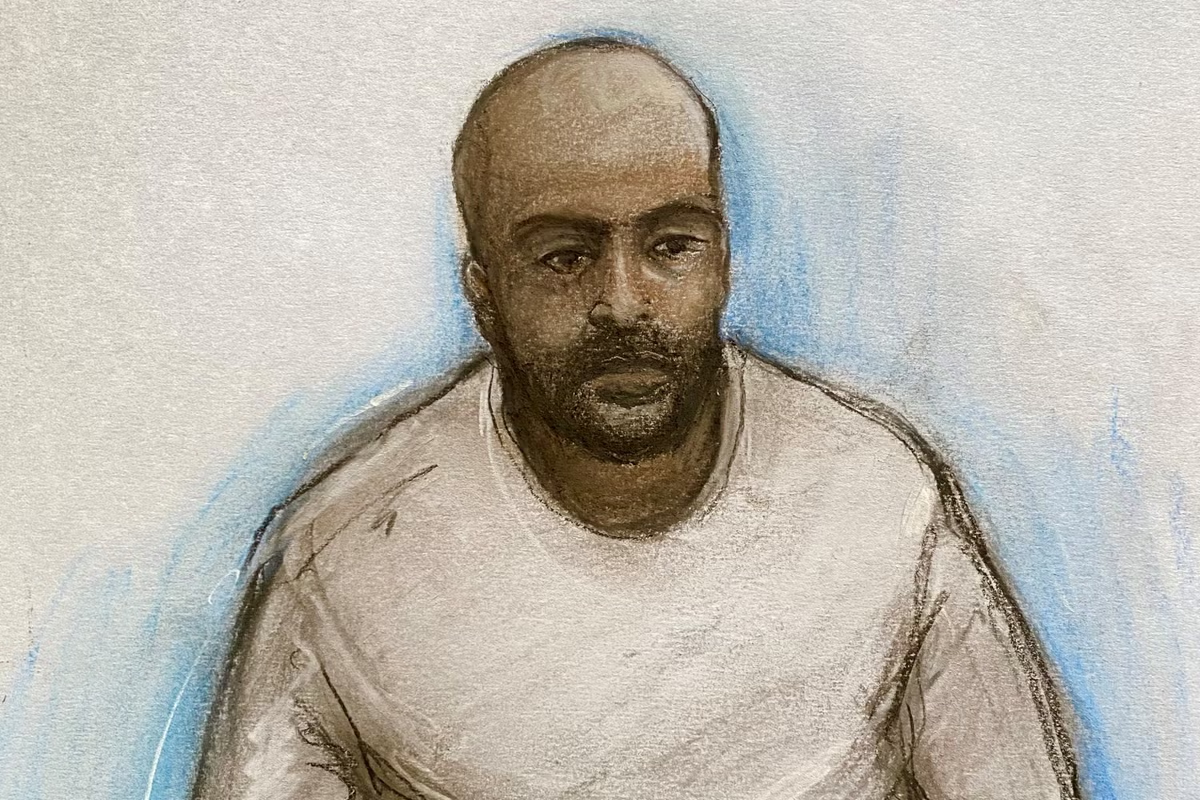
The Belfast knife attack suspect was granted asylum in Britain under a controversial 'fast-track' scheme, the Daily Mail can reveal.Hadi Alodid was given permission to stay here after completing a 10-page Home Office questionnaire rather than undergoing the standard – and far more rigorous - face-to-face interview process.It prompted new calls to re-think the 'streamlined' programme set up when Rishi Sunak was prime minister as part of his pledge to clear a backlog of 92,000 asylum cases.Then home secretary Suella Braverman and immigration minister Robert Jenrick – who have both since defected to Reform - oversaw the introduction of the scheme, which is still in operation.It was privately described within the Home Office as the 'grant factory', in reference to the huge numbers of asylum seekers granted refugee status.Asylum seekers from countries like Sudan were allowed to access the streamlined system – reducing the backlog - because the vast majority of their claims were eventually granted in any case due to conflict in their home nations.But the scheme was dubbed a 'dangerous folly' and an 'asylum amnesty in all but name' by Migration Watch UK, which campaigns for tougher border controls, after its launch in February 2023, the month Alodid travelled by bus from Dublin to Belfast.Four months later, in June 2023, it was extended to Sudanese nationals and Alodid was granted a five-year refugee visa in September that year.His case was dealt with under the fast-track scheme, it is understood. Hadi Alodid appeared in court on Wednesday and was charged with attempted murder and possession of a knife Then home secretary Suella Braverman (pictured) and immigration minister Robert Jenrick – who have both since defected to Reform - oversaw the introduction of the scheme, which is still in operation Robert Jenrick was Tory immigration minister in 2023 - when the Belfast suspect was granted refugee status in Britain under the Streamlined Asylum Process
Belfast knife suspect won asylum in Britain under 'fast-track' scheme
Hadi Alodid was given permission to stay in Britain after completing a 10-page Home Office questionnaire rather than undergoing the standard face-to-face interview process.
1,271 words~6 min read