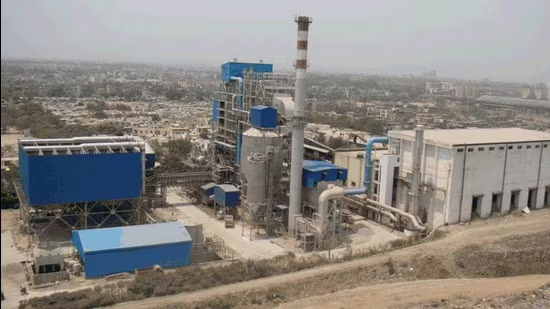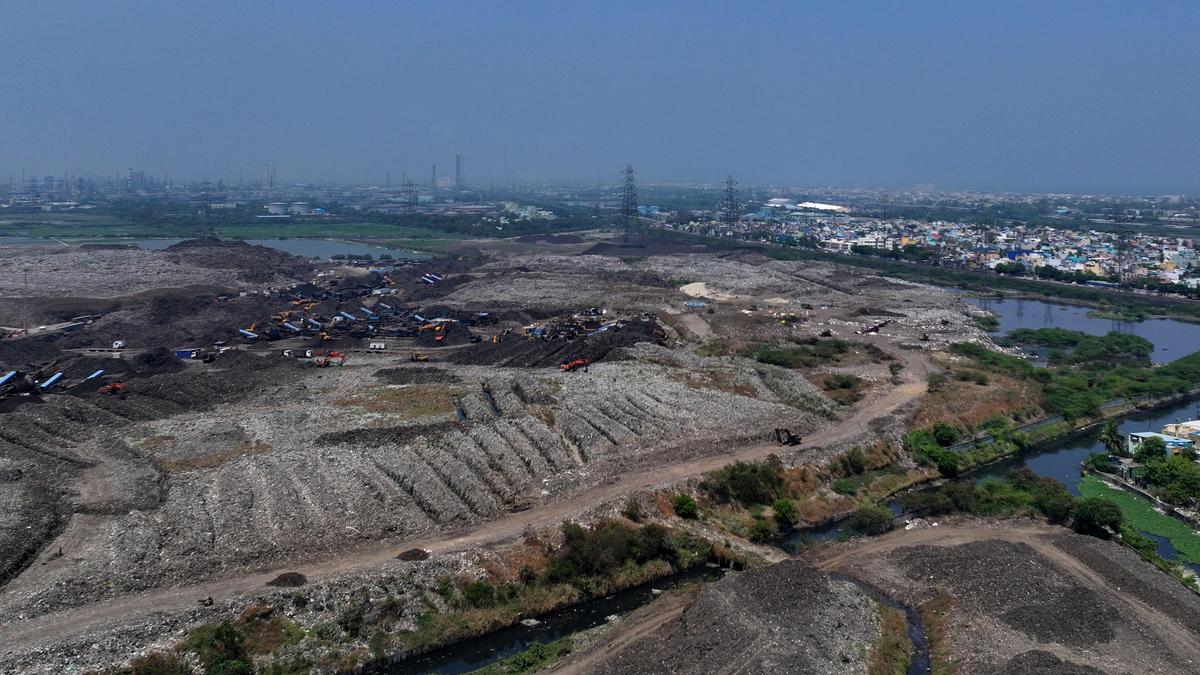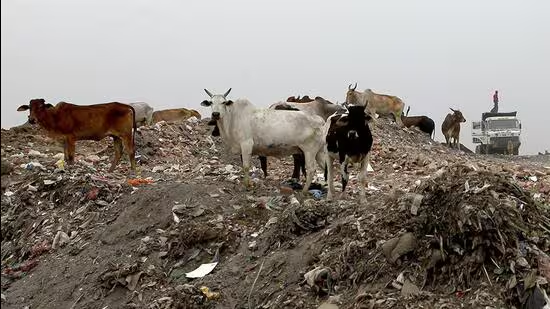
The Union environment ministry has granted environmental clearance (EC) for the expansion of the Tehkhand waste-to-energy plant in south-east Delhi, paving the way for an additional 1,000 tonnes of garbage to be incinerated daily. Residents have expressed concerns about the environmental fallout of more waste incineration facilities in their neighbourhood.Residents living near existing waste-to-energy plants said the expansion has heightened concerns about the cumulative environmental impact of additional waste incineration capacity in the area. (HT Archive)For several years now, residents in south-east Delhi have been protesting against the two waste-to-energy plants in the area, alleging pollution norms violations, foul smell, and improper disposal of dry ash. The Municipal Corporation of Delhi (MCD), however, has maintained that its facilities comply with prescribed environmental standards.A senior MCD official said the ministry of environment, forest and climate change communicated the grant of EC on June 4. “The existing plant generates around 25MW of power by consuming 2,000 tonnes of waste every day. The expansion will add another 20MW power generation capacity with added consumption of 1,000 tonnes of garbage. It is part of our plan to reach 100% waste processing so that no fresh waste reaches the landfill sites,” the official explained. The expansion will also include setting up a compressed biogas plant.According to project documents, the expanded Tehkhand facility will comprise a material recovery facility for pre-sorting waste, an RDF fuel pit, incinerators, boilers and steam turbine generators with a power generation capacity of 20 MW. The project also includes three anaerobic digesters that use a biological process to break down organic waste and generate biogas.The documents state that the plant is expected to generate 354 kilolitres of liquid leachate during operations, along with around six kilolitres of wastewater per day.The proposed expansion site is located about 410 metres from Railway Colony, 480 metres from Prem Nagar and 490 metres from an MCD primary school, according to project documents. At least four government and private schools are located within a one-kilometre radius of the facility.Residents living near existing waste-to-energy plants said the expansion has heightened concerns about the cumulative environmental impact of additional waste incineration capacity in the area.S Khan, of the Sukhdev Vihar Pocket-A residents welfare association, said the boundary wall of the Okhla waste-to-energy plant is barely 100 metres from residential areas.“We suffer throughout the year because of smoke, foul smell and ash. With more garbage being processed in this region, we are worried that daily life may become even more difficult. We hope the authorities at least upgrade the technology being used. My wife has been facing breathing issues and we do not want to go through another severe winter season,” he said.Tehkhand expansion is part of MCD’s ₹1753.77 crore plan to increase the city’s waste processing capacity by an additional 7,000 tonnes per day to ensure that fresh waste is not dumped on oversaturated landfill sites and new dump sites are not created.Waste-to-energy facilities in Delhi have repeatedly come under scrutiny over allegations of environmental violations as the city increasingly relies on incineration to process municipal waste.A report published by The New York Times in February last year alleged that emissions from the Okhla waste-to-energy plant contained lead, arsenic and other toxic substances, and that ash containing hazardous pollutants was being dumped in residential areas. The report cited independent laboratory tests conducted over a five-year period, based on 150 air and soil samples collected between 2019 and 2023.The MCD and plant operators have denied the allegations and maintained that the facilities comply with all norms prescribed by the Government of India.The plants have also faced scrutiny from environmental regulators. In February 2017, the National Green Tribunal (NGT) imposed a ₹25 lakh penalty on the Okhla waste-to-energy plant after residents of Sukhdev Vihar challenged its proximity to residential neighbourhoods. The tribunal found that the facility was not complying with several pollution-related standards, including those relating to dioxins and furans, carcinogenic compounds associated with waste incineration.In August 2021, the Delhi Pollution Control Committee imposed a further penalty of ₹5 lakh after several parameters, including dioxin and furan levels, were found to be significantly above permissible limits.Environmental activists said concerns raised by residents over the years remain unresolved.Environment activist Bhavreen Kandhari questioned the clearance, noting that the plant’s capacity will increase from 25 MW to 45 MW despite its proximity to residential colonies, schools, hospitals and eco-sensitive zones.“The approval reflects a continued reliance on incineration at a time when cities worldwide are prioritising segregation, composting, recycling and material recovery. Waste-to-energy plants do not eliminate the need for segregation at source. Without it, mixed municipal waste is burnt, resulting in higher emissions and toxic ash,” she said.Kandhari said Delhi cannot “burn its way out” of its waste crisis. “Nearly half of municipal waste is organic and should be composted, while recyclable materials should be recovered and returned to the economy. Incineration destroys reusable resources and leaves behind toxic ash that requires safe disposal,” she added.
Centre clears expansion of Tehkhand waste-to-energy plant amid pollution concerns
The existing plant generates around 25MW of power by consuming 2,000 tonnes of waste every day. The expansion will add another 20MW power generation capacity with added consumption of 1,000 tonnes of garbage | Latest News Delhi
823 words~4 min read