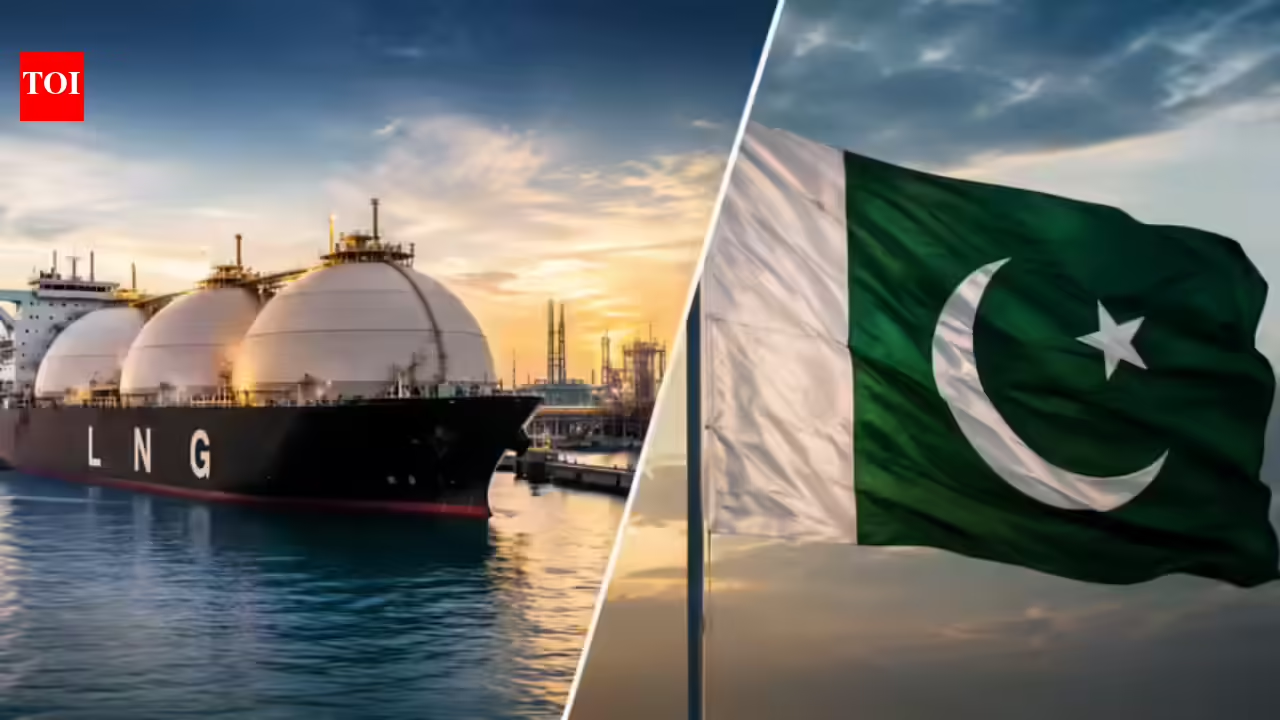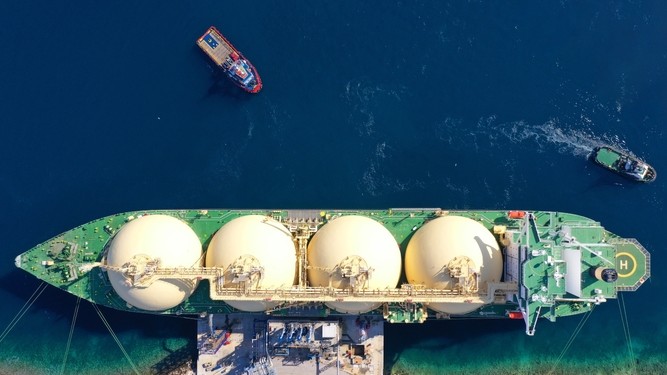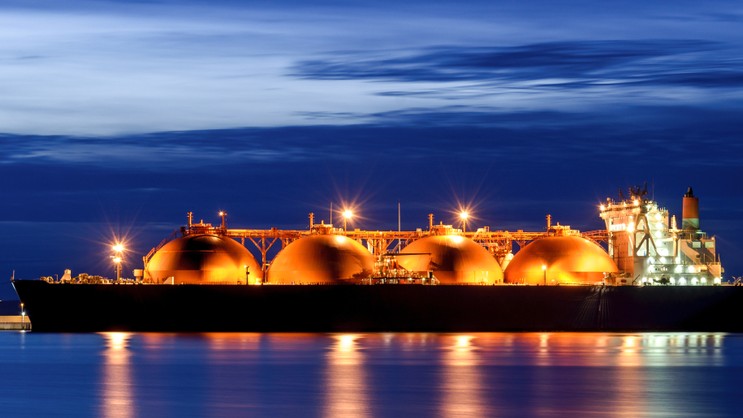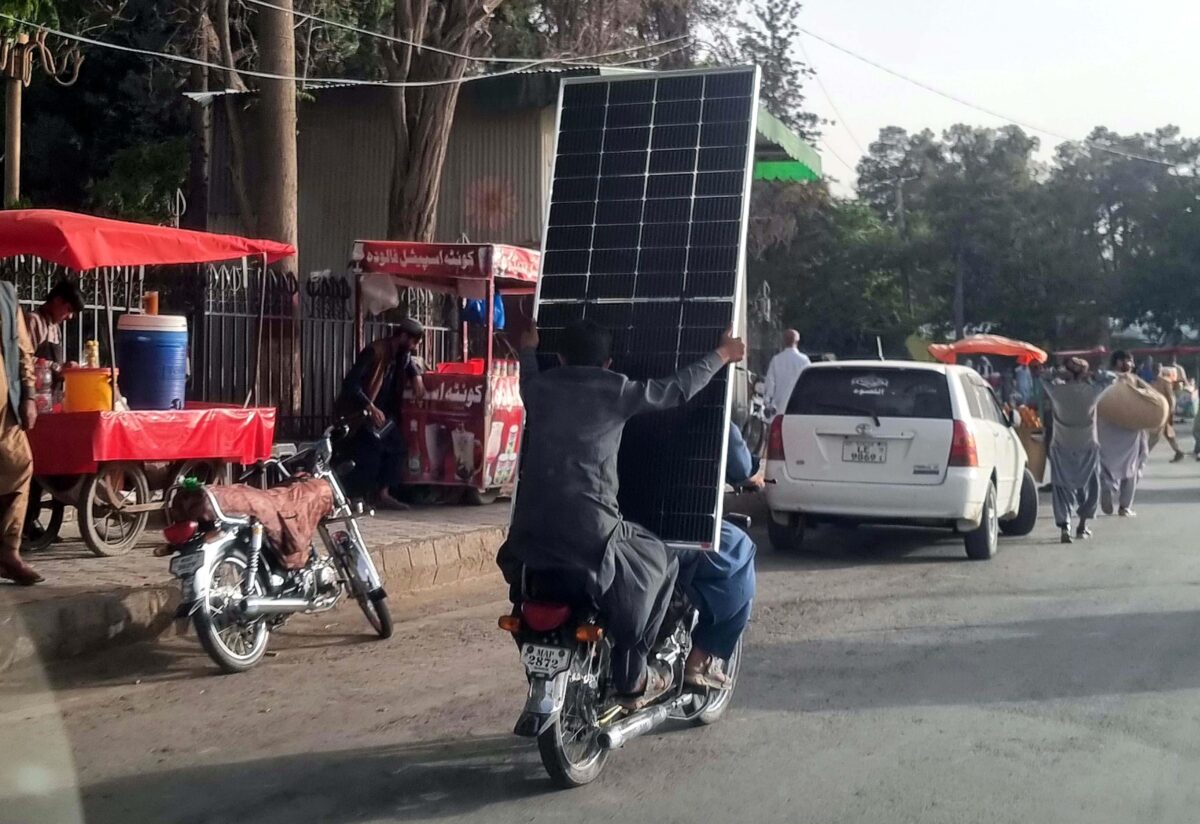
Pakistan’s liquefied natural gas (LNG) supply came to a halt in March 2026, when Qatar’s Ras Laffan facility was caught in the crossfire of the US–Israel war with Iran. The crisis has severely diminished Pakistan’s LNG supply and exposed the country’s over-reliance on long-term contracting.
Since the conflict began, Qatar — which accounts for approximately 20 per cent of global LNG supply and 90 per cent of Pakistan’s LNG supply — has shipped only three cargoes through the Strait of Hormuz to Pakistan. Even if the Strait is fully reopened, 17 per cent of Qatar’s production capacity has sustained long-term damage and will require up to five years to repair.
While a fragile ceasefire holds military tensions temporarily at bay, there is no guarantee that a permanent resolution to the conflict is within reach. Even if an agreement is reached, Pakistan, like other import-dependent countries in the region, faces an uncertain energy future.
While austerity measures such as fuel rationing and reduced hours for commercial activity are being implemented in Pakistan, the inflationary impacts of rapidly fluctuating global commodity prices are being felt as petroleum prices increase and policy rates are raised.