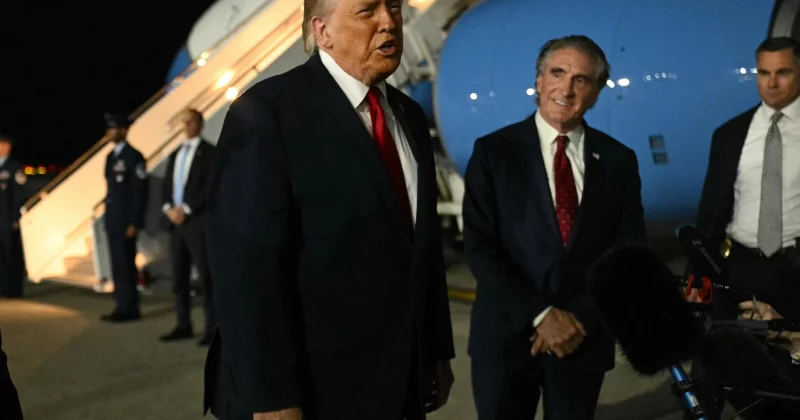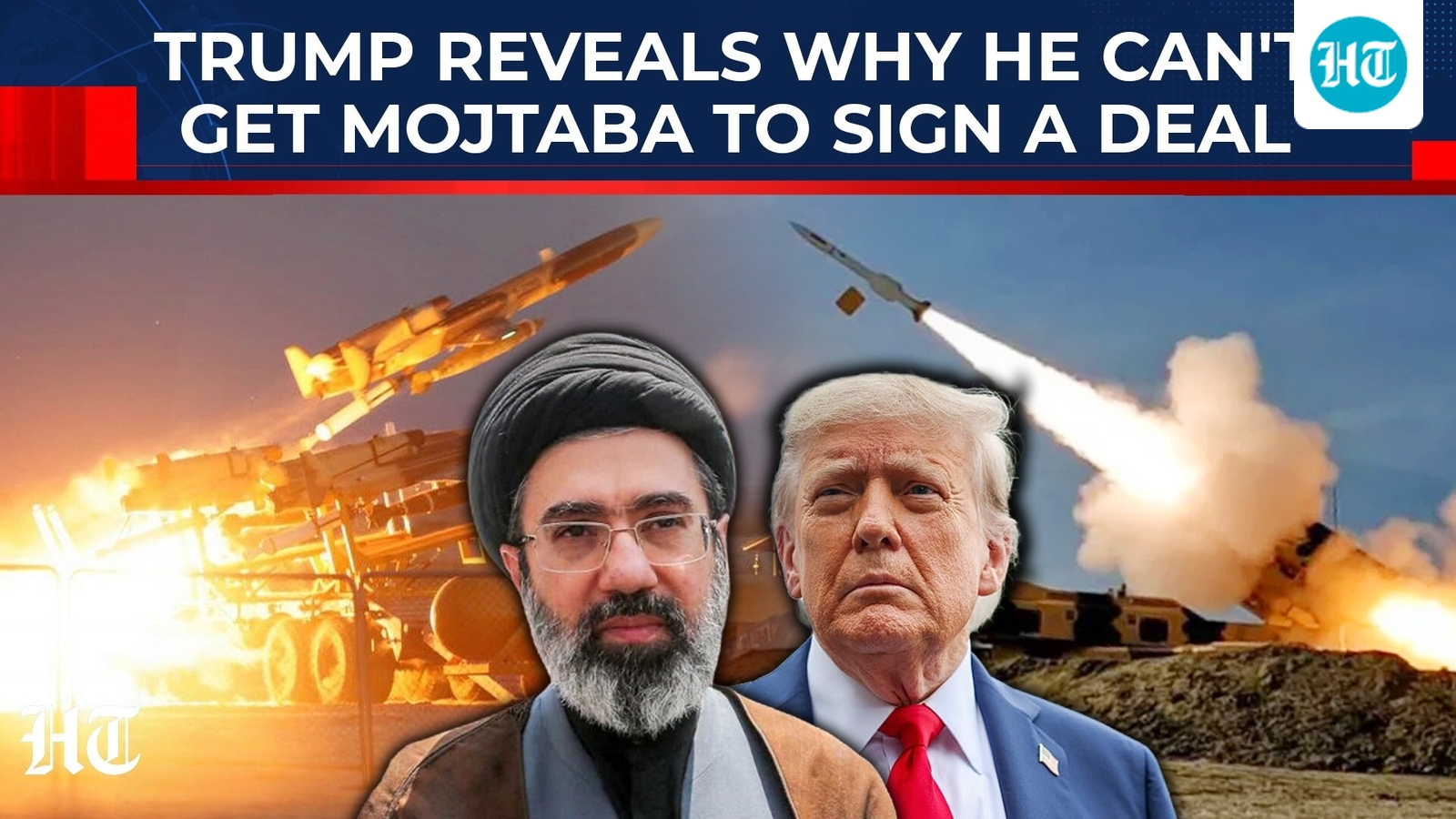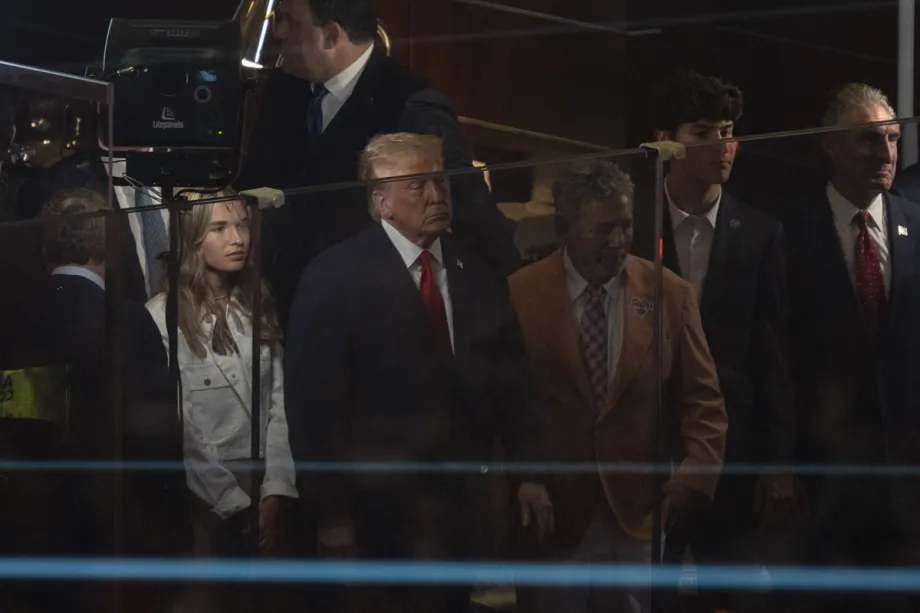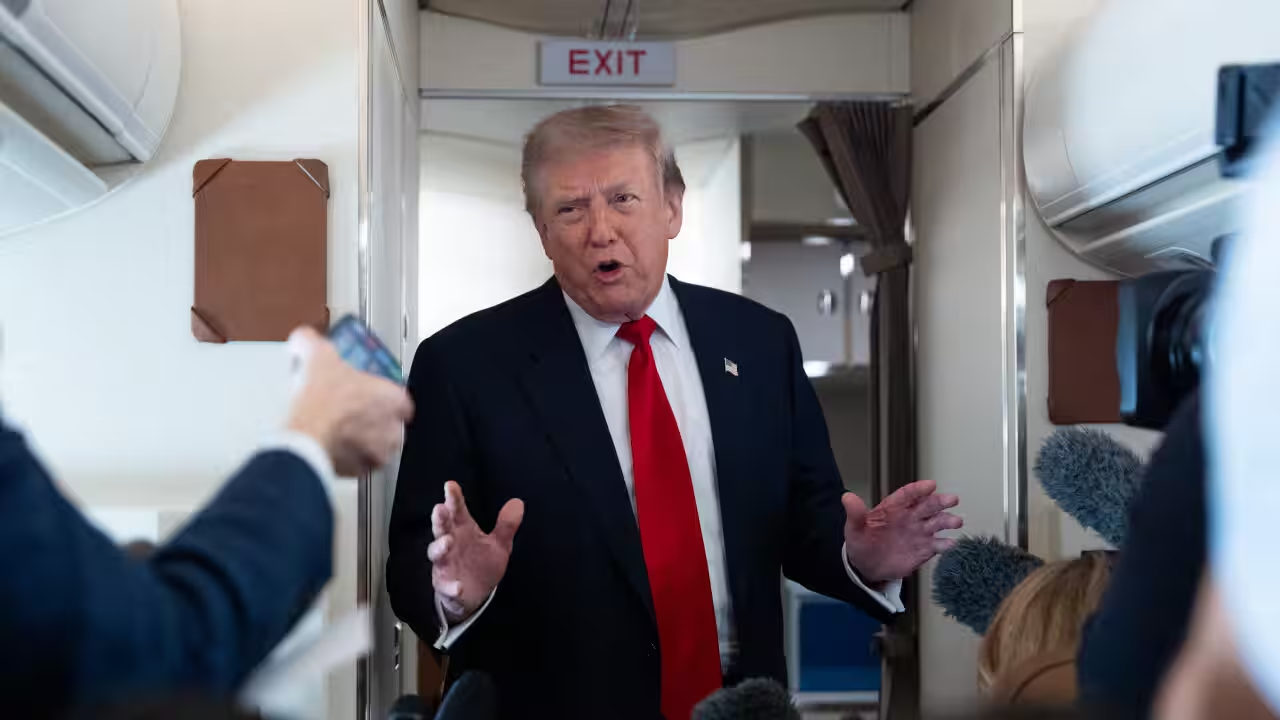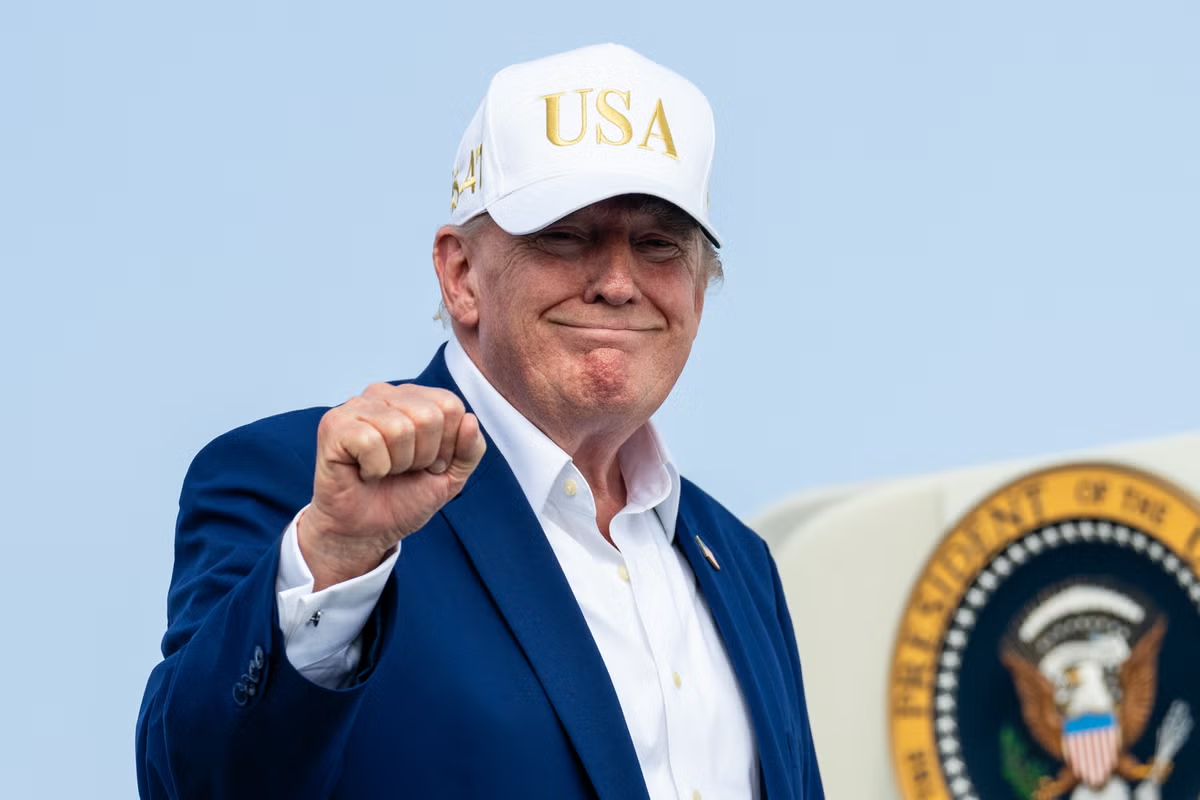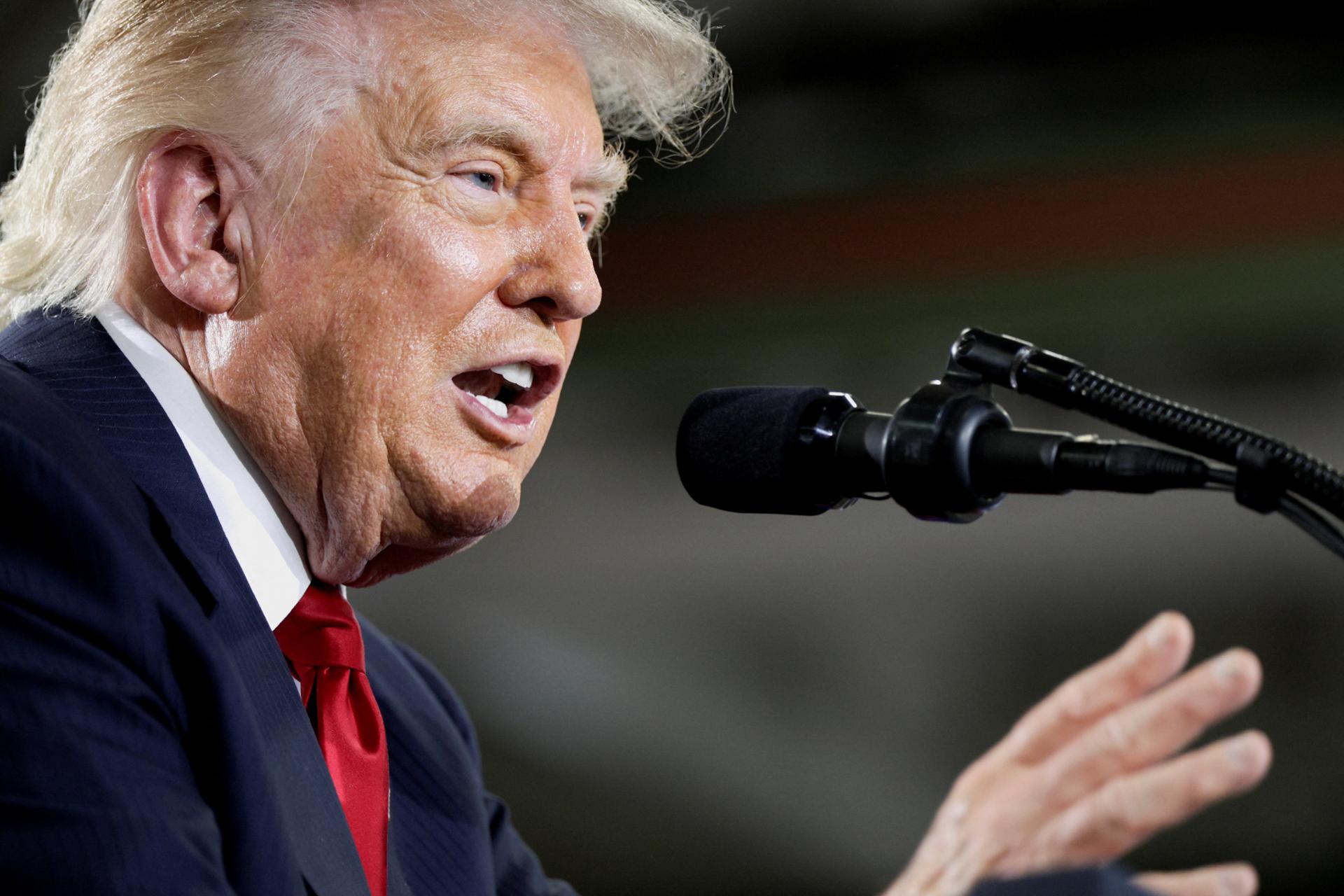
The New York Knicks may have lost Game 3 of the NBA Finals, but President Trump was still in a somewhat buoyant mood. Negotiations with Iran were going swimmingly, Trump claimed to reporters as he was headed back to Washington, so much so that an agreement could be reached in two or three days.
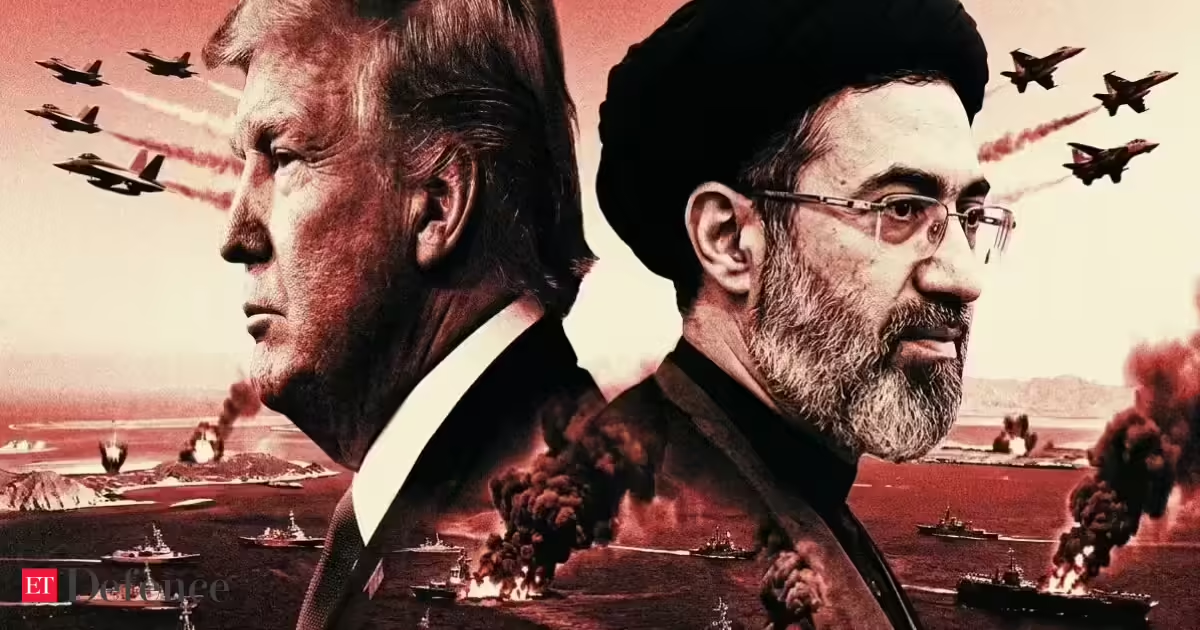
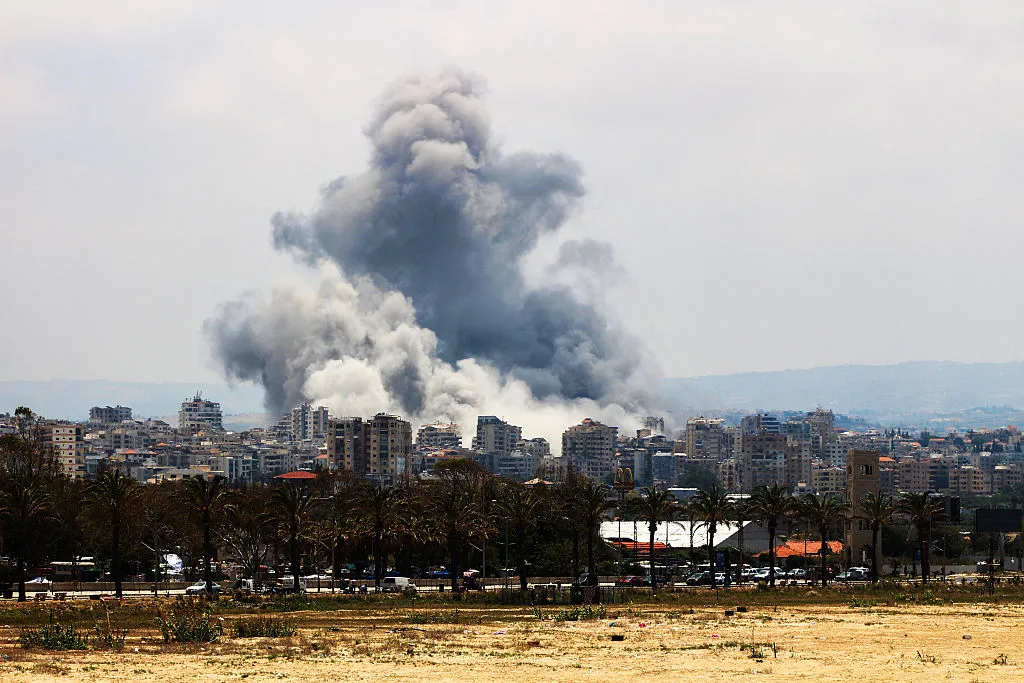
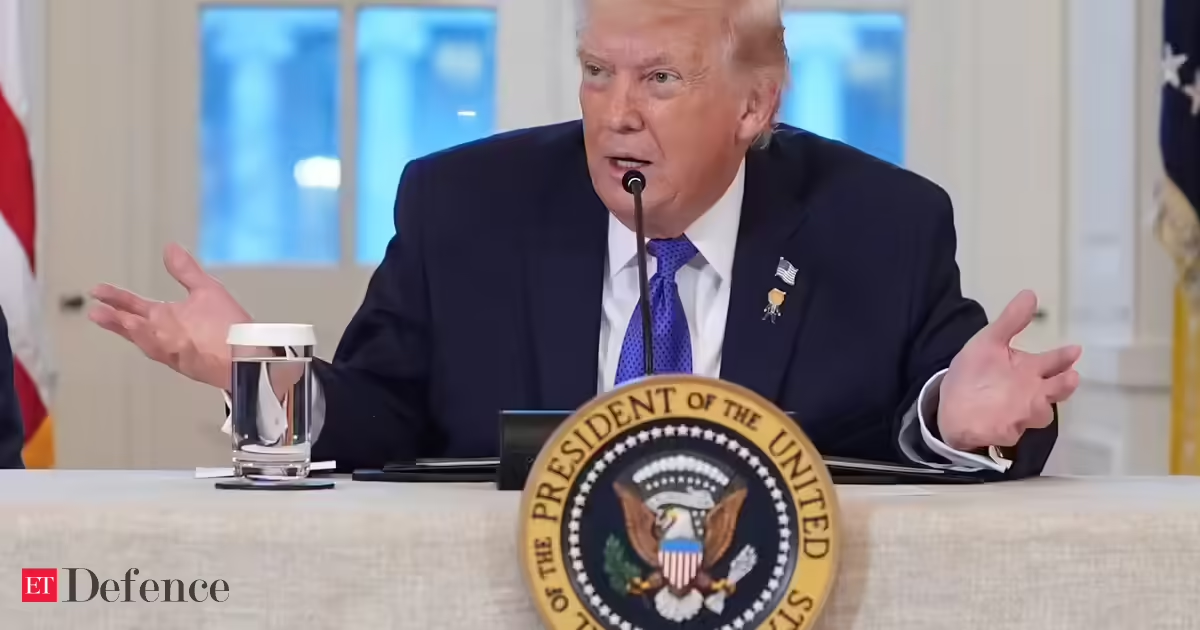
Two days later, though, and a deal remains just as elusive today as it was last week and the week before that. In fact, not only is diplomacy apparently stuck, but the United States and Iran are increasingly taking shots at each other. The April 8 ceasefire is still in effect but resting on weaker foundations. On June 9, Trump ordered retaliatory airstrikes against multiple Iranian targets, including air defenses, ground control stations and radar sites, after Tehran crashed a drone into a US Army Apache helicopter, bringing the aircraft down and forcing the Pentagon to organize a rescue operation for the crew. The next day, Trump threatened more airstrikes. “We hit them [Iran] hard yesterday, and we’re going to hit them again hard today…We were really close to a deal, but they keep tapping us along, they keep playing us for suckers.”
Is diplomacy going off the rails?
At the risk of predicting the actions of an inherently unpredictable man, it’s unlikely Trump is prepared to throw diplomacy to the wind. Despite the ongoing tussle between US and Iranian negotiators over what a future nuclear accord and peace settlement should consist of, Trump at least appears to still be invested in a diplomatic process that began shortly after the war started on February 28. US officials are still passing messages, positions and clarifications to the Iranians through intermediaries like Pakistan and Qatar, and the Iranians are doing the same thing. Indeed, hours after the US bombed Iranian positions over the weekend, a Qatari delegation was in Tehran in an attempt to narrow the gaps that have turned US-Iran diplomacy into one of the slowest marathons ever. For Trump, the latest tit-for-tat between Israel and Iran, combined with US strikes on Tehran’s military infrastructure, are part of the negotiation, not the end of them.