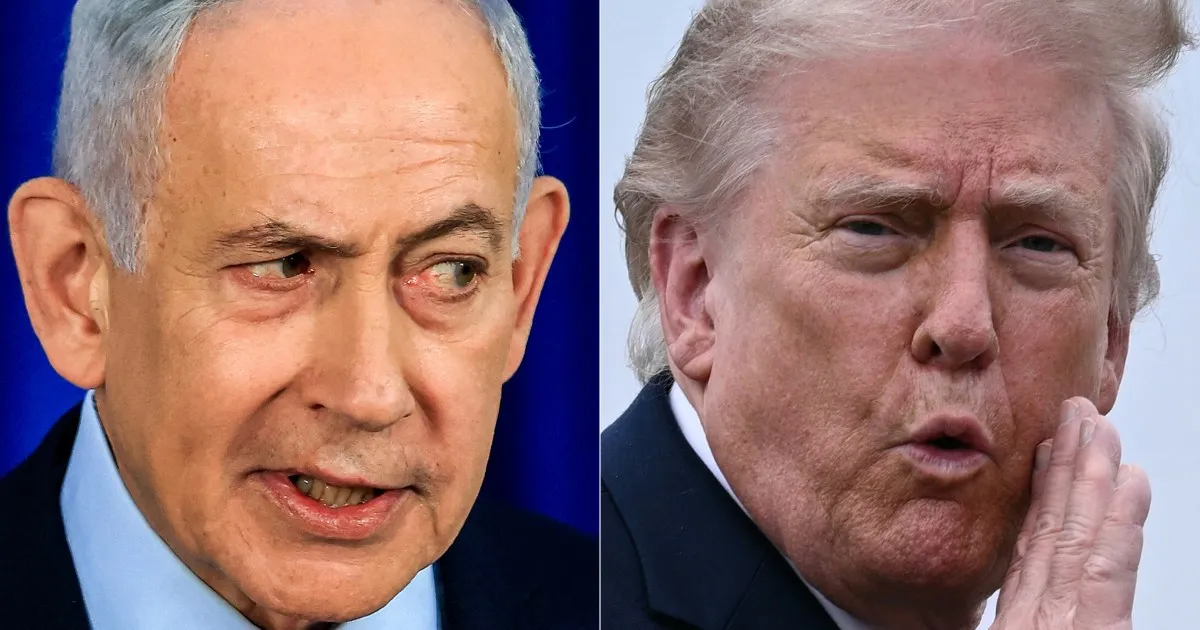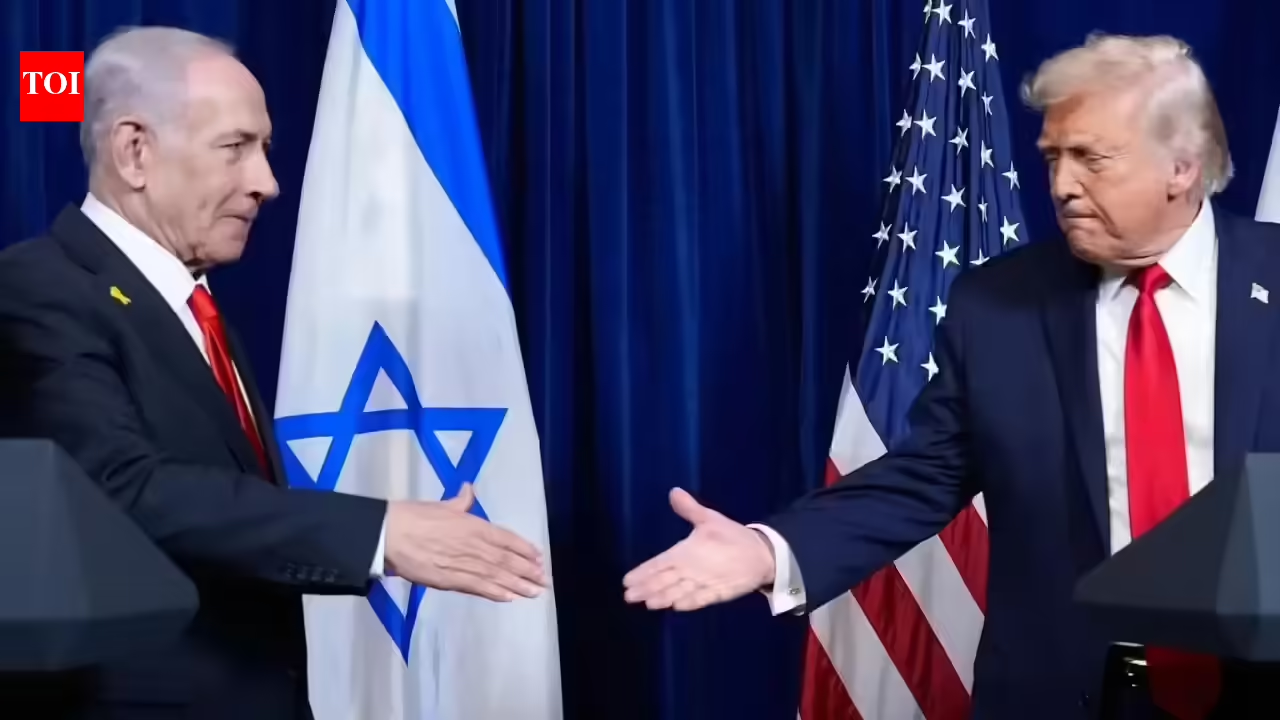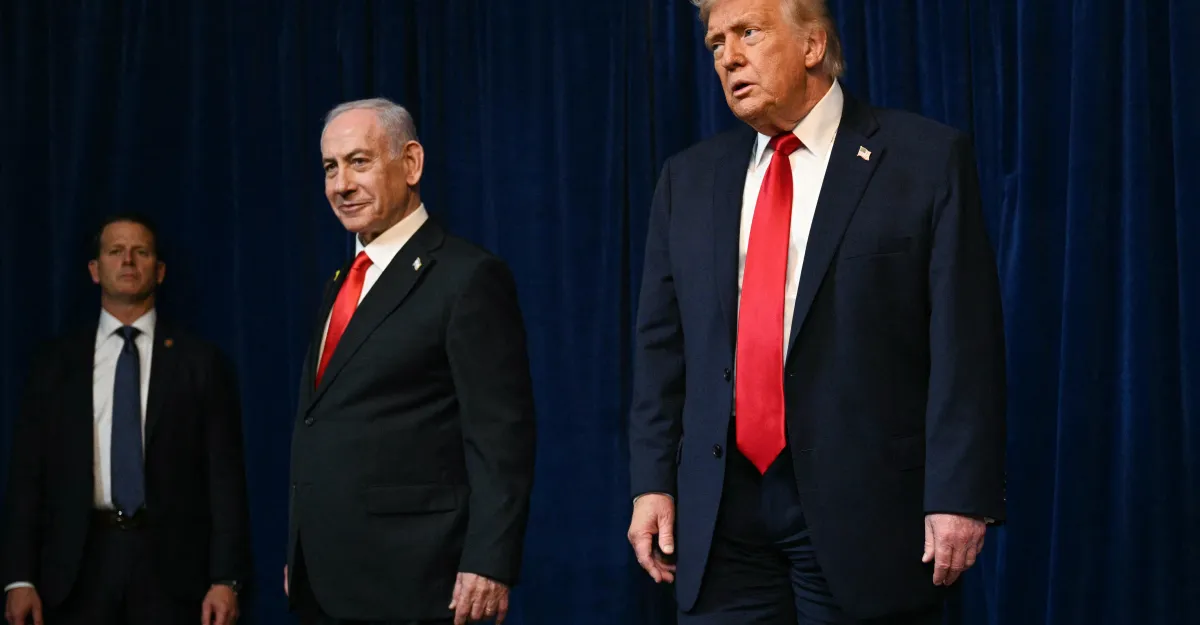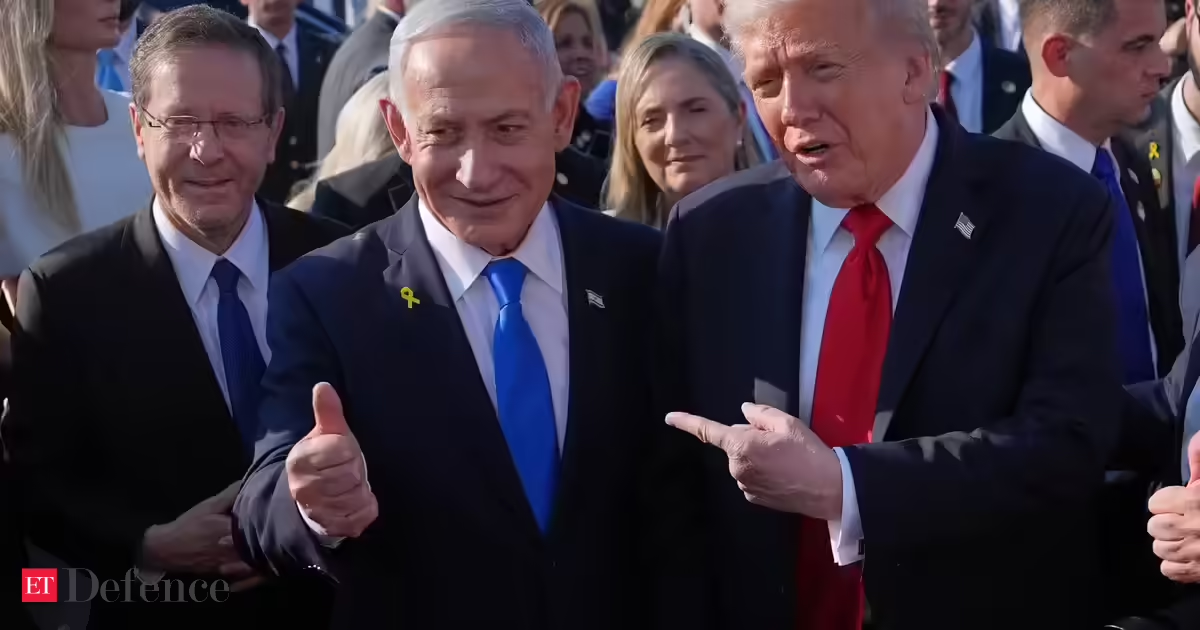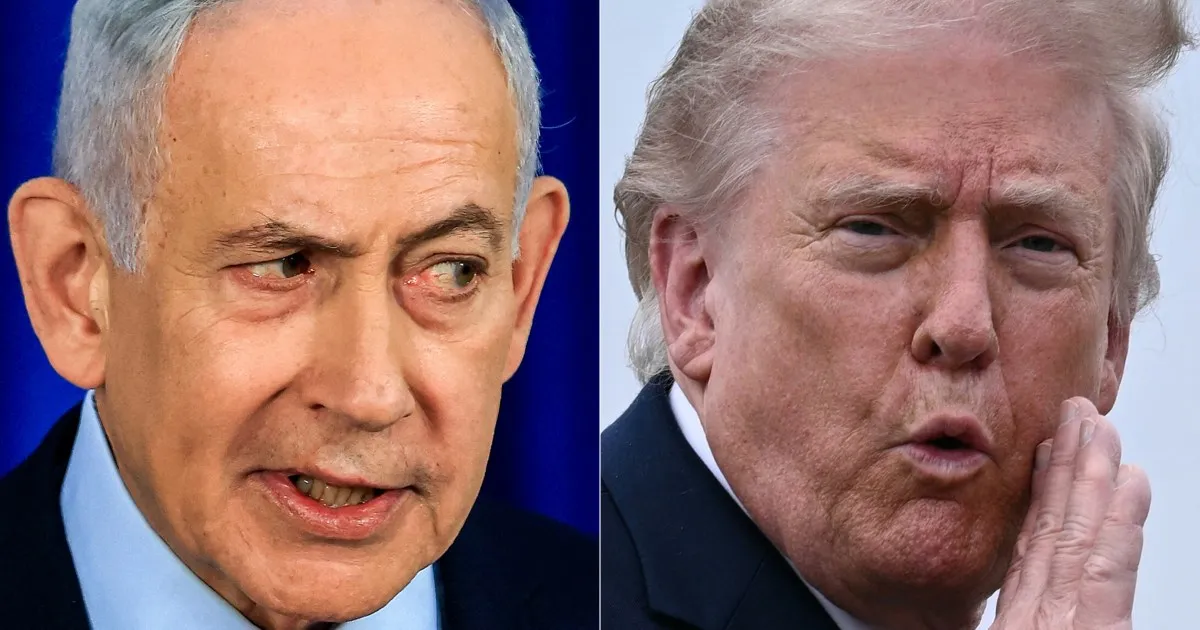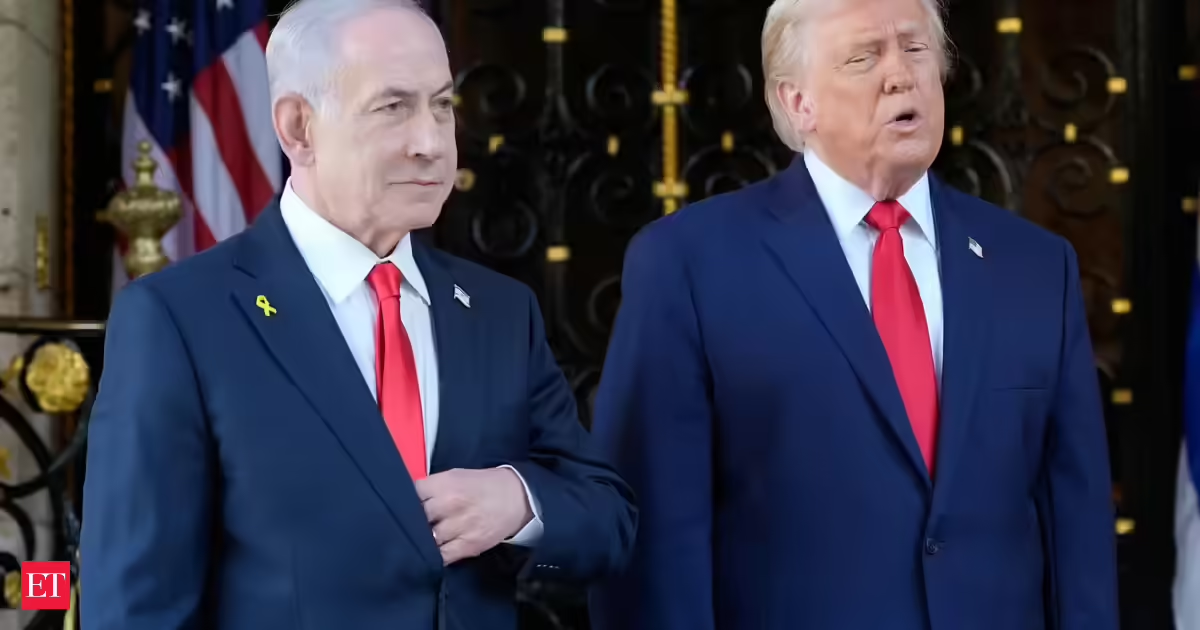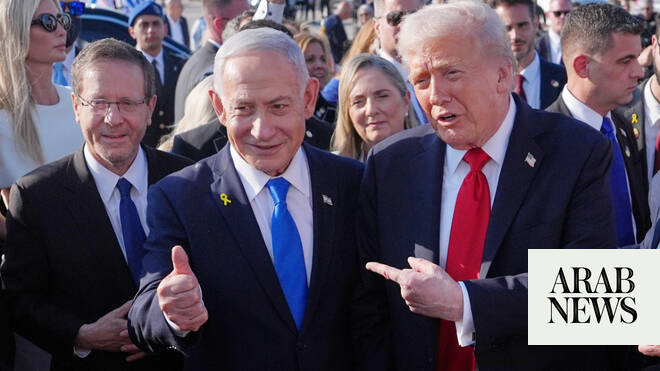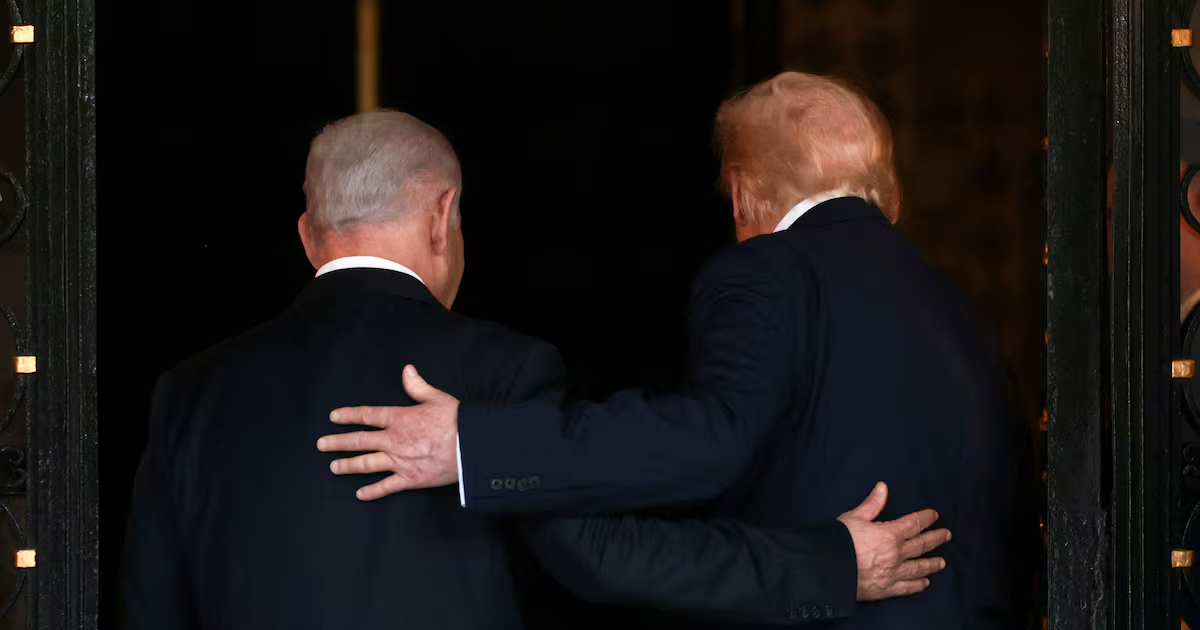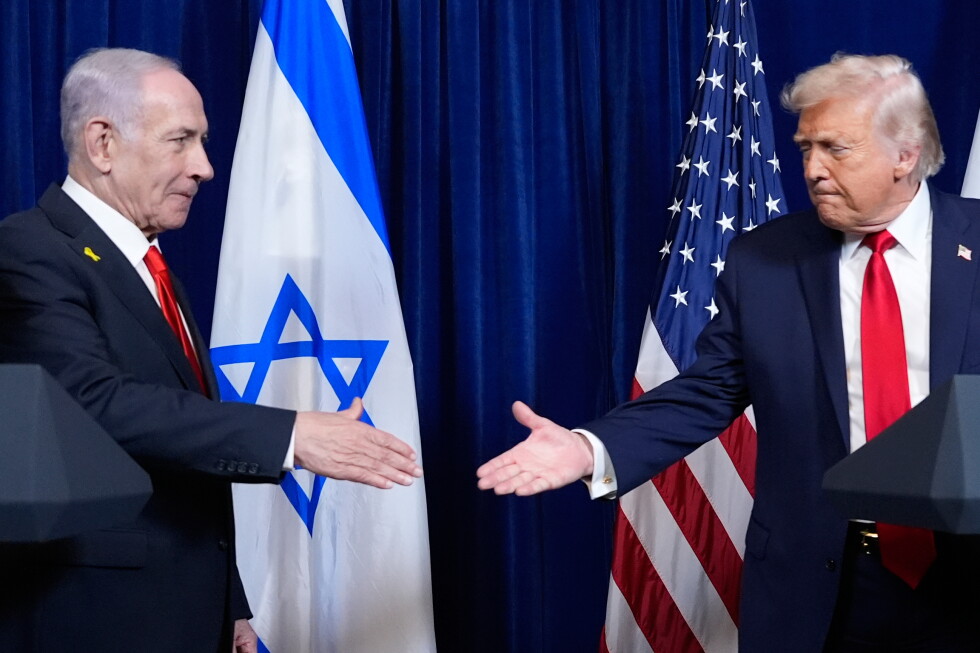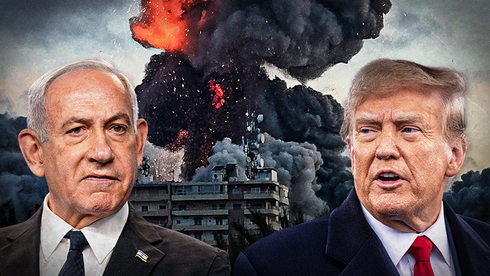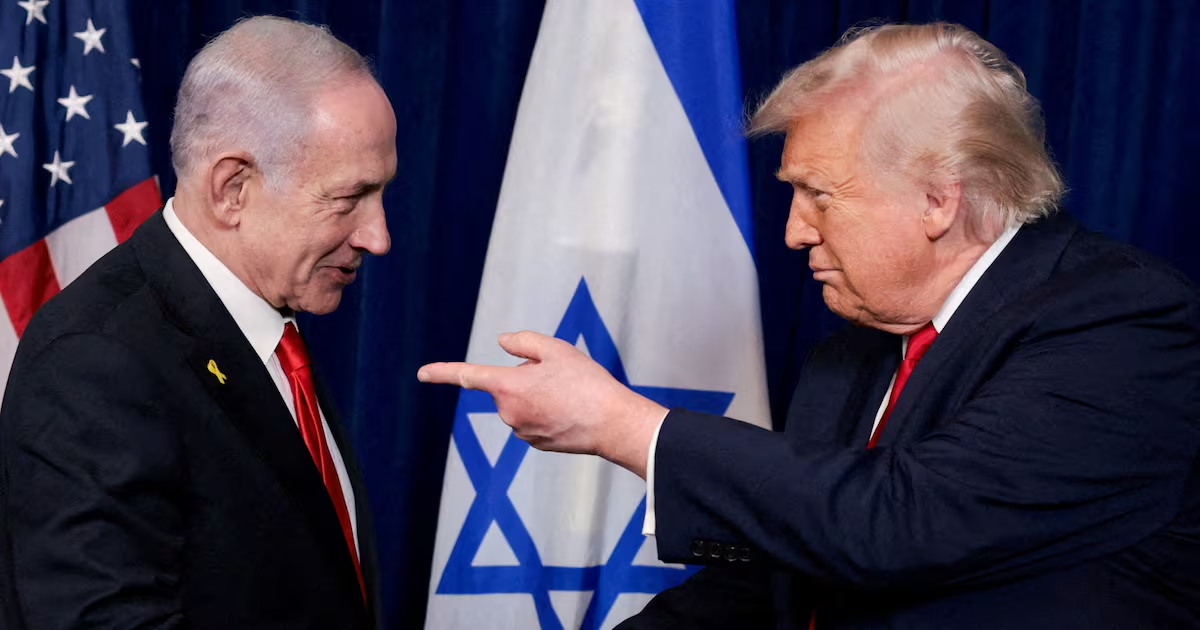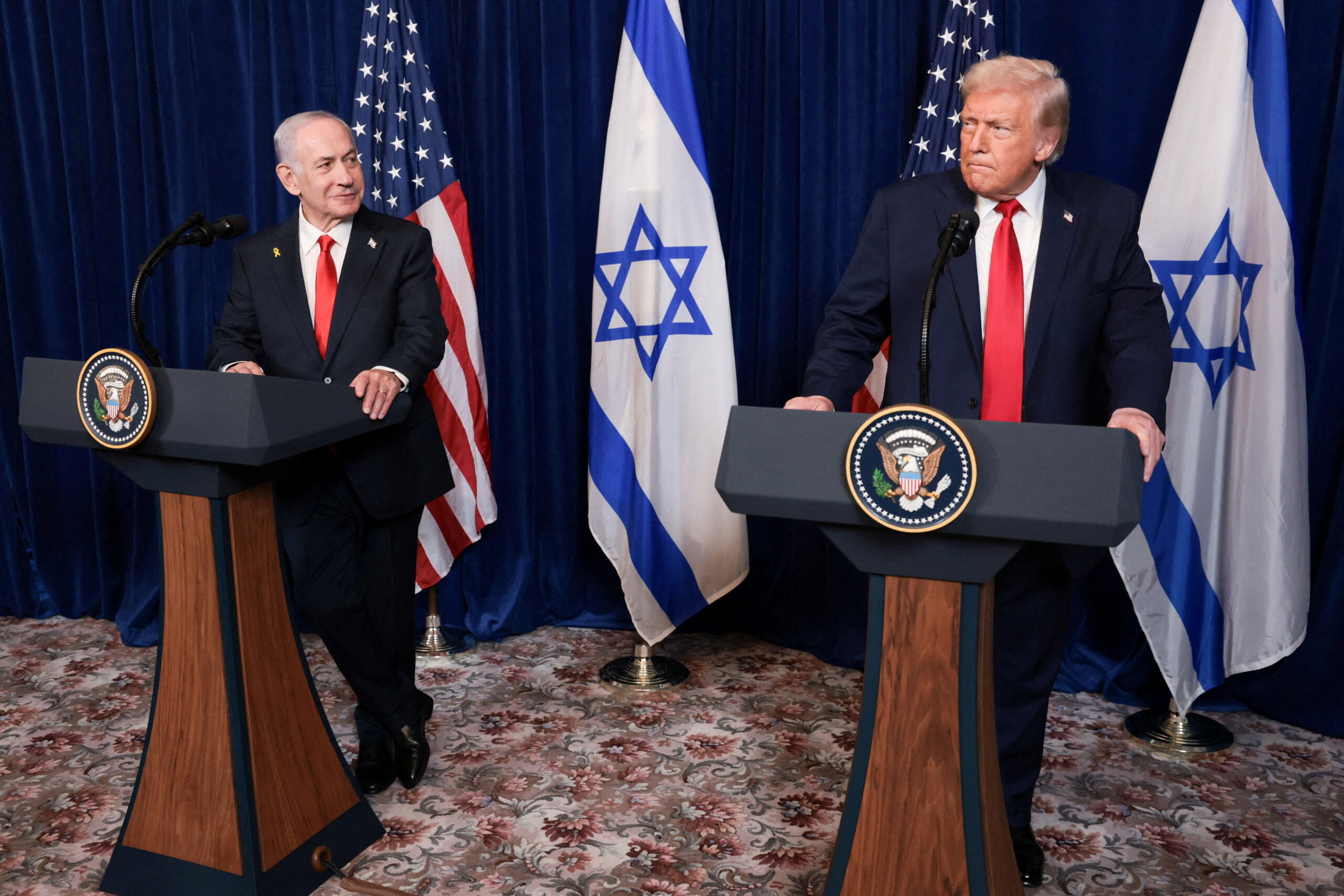
WASHINGTON—Despite close coordination between US and Israeli leaders and their militaries from the earliest days of the Iran war, the two countries’ interests and objectives, and their leaders’ political priorities and constraints, have increasingly diverged. The once-modest gap between them has opened into a chasm that will not be easily bridged.
Moreover, the chasm is widening along several different fissures:
Whether to end the war
When the war began, each side undoubtedly harbored hope that the Iranian regime would collapse. But when it became clear that the regime could endure significant military blows and inflict painful retaliation against US military and Gulf state infrastructure targets, US President Donald Trump understood that enough was enough and has been searching for an off-ramp ever since. Israeli Prime Minister Benjamin Netanyahu, meanwhile, operates according to the post-October 7 Israeli ethos: threats to Israel must be dealt with proactively and cannot be allowed to fester. He continues to believe that additional military pressure on Iran could cause the regime to fall. And even short of that, continued military pressure will further degrade its nuclear and ballistic missile capability.