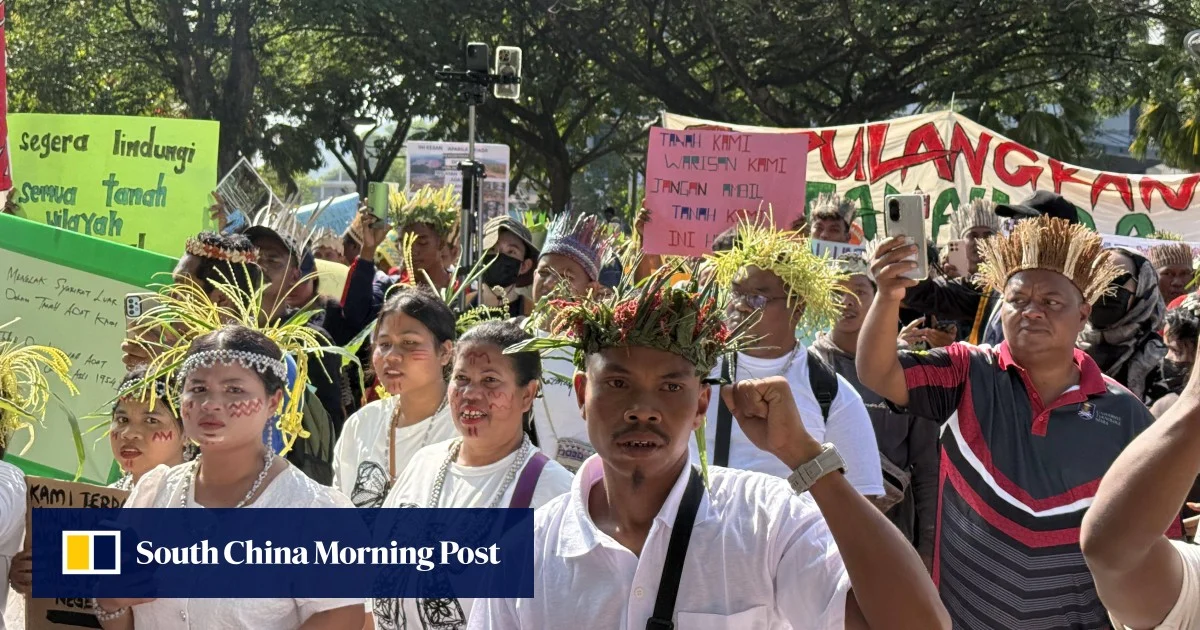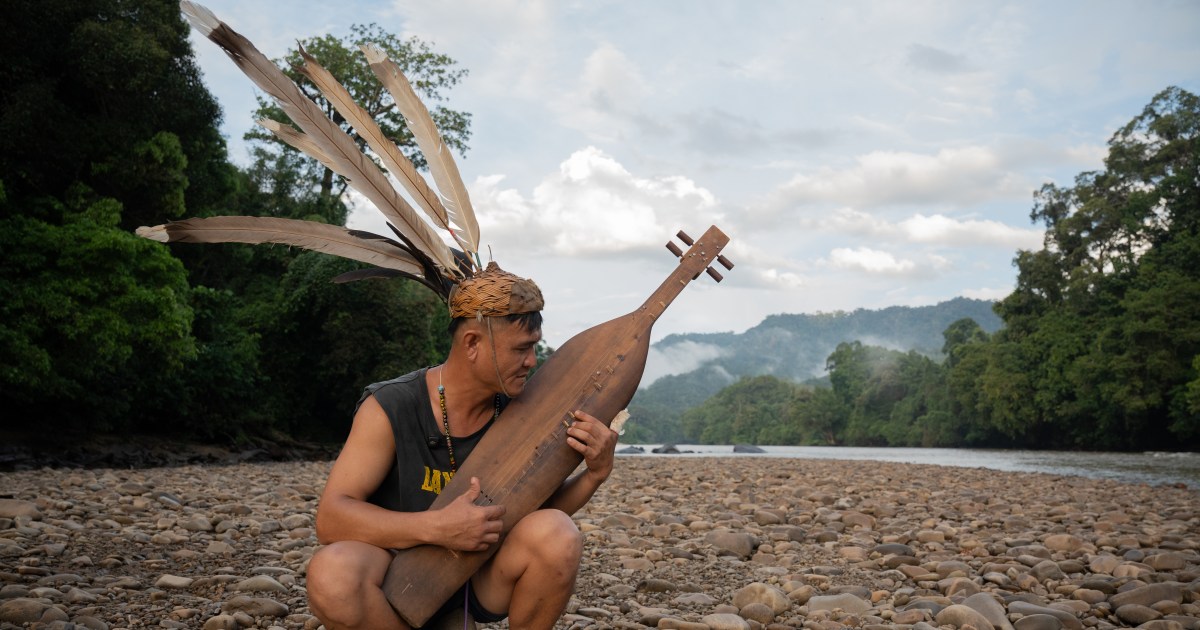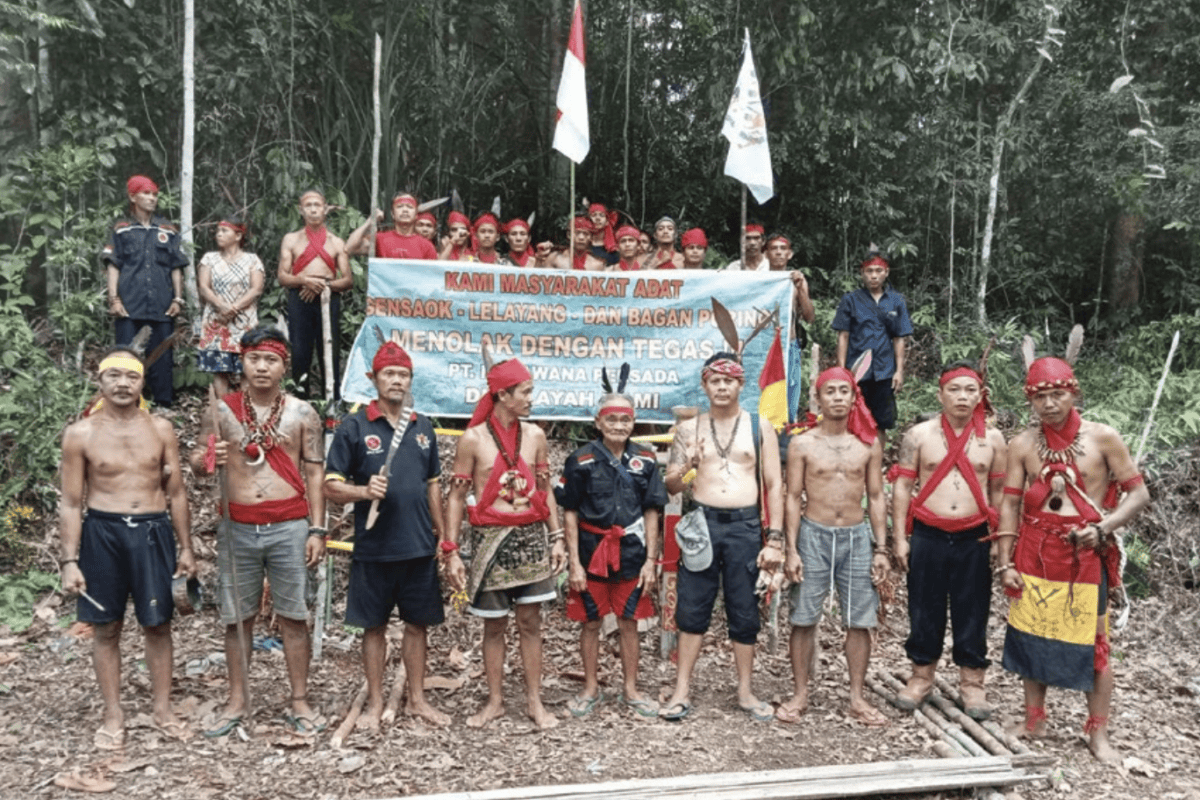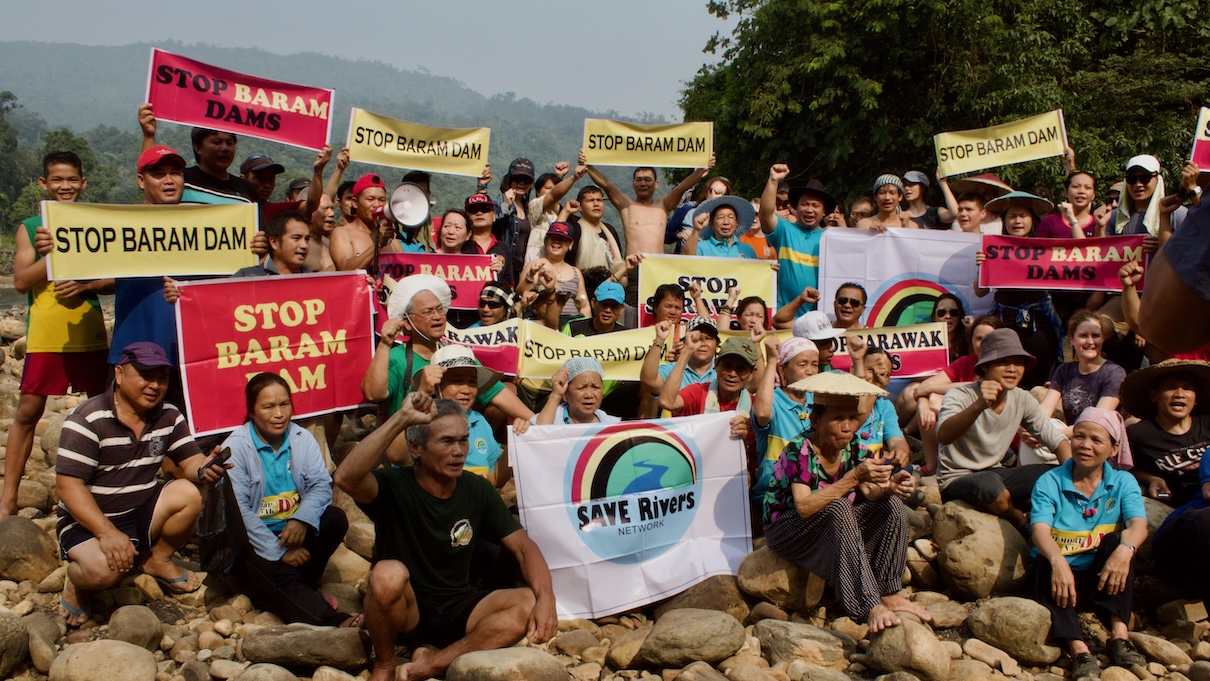
Threatening to inundate hundreds of square kilometers of forest and displace thousands of people on the island of Borneo, the Baram Dam spurred a principled response from a coalition whose members endured threats and harassment while undertaking brave actions like maintaining a 26-month road blockade.Ten years since Indigenous and local communities united with civil society organizations across the world to send that proposal down to a historic defeat, two leaders of one NGO that was key to the victory reflect on what helped the campaign succeed.“While the Baram victory cannot be automatically replicated — since each river, each community, each political configuration is its own — the structure of the campaign’s Indigenous-led physical resistance, rigorous independent science, and international solidarity infrastructure that amplifies without supplanting local leadership has been reactivated in varying forms and sites of victory across the world,” they write.This article is an analysis. The views expressed are those of the authors, not necessarily of Mongabay.
In October 2015, Indigenous activists from Indonesia, Malaysia, the Philippines, Cambodia, Brazil, the United States, and Honduras, together with delegates from longhouse communities throughout the Malaysian state of Sarawak, gathered at Tanjung Tepalit, an Indigenous Kenyah village on the Baram River on the island of Borneo.