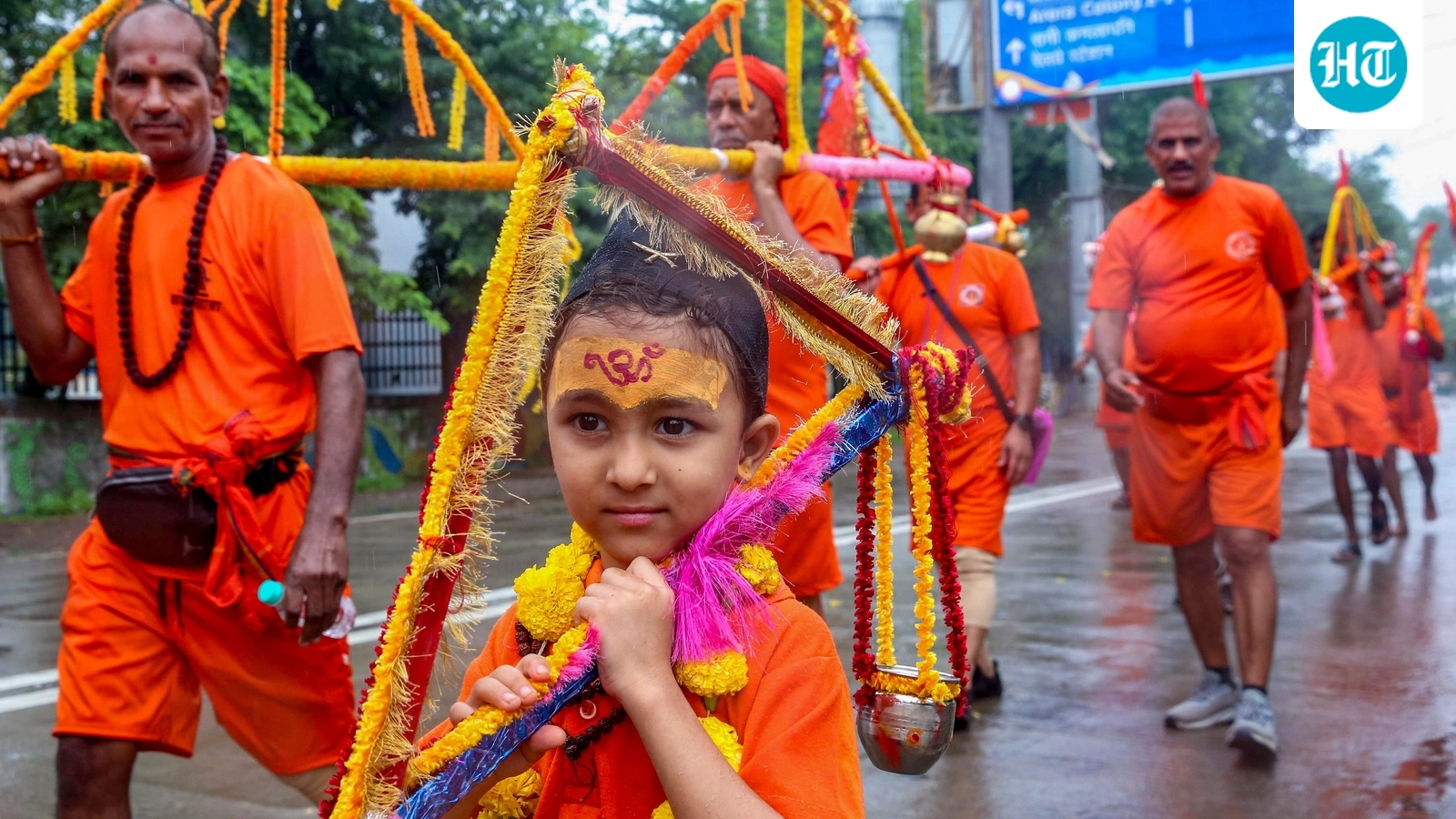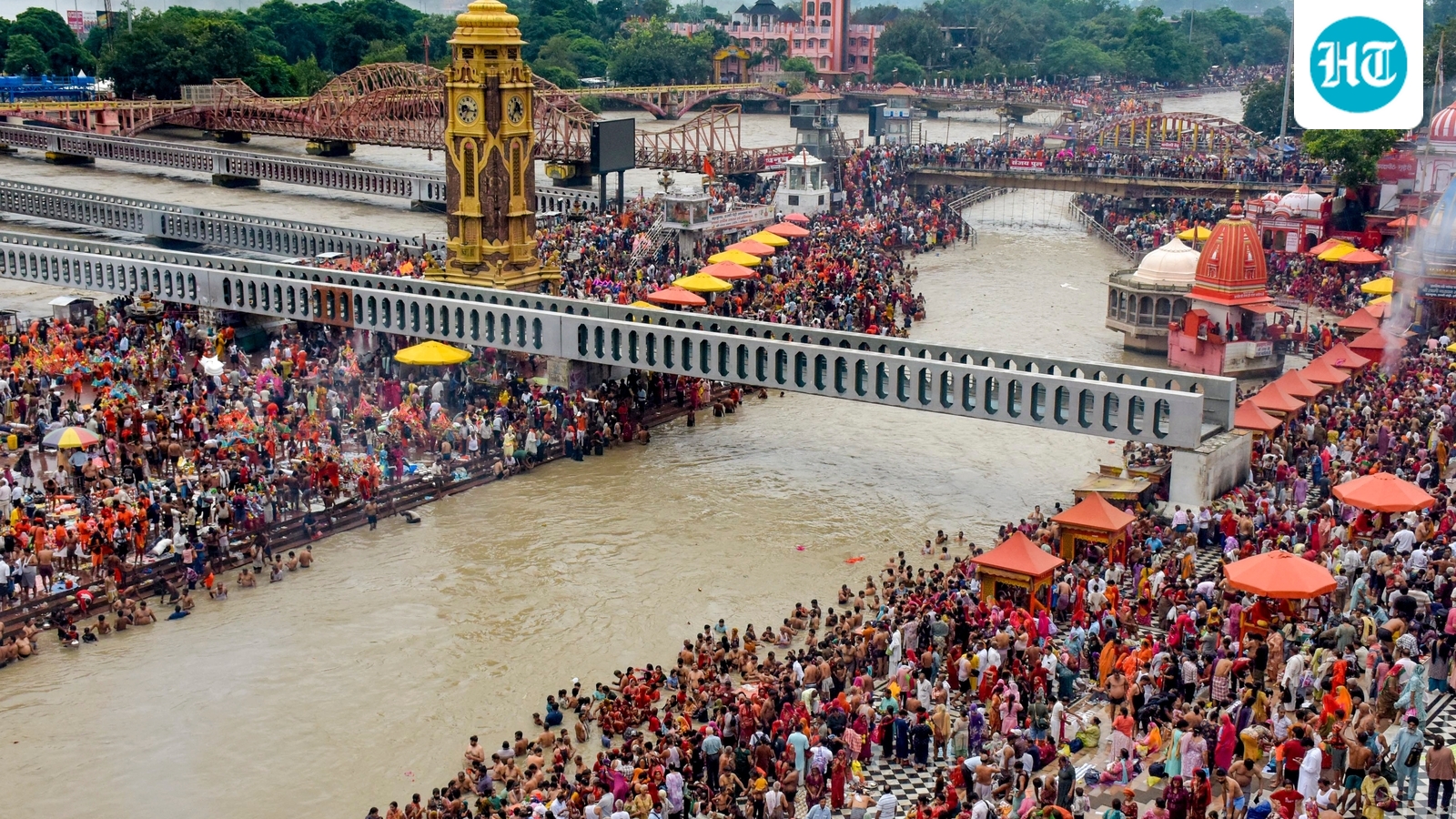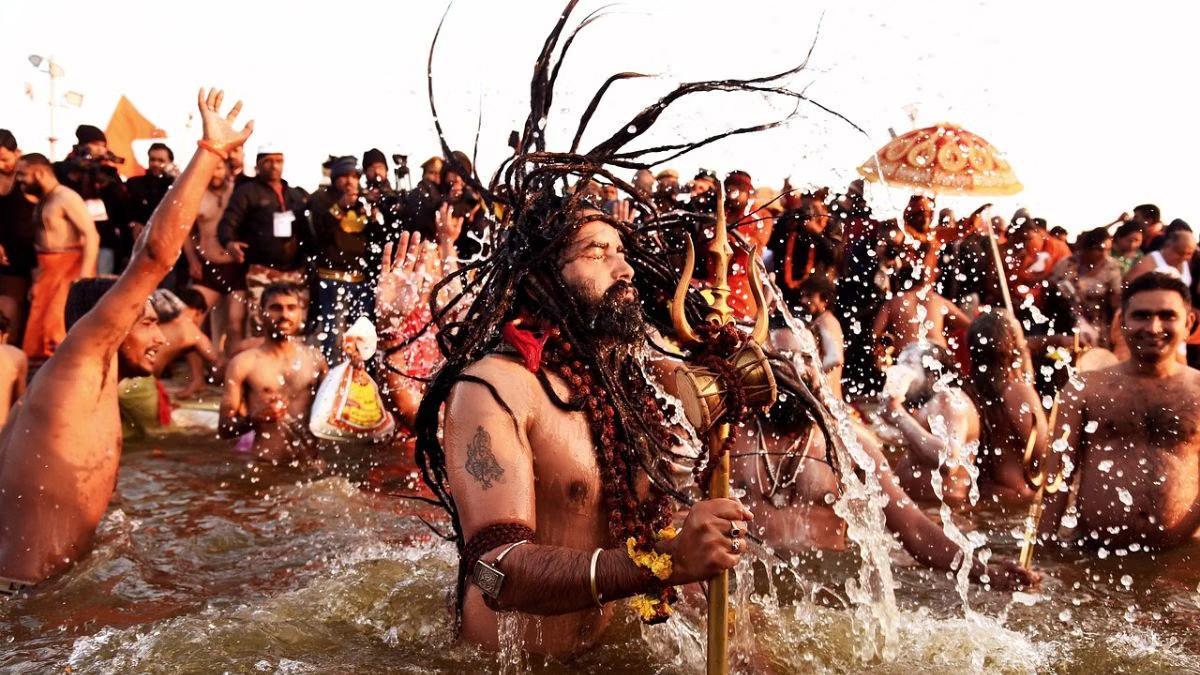
After every twelve years, the Maha Kumbh attracts tens of millions to the banks of the Sangam of the three rivers in Prayagraj, Uttar Pradesh. Scholars have long studied it in terms of logistics—crowd management, security, sanitation and infrastructure.
But who are the people who visit? What do they have faith in? How do they vote? And how do they think about the various identities that make for nationhood? How do they experience the Maha Kumbh? Do these experiences vary by gender? These are the questions that the RSPL Pilgrim Survey-Maha Kumbh 2025, conducted across 27 sectors between January and February 2025, set out to explore through a sample of 1,415 pilgrims. The picture—a religious, mostly young, educated and coming from the states of Uttar Pradesh and Bihar—is of a politically engaged and internally contradictory reality.
Findings of the survey
An overwhelming 92 per cent of our respondents said that religion is “very important” in their lives. This figure alone would not amaze anyone visiting a pilgrimage site. But the educational and demographic profile of the respondents would. At least 55 per cent were male pilgrims under 30, and the median education level was 14 years, which is well above the national average. These are not illiterate, tradition-bound masses of a certain condescending imagination. They are educated and young people for whom religion has not retreated with schooling. The engagement is deep, and it is not going away.This deep religiosity exists with a more nuanced picture of social norms. Take the question of who may conduct a parent’s last rites—a practice which has been historically reserved for sons in Hindu tradition. An overwhelming 80 per cent of the survey respondents continue to attach significance to sons or other male kin performing these rites. And yet, a significant majority—over 80 per cent—also found it acceptable for daughters to do them in the absence of a son. With a decrease in fertility rates and an increase in one-child families where that child is female, the norm is adjusting to reality.Property rights for married daughters, consistent with post-independent legal frameworks, enjoy broad backing with slightly more than half of those surveyed finding it “acceptable” (55 per cent) and nearly a third (29 per cent) finding it to be “somewhat acceptable”, though pockets of resistance persist, including women themselves. Of course, the question of translating stated support into actual practice remains open.But the starkest finding on gender norms concerns inter-caste marriage, with nearly half of our respondents finding it “not acceptable”. Across the three norms we studied, this drew the most opposition. Caste endogamy, it seems, remains the deepest and most defended boundary in the social imagination of the pilgrims.The political decisions deserve careful reading: 69 per cent of the respondents conveyed voting for the BJP in the 2024 Lok Sabha elections – nearly double the party’s national vote share of about 37 per cent. This is not entirely surprising: the Maha Kumbh is a Hindu pilgrimage, and the BJP has positioned itself as the political tool of Hindu cultural assertion. But what is conspicuous is that even among those who came to Prayagraj for reasons other than religion—tourism and livelihoods—46 per cent reported voting for the BJP. Its appeal, in this sample at least, cuts across the purely devotional.At the same time, the correlation between religious and national identity is more complex than it might appear to be. Only 43 per cent of our respondents opined that being Hindu was “very important” to being “truly Indian”—a figure that is lower than that reported in the 2021 Pew Survey on religiosity in India. While the two surveys are not strictly comparable, the results of the RSPL Pilgrim Survey-Maha Kumbh 2025 suggest that, for all their religiosity, the pilgrims do not straightforwardly support what could indicate a majoritarian definition of citizenship in India.And yet, the same pilgrims conveyed strong disagreement with the presence of Muslim vendors at the Mela and considerable agreement with narratives of historical persecution of Hindus by Muslims. They exhibit a particular consciousness—one that can coexist with limited formal conflation of being Hindu and being Indian while still towing sharp community lines.