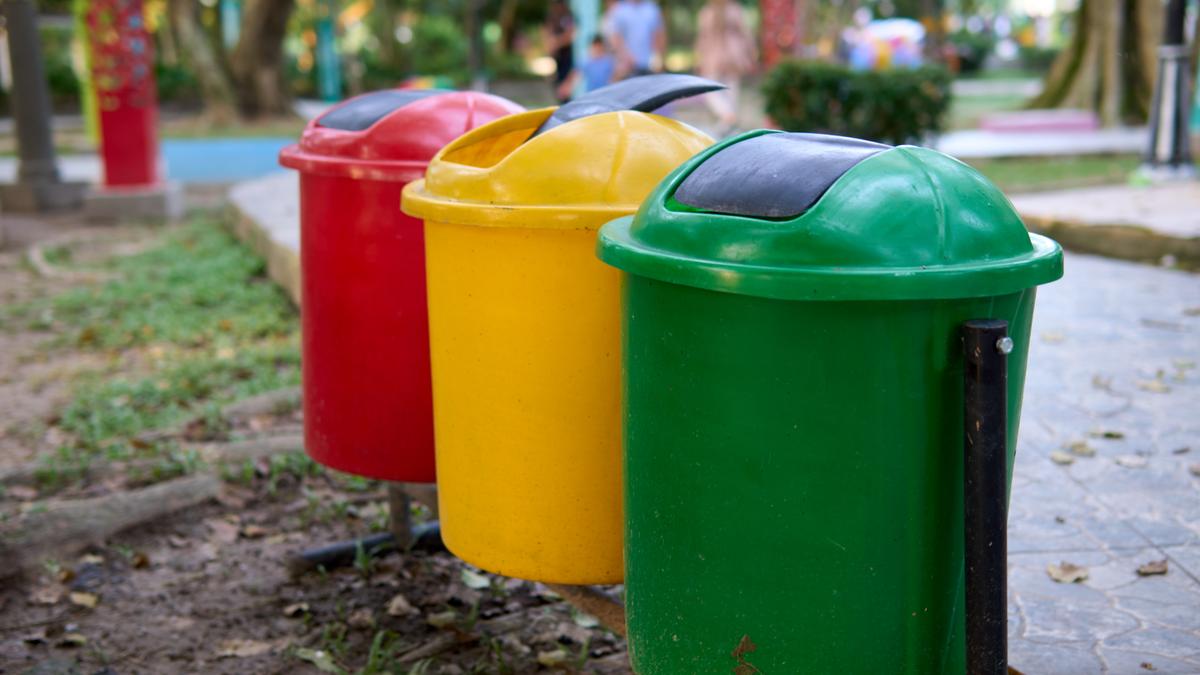
The Indian government should take a leaf out of the Mahakumbh playbook, ensuring adequate budget allocation for the establishment of waste treatment and waste-to-energy generation facilities in all Indian metros.
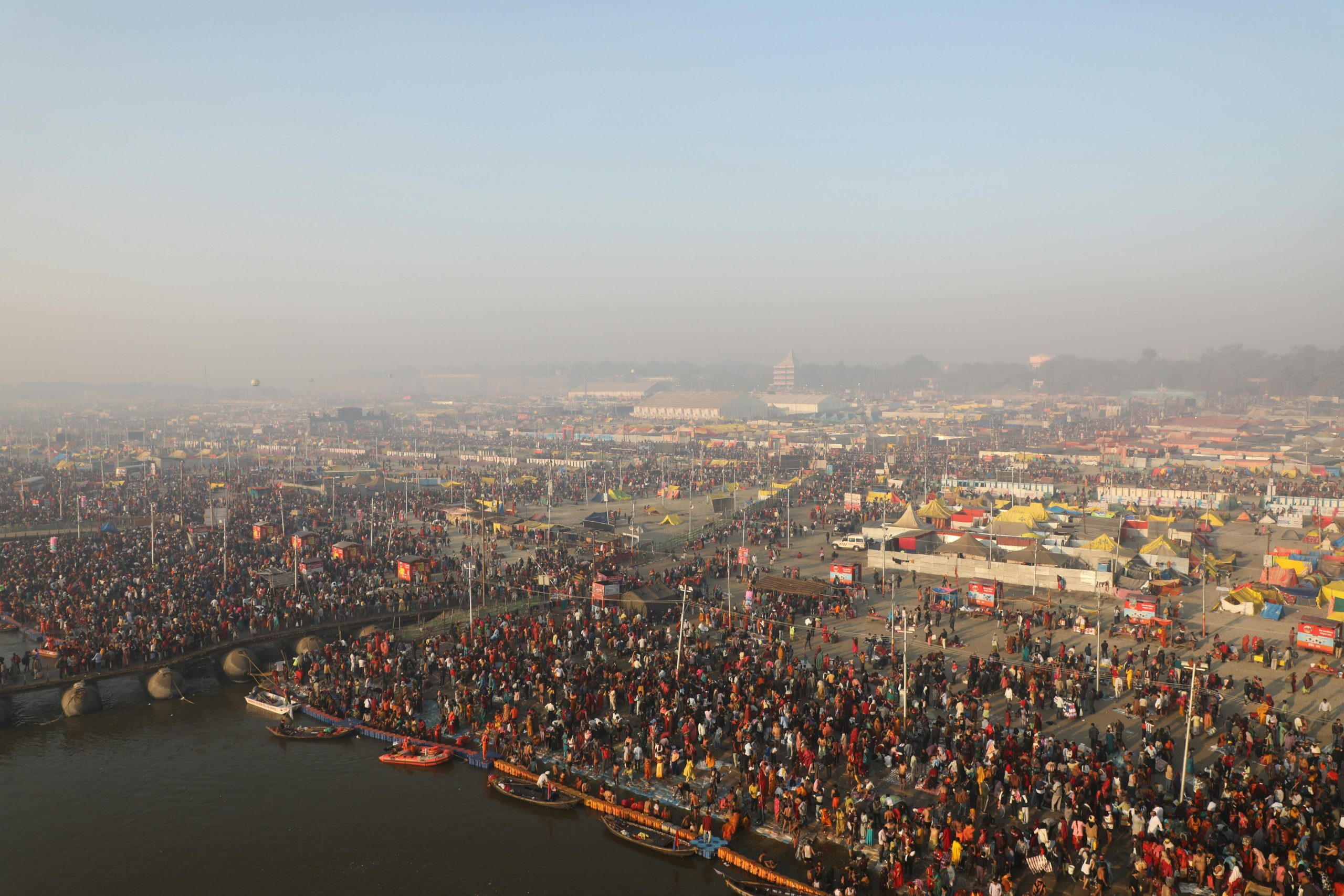
Mahakumbh 2025 served as the testing ground for waste-management solutions that can be easily implemented in India’s metropolitan cities buckling under the waste crisis. Photo by
Ashish Kumar Pandey, Pexels
The Indian government should take a leaf out of the Mahakumbh playbook, ensuring adequate budget allocation for the establishment of waste treatment and waste-to-energy generation facilities in all Indian metros.
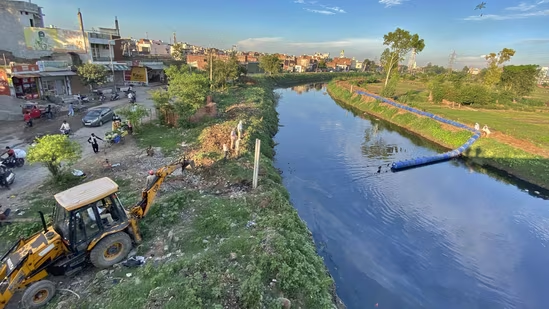
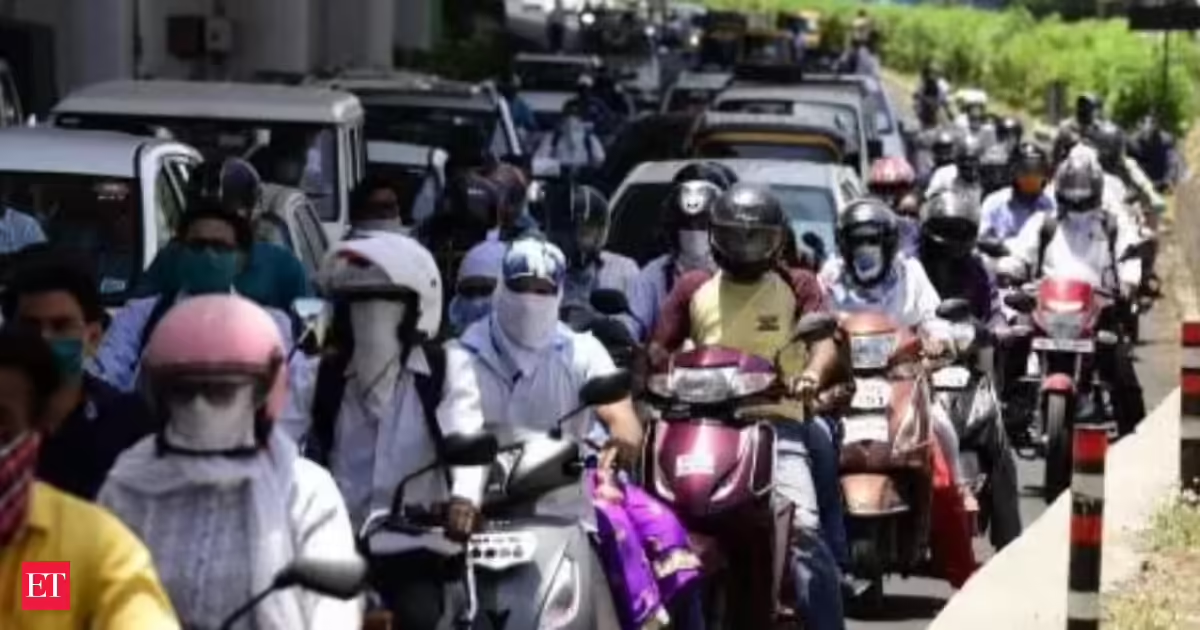
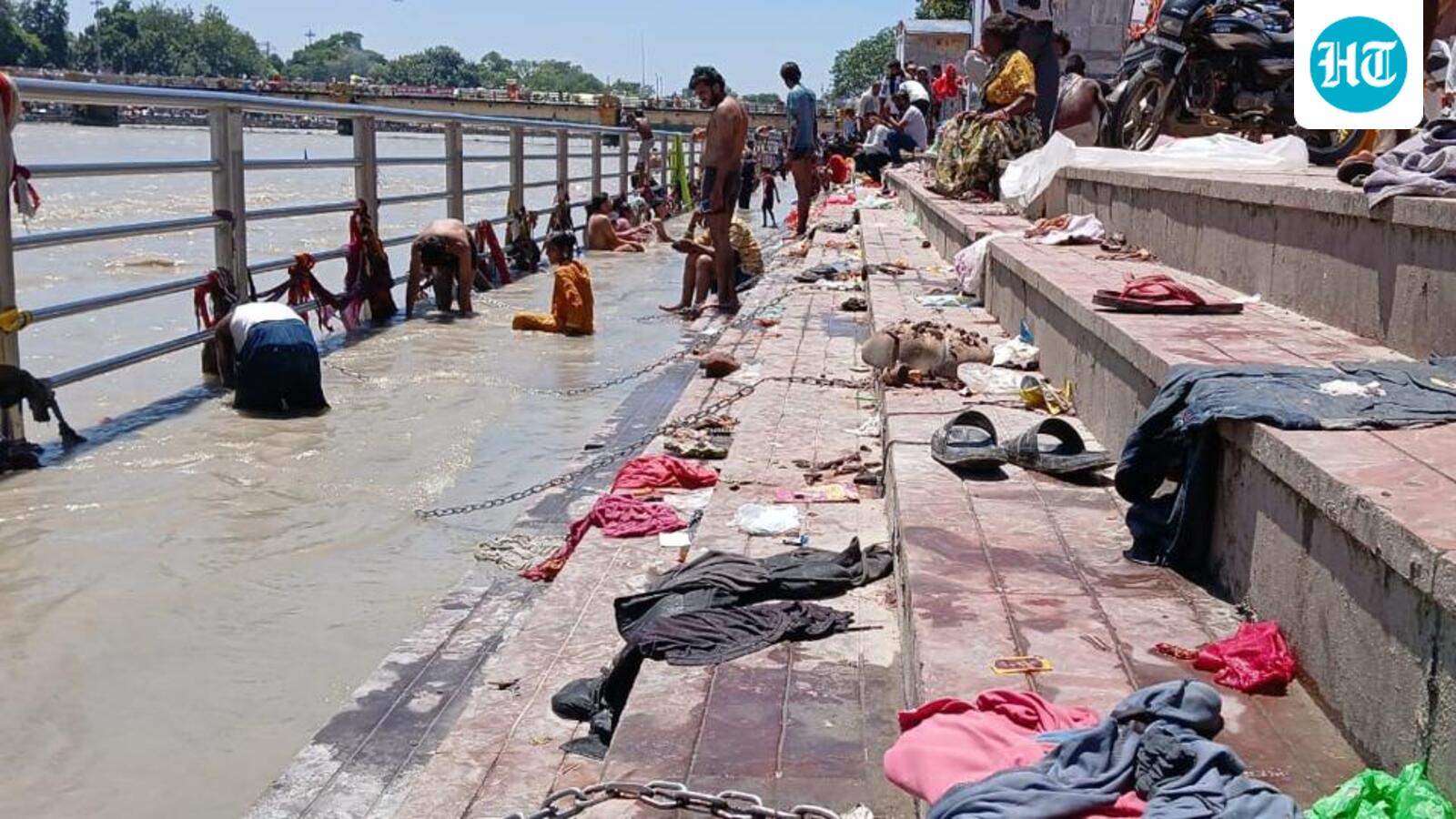
Mahakumbh 2025 made headlines last year as the largest human gathering on Earth. Hosting nearly 660 million people over six weeks, this spectacle of faith, tradition, and collective belief also revealed a striking paradox. In a country grappling with chronic urban waste crises, this fleeting megacity managed what Indian cities struggle to achieve: efficient, large-scale waste management. What can India’s cities learn from this temporary, yet highly effective, sanitation model?