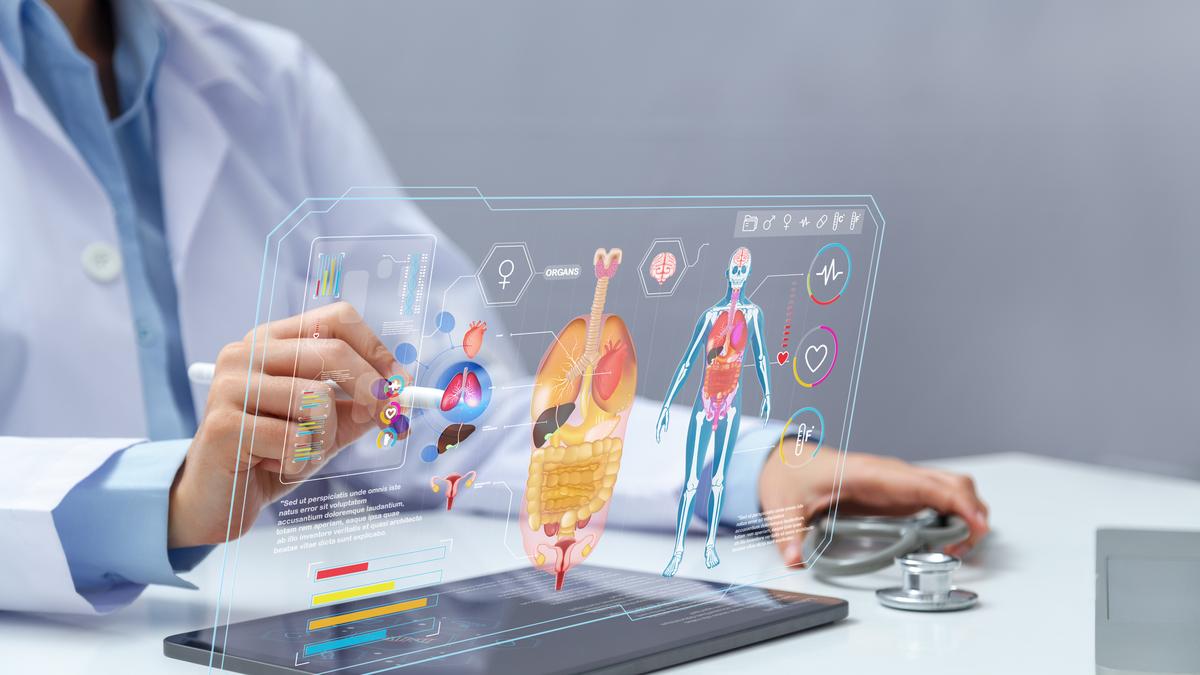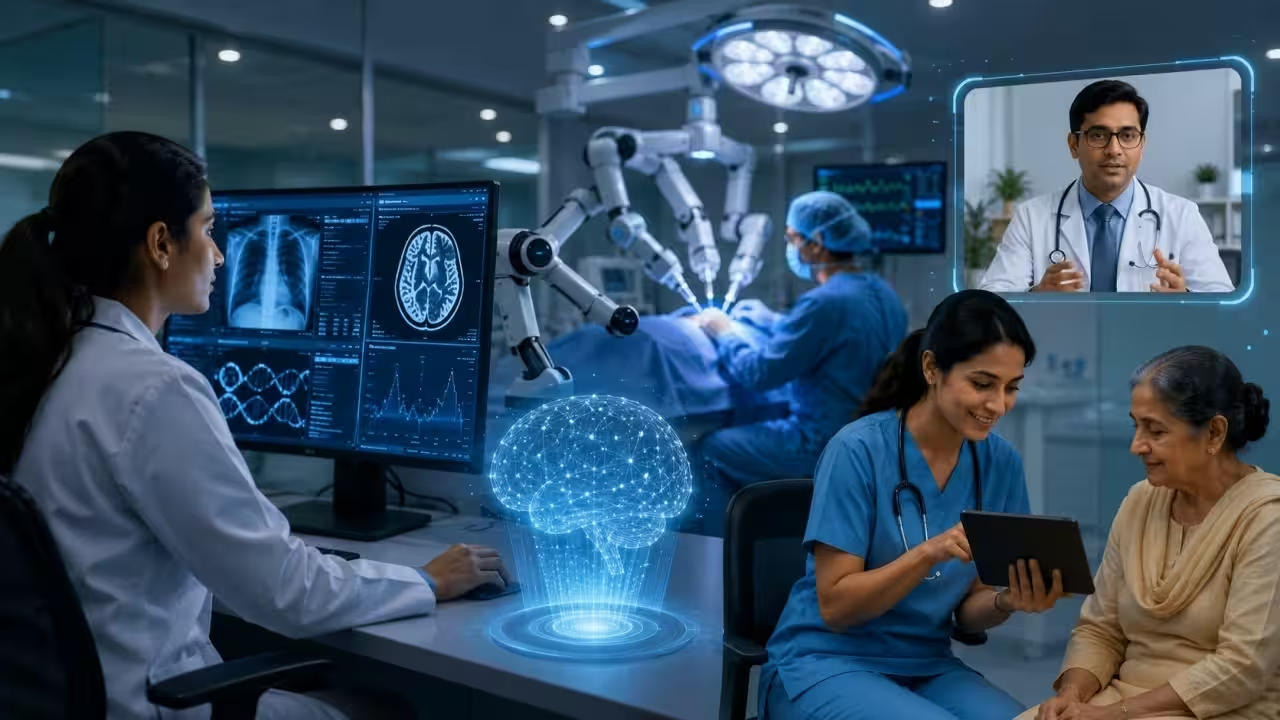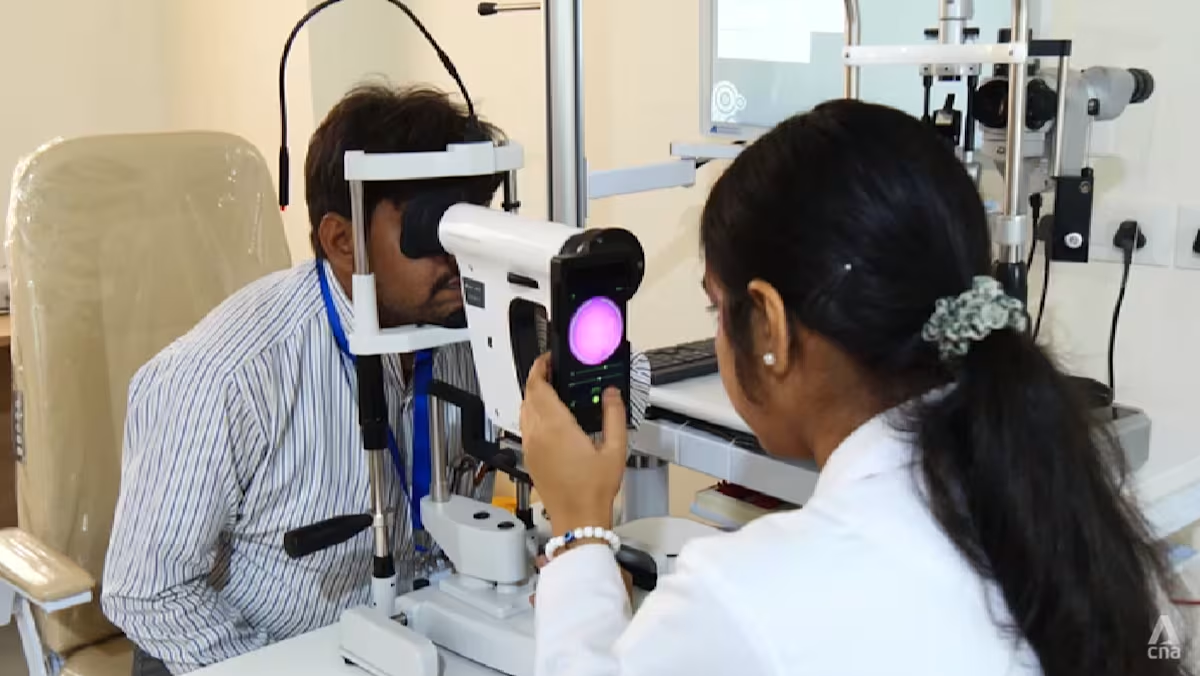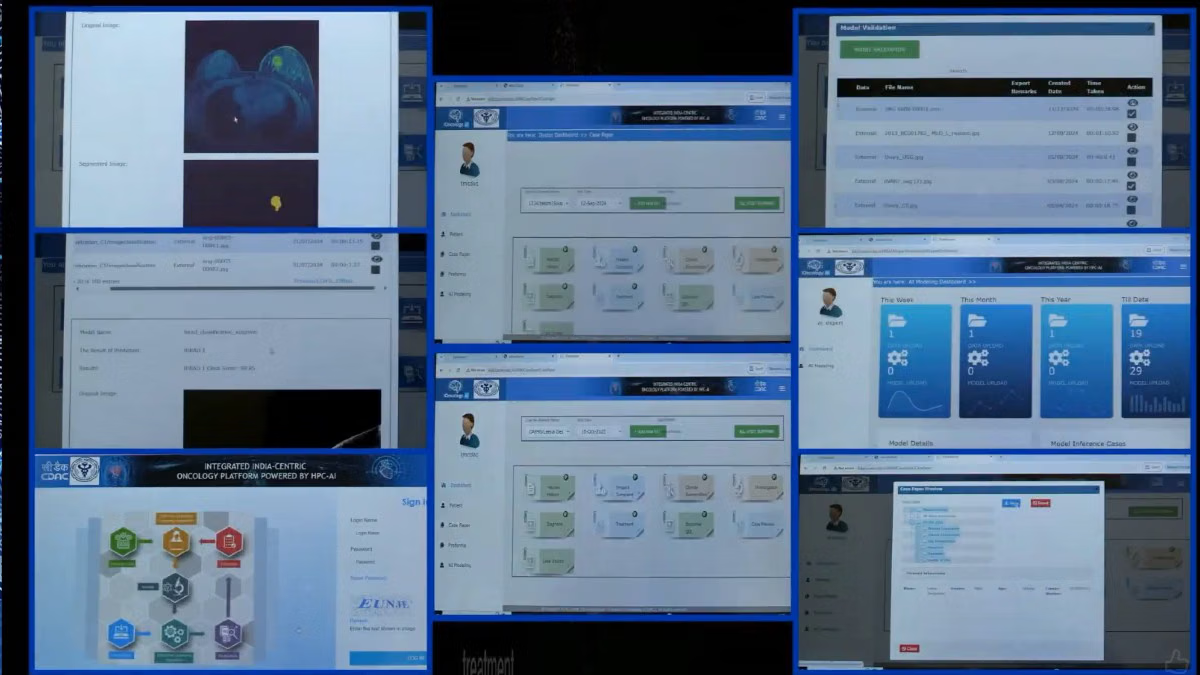
Funded by the Ministry of Electronics and Information Technology (MeitY), and currently in testing and research mode, the platform is built on Indian supercomputing infrastructure and is being trained on Indian patient datasets.It currently focuses on breast and ovarian cancers, two of the most common and deadly cancers affecting Indian women, often diagnosed at advanced stages.The platform brings a patient’s records into a single AI-powered dashboard, allowing pathologists, radiologists and oncologists to access the same information simultaneously.It integrates pathology findings, imaging data, laboratory results and clinical history, and then analyses the combined dataset to identify patterns that may otherwise be missed. The goal is to support faster and more confident clinical decision-making.“There are cases where two pathologists may look at the same slide and disagree on the grade of the cancer,” said Professor Ashok Sharma, principal investigator of the project and Additional Professor in the Department of Biochemistry at AIIMS New Delhi.“When all the information is fed into the software, it aggregates inputs from multiple specialists, analyses them through the model, and generates a recommendation. The final decision, however, always rests with the clinician,” he added.Breast cancer is currently the most common cancer among Indian women, accounting for about 27 percent of all female cancers in the country. It has overtaken cervical cancer as the leading cause of cancer-related deaths among women. Ovarian cancer, meanwhile, remains among the deadliest because it is often diagnosed late.“While cervical cancer now has effective vaccines, breast and ovarian cancers continue to pose major challenges because they often develop silently,” Professor Sharma said.“Their symptoms can be subtle, vague or easily overlooked. Ovarian cancer in particular is usually detected at an advanced stage, by which time the disease may have become aggressive. That is the key reason we chose to focus on breast and ovarian cancers in the first phase of this project,” he added.
Trained on Indian patients’ data, how an AI tool can improve breast & ovarian cancer diagnosis, treatment
The AI platform integrates pathology findings, imaging data, lab results and clinical history, and then analyses combined dataset to identify patterns for faster clinical decision-making.
1,345 words~6 min read