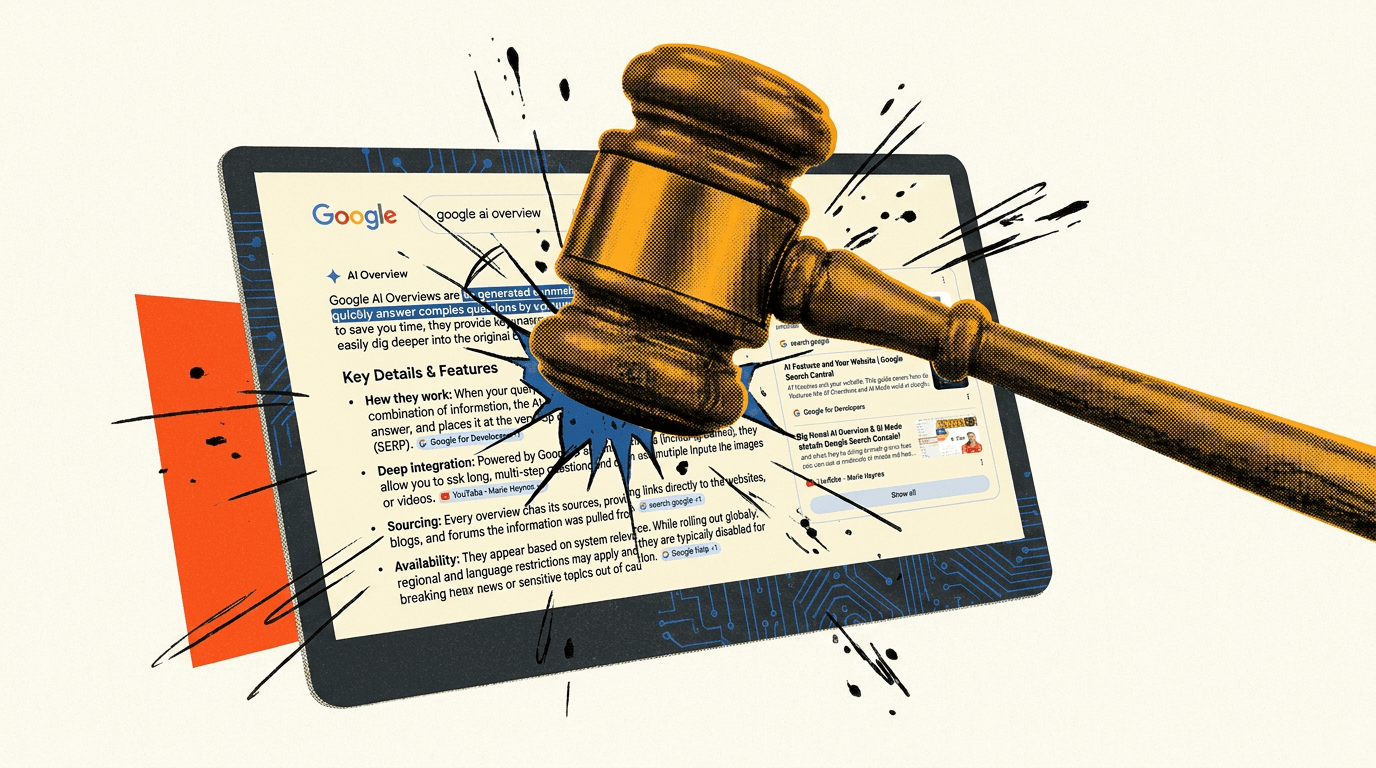
According to a Google translation of the German court ruling, however, the false outputs were “primarily an expression of the defendant’s commercial activity,” and the AI tool’s “opinions” and false statements were capable of impacting public opinion.
The court concluded that, in weighing the balance, publishers’ interest in removing the false information outweighed Google’s commercial speech rights.
AI is not necessary to search the web
Historically, any potentially harmful content surfaced by search engines has been protected from direct liability because that surfacing was considered largely unavoidable when helping users sort through an enormous tangle of information online. But the German court emphasized that AI search engines do not enjoy those same protections because AI summaries merely provide “an additional function—one without which the use of the search engine would still be (and is) possible, and without which users are perfectly capable of finding results amidst the ‘flood of data.’”
In other words, nobody needs AI to search the Internet, so AI firms can’t just let their tools attribute false claims to fake sources without assuming any liability.