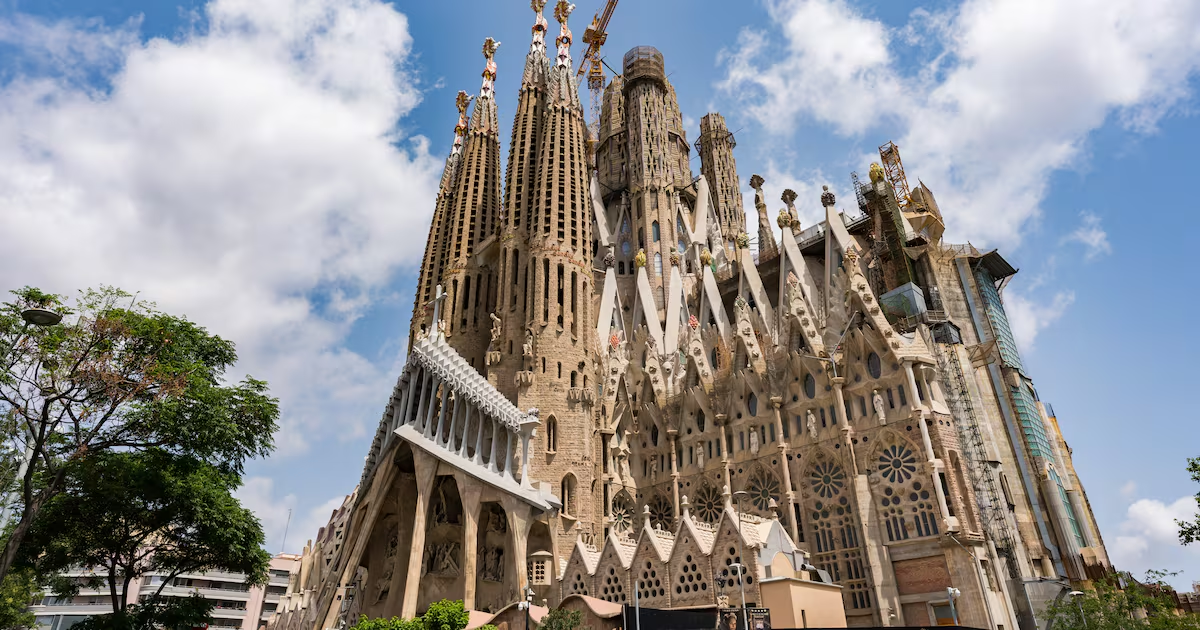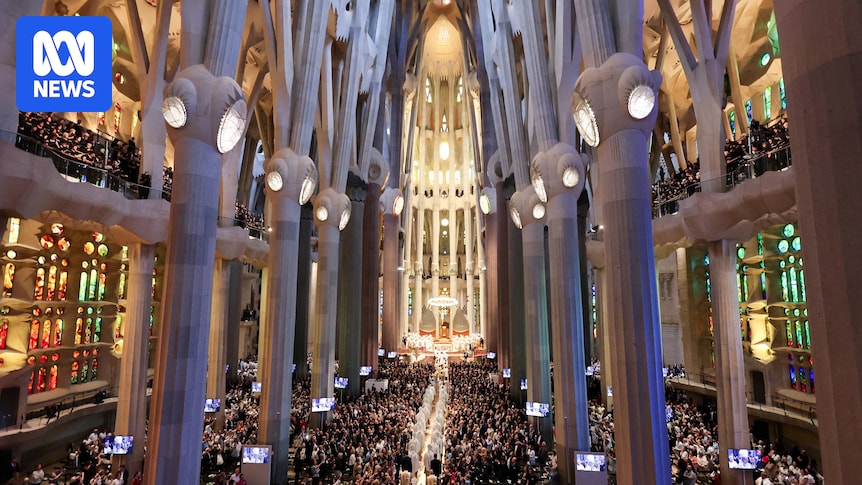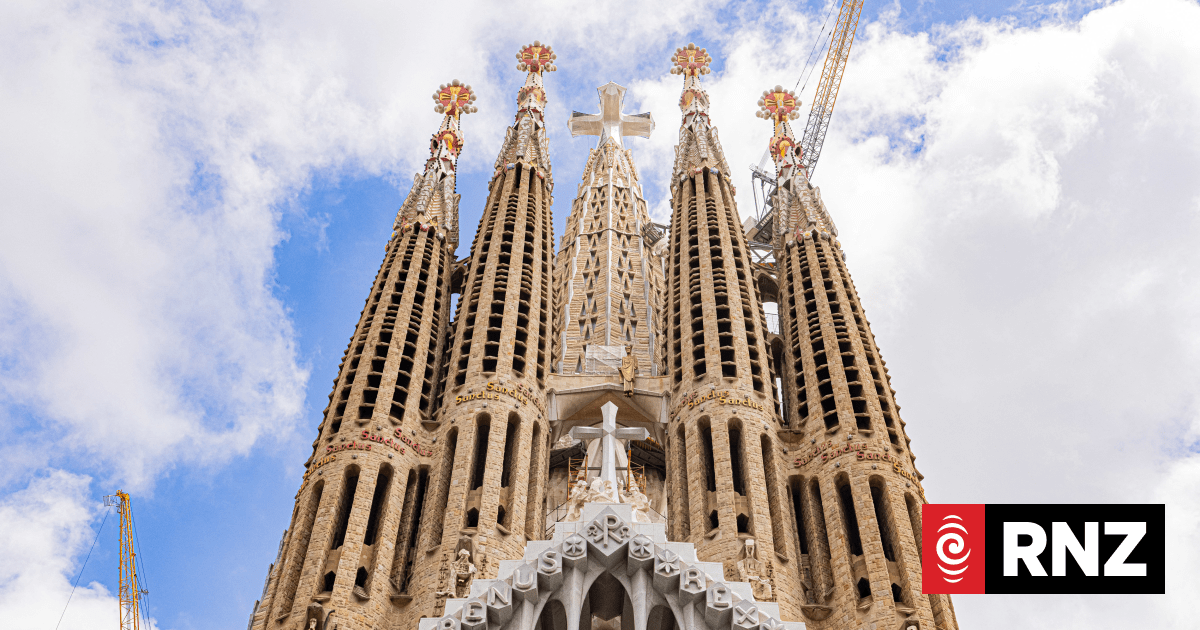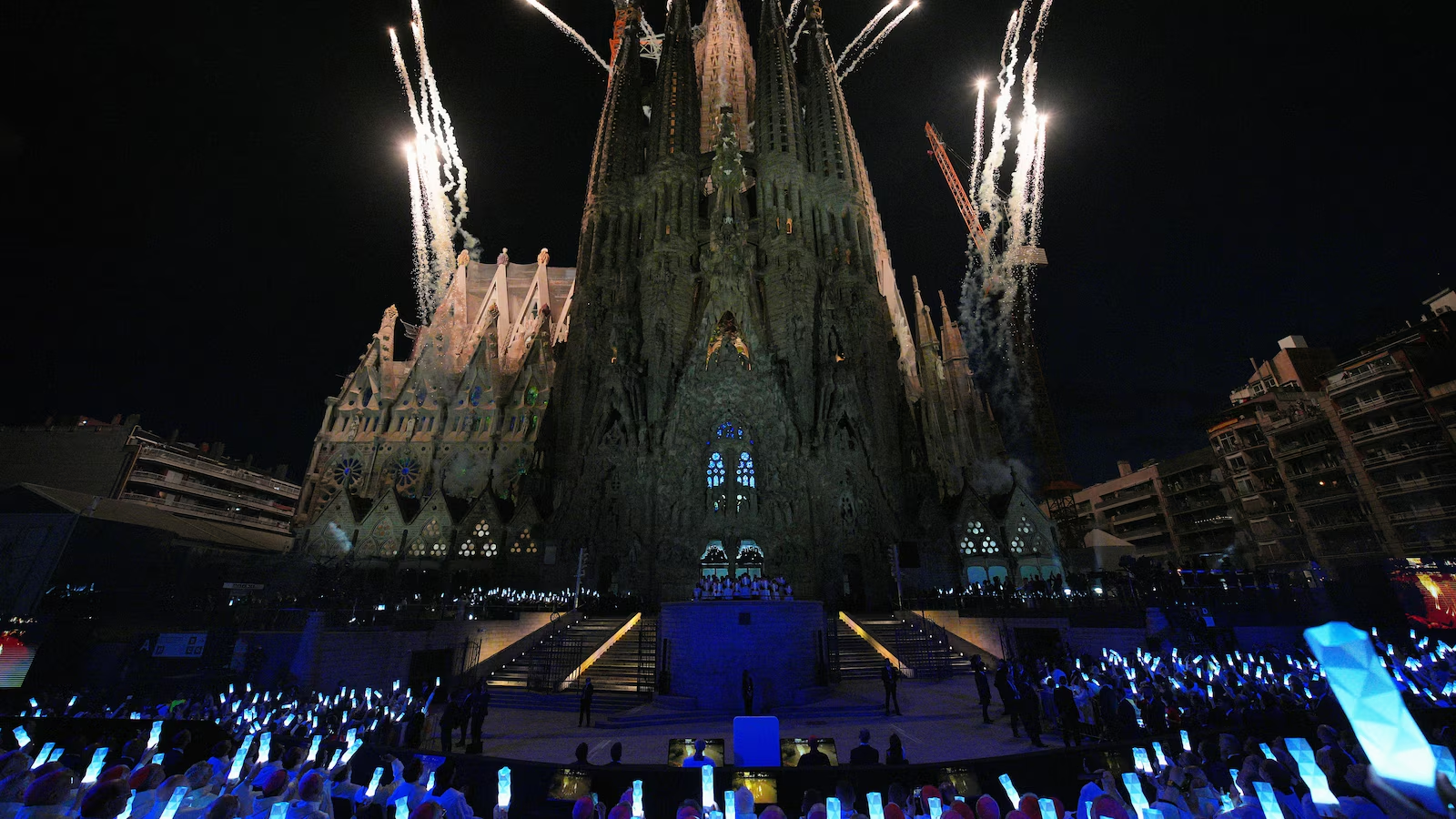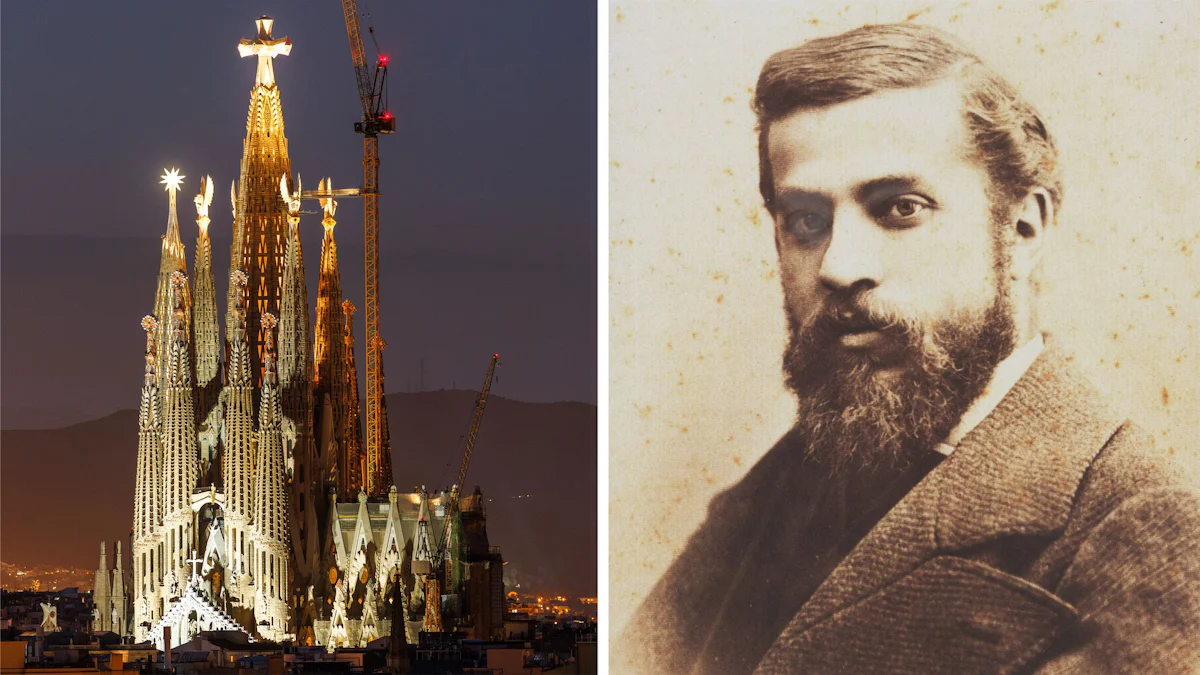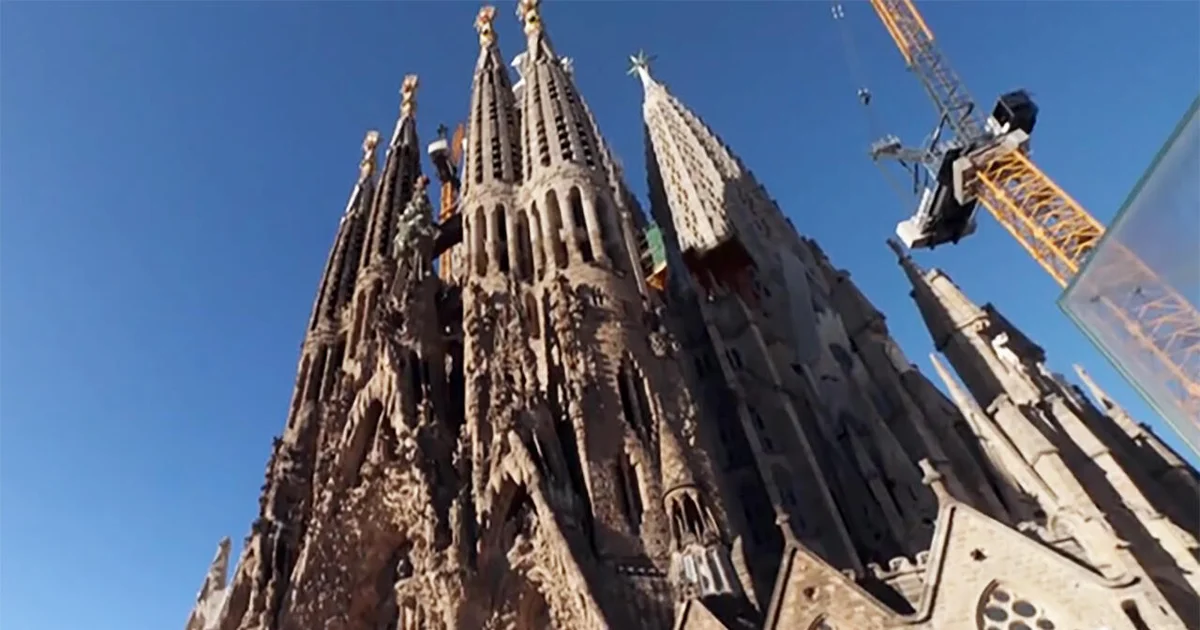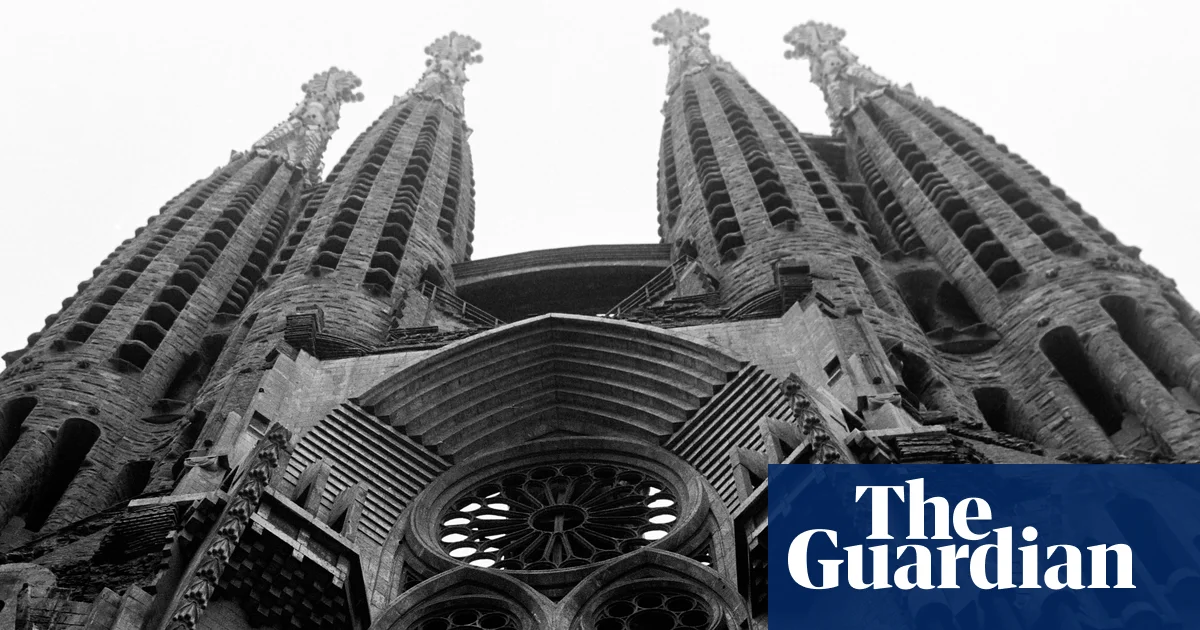
George Orwell called it “one of the most hideous buildings in the world” and berated the Spanish anarchists for not blowing it up when they had the chance during the civil war. Salvador Dalí, in contrast, praised the architect’s “supremely creative bad taste” and suggested that the building was unfinishable, “at least until a new genius appears.”The architect was Antonio Gaudí; the building, Barcelona’s modern cathedral. The first stone of the Sagrada Família – the Temple of the Holy Family – was laid in 1882. It will probably be as long again before the last is laid. Gaudí’s inspired and devotional work on the cathedral, which occupied the 50 years of his life until his death under the wheels of a tram in 1926, is a far cry from that of the technocrats who design most of today’s public buildings.Gaudí was an architect of extraordinary inventiveness, as much artist and sculptor as engineer and builder. Despite the numerous attempts to tie him to various movements (gothic revival, art nouveau and surrealist, to name but three), the Sagrada Família and the dozen or so other projects which he undertook in and around Barcelona defy the straitjacket of academic classification.The Guardian 23 July 1983.Architectural historians may be positively garrulous when discussing, say, gothic or Renaissance architecture, but they are often overcome by bouts of head-scratching and chin-pulling when it comes to assessing Gaudí’s astonishing individuality and complete lack of interest in the codes of good taste.The son of a Catalan coppersmith, Gaudí began his studies in Barcelona at the age of 20. Though it was only a foretaste of what was to come, his early work was sufficiently impressive to prompt the Spiritual Association of St Joseph to invite him to design and build the Sagrada Família.From the outset Gaudí intended the cathedral to be the work of generations and its construction has followed the fitful fortunes of fundraising by the association. Since the architect’s death the financial problems have been compounded by the difficulties of those who have inherited his task in deciding exactly how to proceed with the building.In his early days Gaudí appears to have been a dandy and a socialite but later he retreated more and more into himself and his work, concentrating above all on the Sagrada Família. For the last 12 years of his life he worked, ate and slept on the site of the cathedral, his daily routine virtually that of an ascetic.He would frequently go on fasts and at least once this nearly led to his death. He wore the same scruffy suit and was sometimes offered alms by those who mistook him for a beggar. During the later years of his life he refused all payment for his work 0n the cathedral and when funds ran too low to continue building he would himself go soliciting money.Gaudí left little in the way of drawings and writings. He constantly modified his plans for the cathedral and worked mostly from models. His writings, though few and disorganised, are nonetheless revealing. Above all they show the intense importance which he attached to the Mediterranean countryside in which he lived. The brilliant blue skim and the bright light of his native Catalonia, the red earth of the scorched mountains, the dark green foliage of the carob and the gnarled vine, all were translated through the artist’s eye into the structures and colours of his buildings.“Let us think,” he would say, “what it means to be Mediterranean. It means we are equidistant from the blinding light of the tropics and the northern lack of light which creates ghosts. We are brothers of the Italians and this makes us more apt for creative work.”Gaudí looked to the shapes and colours in nature to help him solve structural problems and to provide inspiration for the design of all the visible aspects of his buildings. The great bell towers of the cathedral – hock bottles, according to Orwell – mirror the spiral cones of slender sea snails. In characteristically flamboyant style Dalí described his architecture as “a tactile erogenous zone which bristles like a sea-urchin.”Indeed there seems to be scarcely a single plant or animal which does not appear in some form on the cathedral. Serpents, whelks and clams double as gargoyles; two massive stone chameleons leer incongruously from either side of the Portal of Nativity; and Nile turtles, pelicans and a wealth of other plants and animals adorn the intricate sculptured scenes from the Bible which dominate the entry to the cathedral.His use of colour was as adventurous as his structural design. He wanted the cathedral to sparkle with coloured glass, and the bell towers have been clothed in a dazzling platform of ceramic mosaics.It is doubtful, however, whether the unborn architects whose task it may be to complete the cathedral will have the courage to polychrome the entire eastern facade in the brilliant colours that Gaudí had originally wanted. The power of the Sagrada Família was well described by Frederico Garcia Lorca, the poet murdered by Franco’s Falangists. He told Dalí how he heard “a veritable din of sonorous cries of such loudness that they became increasingly more and more strident in proportion to the facade’s heaven-ward climb, to the point of blending with the angels’ trumpets into a glorious hullabaloo which he could not put up with for more than a few seconds.”One can only guess at how Lorca would have reacted had Gaudí, as he at one time intended, surmounted the bell towers with angels whose flexible wings would flap with the wind.Though the Sagrada Família already dominates the city skyline it is scarcely half complete. The central tower, which has yet to be built, will be 580 feet high. Gaudí dreamed that it would reach so high towards the heavens that clouds and the fowls of the air would pass beneath its roof. And one day 13,000 people may wor-ship in the cathedral, though it is unlikely that they will have to sit in stone pews of the type designed by Gaudí to thwart the profane habit of crossing legs.The importance of Gaudí as an architect extends far beyond the buildings which he left to Barcelona. He affirmed, against the prevailing trends of his time, the importance of the architect as an artist and craftsman. He might have agreed with John Ruskin that “the architect who was not a sculptor, or a painter, was nothing better than a frame-maker on a large scale.” The intense attachment and pride which the people of Barcelona hold for the Sagrada Família is his posthumous reward for actually caring about how the public would view his work.He conceived of the Sagrada Família as a “cathedral of the poor,” its symbolism simple enough to be accessible to the illiterate; its beauty and power capable of inspiring faith through times of hardship.Those who use it – and there are regular services in the crypt – would clearly like to see it finished. But in the meantime it has given them an expression for taking forever to do something: they call it “doing a Sagrada Família.”
Sagrada Família, Gaudi’s eccentric homage to Catalonia – archive, 1983
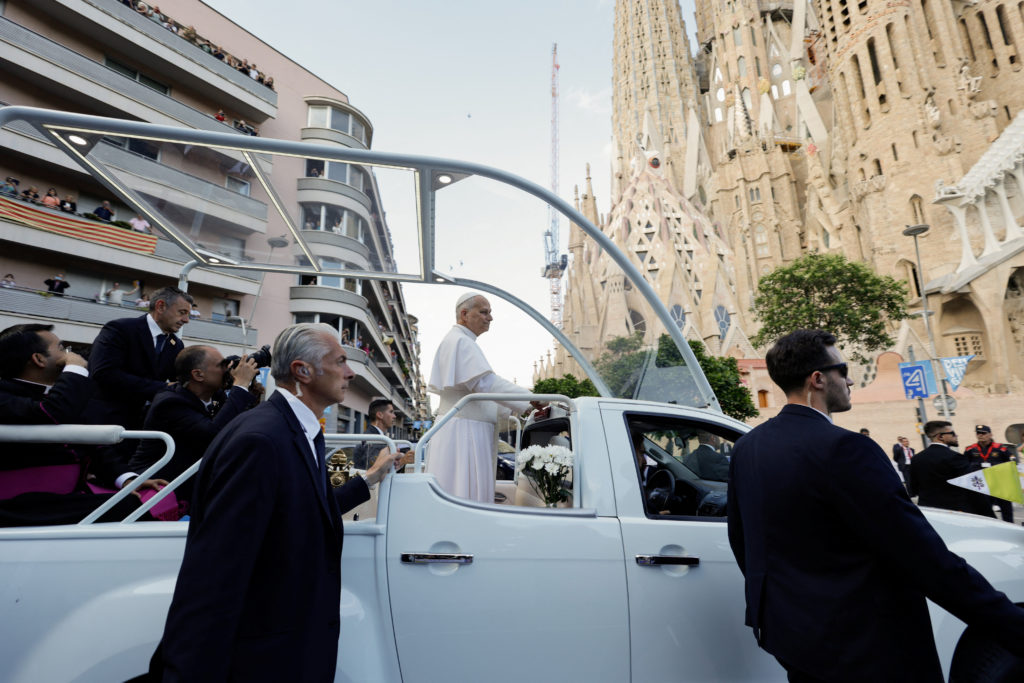
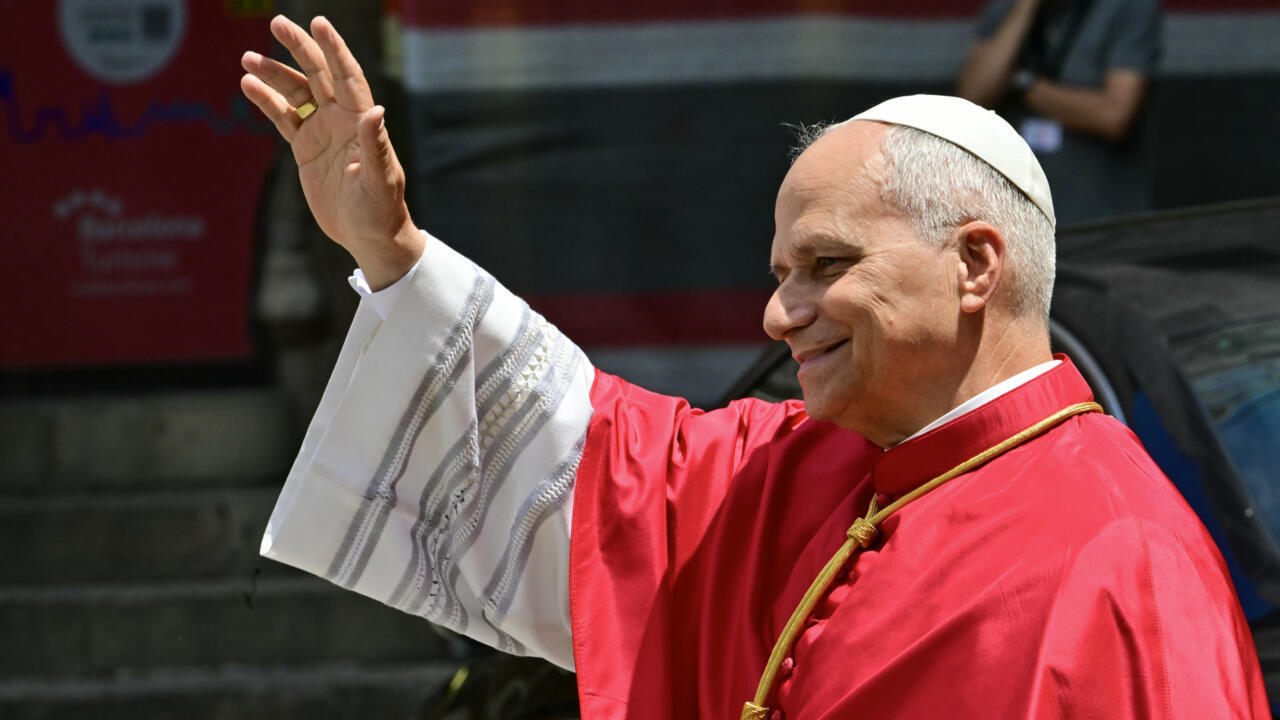
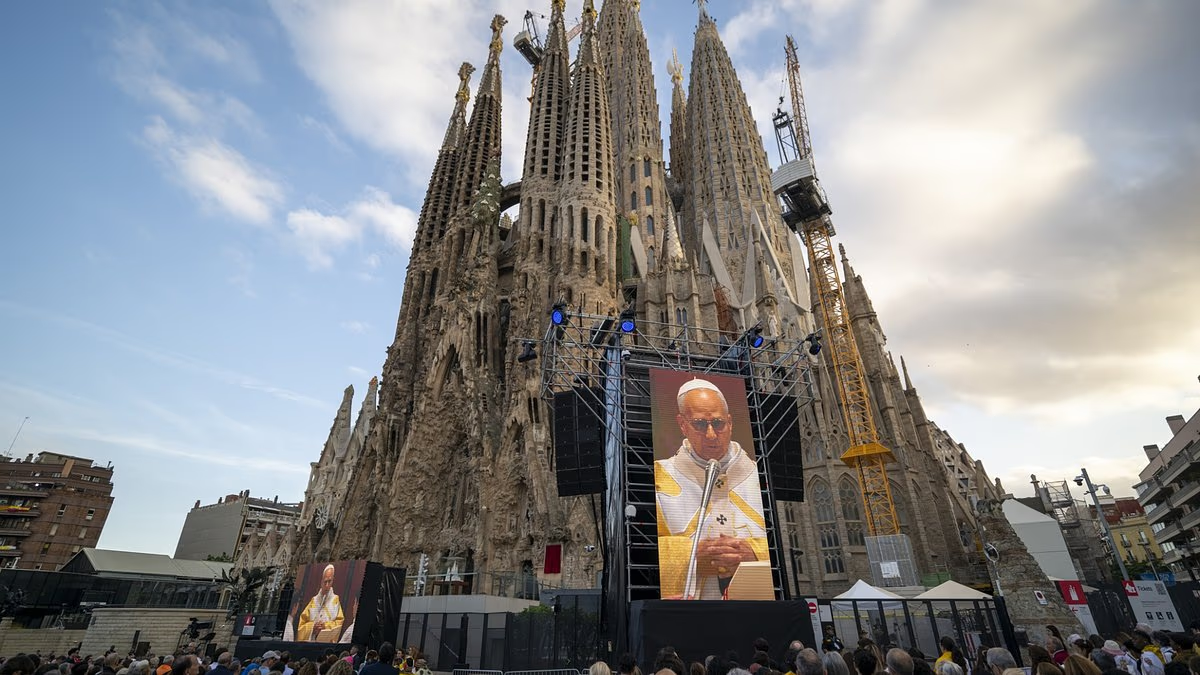
23 July 1983 A look back at the 100–year history of Barcelona’s ‘cathedral for the poor’Faithful line the streets today as Pope Leo to bless Sagrada Família on centenary of Gaudí’s death
1,183 words~5 min read