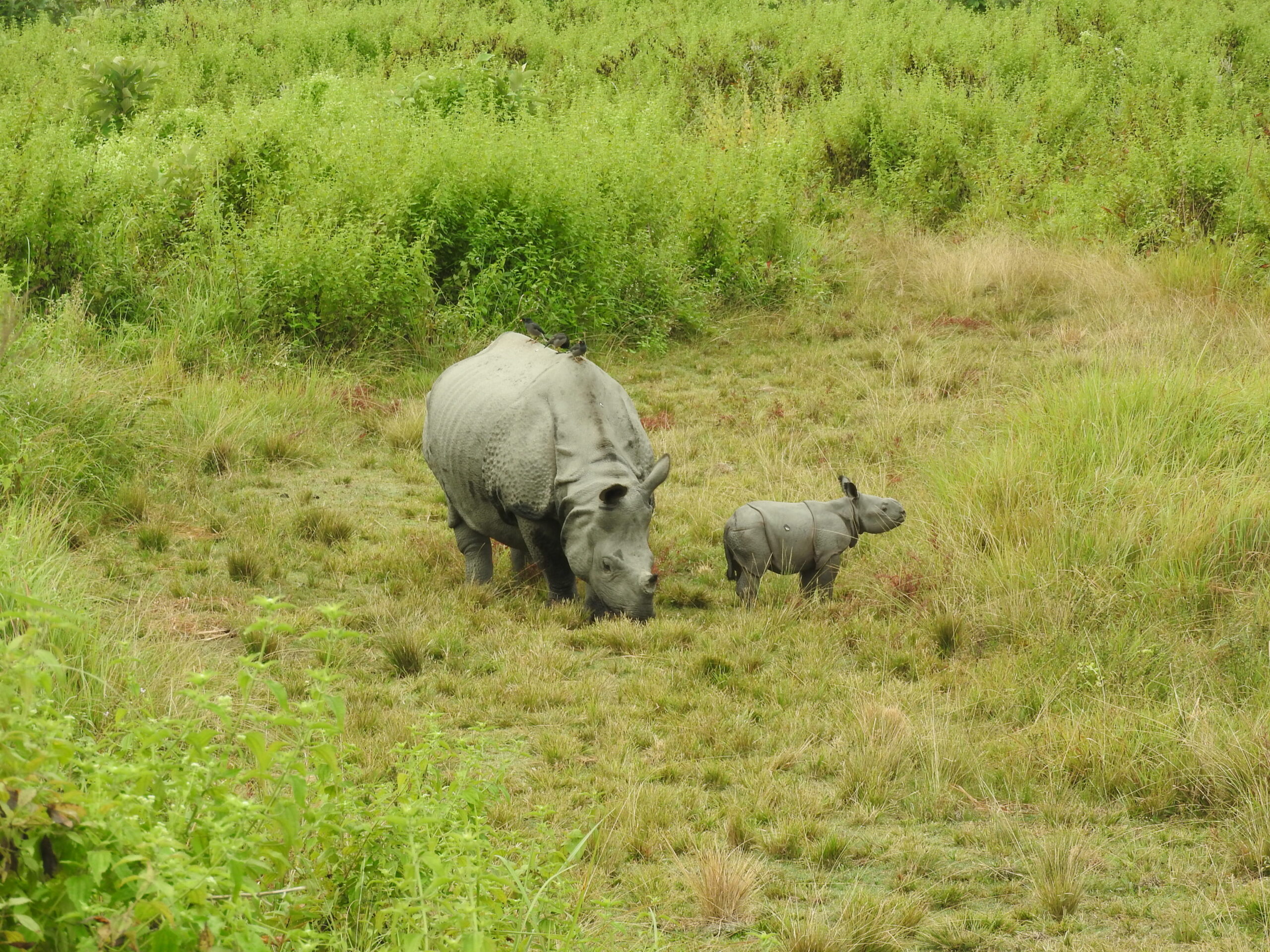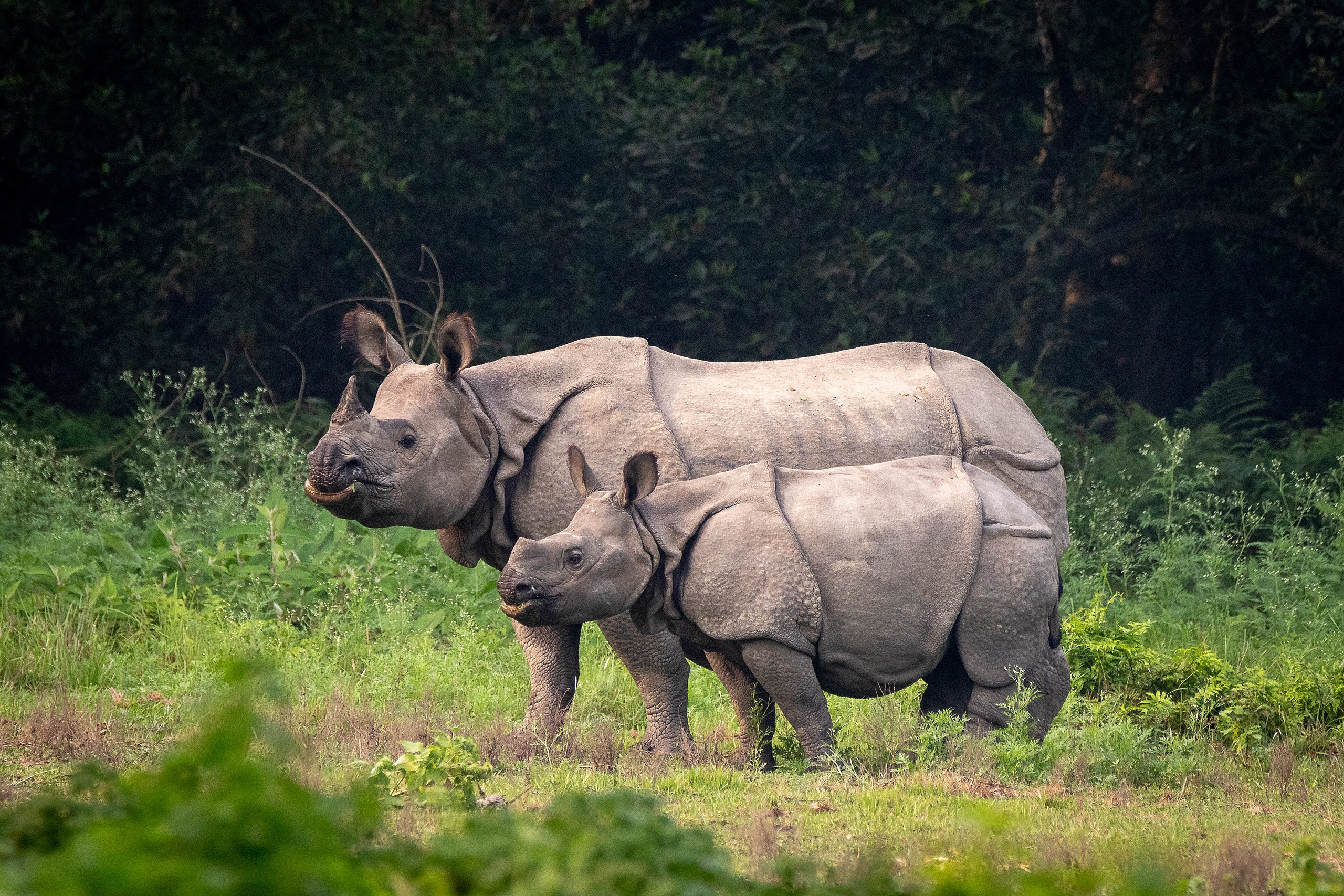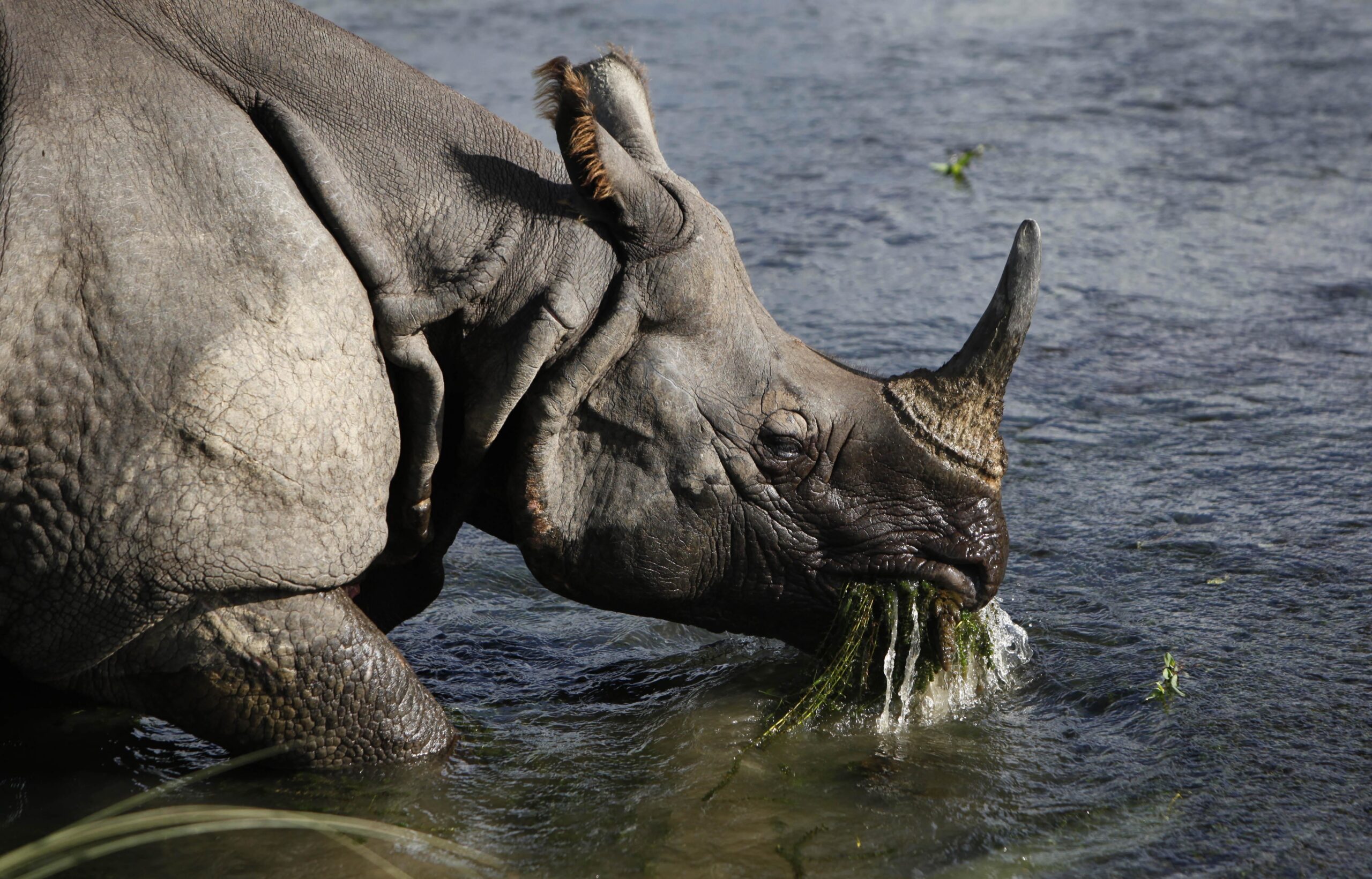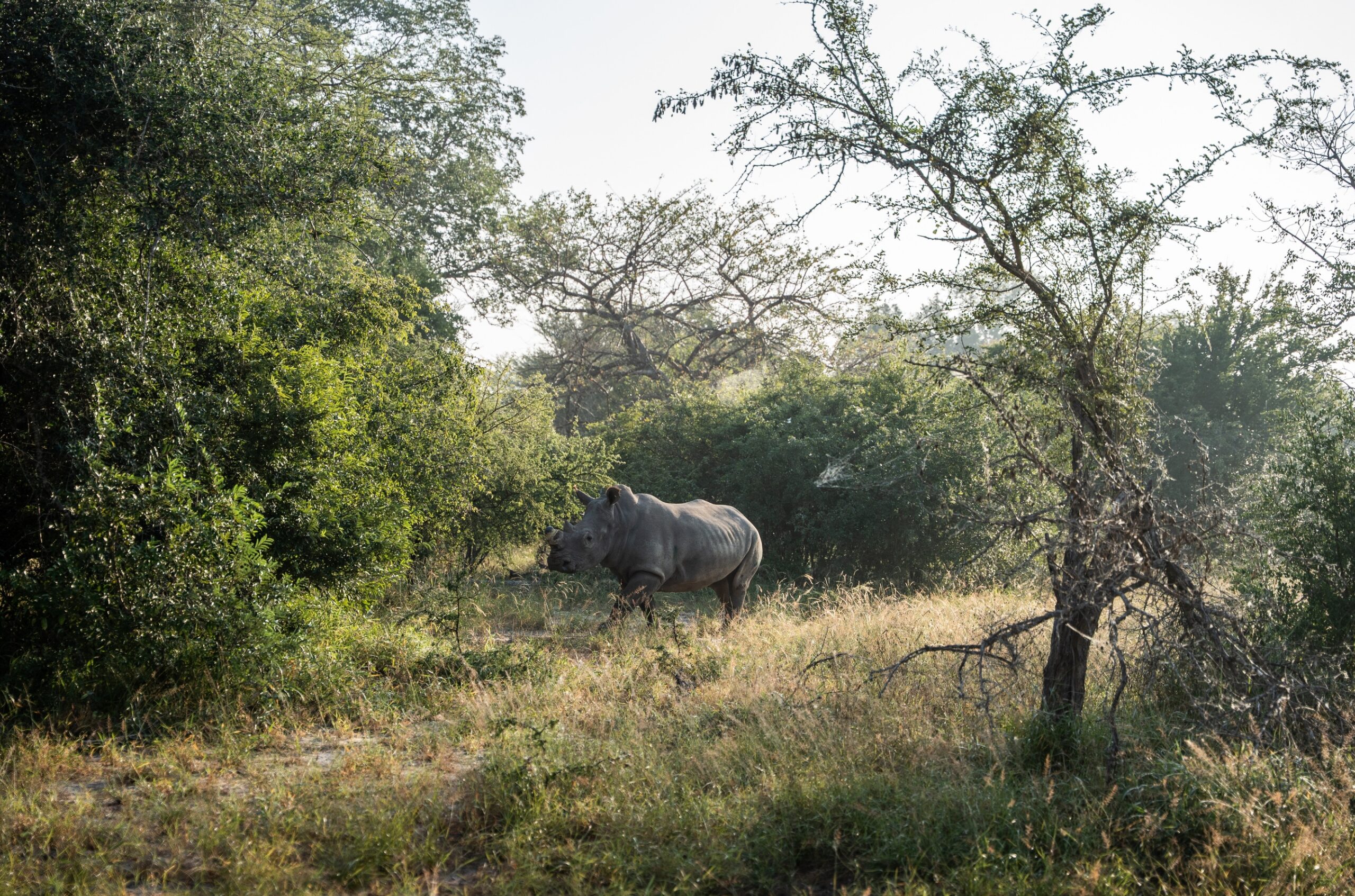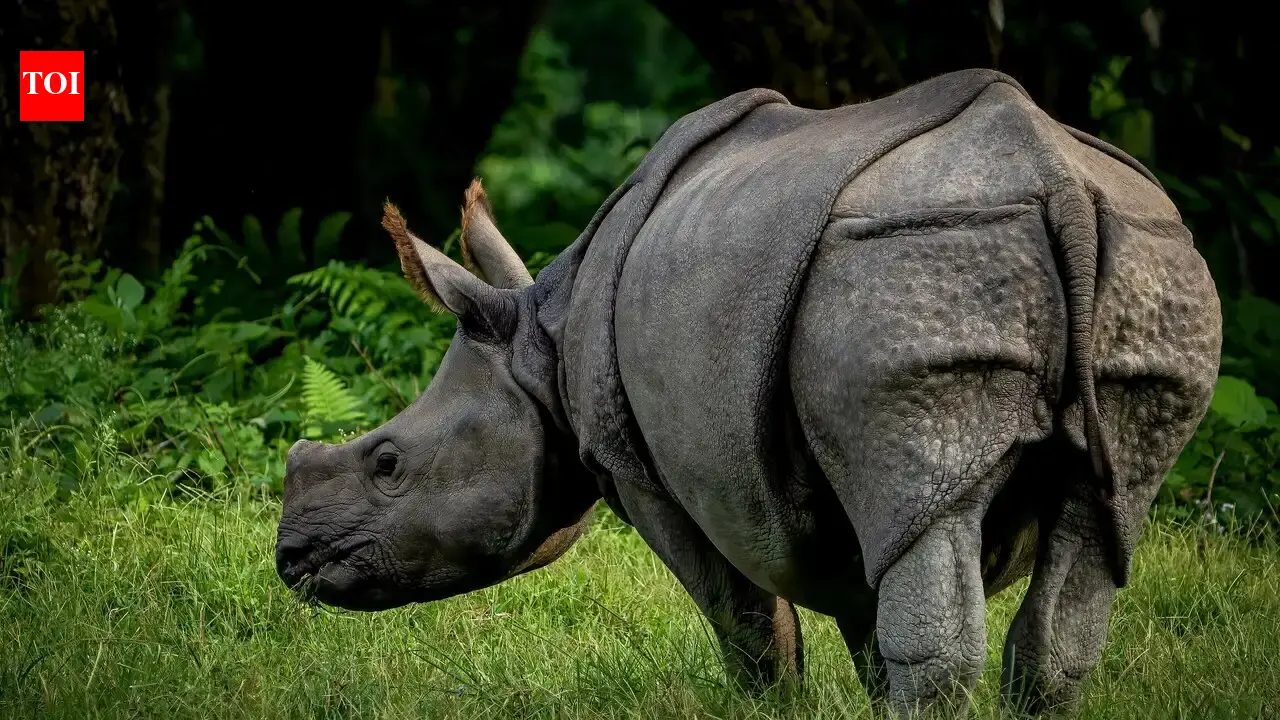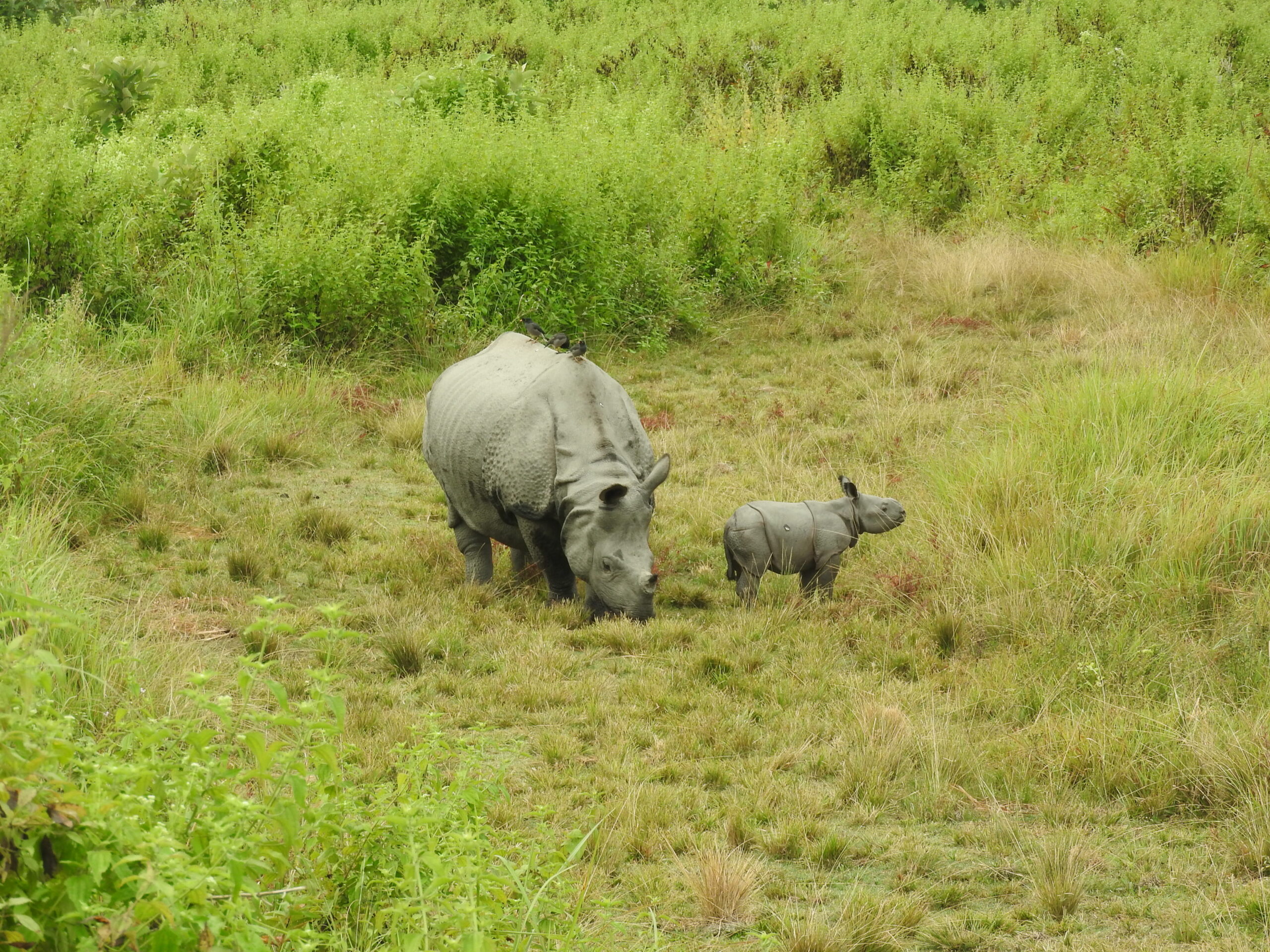
A decade-long study tracking reintroduced rhinos in Manas National Park, Assam, shows encouraging signs of reproduction and adaptation.Differences noticed and recorded among different rhino groups in breeding, calving and movement patterns.Researchers say additional introductions and continued protection needed to prevent risks such as inbreeding.
The greater one-horned rhinoceros was once wiped out from Assam’s Manas National Park (MNP), marking a major conservation setback. The rhino population, however, was re-established through the wild-to-wild translocation under the Indian Rhino Vision 2020 (IRV2020) and rhino rehabilitation programmes.
A recent study on the re-established population, introduced through two routes — translocation from other protected areas, and rehabilitation and release — between 2012 and 2021 offers encouraging signs of adaptation in their restored habitat. The study also followed the first generation (F1) of rhinos born in Manas.
Manas National Park lies in Assam’s Chirang and Baksa districts in northeast India and borders the Royal Manas National Park in Bhutan to the north. Between 2008 and 2021, 22 greater one-horned rhinos were translocated from Kaziranga National Park and Pobitora Wildlife Sanctuary as a part of efforts to restore the park’s rhino population.