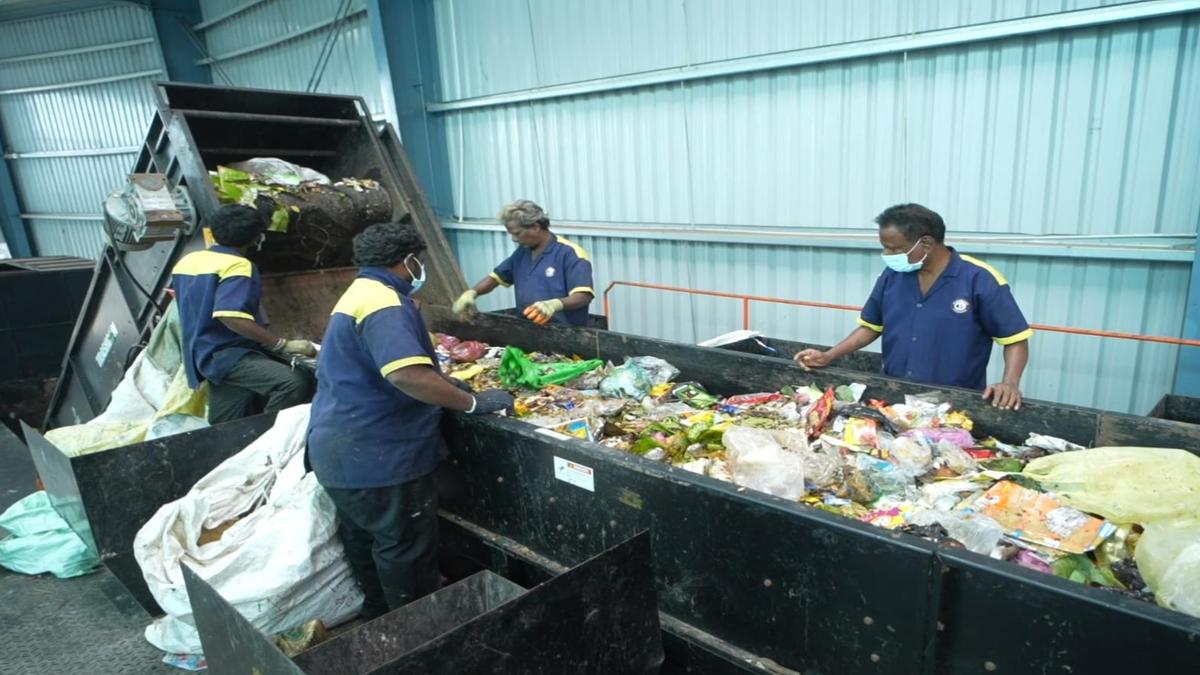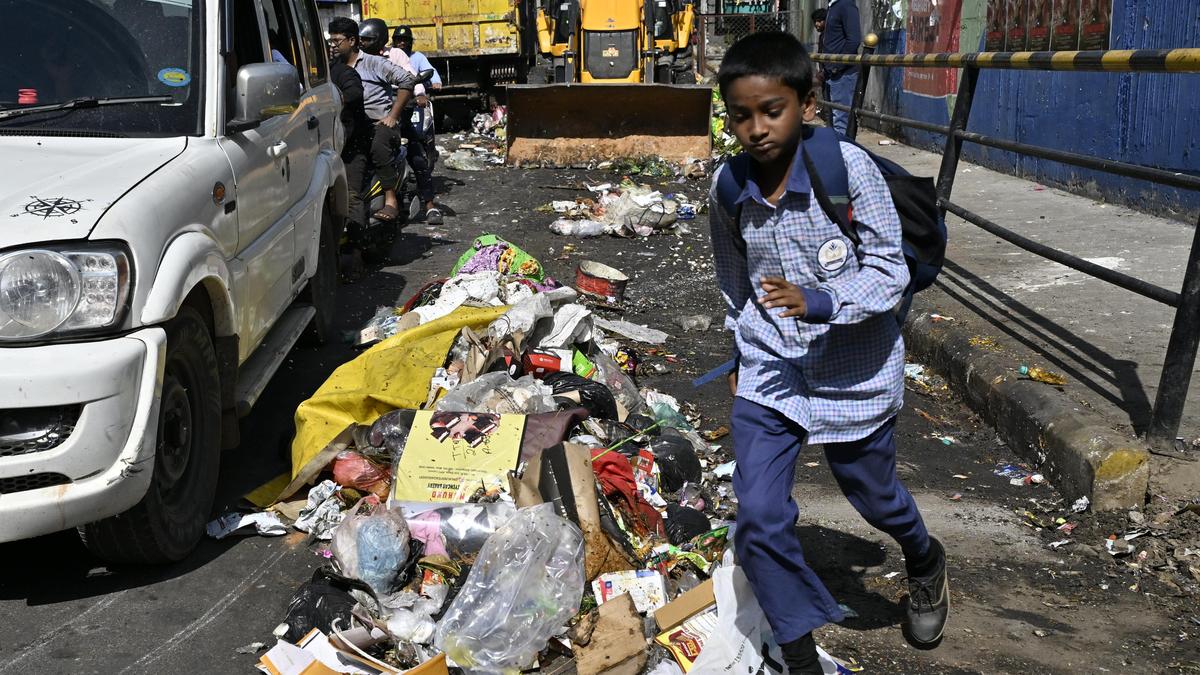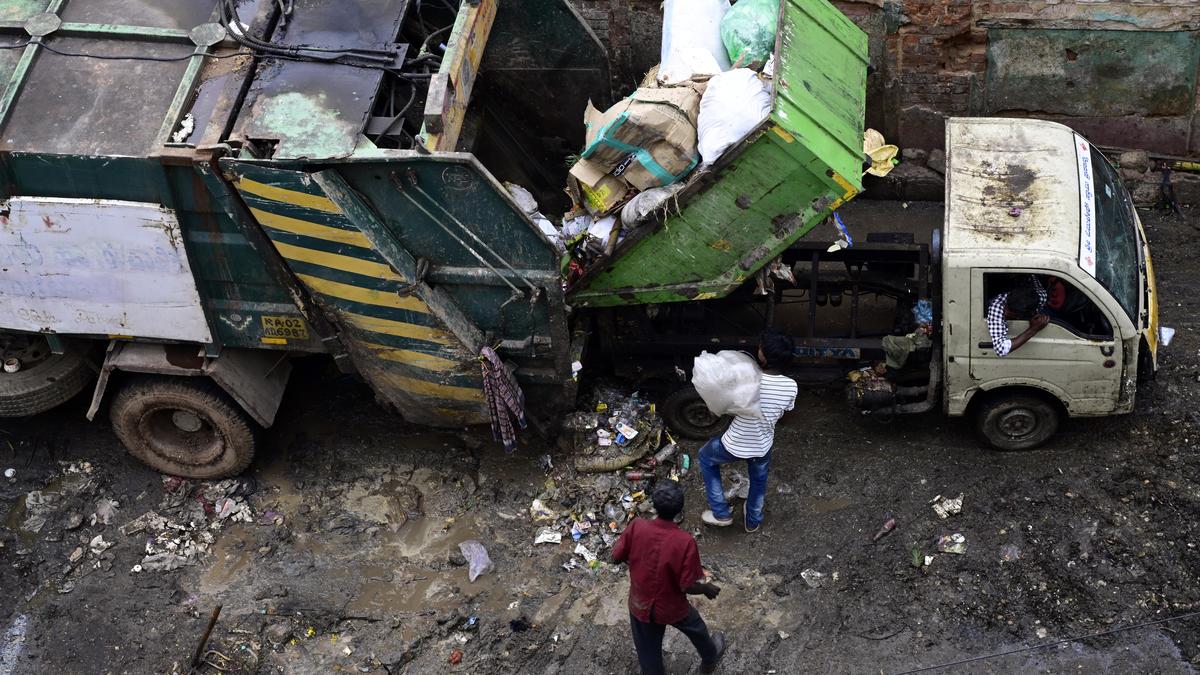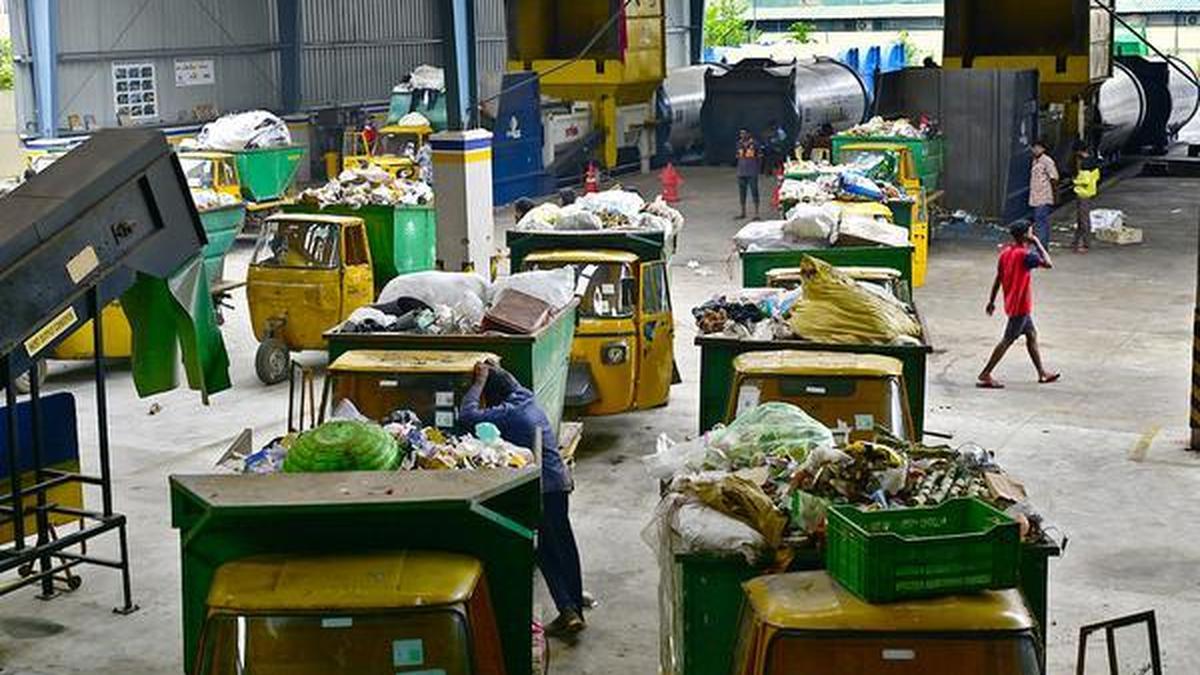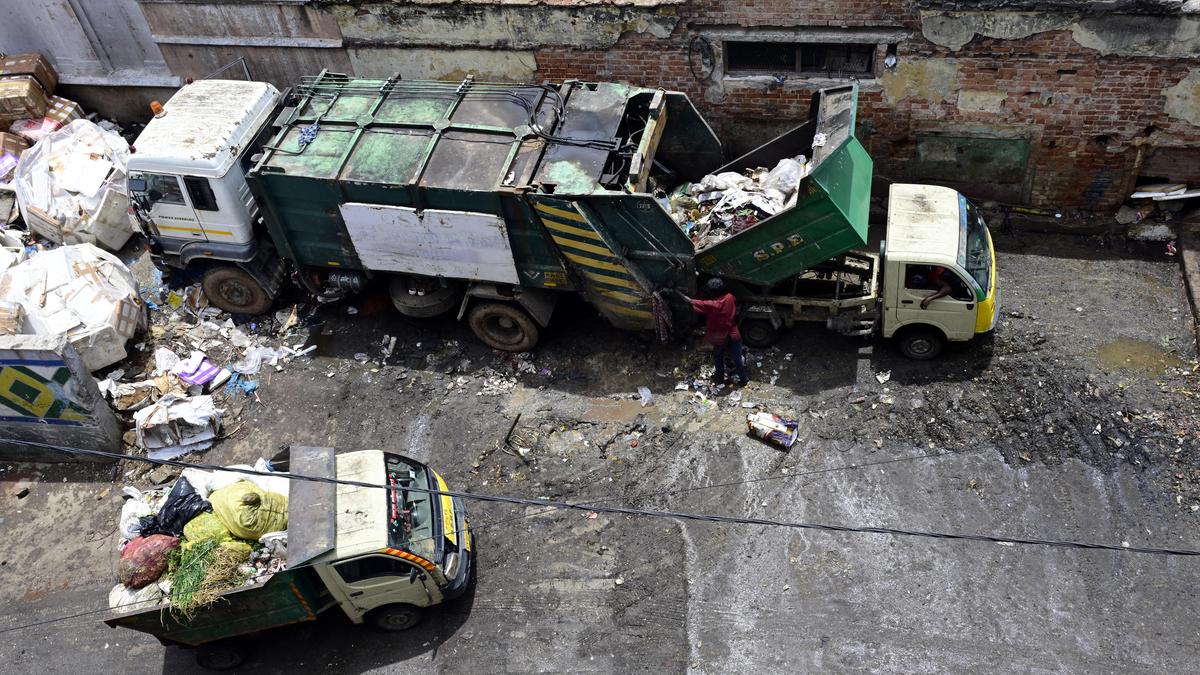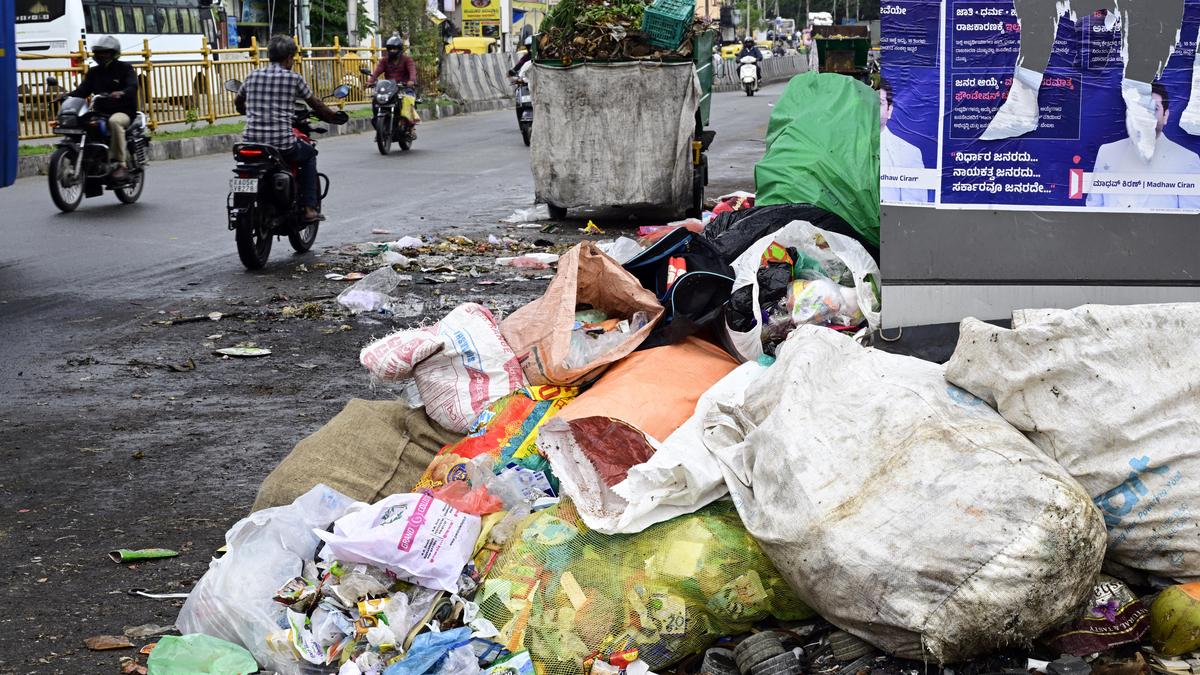
As Bengaluru’s garbage crisis deepens, the newly formed city corporation commissioners have demanded that powers related to waste collection and maintenance be transferred to them from the Bengaluru Solid Waste Management Limited (BSWML).A senior official from the Greater Bengaluru Authority (GBA) told The Hindu that a proposal has been prepared, and the transfer is likely to take place once the tenders for waste collection are finalised. However, BSWML will continue to oversee waste processing operations.Current systemUnder the current system, BSWML handles the entire chain of waste management, from door-to-door collection to waste processing. The city corporations are responsible for identifying and regularly clearing black spots. To facilitate coordination between the two bodies, BSWML can appoint an assistant general manager. However, since the formation of the new corporations, commissioners have opposed the arrangement, citing mismanagement.“In a GBA meeting held two months ago, the corporations expressed dissatisfaction over coordination issues in waste management, which they said were contributing to the rise in black spots. They emphasised that without full control, addressing garbage-related issues becomes difficult,” the GBA source told The Hindu.Following these discussions, the GBA decided that an MoU would be signed between BSWML and the civic bodies. Under the proposed arrangement, the civic bodies will oversee all on-ground operations, including door-to-door waste collection, while BSWML will continue to manage waste processing.Managing the issueA city corporation commissioner explained that the garbage crisis is linked to multiple factors, including black spots, auto-tippers, staffing, and collection timings, among others.“When these aspects are overseen by different entities, there is very little scope for conducting meaningful on-ground assessments. It is impossible to solve the city’s garbage problem without understanding the linkages between these factors and involving citizens in the process,” the commissioner said.According to him, there is significant scope for planning at the ward level, such as assigning dedicated collection times for auto-tippers on specific stretches and fixing accountability for waste collectors responsible for those areas. This would allow corporations to better understand the volume of waste generated in individual wards and monitor changes over time.“Along with that, when we clear black spots and identify locations where people frequently dump garbage, both sets of data can be combined to understand the underlying issues. This kind of planning will help us understand even the social dimensions of waste management and gradually identify solutions,” the commissioner explained.He stressed that such micro-planning at the ward level is essential because it helps build a broader understanding of the crisis, which is necessary for finding lasting solutions. Therefore, having different departments handle different aspects of the issue is not an ideal approach, he noted. Citizen participation and small-scale awareness campaigns are very important aspects of waste management because residents are key stakeholders in the issue. Under the current arrangement, citizen engagement has disappeared, the commissioner of one of the corporations noted.“When citizens complain about garbage, they are often equally responsible because there is little regard for public spaces or for the workers who collect waste. From source segregation to the disposal of waste in public areas, citizens often make it harder for civic bodies to tackle the problem effectively,” he said.Bhyranna, a waste collector in Ejipura, where black spots are particularly severe, said many residents refuse to segregate waste at source and simply dump everything into the auto-tipper. “Many people do not hand over garbage every day, even though we visit daily. Some, especially those who frequently order food, throw leftover food that is already fungus-infested directly into the auto. It is very difficult to segregate such waste, especially because our employers do not provide us with gloves,” he said.He pointed out that much of the waste found at black spots is fungus-infested. According to him, this is largely because auto-tipper workers refuse to collect such waste and often scold residents for handing it over. As a result, people dispose of it in public spaces at night, leaving pourakarmikas to clean up the mess.Citizen engagementMany feel that civic bodies would need to nominate citizen volunteers and involve them in the daily waste collection process to create a sense of collective responsibility.A corporation commissioner told The Hindu, “When residents of a street take ownership of keeping their area clean, they will collectively question habitual litterers and drive citizen-led movements. BSWML is currently not doing this, which is a major intervention we need.”For example, several stretches in HSR Layout now have citizen volunteers accompanying auto-tippers every day and encouraging residents to hand over their waste regularly. They have also conducted door-to-door awareness campaigns and promoted source segregation. These stretches have now been declared black spot-free.(This is the final story in the series on the deepening garbage crisis in the city.)
Bengaluru corporations seek control of waste collection from BSWML
As Bengaluru’s garbage crisis deepens, the newly formed city corporation commissioners have demanded that powers related to waste collection and maintenance be transferred to them from the Bengaluru Solid Waste Management Limited (BSWML).
777 words~4 min read