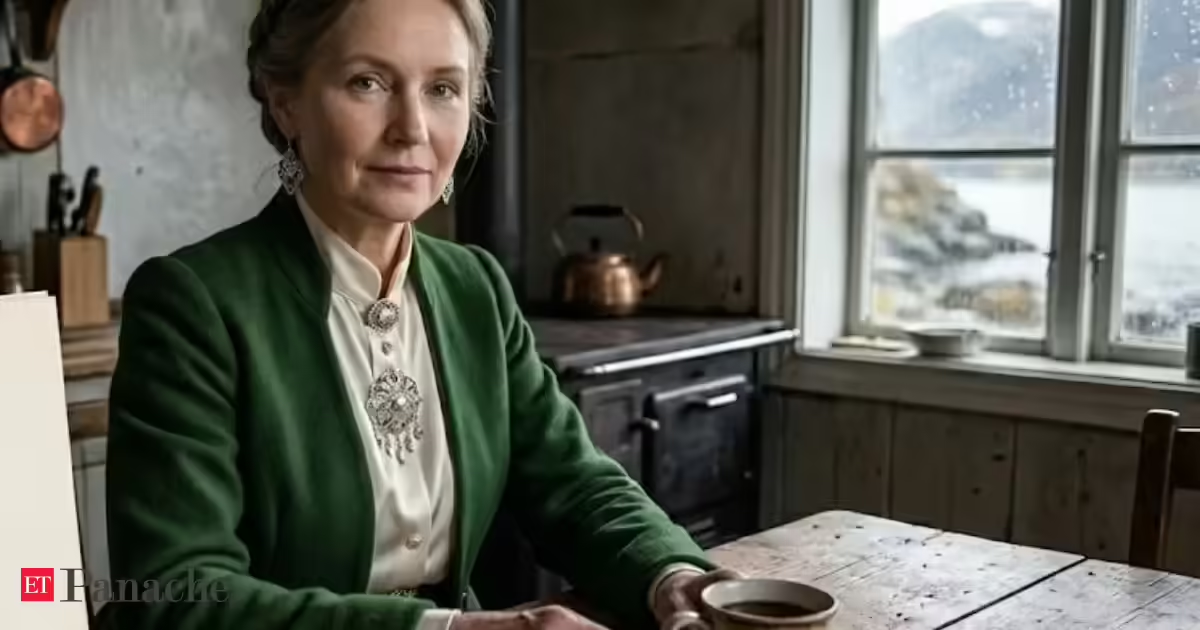
SynopsisA Norwegian proverb reveals how hardship changes our perspective. What seems bad today can appear manageable when a greater challenge arises. This wisdom highlights resilience and gratitude. Difficulties often teach valuable lessons, leading to growth and a deeper appreciation for present circumstances. The saying reminds us that our understanding of events evolves with time and experience.Listen to this article in summarized formatThe Norwegian proverb of the day is about facing adversities and how it changes perception. (AI-generated image)Life has a curious way of changing our perspective. A situation that feels unbearable today can suddenly seem manageable when an even greater challenge arrives tomorrow. The promotion we complained about, the job we wanted to quit, or the problem that kept us awake at night may not look quite so terrible when compared to something worse. A Norwegian proverb captures this reality in a remarkably simple sentence, reminding us that hardship often changes how we judge our circumstances.What is the Norwegian proverb?There is a Norwegian proverb which, when translated into English, reads: “Bad is called good when worse happens.” Though brief, the saying contains a powerful observation about human nature. It reflects how people often evaluate their circumstances not in isolation, but in comparison to what comes before or after.The proverb suggests that our understanding of what is "good" and "bad" is often influenced by context. Something that once felt difficult may suddenly appear fortunate when viewed against a more painful experience.The deeper meaning behind the sayingAt its core, the proverb is about perspective. Human beings have a tendency to focus on what is wrong in the present moment. When faced with a setback, disappointment or challenge, it is easy to view the situation as entirely negative. However, life rarely remains static.You Might Also Like:As circumstances change, people often discover that what they considered bad was not the worst outcome possible. A failed plan may prevent a bigger mistake. A difficult period may prepare someone for a future challenge. A loss may reveal opportunities that were previously hidden.This is what the proverb means when it suggests that “bad” can later be called “good.” The event itself may not have changed, but our understanding of it has. The saying reminds us that judgment is often influenced by comparison. When something worse happens, the earlier difficulty may suddenly seem less severe, less unfair or even beneficial in hindsight.A lesson in resilienceThe proverb also carries an important message about resilience. People often believe that they can only appreciate positive experiences. Yet many of life's greatest lessons emerge from hardship. Challenges force individuals to adapt, grow and develop the strength they did not know they possessed. Difficult experiences often build patience, wisdom and perspective.You Might Also Like:When viewed through that lens, setbacks become more than obstacles. They become teachers. The proverb does not suggest that suffering is desirable. Rather, it acknowledges that adversity can alter our understanding of what truly matters.Someone who has experienced financial hardship may develop a greater appreciation for stability. Someone who has endured illness may value ordinary healthy days far more than before. Someone who has faced major loss may begin to see previous problems in a completely different light.Relevance of the proverbOne reason the proverb remains relevant is that its wisdom is difficult to apply when hardship is happening. When people are in the middle of a crisis, they naturally focus on the discomfort, frustration or uncertainty in front of them. Rarely does someone facing a challenge stop to think that the situation might one day appear better by comparison.You Might Also Like:That shift in perspective usually arrives later. Looking back, people often realise that an experience they once viewed as disastrous was actually manageable. In some cases, they may even recognise that it led to growth, new opportunities or valuable life lessons. The proverb captures this tendency perfectly. It highlights the gap between how people perceive events in the moment and how they understand them with the benefit of time and experience.Beyond resilience, the saying also encourages gratitude. Many people spend their lives wishing for different circumstances while overlooking the good things they already possess. The proverb serves as a reminder that circumstances can always change, sometimes for the better and sometimes for the worse.You Might Also Like:( Originally published on Jun 10, 2026 )Read More News on...morelessRead More News on...moreless
Norwegian proverb of the day: ‘Bad is called good when worse happens…’ what this quote teaches us about facing hardships
A Norwegian proverb reveals how hardship changes our perspective. What seems bad today can appear manageable when a greater challenge arises. This wisdom highlights resilience and gratitude. Difficulties often teach valuable lessons, leading to growth and a deeper appreciation for present circumstances. The saying reminds us that our understanding of events evolves with time and experience.
721 words~3 min read