Published Jun 10, 2026, 10:06 AM EDT
The legislation comes on the heels of researchers being accused of bringing monkeypox into the U.S.
Follow
Published Jun 10, 2026, 10:06 AM EDT
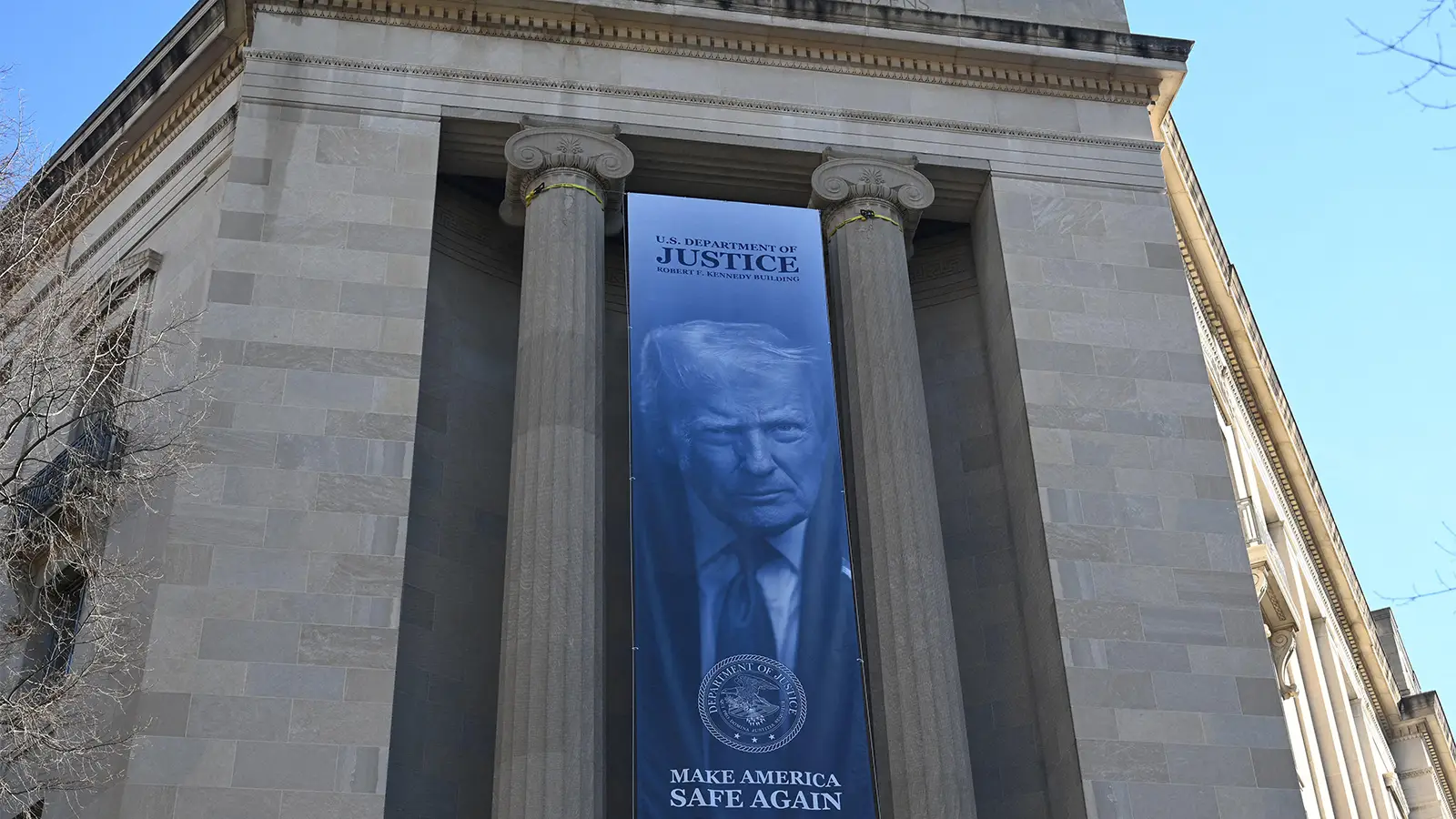
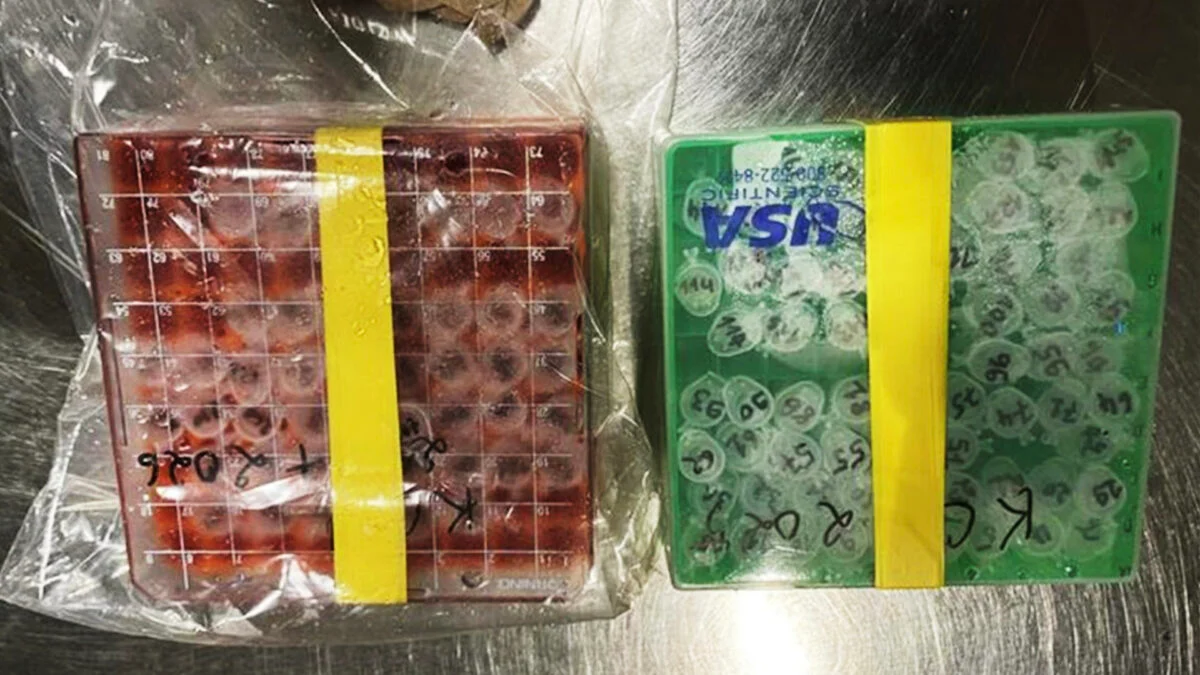
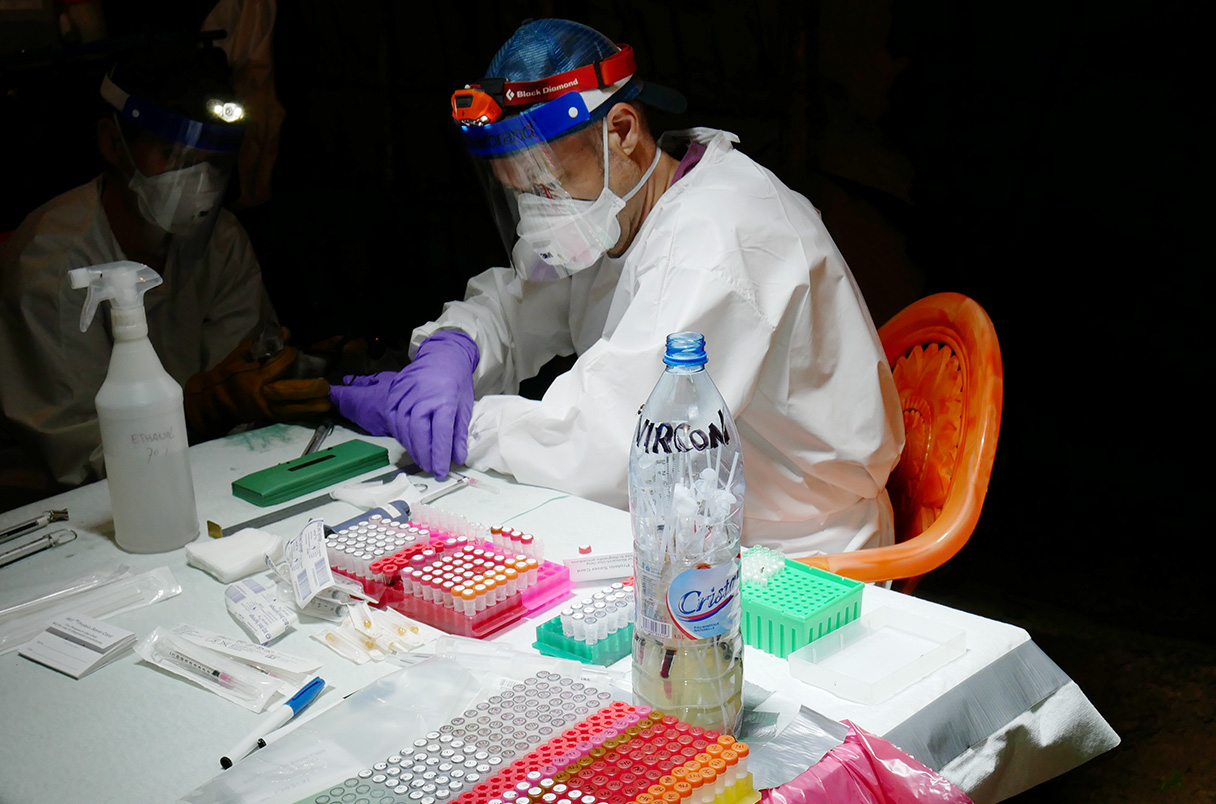
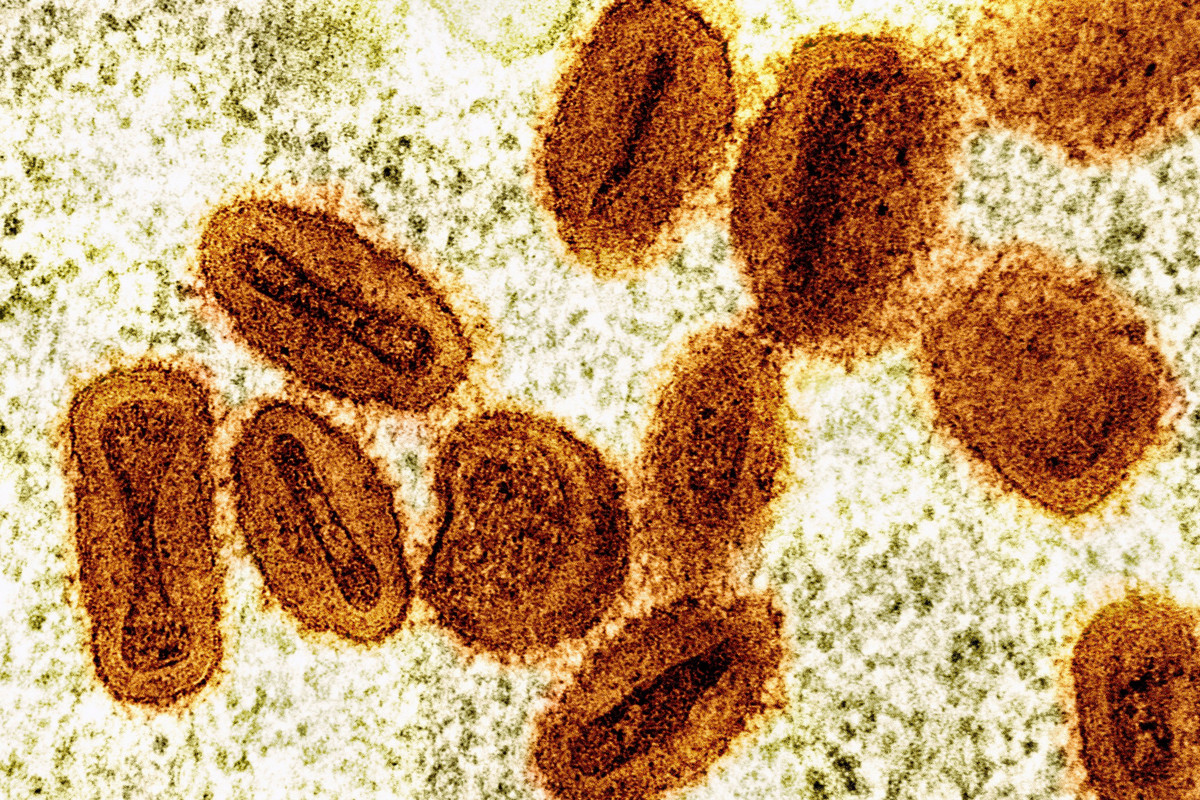
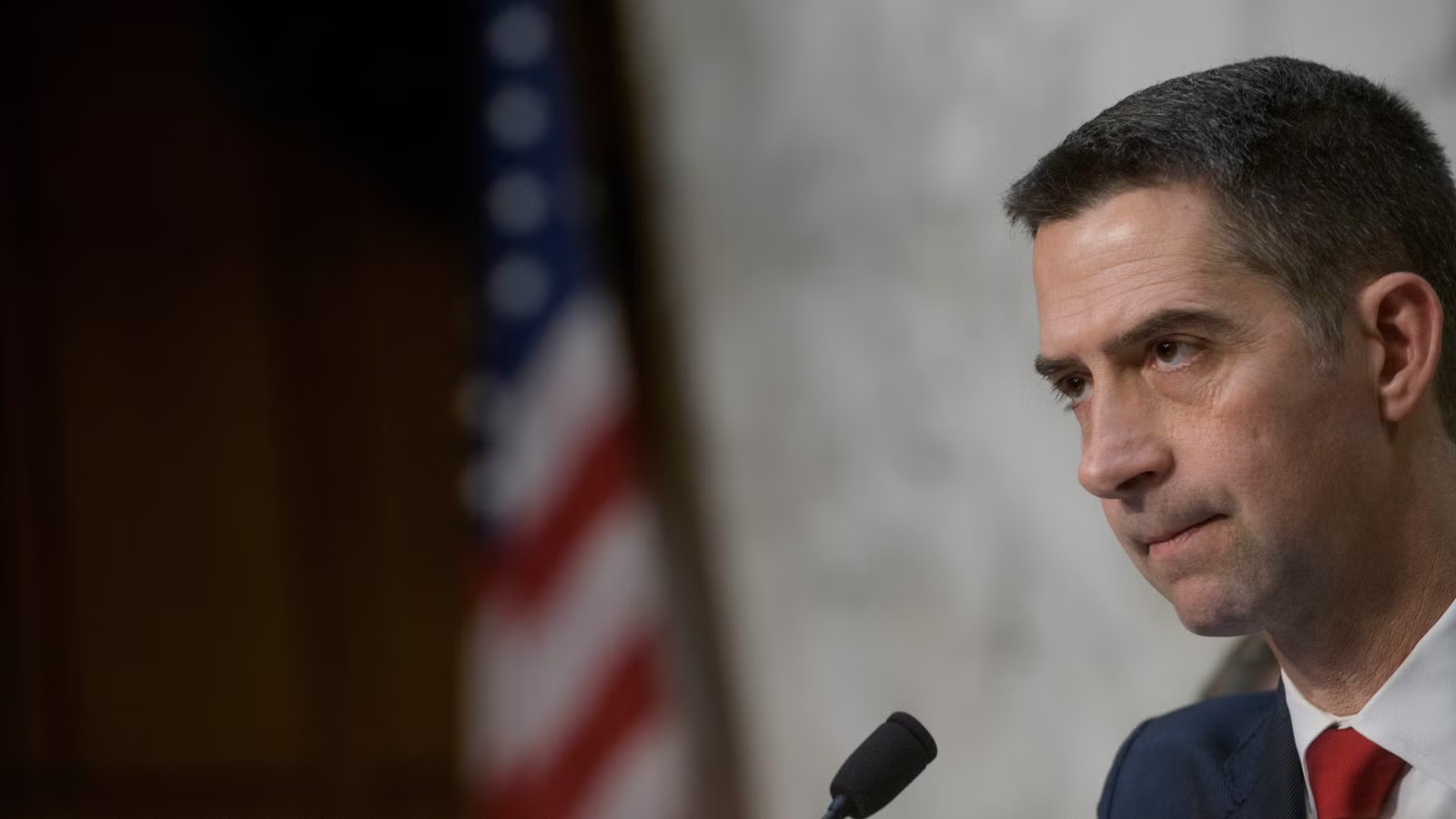
U.S. Sen. Tom Cotton (R-Ark.) has introduced new legislation that would crack down on biological smuggling following recent events in which U.S. researchers have been accused of bringing infectious diseases like monkeypox into the country. Last week, the Department of Justice (DOJ) announced federal charges against Vincent Munster and Claude Kwe, both National Institutes of Health (NIH) researchers at the Rocky Mountain Laboratory in Hamilton, Mont., for allegedly lying to U.S. Customs and Border Protection (CBP) agents about pathogens linked with their research. They are accused of attempting to smuggle 17 vials of deactivated monkeypox virus, as well as one vial of the Chickenpox virus and two containing only human DNA, from the Republic of Congo into the United States by way of Detroit, Mich. Cotton's bill, the Biosecurity Smuggling Deterrence Act, aims to rectify such incidents by imposing tougher, unavoidable mandatory minimum sentences to deter biological smuggling and protect American biosecurity. Under current law, offenses like those alleged against the NIH researchers, carry a maximum of five years in prison with no mandatory minimum. This bill would eliminate that loophole.